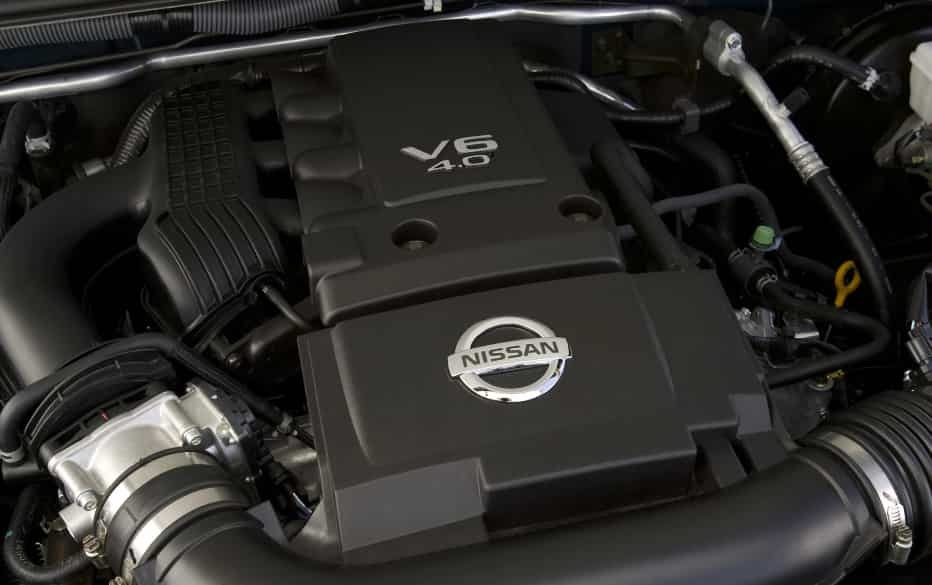
The Nissan 4.0 engine, also known as the VQ40DE, powers many popular Nissan vehicles. These include the Nissan Pathfinder, Nissan Frontier, Nissan Xterra, and Nissan Armada. This engine attracts attention because it delivers strong torque and works well in SUVs and trucks.
Many drivers search for Nissan 4.0 Engine Problems: Common VQ40DE Issues, Causes, and Reliability Analysis because they want clear answers about long term durability. They want to know if the engine stays reliable or develops costly issues over time.
In real world use, some owners report problems such as oil consumption, timing chain noise, and engine misfires. These issues often appear after higher mileage or irregular maintenance. However, other owners report stable performance when they follow proper service schedules.
The VQ40DE engine performs well in many conditions, but it still has known weak points. Maintenance quality plays a major role in its lifespan. Driving habits and service history also affect overall reliability.
This article explains the most common Nissan 4.0 Engine Problems. It also breaks down root causes and provides a clear reliability analysis based on real usage. The goal is to help you understand how this engine behaves over time and what risks you should expect.
Nissan VQ40DE Engine Overview
The Nissan VQ40DE is a 4.0 liter V6 engine designed by Nissan for trucks and SUVs. It belongs to the well known VQ engine family, which Nissan has used in many performance and utility vehicles. This engine focuses on torque output rather than high speed performance, which makes it suitable for heavy vehicles and towing applications.
Nissan installed the VQ40DE engine in several popular models. These include the Nissan Pathfinder, Nissan Frontier, Nissan Xterra, and Nissan Armada. Each of these vehicles relies on the engine to deliver stable low end power for daily driving, off road use, or load carrying tasks.
The engine uses a DOHC aluminum block design. This helps reduce weight while maintaining strength under load. Nissan also tuned the engine for durability in SUV and truck environments, where heat and stress levels are usually higher than in passenger cars.
The VQ40DE engine delivers a balance between performance and practicality. It produces strong torque at low RPM, which improves acceleration in heavy vehicles. However, this design also creates long term stress on internal components when maintenance is not consistent.
Many Nissan 4.0 Engine Problems start to make sense when you understand how the engine is built. Components such as timing chains, piston rings, and valve seals operate under continuous load. Over time, wear can develop, especially in engines with irregular oil changes or high mileage.
Overall, the VQ40DE remains a widely used engine in Nissan’s SUV and truck lineup. Its design supports durability, but it also requires proper maintenance to avoid known issues that appear in aging engines.
Common Nissan 4.0 Engine Problems
The Nissan 4.0 engine, especially the VQ40DE, develops several well known issues as mileage increases. These problems do not always appear early, but they become more noticeable in older vehicles or engines with inconsistent maintenance.
One of the most common Nissan 4.0 Engine Problems is oil consumption. Some engines begin to burn oil faster than expected. This often relates to worn piston rings or valve seals. Drivers notice that they need to top up oil between service intervals. In some cases, the issue becomes more severe over time.
Another frequent issue is timing chain noise. The VQ40DE uses a timing chain system instead of a belt. While this design is stronger in theory, worn tensioners can cause rattling sounds during cold starts. If ignored, this may lead to performance instability and expensive repairs.
Engine misfire is also a reported problem. Misfires often come from ignition coils, spark plugs, or fuel delivery issues. When misfires happen, the engine may shake, lose power, or trigger a check engine light. This issue usually becomes more common as components age.
Some drivers also experience crankshaft position sensor failure. When this sensor fails, the engine may stall or refuse to start. This problem can appear suddenly and often requires immediate replacement to restore normal operation.
Cooling system leaks can also affect the VQ40DE. Over time, hoses, gaskets, or radiator components may degrade. If coolant levels drop too low, the engine may overheat and suffer internal damage.
These issues do not affect every engine in the same way. Maintenance history plays a major role in how quickly problems appear. Engines with regular oil changes and proper servicing tend to stay more stable, while neglected engines show these symptoms much earlier.
Understanding these common Nissan 4.0 Engine Problems helps identify early warning signs and reduce long term repair costs.
Root Causes of VQ40DE Issues
The common Nissan 4.0 Engine Problems in the VQ40DE do not appear randomly. They usually come from a combination of design stress factors, heat load, and maintenance behavior over time. Understanding these root causes helps explain why some engines stay reliable while others develop early failures.
One major cause is long term thermal stress. The VQ40DE engine runs in SUVs and trucks that often carry heavy loads or operate in demanding conditions. This increases engine temperature over time. When heat cycles repeat for years, internal parts such as seals, gaskets, and timing components wear faster.
Oil quality and oil change intervals also play a critical role. When owners extend oil changes beyond recommended limits, carbon buildup can form inside the engine. This affects lubrication and increases friction between moving parts. Over time, this can contribute to oil consumption and reduced engine efficiency.
Timing chain wear often comes from tensioner fatigue. The engine relies on hydraulic tensioners that depend on clean oil pressure. When oil becomes dirty or pressure drops, the timing chain system may lose stability. This leads to rattling noise during startup, especially in colder conditions.
Another root cause is component aging in high mileage engines. Parts such as ignition coils, spark plugs, and sensors naturally degrade. When these components weaken, the engine may misfire or lose smooth operation. These issues often appear together, creating the impression of a more serious engine failure.
Driving patterns also influence engine health. Frequent short trips prevent the engine from reaching optimal operating temperature. This increases moisture buildup and incomplete combustion. Over time, this contributes to carbon deposits and internal wear.
In summary, most Nissan 4.0 Engine Problems come from a mix of heat stress, maintenance quality, and natural wear. The engine design itself is not the only factor. Real world usage plays an equally important role in how long the VQ40DE remains reliable.
Reliability Analysis of the VQ40DE Engine
The Nissan VQ40DE engine has a mixed but generally acceptable reliability record. It does not fall into the category of high failure engines, but it also does not behave like a completely problem free design. Its reliability depends heavily on how owners maintain and use it over time.
In normal conditions, the engine can reach high mileage, often between 150,000 and 250,000 miles. Some well maintained examples exceed this range without major internal failure. This shows that the core design of the VQ40DE has solid durability when supported by proper care.
However, Nissan 4.0 Engine Problems become more visible as the engine ages. Oil consumption is one of the most common concerns. Some engines require frequent oil top ups after reaching higher mileage. Timing chain noise also appears in older units, especially when maintenance history is unclear.
Despite these issues, the engine rarely suffers sudden catastrophic failure under normal use. Most problems develop gradually. This gives owners time to notice warning signs such as noise, misfires, or performance changes before serious damage occurs.
Compared to many V6 engines in the same class, the VQ40DE performs reasonably well in durability. It supports heavy vehicles and towing applications without immediate breakdown risk. However, it demands consistent maintenance to stay reliable. Oil quality, cooling system health, and timely replacement of wear components all play a direct role in long term performance.
From a buyer perspective, the VQ40DE is not a risky engine if the vehicle has a clear service history. The main risk appears in neglected vehicles where small issues are ignored. In those cases, multiple Nissan 4.0 Engine Problems can stack up and lead to expensive repairs.
Overall, the VQ40DE engine can be considered moderately reliable. It rewards proper maintenance but penalizes neglect. This balance is the key factor that defines its long term reputation in the market.
Symptoms and Warning Signs of Nissan 4.0 Engine Problems
Nissan 4.0 Engine Problems usually do not appear suddenly. The VQ40DE engine shows early warning signs before major failure occurs. Recognizing these symptoms early helps reduce repair costs and prevents long term damage.
One of the most common warning signs is engine noise during startup. A rattling sound, especially when the engine is cold, often indicates timing chain tensioner wear. This noise may disappear after warming up, but it still shows early mechanical degradation.
Oil level drop between service intervals is another important symptom. When the engine burns oil, drivers notice that they need to refill oil more frequently. This usually connects to worn piston rings or valve seals inside the engine.
Engine misfire is also a clear indicator of underlying issues. The engine may shake, idle roughly, or lose power during acceleration. In many cases, ignition coils or spark plugs cause this problem, but fuel system issues can also contribute.
The check engine light often appears when these problems become more serious. Diagnostic codes may point to misfires, sensor failures, or air fuel imbalance. Ignoring this warning can lead to larger mechanical issues over time.
Coolant loss or overheating is another critical symptom. If the cooling system develops leaks or loses pressure, engine temperature increases quickly. Overheating can cause severe internal damage if the engine continues to run under stress.
Some drivers also report poor fuel efficiency as a gradual symptom. When the engine becomes less efficient, it may signal carbon buildup or sensor degradation affecting combustion quality.
These warning signs do not always mean immediate engine failure. However, they clearly indicate that Nissan 4.0 Engine Problems are developing. Early diagnosis and timely repair are essential to keep the VQ40DE engine operating reliably over the long term.
Repair Cost and Maintenance Impact of Nissan 4.0 Engine Problems
Repair costs for Nissan 4.0 Engine Problems vary widely depending on the severity of the issue and how early it is detected. The VQ40DE engine is not the cheapest engine to repair because several common fixes involve labor intensive work.
Timing chain related repairs are among the most expensive. When timing chain tensioners or guides wear out, mechanics often need to remove multiple engine components to access the system. This increases labor time significantly and raises overall cost. If the issue is ignored for too long, it can lead to more serious internal damage.
Oil consumption problems are usually less expensive to manage at first. Drivers may only need more frequent oil top ups. However, if the condition worsens, repairs may involve piston ring or valve seal work, which requires partial engine disassembly. This increases both cost and downtime.
Sensor related issues such as crankshaft position sensor or oxygen sensor failures are relatively affordable to fix. These components are easier to replace and usually restore normal engine operation quickly.
Misfire related repairs depend on the root cause. Ignition coils and spark plugs are common and cost effective replacements. However, if fuel injectors or deeper combustion issues are involved, repair costs increase.
Cooling system repairs also vary. Hose or gasket replacements are usually moderate in cost. However, overheating damage can lead to expensive engine head or internal repairs if not addressed early.
Overall maintenance plays a key role in controlling long term expenses. Regular oil changes, cooling system checks, and timely replacement of wear components significantly reduce the likelihood of major Nissan 4.0 Engine Problems. Preventive maintenance is always more cost effective than reactive repairs.
Owners who follow proper service schedules often experience lower repair costs and better engine longevity, while neglected engines tend to accumulate multiple issues at the same time.
Should You Buy a Car With the VQ40DE Engine
Buying a vehicle with the Nissan VQ40DE engine can be a good decision, but only under the right conditions. This engine does not belong to the category of high risk engines, yet it still carries known Nissan 4.0 Engine Problems that buyers should understand before making a purchase.
If the vehicle has a full maintenance history, the VQ40DE can be a strong and durable choice. Many Nissan Pathfinder, Nissan Frontier, Nissan Xterra, and Nissan Armada models equipped with this engine perform well even after high mileage. These vehicles deliver strong torque and handle towing or off road use effectively.
However, the risk increases when maintenance history is unclear or inconsistent. In neglected vehicles, issues such as oil consumption, timing chain noise, and misfires become more common. These problems may not appear during a short test drive but can develop shortly after purchase.
Before buying, it is important to check for early warning signs. Look for engine noise during cold start, check oil level condition, and scan for diagnostic codes. A professional inspection can also help detect hidden Nissan 4.0 Engine Problems that are not visible during normal driving.
The VQ40DE is best suited for buyers who understand maintenance responsibility. It rewards proper care with long service life, but it can become expensive if ignored. For drivers who want a reliable SUV or truck engine for daily use or light towing, it remains a practical option.
In conclusion, the decision depends on vehicle condition more than engine reputation. A well maintained VQ40DE is a solid purchase. A poorly maintained one can quickly turn into a costly repair experience.
Conclusion
The Nissan VQ40DE engine delivers a mix of strong performance and known maintenance sensitivity. It powers several popular Nissan vehicles, including the Nissan Pathfinder, Nissan Frontier, Nissan Xterra, and Nissan Armada. This makes it widely used and well documented in real world driving conditions.
Most Nissan 4.0 Engine Problems such as oil consumption, timing chain noise, and engine misfires do not appear randomly. They usually develop over time due to heat stress, maintenance habits, and natural component wear. When owners follow proper service schedules, the engine often performs reliably for high mileage use.
The VQ40DE is not a weak engine, but it is not completely immune to issues either. It rewards consistent maintenance and penalizes neglect. This balance defines its overall reliability profile. Many engines remain stable beyond 150,000 miles, while poorly maintained units develop multiple issues earlier.
For buyers and owners, the key factor is condition and service history rather than reputation alone. A well maintained engine can be a solid long term option for towing, daily driving, and SUV use. A neglected engine, however, may lead to expensive repairs and repeated mechanical issues.
Understanding Nissan 4.0 Engine Problems helps you make better decisions when buying or maintaining a vehicle with the VQ40DE engine. With the right care, it remains a practical and capable engine in Nissan’s lineup.