
A Nissan CVT transmission fluid change typically costs $150 to $350, including fluid and professional labor. Several factors determine the final price. These include the Nissan model, model year, fluid capacity, labor rate, and service location. A Nissan dealership may also charge a different price than an independent repair shop.
The required CVT fluid also affects the service cost. Nissan CVTs commonly use NS 2 or NS 3 compatible fluid, depending on the model and transmission. Each CVT requires a specific fluid type and quantity. Using the correct fluid helps the transmission maintain proper lubrication, cooling, and hydraulic pressure. The technician must also set the fluid at the correct level during service.
A CVT fluid change costs much less than repairing a damaged transmission. Routine fluid service removes old fluid and replaces it with fresh fluid that meets the transmission’s specifications. In contrast, major CVT repairs can cost thousands of dollars. This guide covers Nissan CVT fluid change prices by model and explains the main cost factors. It also compares dealership and independent shop prices. You will learn about service intervals, fluid changes, transmission flushes, and DIY costs. Finally, the guide explains whether a Nissan CVT fluid change is worth the cost.
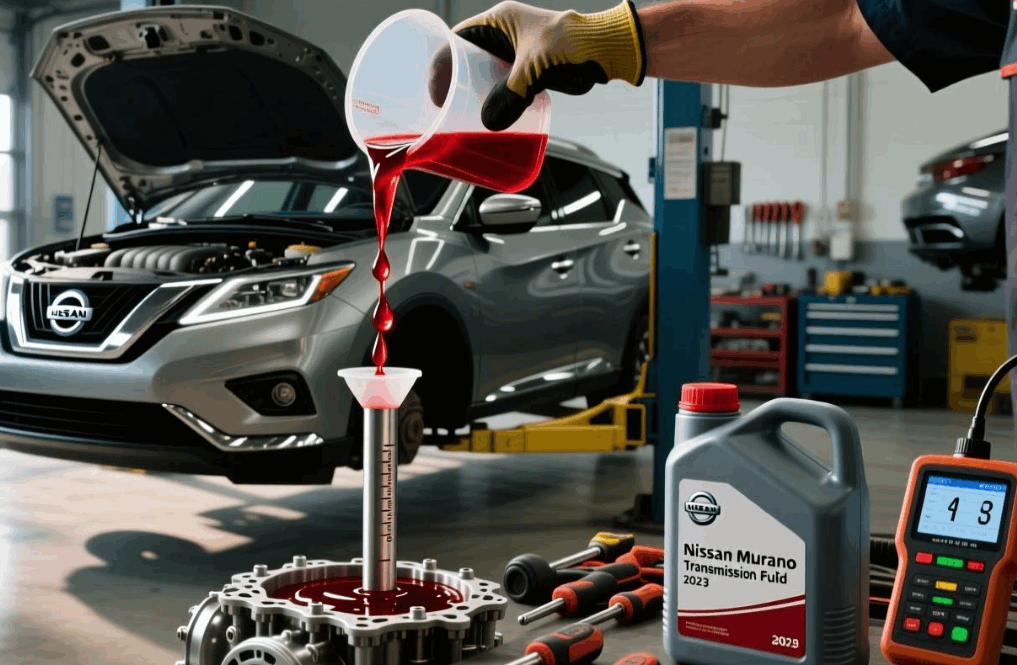
How Much Does a Nissan CVT Transmission Fluid Change Cost?
A Nissan CVT transmission fluid change typically costs between $150 and $350. This price includes new CVT fluid and professional labor. The exact amount varies by vehicle, location, and service provider. A simple service can fall near the lower end of the range. A service that needs more fluid or higher labor rates can approach the upper end.
The fluid itself represents a significant part of the bill. Nissan CVTs require a specific fluid type and a specific amount. Some transmissions use NS 2 compatible fluid, while others require NS 3 compatible fluid. A vehicle that needs more fluid will have a higher parts cost. Fluid prices can also differ between genuine Nissan products and compatible alternatives.
Labor makes up the other major part of the service cost. The technician must drain the old fluid and refill the transmission correctly. The service may also include checking the fluid condition and inspecting for leaks. Labor rates vary by location and repair facility. Nissan dealerships often have different hourly rates from independent repair shops.
A routine fluid change should not be confused with CVT repair. Fluid service focuses on regular transmission maintenance. CVT repair addresses mechanical or internal transmission problems. As a result, major repairs can cost thousands of dollars rather than a few hundred. Comparing these two expenses shows why fluid service belongs in a Nissan owner’s maintenance budget.
What Determines the Cost of a Nissan CVT Fluid Change?
Six main factors determine the cost of a Nissan CVT fluid change. These are the vehicle model, model year, fluid capacity, fluid specification, labor rate, and service provider. Each factor changes either the parts cost or the amount charged for professional service.
The Nissan model and model year help determine the transmission requirements. An Altima may not use the same fluid quantity as a Rogue or Murano. Model year also matters because Nissan has used different CVT designs and fluid specifications. Owners should therefore check the requirements for their exact vehicle instead of relying on a universal Nissan estimate.
Fluid capacity directly affects the parts cost. A transmission that requires more fluid costs more to service at the same price per quart. Fluid specification matters for the same reason. Nissan uses different CVT fluids, including NS 2 and NS 3 specifications. The correct choice depends on the transmission. Owners should confirm the required specification before buying fluid or approving a service.
Labor rates and service providers determine much of the remaining cost. A dealership may charge a higher labor rate than an independent shop. Prices also vary between cities and regions. The service procedure can create another difference in the final bill. For example, extra inspections or related maintenance can increase the total. These factors explain why two Nissan owners can receive different estimates for similar CVT fluid services.
How Much Does a Nissan CVT Fluid Change Cost by Model?
Nissan CVT fluid change costs vary by model because each vehicle can have different fluid and service requirements. The Altima, Rogue, Sentra, Murano, Pathfinder, and Versa are common Nissan models that use CVTs in various model years. Their service prices can differ even when owners use the same repair shop.
Fluid capacity creates one important cost difference between models. A CVT that needs more replacement fluid will have a higher parts cost. The required fluid specification also matters. Depending on the transmission and model year, Nissan may specify NS 2 or NS 3 CVT fluid. Owners should check the correct specification before comparing prices.
| Nissan Model | Typical Cost Range | Main Cost Factors |
|---|---|---|
| Nissan Altima | $150 to $300 | Model year, fluid quantity, labor |
| Nissan Rogue | $180 to $350 | Fluid quantity, specification, labor |
| Nissan Sentra | $150 to $300 | Model year, fluid type, service provider |
| Nissan Murano | $180 to $350 | Fluid capacity, labor, service location |
| Nissan Pathfinder | $180 to $350 | Transmission type, model year, labor |
| Nissan Versa | $150 to $300 | Fluid quantity, model year, labor |
These figures work best as general budgeting ranges rather than fixed prices. The exact transmission matters more than the model name alone. Two vehicles from the same Nissan model line may have different requirements across model years.
Owners should identify the model year and transmission before requesting an estimate. They should also confirm the required fluid specification and service procedure. This approach produces a more useful estimate than comparing prices by vehicle name alone.
Is a Nissan CVT Fluid Change More Expensive at a Dealership?
A Nissan dealership will often charge more for a CVT fluid change than an independent repair shop. The difference mainly comes from labor rates, fluid pricing, and facility costs. However, a lower price does not automatically make an independent shop the better choice.
A dealership offers direct familiarity with Nissan service procedures. Nissan technicians also have access to manufacturer specific service information and diagnostic equipment. The dealership can identify the correct CVT fluid for the vehicle and document the service in its records. These advantages can matter for newer vehicles or owners who prefer manufacturer focused maintenance.
Independent repair shops can offer lower labor rates. A qualified transmission or automotive shop may perform the same routine fluid service for less money. The shop should still use fluid that meets the correct Nissan specification. It should also follow the correct filling and fluid level procedure for that transmission.
Price should therefore remain one factor in the decision rather than the only factor. Owners should compare the total estimate, fluid specification, and included work. They should also ask whether the quoted price includes fluid, labor, and related supplies. A clear estimate makes dealership and independent shop prices easier to compare. The best option combines the correct service procedure with a reasonable total cost.
Does a Nissan CVT Need a Fluid Change or a Transmission Flush?
A Nissan CVT generally needs the fluid service specified for its exact transmission rather than a generic transmission flush. A fluid change and a flush use different procedures. They can also replace different amounts of fluid. Nissan owners should confirm the correct service before approving the work.
A standard fluid change usually drains old CVT fluid and replaces it with fresh fluid. The technician then follows the required procedure to establish the correct fluid level. This service focuses on renewing the transmission fluid without treating the CVT like a conventional automatic transmission.
A transmission flush uses equipment to move a larger amount of fluid through the transmission. This procedure differs from a basic drain and refill. Owners should not assume that a generic automatic transmission flush suits every Nissan CVT. The correct procedure depends on the transmission design, vehicle model, and manufacturer service information.
The service method can also affect the final cost. A basic fluid change may require less fluid and service time. A more extensive procedure may increase both fluid and labor costs. Extra diagnostic work can raise the bill further if the CVT already shows abnormal behavior.
Before approving service, owners should ask what procedure the shop plans to perform. They should also confirm the required CVT fluid specification and total quoted price. These checks help owners compare estimates based on the same service rather than comparing two different procedures.
How Often Should You Change Nissan CVT Transmission Fluid?
The correct Nissan CVT fluid change interval depends on the model, model year, transmission, and operating conditions. Nissan owners should use the maintenance information for their exact vehicle instead of following one universal mileage interval.
Driving conditions can affect how the CVT fluid performs over time. Frequent stop and go traffic places repeated demands on the transmission. High temperatures and heavy vehicle use can also increase thermal stress. Towing or carrying heavy loads may add further strain when the vehicle supports those activities. These conditions make model specific maintenance guidance especially important.
Mileage alone does not provide a complete maintenance decision. Vehicle age, operating conditions, service history, and transmission condition provide additional context. A vehicle with documented CVT maintenance has a different service history from one with unknown maintenance records. Owners should review previous service information when planning future maintenance.
Service frequency also affects long term ownership costs. A CVT fluid change creates a recurring maintenance expense during the life of the vehicle. Delaying required maintenance may reduce short term spending, but it does not remove the transmission’s maintenance requirements.
Check the owner’s manual or Nissan maintenance information for the exact vehicle before scheduling service. Use the model year, transmission type, and driving conditions to determine the appropriate interval. This approach provides a more accurate maintenance plan than applying one mileage figure to every Nissan CVT.
What Are the Signs That Nissan CVT Fluid May Need Attention?
Five signs can indicate that a Nissan CVT fluid or transmission needs inspection. These include unusual shuddering, delayed acceleration, overheating symptoms, abnormal transmission behavior, and dashboard warning lights. These symptoms do not prove that old CVT fluid caused the problem. They indicate that the transmission needs further evaluation.
Shuddering can occur when the vehicle accelerates or travels at certain speeds. A driver may feel vibration through the vehicle as the CVT adjusts its operating ratio. Delayed or unusual acceleration can create another noticeable change. The engine speed may rise while the vehicle responds differently than expected. Both symptoms can have causes beyond fluid condition.
Heat also matters because CVT fluid helps lubricate and cool transmission components. Excessive heat can reduce fluid performance and place more stress on the transmission. A driver may notice changes in vehicle behavior when the transmission becomes too hot. Repeated overheating deserves professional inspection rather than another fluid change without diagnosis.
Dashboard warnings provide a clearer reason to inspect the vehicle. A warning light can indicate a stored fault that requires diagnostic testing. A technician can read the relevant codes and evaluate the transmission before recommending service.
Owners should avoid diagnosing CVT problems from one symptom alone. Old fluid, incorrect fluid level, electrical faults, and mechanical problems can produce overlapping symptoms. A proper inspection helps separate routine fluid maintenance from a transmission fault. This distinction prevents owners from treating a serious CVT problem as a simple fluid service.
How Much Does It Cost to Change Nissan CVT Fluid Yourself?
A DIY Nissan CVT fluid change mainly costs the price of fluid, supplies, and any tools the owner does not already have. Removing professional labor can reduce the total expense. However, the actual savings depend on the vehicle and the equipment required for the procedure.
CVT fluid usually represents the largest recurring DIY expense. The required quantity varies by transmission and service procedure. Owners must also purchase fluid that meets the correct Nissan specification. Depending on the model and year, the transmission may require NS 2 or NS 3 compatible fluid. Buying the wrong fluid to reduce costs can create unnecessary transmission risk.
Additional expenses can include a drain plug washer, measuring equipment, filling tools, and a suitable drain container. An owner who already maintains vehicles may have most of these items. A first time DIY service can cost more because the required tools increase the initial expense. Used CVT fluid also requires proper collection and disposal.
The procedure matters as much as the parts price. Owners need to drain and refill the correct amount of fluid. They must also establish the proper fluid level according to the transmission’s service procedure. An incorrect level can affect transmission operation.
DIY service therefore offers the greatest financial advantage to owners with suitable tools and mechanical experience. Other owners may gain more value from professional service. Compare the complete DIY expense with a shop estimate before choosing between them. The comparison should include fluid, supplies, tools, disposal, and the risk of correcting an improper service.
Is Changing Nissan CVT Fluid Worth the Cost?
A Nissan CVT fluid change is generally worth the cost when the vehicle requires the service. Routine fluid maintenance costs far less than major CVT repair or replacement. However, a fluid change cannot repair worn or damaged transmission components.
CVT fluid performs several important functions inside the transmission. It provides lubrication and helps manage heat during operation. It also supports the hydraulic functions required by the transmission design. Fluid condition therefore forms part of normal CVT maintenance.
The value of the service also depends on the vehicle. Mileage, age, maintenance history, and current CVT condition all affect the decision. Regular service makes more sense when an owner plans to keep the vehicle for several years. A vehicle with existing transmission problems may need diagnosis before any routine fluid service.
Owners should also consider the difference between maintenance and repair costs. A fluid change usually represents an expense of a few hundred dollars. Major transmission work can reach thousands of dollars. This difference makes routine maintenance a relatively small part of total vehicle ownership costs.
However, owners should not treat a fluid change as insurance against CVT failure. Fresh fluid cannot reverse mechanical wear or repair damaged internal parts. It also cannot correct every cause of shuddering, overheating, or abnormal acceleration.
The best approach is to follow the maintenance requirements for the exact Nissan model and transmission. Owners should use the correct fluid and service procedure. They should also investigate existing CVT symptoms before assuming that fresh fluid will solve them. This approach gives the service clear maintenance value without overstating what a fluid change can accomplish.
How Should Nissan Owners Budget for a CVT Fluid Change?
Nissan owners should generally budget about $150 to $350 for a professional CVT fluid change. The actual price depends on the vehicle and service location. Fluid quantity, fluid specification, labor rates, and the service provider create the main cost differences.
Start by identifying the exact Nissan model, model year, and transmission. Next, confirm the required CVT fluid specification. Nissan vehicles may require NS 2 or NS 3 compatible fluid, depending on the transmission. The correct specification matters more than choosing fluid based only on price.
Owners should also compare complete service estimates. Ask whether the quoted price includes CVT fluid, labor, supplies, and inspections. This makes it easier to compare a Nissan dealership with an independent repair shop. It also prevents a low initial quote from hiding additional service costs.
Routine CVT fluid service remains a maintenance expense rather than a transmission repair. Fresh fluid cannot repair mechanical damage or guarantee that a CVT will never fail. However, proper fluid service supports the transmission’s normal lubrication, cooling, and hydraulic functions.
Use the maintenance information for the exact vehicle when planning the service. Check the required fluid, recommended procedure, and applicable service interval. This approach helps Nissan owners budget accurately while avoiding unnecessary or incorrect CVT service.