
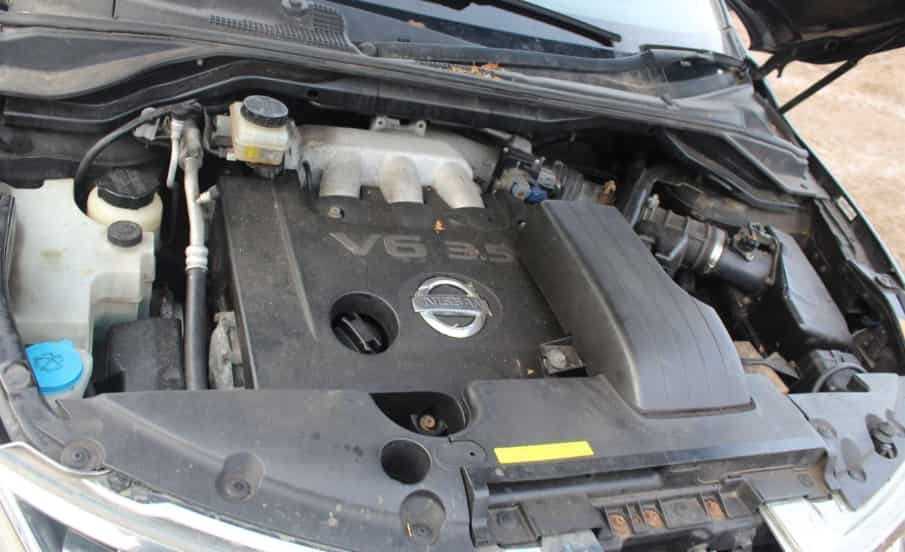
The Nissan Murano equipped with the 3.5L V6 engine has long been recognized as a balanced combination of comfort, performance, and everyday usability. This engine, commonly known as the VQ35 series, has powered many Nissan models and built a reputation for smooth power delivery and strong highway performance. However, like many high mileage V6 engines, it is not completely free from mechanical issues over time.
Many owners begin searching for Nissan Murano 3.5 Engine Problems when they notice unusual engine behavior such as rough idling, increased oil consumption, or warning lights appearing on the dashboard. While these symptoms can be concerning, they often develop gradually and are usually the result of wear and maintenance history rather than sudden catastrophic failure.
Understanding how this engine behaves over time is essential for both current owners and potential buyers. Some issues are minor and inexpensive to fix, while others can become costly if ignored. The key is early detection and proper diagnosis, which can significantly extend engine lifespan and reduce long term repair costs.
In this article, you will learn about the most common Nissan Murano 3.5 Engine Problems, the symptoms that indicate early warning signs, the root causes behind these issues, and the real repair costs you should expect. You will also discover practical and proven fixes that help prevent major engine damage and improve long term reliability.
By the end, you will have a clear understanding of how this engine performs in real world conditions and whether it is still a reliable choice for daily driving or used car purchasing decisions.
What Engine Does the Nissan Murano 3.5 Use?
The Nissan Murano 3.5 uses a 3.5 liter V6 engine from Nissan’s VQ engine family. Most models use the VQ35DE engine, while some later versions use the VQ35HR. Nissan designed this engine for smooth power delivery and long term durability in mid size SUVs.
This engine produces around 240 to 265 horsepower depending on the model year. It gives the Murano enough power for daily driving, highway cruising, and light towing. Drivers often choose this engine because it feels responsive and stable in different driving conditions.
Nissan built the engine with an aluminum block and aluminum cylinder heads. This design reduces weight and improves fuel efficiency. The engine also uses a timing chain instead of a timing belt. This setup removes the need for regular belt replacement and lowers maintenance requirements over time.
However, the timing chain system still wears down under certain conditions. Poor oil maintenance often speeds up this wear. When drivers skip oil changes or use low quality oil, the chain tensioners and guides can fail earlier than expected.
The VQ35 engine also delivers strong mid range torque. This helps the Murano accelerate smoothly in city traffic and on highways. Most versions pair this engine with a CVT transmission. This combination improves fuel economy and keeps power delivery consistent.
Even though Nissan designed this engine for reliability, maintenance plays a major role in its lifespan. Regular oil changes, proper cooling system care, and timely repairs help prevent most Nissan Murano 3.5 Engine Problems.
Is the Nissan Murano 3.5 Engine Reliable?
The Nissan Murano 3.5 engine is generally considered reliable when owners maintain it properly. Nissan designed this V6 engine for long term use, and many examples reach high mileage without major internal failure. In normal conditions, the engine performs well in daily driving, highway travel, and mixed urban use.
Many drivers report that the engine can last between 200,000 and 250,000 miles when they follow a consistent maintenance schedule. Some engines even exceed this range when owners use high quality oil and service the vehicle on time. The VQ35 engine family has a strong reputation for durability across several Nissan and Infiniti models, which supports its overall reliability rating.
However, reliability depends heavily on maintenance habits. This engine reacts quickly to poor oil care. Long oil change intervals or low quality oil often lead to issues such as sludge buildup, increased friction, and accelerated wear on internal components. Over time, these conditions can contribute to Nissan Murano 3.5 Engine Problems such as oil consumption, timing chain wear, and sensor failures.
The cooling system also plays an important role in engine health. When the engine runs hot due to a weak radiator, failing water pump, or old coolant, internal parts experience additional stress. This can reduce engine life and increase repair frequency.
While the engine is not perfect, most of its problems are preventable. Drivers who maintain regular oil changes, inspect the cooling system, and address warning signs early usually experience fewer serious failures. In contrast, neglected engines tend to develop multiple issues at higher mileage.
Overall, the Nissan Murano 3.5 engine offers solid reliability for its class. It is not a problem free engine, but it remains durable and capable when owners treat it with proper care and maintenance discipline.
Common Nissan Murano 3.5 Engine Problems
The Nissan Murano 3.5 engine develops several common problems as the vehicle ages and mileage increases. Most issues do not appear suddenly. They build up slowly due to heat cycles, wear, and maintenance habits. Early detection helps reduce repair costs and prevents serious engine damage.
One of the most common Nissan Murano 3.5 Engine Problems is excessive oil consumption. Many owners notice the engine uses more oil than expected between oil changes. The oil level drops without clear external leaks. This often comes from worn piston rings or valve seals. Long oil change intervals can make the condition worse. If the engine runs low on oil, internal parts experience higher friction and long term damage becomes more likely.
Timing chain wear is another issue that appears in higher mileage vehicles. The Murano 3.5 uses a timing chain instead of a timing belt, so it should last a long time. However, tensioners and guides can wear out. When this happens, the engine may produce a rattling noise during startup or acceleration. Poor oil quality or delayed oil changes often speed up this wear. If the timing system becomes unstable, engine performance may drop.
Oil leaks are also common in older Murano engines. These leaks often come from valve cover gaskets, oil pan gaskets, or rear main seals. Drivers may see oil stains under the vehicle or smell burning oil after driving. Heat and aging rubber parts are the main causes. Small leaks can grow over time if not repaired early.
Ignition coil failure is another frequent problem. When coils fail, the engine may misfire, idle roughly, or lose power during acceleration. Fuel consumption may also increase. Heat and age usually cause coil degradation, especially in high mileage engines.
Additional Nissan Murano 3.5 Engine Problems
Beyond the most common issues, the Nissan Murano 3.5 engine can also develop several sensor and heat related problems as it ages. These issues often create confusing symptoms because they do not always point to a single failure. Instead, they affect engine performance, fuel efficiency, and drivability in different ways.
Sensor failures are relatively common in this engine. The mass air flow sensor can become dirty or fail, which affects how the engine calculates air and fuel mixture. When this happens, the engine may hesitate, idle unevenly, or lose power during acceleration. Camshaft and crankshaft position sensors can also fail over time. These sensors control ignition timing, so when they malfunction, the engine may stall or struggle to start. In many cases, the check engine light appears as the first warning sign.
Engine overheating is another serious issue that can contribute to Nissan Murano 3.5 Engine Problems. A failing thermostat, weak water pump, or clogged radiator can reduce cooling efficiency. When the engine runs hotter than normal, internal components experience extra stress. Over time, this can lead to gasket damage, oil breakdown, and reduced engine lifespan. Drivers may notice rising temperature gauges or coolant loss when this problem develops.
Unusual engine noise is also a warning sign that should not be ignored. Some owners report knocking, ticking, or rattling sounds, especially during cold starts. These noises often point to timing chain wear, low oil pressure, or internal component wear. While not every noise means major failure, it always indicates that the engine needs inspection.
The check engine light is another frequent symptom across many of these issues. It does not identify the exact problem on its own, but it signals that the engine control system has detected an abnormal condition. Reading diagnostic codes is necessary to find the real cause.
Symptoms You Should Never Ignore
The Nissan Murano 3.5 engine usually shows warning signs before serious problems develop. These symptoms often appear gradually, which makes them easy to overlook. However, ignoring them can lead to more expensive Nissan Murano 3.5 Engine Problems and even long term engine damage.
One of the most important symptoms is rough idle. When the engine runs unevenly at a stop, it often indicates issues with ignition coils, spark plugs, or air fuel mixture imbalance. The vehicle may shake slightly or feel unstable while idling, especially when the engine is cold.
Poor acceleration is another clear warning sign. If the engine feels weak or slow when pressing the gas pedal, it may be dealing with timing issues, clogged sensors, or fuel delivery problems. This symptom often becomes more noticeable during highway merging or overtaking.
Blue exhaust smoke is a serious indicator of oil burning inside the engine. This usually connects to worn piston rings or valve seals. When oil enters the combustion chamber, it burns along with fuel and produces visible smoke. This condition should not be ignored because it often points to internal wear.
A burning oil smell can also appear during driving. This usually happens when oil leaks reach hot engine surfaces. Even small leaks can create a strong odor and signal developing gasket or seal failure.
Loss of engine power and higher fuel consumption are also common symptoms. When the engine struggles internally, it compensates by using more fuel while delivering less performance. This often indicates multiple small issues working together rather than a single failure.
Finally, unusual engine noises such as ticking, knocking, or rattling should always be inspected. These sounds often reveal early mechanical wear that can worsen quickly if ignored.
What Causes These Engine Problems
Most Nissan Murano 3.5 Engine Problems do not come from a single defect. They usually develop from a combination of driving habits, maintenance history, and natural engine wear over time. Understanding the root causes helps owners prevent expensive repairs and extend engine lifespan.
One of the main causes is poor maintenance. When owners delay oil changes or skip scheduled services, engine oil loses its ability to lubricate and protect internal parts. This increases friction and accelerates wear on components such as timing chain guides, piston rings, and valve seals. Over time, this leads to multiple performance issues.
Extended oil change intervals are another major factor. Even though modern oils last longer, the VQ35 engine still depends heavily on clean oil flow. When oil becomes dirty or degraded, it cannot protect moving parts effectively. This often contributes to noise, oil consumption, and sensor related problems.
Low quality engine oil also plays a role. Using oil that does not meet Nissan specifications can reduce engine protection. In high heat conditions, poor oil breaks down faster and increases sludge formation inside the engine. This buildup can block oil passages and reduce overall lubrication efficiency.
High mileage wear is unavoidable, but it accelerates certain failures. As the engine ages, seals become harder, metal parts wear down, and tolerances increase. This natural wear process often leads to oil leaks, reduced compression, and weaker performance.
Aggressive driving habits also contribute to engine stress. Frequent hard acceleration, high RPM driving, and sudden load changes increase heat and pressure inside the engine. Over time, this reduces component lifespan and increases the chance of mechanical failure.
Cooling system neglect is another important cause. When coolant is old or components like the radiator and water pump fail, the engine runs hotter than designed. Excess heat damages seals, weakens oil quality, and accelerates internal wear.
Repair Costs for Nissan Murano 3.5 Engine Problems
Repair costs for Nissan Murano 3.5 Engine Problems can vary widely depending on the severity of the issue, labor rates, and model year. Some repairs are relatively affordable, while others can become expensive if the damage spreads or is detected late.
Oil leak repairs are usually on the lower to moderate cost range. Replacing a valve cover gasket or oil pan gasket often costs a few hundred dollars depending on labor charges. However, if leaks are ignored, oil loss can lead to more serious engine damage, which increases total repair expenses significantly.
Timing chain replacement is one of the most expensive repairs for this engine. The job requires significant labor because many engine components must be removed to access the timing system. In most cases, the cost can range from moderate to high, especially if tensioners, guides, and related parts are replaced together. Early detection of timing chain noise helps reduce overall repair cost.
Ignition coil replacement is more affordable compared to internal engine repairs. Each coil is relatively inexpensive, but labor and multiple coil replacements can increase the total cost. Many owners choose to replace spark plugs at the same time to improve efficiency and avoid repeat labor.
Sensor related repairs such as mass air flow sensors, camshaft sensors, or crankshaft sensors are typically moderate in cost. These parts are not extremely expensive, but diagnostic time and labor can add to the final bill.
Cooling system repairs, including water pump or thermostat replacement, fall into a mid range cost category. However, if overheating leads to head gasket damage, repair costs can increase significantly.
In the worst case scenario, complete engine replacement becomes necessary. This is the most expensive option and usually occurs when multiple internal failures happen at once or when damage is ignored for too long. At that stage, replacement or a rebuilt engine may be more practical than individual repairs.
How to Prevent Nissan Murano 3.5 Engine Problems
Preventing Nissan Murano 3.5 Engine Problems is much easier and cheaper than repairing them. Most major engine issues develop because of neglect or inconsistent maintenance, not because of design failure. A disciplined maintenance routine can significantly extend engine life and improve long term reliability.
Regular oil changes are the most important factor. The VQ35 engine depends heavily on clean oil to protect internal components. Changing engine oil at proper intervals helps reduce friction, prevent sludge buildup, and protect the timing chain system. Using high quality synthetic oil that meets Nissan specifications also improves engine stability under heat and load.
Maintaining the cooling system is equally important. The engine performs best when it operates within a stable temperature range. Drivers should check coolant levels regularly and replace old coolant according to the service schedule. Components such as the radiator, thermostat, and water pump should also be inspected to ensure proper cooling performance.
Early diagnosis of warning signs helps prevent small issues from becoming major repairs. Symptoms like rough idle, unusual engine noise, or reduced power should be checked immediately. Reading diagnostic trouble codes can help identify sensor or ignition related problems before they affect engine performance further.
Replacing worn components early also reduces long term repair costs. Ignition coils, spark plugs, and sensors naturally degrade over time. Addressing these parts before they fail completely helps maintain smooth engine operation and fuel efficiency.
Careful driving habits also play a role in engine longevity. Avoiding frequent hard acceleration and allowing the engine to warm up properly reduces stress on internal parts. Consistent driving behavior helps maintain stable engine conditions over time.
Conclusion
The Nissan Murano 3.5 engine delivers a strong balance of performance, comfort, and long term usability when it is properly maintained. It is widely used because it provides smooth power delivery, stable highway performance, and a generally solid driving experience for a mid size SUV. However, like any high mileage V6 engine, it is not completely free from wear related issues over time.
Most Nissan Murano 3.5 Engine Problems such as oil consumption, timing chain wear, sensor failures, and minor oil leaks usually develop gradually. These problems rarely appear all at once. Instead, they build up due to aging components, driving conditions, and especially maintenance habits. When owners ignore early warning signs, small issues can grow into expensive repairs.
The key to long term reliability is consistent maintenance. Regular oil changes with the correct specification oil, proper cooling system care, and timely replacement of wear parts help the engine perform at its best. Early diagnosis also plays an important role because it allows drivers to fix small problems before they affect major engine components.
For buyers considering a used Nissan Murano, maintenance history is more important than mileage alone. A well maintained engine can last well beyond 200,000 miles, while a neglected one may develop multiple issues much earlier.
Overall, the Nissan Murano 3.5 engine remains a dependable option when treated with proper care, attention, and preventive maintenance.