
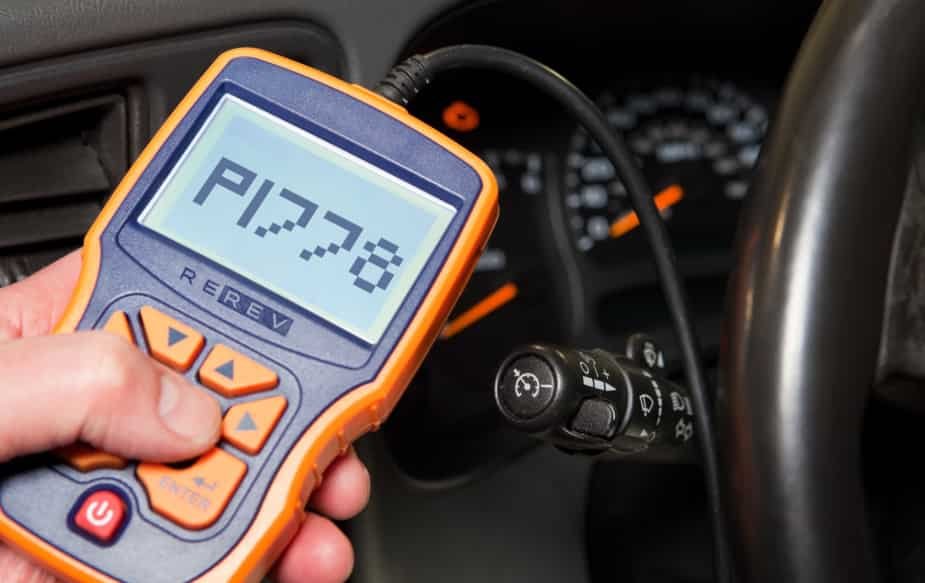
The Nissan P1778 Code often appears when there is a problem inside the CVT transmission system. Many drivers first notice it through a warning light or an OBD2 scan, and it usually comes without clear explanation. This situation creates confusion and concern because the vehicle may still run, but not normally.
In most cases, this code points to an issue with the CVT step motor. This component controls how the transmission adjusts power and gear ratio. When it fails or becomes unstable, the transmission cannot respond correctly to driving conditions. As a result, the car may lose power, hesitate, or switch into limp mode to protect itself.
This issue matters because CVT systems depend on precise electronic and hydraulic control. Even a small malfunction can affect the whole driving experience. If drivers ignore the Nissan P1778 Code, the transmission damage can grow over time and lead to expensive repairs.
This guide explains the meaning of the code, the main causes, common symptoms, and the most effective ways to fix it.
What Does Nissan P1778 Code Mean
The Nissan P1778 Code is a transmission related diagnostic trouble code found in many Nissan vehicles that use CVT systems. It signals a problem with the CVT step motor, which controls the movement of internal pulleys inside the transmission. This control is essential because it manages how power transfers from the engine to the wheels.
The step motor adjusts the pulley ratio based on driving conditions. When it works correctly, the vehicle delivers smooth acceleration and stable performance. When it fails or becomes unstable, the transmission cannot adjust ratios as needed. This causes poor shifting behavior, reduced efficiency, and abnormal driving response.
The transmission control module monitors this system continuously. When it detects incorrect movement or no response from the step motor, it stores the P1778 code. This action helps protect the transmission from further damage by alerting the driver early.
In technical terms, the issue may come from mechanical sticking inside the step motor, electrical failure, or poor communication between the step motor and the control module. Because the CVT system relies on precise control, even a small disruption can trigger this code.
Understanding this definition is important because it helps drivers avoid confusion. Many people mistake this issue for general engine failure, but the root cause usually comes from the CVT transmission system itself.
Symptoms of Nissan P1778 Code
When the Nissan P1778 Code appears, the vehicle usually shows clear changes in driving behavior. These signs often develop gradually, but they can also appear suddenly depending on the condition of the CVT system.
One of the most common symptoms is weak acceleration. The car may feel slow to respond when you press the gas pedal. This often becomes more noticeable during uphill driving or when you try to overtake another vehicle.
Another key symptom is transmission hesitation. The vehicle may delay its response when shifting speed or may not deliver smooth power flow. This creates a feeling of uneven driving and reduced control.
Many drivers also report jerking or vibration during acceleration. This happens because the CVT system cannot adjust the pulley ratio correctly. As a result, power delivery becomes unstable and inconsistent.
Limp mode is another serious symptom. In this mode, the system limits engine power to protect the transmission. The car may feel restricted and cannot accelerate normally. This is often accompanied by a warning light on the dashboard.
In some cases, engine RPM increases without a matching increase in vehicle speed. This is a strong sign that the CVT transmission is not transferring power efficiently. It often indicates that the step motor or internal transmission components are not working as intended.
These symptoms should not be ignored because they usually indicate that the transmission system is under stress and needs immediate attention.
Causes of Nissan P1778 Code
The Nissan P1778 Code appears when the CVT transmission system detects abnormal behavior in the step motor or related components. Several underlying issues can trigger this condition, and most of them are connected to mechanical wear, hydraulic problems, or electrical faults.
One of the most common causes is a failing CVT step motor. This component works continuously to adjust pulley positions inside the transmission. Over time, internal wear or sticking parts can prevent it from moving correctly. When this happens, the transmission control module detects irregular movement and sets the P1778 code.
Another frequent cause is contamination inside the valve body. Dirty or degraded CVT fluid can block small hydraulic passages. This reduces pressure control accuracy and affects how the step motor operates. As a result, the system cannot maintain proper transmission performance.
Electrical problems can also trigger this code. Damaged wiring, loose connectors, or poor signals between the step motor and the transmission control module can disrupt communication. When the system receives incorrect or missing signals, it logs the fault immediately.
In some cases, the issue comes from outdated or malfunctioning transmission control module software. When calibration is off, the system may misinterpret normal behavior as a failure. This leads to false or intermittent P1778 codes.
Poor maintenance is another major factor. Old CVT fluid loses its ability to maintain proper hydraulic pressure. This increases internal friction and raises the risk of step motor malfunction. Over time, this can significantly reduce transmission performance and trigger the code.
All these causes are closely linked to the CVT system’s sensitivity. Even small issues can affect the entire transmission behavior and lead to this error code appearing.
Diagnosis Process for Nissan P1778 Code
The diagnosis of the Nissan P1778 Code requires a structured and careful approach. This helps identify whether the issue comes from the step motor, valve body, electrical system, or transmission fluid condition.
The first step is to scan the vehicle using an OBD2 scanner. This confirms the presence of the P1778 code and checks for any additional transmission related codes. These extra codes often provide important clues about the root cause.
Next, technicians review live data from the CVT system. This allows them to observe how the step motor responds under different driving conditions. If the movement appears irregular or unresponsive, it often indicates a mechanical or electrical fault.
A resistance test is also performed on the step motor. This test checks whether the component operates within the correct electrical range. If the readings fall outside the normal range, the step motor is likely failing and needs replacement.
The valve body is another key inspection point. Technicians look for contamination, blockage, or signs of wear. Even small amounts of dirt inside the hydraulic system can affect pressure control and trigger transmission errors.
Transmission fluid condition is also evaluated. Burnt or dirty CVT fluid often signals internal wear. Clean and healthy fluid is essential for maintaining proper hydraulic pressure inside the transmission system.
This step by step process helps isolate the exact cause of the Nissan P1778 Code and prevents unnecessary part replacement.
How to Fix Nissan P1778 Code
Fixing the Nissan P1778 Code depends on the exact cause found during diagnosis. Each solution targets a specific part of the CVT transmission system, and the repair approach can range from simple maintenance to major component replacement.
In some cases, the issue is related to software or temporary control errors. A transmission control module reset or reprogramming may help restore normal operation. This process allows the system to relearn correct parameters and remove false error readings.
If the CVT step motor is defective, replacement becomes necessary. This component plays a key role in controlling pulley movement, so failure directly affects transmission performance. Installing a new step motor often restores proper shifting behavior and power delivery.
When the valve body is contaminated, cleaning or replacement may solve the problem. Dirt and debris inside the hydraulic channels can block fluid flow and reduce pressure control accuracy. Restoring clean hydraulic pathways helps the CVT system function correctly again.
Transmission fluid service is also an important repair step. Replacing old or degraded CVT fluid improves lubrication and hydraulic pressure stability. This simple maintenance action can significantly improve transmission response in early stage cases.
In severe situations where internal damage has already occurred, a full transmission rebuild may be required. This is usually the last option when other repairs cannot restore proper function.
Early repair is important because it prevents the issue from spreading and reduces overall repair costs.
Repair Cost Overview for Nissan P1778 Code
The repair cost for the Nissan P1778 Code can vary widely depending on the root cause of the problem and the condition of the CVT transmission system. Small issues can be fixed at a relatively low cost, while internal transmission damage can become expensive.
If the issue is related to transmission fluid, the cost is usually the lowest. A CVT fluid change or service typically involves moderate labor and fluid expenses. This repair can help in early stage cases where performance has just started to decline.
When the CVT step motor needs replacement, the cost increases. This part is more complex and requires proper installation and calibration. Labor time also adds to the total expense, especially in modern Nissan CVT systems.
If the valve body is the source of the problem, repair or replacement becomes more expensive. This component controls hydraulic pressure inside the transmission, so precision work is required. Contamination or internal wear often leads to higher repair costs.
In severe cases where the transmission is heavily damaged, a full CVT rebuild or replacement may be necessary. This is the most expensive scenario and usually happens when the issue has been ignored for a long time.
Overall, early diagnosis plays a major role in reducing repair costs. Addressing the Nissan P1778 Code quickly can prevent escalation and help avoid major transmission replacement.
Prevention Tips
Preventing the Nissan P1778 Code starts with proper care of the CVT transmission system. Regular maintenance plays the most important role because CVT components are highly sensitive to fluid condition and pressure stability.
One of the most effective prevention steps is changing CVT fluid on time. Clean transmission fluid helps maintain proper hydraulic pressure and reduces internal wear. Old or degraded fluid increases friction and raises the risk of step motor problems.
Driving habits also have a strong impact on transmission health. Smooth acceleration and avoiding sudden throttle input can reduce stress on the CVT system. Consistent driving behavior helps the step motor and valve body operate more smoothly over time.
It is also important to avoid overheating the transmission. Long periods of heavy load, such as towing or aggressive driving, can increase internal temperature. High heat accelerates wear and reduces the efficiency of hydraulic components.
Early scanning is another useful habit. Checking the vehicle with an OBD2 scanner when unusual behavior appears can help detect issues before they become serious. Early detection often prevents costly repairs.
By following these simple practices, drivers can extend the lifespan of the CVT system and reduce the risk of encountering the Nissan P1778 Code in the future.
Conclusion
The Nissan P1778 Code is a clear warning that the CVT transmission system is not working as expected. In most cases, it relates to problems with the step motor, valve body, or transmission control system. While the vehicle may still run, its performance often drops noticeably when this code appears.
Understanding the symptoms early helps drivers avoid serious damage. Weak acceleration, hesitation, and limp mode are strong signs that the transmission is under stress. These signals should not be ignored because CVT systems depend on precise control and stable hydraulic pressure.
The causes of this code often come from a mix of mechanical wear, electrical issues, and poor fluid condition. This means proper diagnosis is essential before any repair is made. Replacing parts without confirming the root cause can lead to unnecessary cost.
In many cases, early action can prevent expensive transmission failure. Simple maintenance like fluid service or step motor replacement can restore normal function if the issue is caught in time.
Overall, the Nissan P1778 Code should be treated as an early warning rather than a minor fault. Quick diagnosis and timely repair are the best ways to protect the transmission and keep the vehicle running reliably.