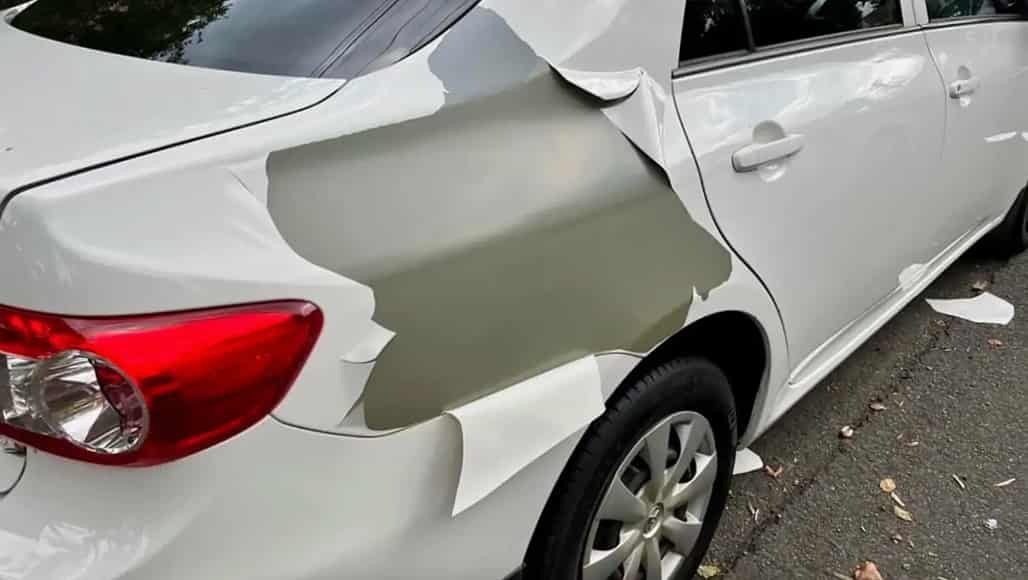
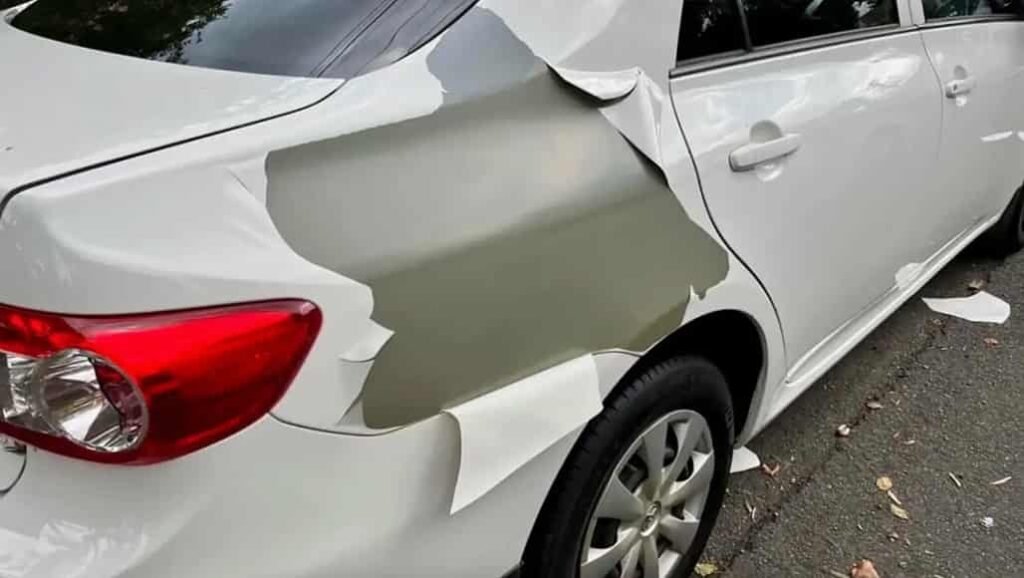
Many Nissan owners begin to notice small cracks on the surface of their vehicle paint and quickly wonder why the paint is peeling and whether the Nissan Paint Peeling Warranty will actually cover the problem. The issue can appear unexpectedly. A spot on the hood begins to fade, the clear coat starts flaking on the roof or a large patch of color lifts away after exposure to intense sunlight. When this happens most owners face the same stressful question. Will Nissan accept responsibility or will the repair cost come directly out of pocket.
Paint repair is often expensive because a professional refinish requires stripping the affected area, matching the original color and blending the new coat across surrounding panels. For many drivers this cost is a major concern and it becomes even more frustrating when different dealerships give different answers about warranty eligibility. Some owners report easy approval while others describe immediate rejection with very little explanation.
This article provides a full coverage breakdown of the Nissan Paint Peeling Warranty along with real world outcomes shared by Nissan owners. You will learn what the warranty truly includes, when it applies, why peeling happens, how to file a claim correctly and what to expect if your vehicle is evaluated at a dealership.
What the Nissan Paint Peeling Warranty Actually Covers
Many Nissan owners assume the Nissan Paint Peeling Warranty protects every type of paint loss. This belief creates confusion because the warranty does not work that way. Nissan only supports paint repairs when the problem comes from a factory mistake. The company considers paint a part of the vehicle finish and reviews each case to confirm the true cause.
A valid claim usually starts with a simple pattern. The paint lifts cleanly from the metal surface. The edges look smooth. The peeling spreads without signs of scratches or chemical stains. These signs show that the bond between the primer, color coat and clear coat did not form correctly at the factory. When a technician sees this pattern the claim often moves forward.
Several situations fall outside warranty protection. Environmental damage sits at the top of this list. Bird droppings can burn through the clear coat. Road salt can weaken the surface. Tree sap can create sticky spots that trap heat. Strong cleaning chemicals can strip the finish. None of these issues qualify for coverage because outside elements caused them. Stone chips from highway driving also fail to qualify. Fading from sun exposure usually falls in the same category.
If you want a strong claim you need clear evidence. Take photos of the first signs of failure. Record where the peeling began. Keep notes about washing routines and parking conditions. These details help the service advisor understand what happened. They also show that you maintain your vehicle responsibly. When the information looks complete the dealership can evaluate your Nissan Paint Peeling Warranty claim with more confidence.
Why Nissan Paint Peels. Technical and Environmental Causes
Nissan owners often notice peeling on the hood, roof or trunk long before they expect any paint damage. The problem usually starts small. A thin line appears on the clear coat. The line grows into a bubble. The bubble breaks and exposes the base layer. Once this process begins it rarely stops and many owners feel frustrated because the damage spreads quickly.
Several technical factors can trigger the first stage of peeling. In some cases the factory primer does not bond well with the metal surface. When this bond weakens the color coat lifts under heat. The clear coat can also lose strength if the mixture or application is not perfectly balanced. A thin clear coat cannot protect the layers underneath and the finish begins to fail. These technical issues often appear on vehicles that spend a lot of time under direct sunlight.
Climate also plays a major role. Intense ultraviolet light heats the paint and expands the surface. When the temperature drops the surface contracts. This cycle repeats every day and the constant stress speeds up deterioration. Coastal areas add another challenge. Salt in the air settles on the paint and creates tiny points of corrosion. The clear coat slowly weakens around those points and peeling becomes more likely.
Owner reports show that certain models experience this problem more often. Many comments come from Altima and Rogue drivers. Sentra and Pathfinder owners also share similar experiences. Lighter colors like Pearl White seem to show the issue sooner because the contrast makes every chip more visible.
Understanding these causes helps owners respond quickly. Early action such as regular washing and inspection can slow the process and support future warranty claims.
How to File a Nissan Paint Peeling Warranty Claim Step by Step
Filing a Nissan Paint Peeling Warranty claim becomes much easier when you follow a clear process. Many owners feel lost because each dealership handles claims differently. A simple plan removes that confusion and improves your chances of success.
Start by documenting the damage. Take clear photos in natural light. Capture wide shots and close shots. Show where the peeling began and how far it has spread. If you can film a short video, do it. Video helps the advisor understand the pattern of failure in a way that photos cannot match.
Next gather your maintenance records. Nissan wants to see that you care for your vehicle. Regular washing, waxing and service visits show responsible ownership. If you park in a garage or shaded area make a note of that as well. These details support your argument that the damage did not come from neglect.
Now schedule a visit with the service department. When you arrive explain the timeline of the problem. Describe the first moment you noticed the issue. Explain how quickly it grew. Stay calm and direct. Service advisors respond better to clear information than emotional frustration.
Ask the advisor to review the photos and inspect the vehicle. If the peeling shows a clean lift or begins from an area with no impact marks the claim may carry more weight. If the advisor needs time to send the information to a regional manager stay patient and ask for an expected update.
You can also visit a second dealership if the first location refuses to submit your claim. Some owners receive better results because different advisors interpret the symptoms differently.
A structured approach increases the likelihood that your Nissan Paint Peeling Warranty claim receives a fair review.
Real World Outcomes. Approval Rates, Denials and Owner Experiences
Nissan owners often share very different experiences when they file a Nissan Paint Peeling Warranty claim. Some drivers report fast approval while others face repeated denials. These mixed results create frustration and make the process feel unpredictable.
Many successful claims follow a similar pattern. The paint lifts cleanly from the metal. The edges show no signs of scratches or chemical spots. The damage spreads across a large area in a short period of time. When owners present clear photos and a simple timeline of events, advisors can confirm the symptoms more easily. This clarity leads to faster decisions and in many cases full coverage.
Other owners describe a more difficult path. Their dealerships link the peeling to environmental exposure. They say the sun burned the clear coat. They point to bird droppings or tree sap on nearby panels. They claim road salt weakened the finish. When advisors reach these conclusions the claim rarely moves forward. Some owners try a second dealership and receive a more favorable opinion. This shows how much the outcome depends on the person who evaluates the vehicle.
Several owners report partial assistance. In these cases Nissan pays for one or two panels and the owner pays for the rest. This solution reduces the cost but still creates pressure because a full repaint can exceed many household budgets.
These real world outcomes teach an important lesson. Strong documentation matters. A calm explanation matters. Visiting more than one dealership may also help. When you gather clear evidence and communicate your situation with confidence you improve your chances of receiving fair support through the Nissan Paint Peeling Warranty.
Cost to Repair Paint Peeling Without Warranty
Repairing paint peeling without the Nissan Paint Peeling Warranty can place real financial pressure on many owners. The cost changes based on the size of the damaged area, the quality of the paint shop and the color of the vehicle. Pearl White and other multi stage colors often cost more because the painter must match several layers to achieve the correct look.
Most repairs begin with a single panel. A small section on the hood or roof may start at a moderate price, but the cost rises once the peeling spreads. A professional shop usually sands the entire panel, applies primer, sprays the color coat and finishes the job with a clear coat. A single panel can cost as much as a short vacation trip for a small family. Many owners feel surprised when they receive the estimate because the numbers rise quickly.
A full repaint costs far more. Shops need extra time to remove trim pieces, prepare every surface and apply several layers across the entire vehicle. The price often climbs into a range that many households cannot manage easily. Owners who drive older vehicles sometimes decide that a full repaint does not make financial sense.
Some people choose alternatives to reduce the cost. A vinyl wrap can hide the peeling and provide a new look at a lower price, although it does not fix the original problem. Others search for smaller independent shops that offer better pricing. These options help, but they still require planning and careful expectations.
Understanding the true cost of paint repairs helps owners make better decisions. It also highlights the value of filing a Nissan Paint Peeling Warranty claim early before the damage spreads and becomes too expensive to manage alone.
Preventing Future Paint Peeling on Nissan Vehicles
Many Nissan owners want to slow paint deterioration before peeling begins. A few simple habits can make a clear difference and reduce long term repair costs. These habits also help you build stronger evidence if you ever need to file a Nissan Paint Peeling Warranty claim.
Regular washing plays a major role. Dirt, salt and pollutants sit on the paint and weaken the clear coat over time. A gentle wash once a week keeps the surface clean and reduces stress on the finish. If you live near the coast you should wash even more often because salt from the air settles on the paint every day.
Protection from sunlight also helps. Ultraviolet light heats the surface and makes the paint expand. This expansion repeats thousands of times per year and slowly weakens the clear coat. Parking in a garage or under shade can slow this cycle. A quality car cover can also help when no covered parking is available.
Some owners choose ceramic coating or paint protection film. Ceramic coating creates a smooth layer that blocks contaminants and reduces heat. Paint protection film offers stronger physical shielding. Both options cost money but many owners find that the long term benefits justify the investment. They also help preserve the appearance of lighter colors like Pearl White which tend to show flaws more easily.
Routine inspections can detect early warning signs. Look for small bubbles, thin cracks or dull patches on the hood and roof. These spots often appear before the first major peel. Early action gives you time to document the symptoms and prepare for a claim if needed.
Consistent care strengthens your vehicle, protects its value and lowers the risk of widespread peeling.
Summary of Findings and Owner Recommendations
The information in this guide shows how complex the Nissan Paint Peeling Warranty can feel for many owners. The warranty protects factory related paint defects, yet it does not cover damage caused by sunlight, chemicals or road debris. This difference creates confusion, so clear documentation becomes the most important step in the entire process.
Most successful claims follow a simple pattern. Owners identify the first signs of peeling, gather photos, explain the timeline and show responsible maintenance. These actions give service advisors a clear view of the problem and help them confirm that the failure started beneath the surface rather than from outside influence. Strong evidence also reduces delays and leads to faster decisions.
Every owner should inspect the paint regularly, especially on the hood and roof. Early signs often appear in these areas. When you act early you protect the vehicle and you increase your chances of receiving fair support if peeling continues. Proper washing, shade parking and optional protective coatings also slow long term deterioration.
If your Nissan shows signs of peeling, take a few minutes to record everything. A simple routine lowers repair costs and strengthens your position during a warranty review. You can also share your experience or questions so other owners can learn from your journey.