The Nissan Rogue with the 1.5 liter VC Turbo engine has gained strong attention in recent years. Many drivers choose it for fuel efficiency and performance. However, many owners also search for Nissan Rogue 1.5 engine problems.
These concerns come from real user experiences. Some drivers report smooth operation and good fuel economy. Others notice issues like rough idle, power loss, or warning lights.
Turbocharged engines add more complexity than traditional engines. This can increase both performance and maintenance sensitivity. Because of this, small issues can feel more serious to drivers.
This guide explains the most common Nissan Rogue 1.5 engine problems in a clear way. It shows how the engine works and what problems appear most often. It also explains warning signs you should not ignore.
You will also learn the main causes behind these issues. The article covers repair options and typical costs. It also helps you understand which model years may have more risks.
By the end, you will understand how this engine performs in real use. This will help you decide if you should keep, repair, or buy a Nissan Rogue with the 1.5 liter engine.
Understanding the Nissan Rogue 1.5L VC Turbo Engine
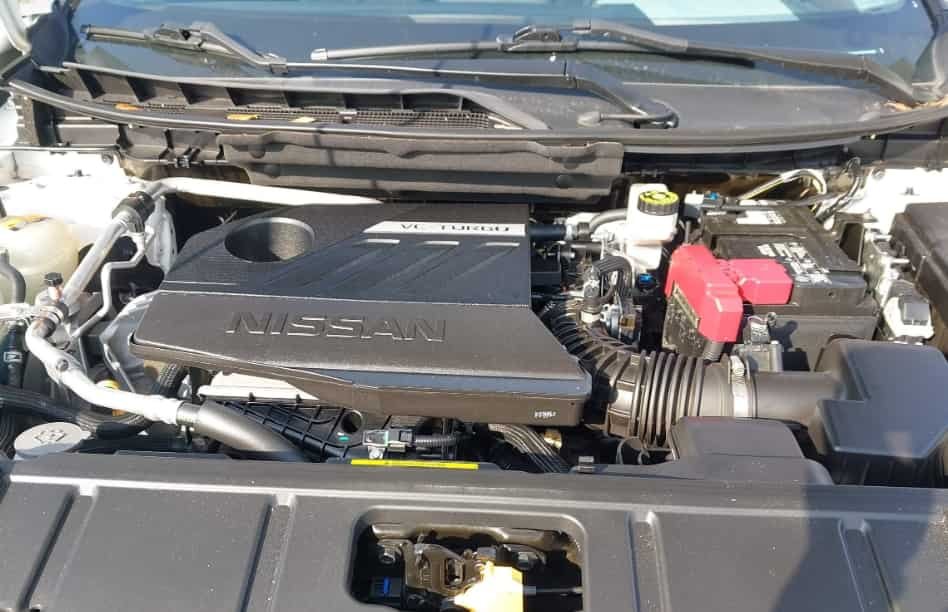
The Nissan 1.5 liter VC Turbo engine is a three cylinder turbocharged engine designed to improve both fuel efficiency and performance. Nissan developed this engine with Variable Compression Turbo technology, which allows the engine to adjust its compression ratio while operating. This means the engine can shift between high efficiency and high power depending on driving conditions.
When driving at a steady speed, the engine uses a higher compression ratio to save fuel. When the driver accelerates, it switches to a lower compression ratio to deliver more power. This adjustment happens through a mechanical system controlled by sensors and internal linkages. The design helps the engine perform efficiently in different driving situations without requiring a larger displacement engine.
Nissan introduced this engine in newer Rogue models starting from 2022. It replaced the older 2.5 liter naturally aspirated engine in many markets. The goal was to improve fuel economy while maintaining similar performance levels for everyday driving.
The VC Turbo engine delivers good fuel efficiency and strong low end torque in normal conditions. However, its complexity also creates more sensitivity to maintenance quality. The system includes more moving parts than a traditional engine, which increases long term wear risks if not properly maintained.
Some owners report smooth performance and strong reliability when maintenance schedules are followed. Others report issues such as vibration or inconsistent power delivery. These differences often come from driving habits, service history, and environmental conditions.
Overall, the Nissan Rogue 1.5L VC Turbo engine is an advanced system that focuses on efficiency and performance balance, but it requires proper care to maintain stable long term operation.
Most Common Nissan Rogue 1.5 Engine Problems
The Nissan Rogue 1.5 liter VC Turbo engine can deliver good performance when it works properly, but many owners report a number of recurring issues. These problems often appear under specific driving conditions or after a certain mileage. Understanding them helps drivers identify early warning signs before serious damage occurs.
One of the most reported issues is rough idle. The engine may feel unstable when the vehicle is stopped. Drivers often notice vibration in the cabin, especially at low speed or during cold starts. This can come from fuel delivery issues, ignition system wear, or carbon buildup inside the engine.
Another common problem is loss of power during acceleration. Some drivers feel that the vehicle does not respond smoothly when pressing the gas pedal. This issue can be linked to turbo lag, sensor errors, or airflow restrictions. It often becomes more noticeable during highway driving or uphill acceleration.
Turbocharger problems also appear in some cases. The turbo system works under high pressure and heat, which makes it sensitive to oil quality and maintenance. If the turbo system wears out or becomes clogged, the engine may lose efficiency and power.
Fuel injector issues are another concern. Dirty or malfunctioning injectors can affect fuel delivery and cause uneven combustion. This may lead to engine hesitation, poor fuel economy, or misfires.
Some owners also report excessive oil consumption. This can happen when internal engine components wear faster than expected. It may require frequent oil top ups between service intervals.
The check engine light is another frequent complaint. It often appears due to sensor issues, emissions system faults, or combustion irregularities. While sometimes minor, it can also signal more serious underlying problems.
Engine noise is also reported in certain cases. Unusual knocking or ticking sounds can indicate internal wear or lubrication issues. These sounds should never be ignored because they may point to early engine damage.
Overall, these Nissan Rogue 1.5 engine problems vary in severity. Some are minor and easy to fix, while others require professional diagnosis and repair. Early detection plays a key role in preventing costly damage.
Warning Signs You Should Never Ignore
The Nissan Rogue 1.5 liter VC Turbo engine often shows early warning signs before major problems appear. Recognizing these signs early can help prevent expensive repairs and engine damage.
One of the most important warning signs is the check engine light. When this light appears, it often signals issues with sensors, fuel delivery, or combustion efficiency. Even if the car still drives normally, the system has already detected abnormal engine behavior.
Another key sign is unusual engine vibration. If the engine feels rough when idling or stopped, it may indicate problems with fuel injection, ignition timing, or internal combustion balance. This symptom often becomes more noticeable during cold starts.
Loss of acceleration power is also a critical warning. The vehicle may feel slow to respond when you press the gas pedal. This can indicate turbo lag, airflow restriction, or sensor malfunction. Drivers often notice this problem during highway merging or uphill driving.
Strange engine noises should never be ignored. Knocking, ticking, or rattling sounds may point to lubrication issues or internal wear. These sounds often get worse over time if the root cause is not fixed.
Poor fuel economy can also signal engine trouble. When the engine does not burn fuel efficiently, it may consume more fuel than normal. This often relates to injector issues or combustion imbalance.
Hard starting is another warning sign. If the engine takes longer than usual to start, it may indicate weak ignition components or fuel delivery problems. This symptom often appears before more serious failures.
Some drivers also notice smoke from the exhaust. Blue or dark smoke may indicate oil burning or fuel system problems. This is usually a sign of more advanced engine issues.
Overall, these warning signs often appear gradually. Paying attention to small changes in engine behavior helps detect Nissan Rogue 1.5 engine problems early and reduces the risk of major repairs.
What Causes Nissan Rogue 1.5 Engine Problems?
The Nissan Rogue 1.5 liter VC Turbo engine can develop problems for several technical and maintenance related reasons. Most issues do not come from a single failure point. They usually result from a combination of design complexity, driving habits, and long term wear.
One major cause is turbocharger stress. The turbo system operates under high heat and pressure. If the engine does not receive proper cooling or oil quality is poor, the turbo components can wear faster. This can reduce boost efficiency and affect overall engine performance.
Fuel system issues also contribute to engine problems. Modern direct injection systems rely on precise fuel delivery. If fuel injectors become dirty or clogged, the engine may experience misfires, rough idle, or hesitation during acceleration. Low quality fuel can increase carbon buildup inside the system.
Oil maintenance plays a critical role in engine health. The VC Turbo system depends on clean oil for both lubrication and compression control. Delayed oil changes or incorrect oil types can increase friction inside the engine and reduce long term reliability.
Carbon buildup is another common cause. Direct injection engines often accumulate carbon deposits on intake valves over time. This buildup can restrict airflow and reduce combustion efficiency, leading to power loss and unstable engine behavior.
Software and sensor issues can also trigger performance problems. The engine control module relies on multiple sensors to adjust air, fuel, and compression ratios. If a sensor fails or sends incorrect data, the engine may respond with reduced power or warning lights.
In some cases, manufacturing tolerances and system complexity can also play a role. The VC Turbo engine uses a unique mechanical structure that has more moving parts than traditional engines. This increases sensitivity to wear if maintenance is not consistent.
Overall, Nissan Rogue 1.5 engine problems usually develop from a mix of heat stress, fuel system contamination, oil maintenance issues, and the natural complexity of turbocharged technology.
Which Model Years Have the Most Problems?
Nissan introduced the 1.5 liter VC Turbo engine in the 2022 Nissan Rogue, and this marked a major change from the older 2.5 liter engine. Because this technology is relatively new, different model years show different levels of reported issues and reliability feedback.
The 2022 Nissan Rogue is the first model year to use this engine. Many early owners reported mixed experiences. Some vehicles performed well, but others showed early issues such as rough idle, software sensitivity, and inconsistent acceleration response. Early production runs often face adjustment issues as manufacturers refine the system.
The 2023 Nissan Rogue shows more stability compared to the first year. Nissan made small improvements to calibration and software tuning. However, some drivers still report similar engine concerns, especially under heavy driving conditions or poor maintenance schedules.
The 2024 Nissan Rogue continues the same engine design with additional refinements. Reports suggest improved smoothness and better fuel delivery control. Even so, some core concerns like turbo sensitivity and maintenance dependency remain present.
The 2025 Nissan Rogue is expected to benefit from ongoing improvements in engine calibration and system updates. At this stage, long term reliability data is still limited, so conclusions remain based on early user feedback rather than full lifecycle testing.
Overall, early model years tend to show more reported Nissan Rogue 1.5 engine problems due to initial production learning curves. Newer models appear more refined, but the engine still requires proper maintenance to perform consistently. Buyers should consider service history, driving conditions, and warranty coverage when evaluating different model years.
Nissan Recalls, Technical Service Bulletins, and Warranty Coverage
Many owners researching Nissan Rogue 1.5 engine problems also want to know whether Nissan has issued recalls or official service actions. This is an important trust factor because it shows whether the manufacturer recognizes systemic issues.
In general, not all engine related concerns result in recalls. A recall usually happens only when a safety risk is confirmed. For many performance or drivability issues, Nissan may instead issue Technical Service Bulletins, also known as TSBs. These documents guide dealerships on how to diagnose and repair known issues without labeling them as defects.
Some reported concerns with the 1.5 liter VC Turbo engine may fall into this category. Nissan dealerships may receive updates about software calibration, sensor behavior, or drivability improvements. These updates help improve engine performance without requiring a full recall campaign.
Warranty coverage also plays a major role in handling engine issues. New Nissan Rogue models typically come with a factory warranty that covers powertrain components for a specific period. This includes major engine parts such as the turbo system, fuel injection system, and internal engine components. If a failure occurs within the warranty period, repairs may be covered depending on diagnosis and service history.
Extended warranty options are also available for drivers who want additional protection. These plans can reduce out of pocket costs for repairs related to engine or turbocharger issues. However, coverage details vary depending on the provider and plan structure.
For owners experiencing symptoms, it is important to document issues early and visit an authorized Nissan service center. Proper diagnostic testing helps determine whether the problem qualifies for warranty repair or falls under standard maintenance.
Overall, Nissan addresses many Nissan Rogue 1.5 engine problems through service updates, warranty support, and dealership diagnostics rather than large scale recalls. This makes proper maintenance records and early inspection very important for owners.
How Much Does It Cost to Repair Nissan Rogue 1.5 Engine Problems?
Repair costs for Nissan Rogue 1.5 engine problems can vary widely depending on the severity of the issue. Some problems require only minor maintenance, while others involve expensive component replacement. Understanding these costs helps owners make better repair decisions.
A basic engine diagnostic test usually costs between 100 and 200 dollars. This test helps identify error codes and confirms whether the issue comes from sensors, fuel delivery, or mechanical components. Many drivers start with this step before committing to repairs.
Turbocharger replacement is one of the most expensive repairs. In some cases, the cost can range from 1,500 to 3,500 dollars depending on labor and parts. Turbo systems are complex, so labor costs are usually high.
Fuel injector replacement is another common repair. This typically costs between 300 and 900 dollars depending on how many injectors need replacement. Dirty injectors may sometimes be cleaned instead of replaced, which reduces cost.
Engine misfire repairs can vary based on the cause. Ignition coil or spark plug replacement is relatively affordable, often between 150 and 400 dollars. However, deeper combustion issues may increase costs significantly.
Engine replacement is the most expensive scenario. If severe damage occurs, a full replacement can cost between 4,000 and 8,000 dollars or more. This depends on whether a new, rebuilt, or used engine is installed.
Regular maintenance can significantly reduce long term costs. Routine oil changes, air filter replacement, and fuel system cleaning help prevent major failures. Skipping maintenance often leads to higher repair expenses over time.
Overall, Nissan Rogue 1.5 engine problems range from minor fixes to major repairs. Early detection is the key factor that helps reduce total ownership cost and avoid serious engine damage.
How to Prevent Nissan Rogue 1.5 Engine Problems
Preventing Nissan Rogue 1.5 engine problems depends mainly on maintenance habits and driving behavior. The VC Turbo engine is advanced, but it also requires consistent care to stay reliable over time.
One of the most important prevention steps is following a strict oil change schedule. Clean engine oil helps protect turbocharger components and internal engine parts. Delayed oil changes increase friction and raise the risk of long term damage. Using the correct oil type recommended by Nissan also improves engine stability.
Fuel quality is another key factor. High quality fuel helps reduce carbon buildup inside the engine. Low quality fuel can lead to injector clogging and uneven combustion. This can eventually cause rough idle or misfires.
Proper turbo care also plays an important role. After long or high speed driving, allowing the engine to cool down before shutting it off can help reduce heat stress on the turbo system. This simple habit can extend turbo lifespan.
Regular inspection of warning lights is essential. Drivers should not ignore dashboard alerts even if the vehicle still feels normal. Early diagnosis helps detect small issues before they become major failures.
Air filter maintenance also supports engine health. A clean air filter ensures proper airflow into the engine. Restricted airflow can reduce performance and increase fuel consumption.
Scheduled inspections at authorized service centers help detect hidden issues. Technicians can identify early signs of wear in sensors, injectors, or turbo components before they fail.
Overall, preventing Nissan Rogue 1.5 engine problems requires consistent maintenance and attention to early warning signs. Drivers who follow proper service routines usually experience fewer issues and better long term engine performance.
Is the Nissan Rogue 1.5 Engine Worth Buying?
The Nissan Rogue 1.5 liter VC Turbo engine offers a mix of strong fuel efficiency and modern performance technology. It can be a good option for drivers who prioritize economy and smooth city driving. However, it also requires careful consideration due to its complexity and maintenance sensitivity.
One of the main advantages of this engine is fuel efficiency. The variable compression technology helps optimize fuel use in different driving conditions. This makes the Rogue more economical compared to older SUV engines with larger displacement.
The engine also delivers good low end torque. This improves daily driving performance in city traffic and light highway use. Many drivers appreciate the smooth acceleration when the system works properly.
However, there are also disadvantages to consider. The engine design is more complex than traditional engines. This complexity can increase long term maintenance sensitivity. Some drivers report issues such as rough idle, turbo lag, or inconsistent performance under certain conditions.
Maintenance plays a major role in long term satisfaction. Owners who follow strict service schedules usually report better results. Drivers who neglect maintenance may experience more Nissan Rogue 1.5 engine problems over time.
For used car buyers, service history becomes very important. A well maintained vehicle with regular oil changes and proper inspections is less likely to develop serious issues. Without proper maintenance records, risk increases significantly.
This engine is best suited for drivers who want fuel efficiency and modern technology and are willing to follow proper maintenance routines. It may not be ideal for drivers who prefer simple, low maintenance engines with minimal complexity.
Overall, the Nissan Rogue 1.5 engine can be a good choice, but only when maintenance discipline is taken seriously and expectations are realistic about its complexity.
Conclusion
The Nissan Rogue 1.5 liter VC Turbo engine combines modern technology with strong fuel efficiency. It delivers good performance for daily driving and helps reduce fuel consumption compared to older engines. However, it also introduces higher complexity, which means maintenance plays a very important role in long term reliability.
Most Nissan Rogue 1.5 engine problems come from a few key areas. These include turbocharger stress, fuel system issues, carbon buildup, and inconsistent maintenance habits. Many of these problems do not appear immediately. They often develop over time and become noticeable through warning signs such as rough idle, power loss, or engine noise.
Owners who follow proper maintenance schedules usually experience fewer issues. Regular oil changes, quality fuel, and early inspection of warning lights can significantly improve engine lifespan. On the other hand, neglecting maintenance increases the risk of costly repairs.
For buyers, the Nissan Rogue 1.5 engine can be a good option if expectations are realistic. It works best for drivers who prioritize fuel efficiency and are willing to maintain the vehicle properly. It may not be ideal for those who want a very simple and low maintenance engine.
Frequently Asked Questions
Is the Nissan Rogue 1.5 engine reliable?
The engine can be reliable when properly maintained. Regular servicing and correct oil use are essential for long term performance.
What is the most common Nissan Rogue 1.5 engine problem?
Common issues include rough idle, turbo lag, fuel injector problems, and reduced engine performance under certain conditions.
How long does the Nissan Rogue 1.5 engine last?
With proper maintenance, the engine can last many years. Lifespan depends heavily on driving habits and service history.
Does Nissan cover engine problems under warranty?
Many engine related issues may be covered under factory warranty if they occur within the coverage period. Diagnosis at an authorized service center is required.
Should I buy a used Nissan Rogue with the 1.5L engine?
It can be a good purchase if the vehicle has a complete service history. Without maintenance records, the risk of future problems increases.