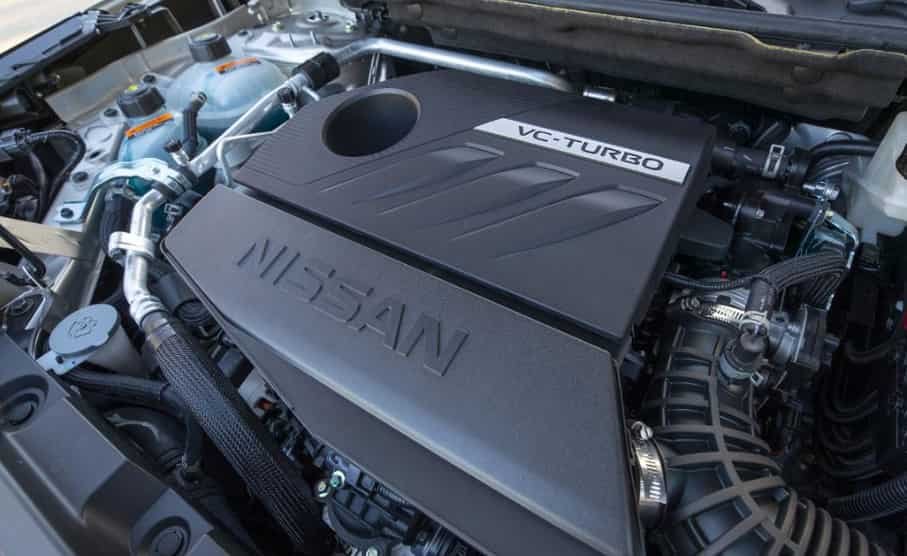
The Nissan Rogue uses a 1.5 liter VC Turbo engine. Nissan designed this engine to improve both fuel efficiency and performance. It uses a variable compression system that adjusts engine behavior while driving.
Many owners look for Nissan Rogue 1.5 Turbo engine problems because they notice unusual driving behavior. Some report hesitation when accelerating. Others mention uneven power delivery or strange engine sounds. These issues raise concerns about long term reliability.
This article explains Nissan Rogue 1.5 Turbo engine problems in detail. It covers common issues, symptoms, causes, and practical fixes. It also explains how VC Turbo technology works and why some drivers experience these problems in real conditions.
You will also learn whether these issues come from engine design limitations or from maintenance and driving conditions. The goal is to give a clear and balanced technical view based on real world behavior and engineering principles.
By the end, you will understand whether the Nissan Rogue 1.5 Turbo engine has real reliability issues or if most concerns come from misunderstanding its advanced design.
Overview of the Nissan 1.5L VC Turbo Engine
The Nissan 1.5 liter VC Turbo engine is an advanced variable compression engine developed to improve both fuel efficiency and performance in modern driving conditions. Nissan designed this engine to automatically adjust its compression ratio while the vehicle is running. This allows the engine to operate efficiently during light driving and deliver stronger performance during acceleration or heavy load conditions.
The engine works by combining turbocharging with a variable compression system. The turbocharger increases air intake pressure to improve combustion efficiency and power output. The direct injection system delivers fuel directly into the combustion chamber to support precise fuel control and better fuel economy. The Engine Control Module manages all functions and continuously adjusts engine behavior based on driving conditions, throttle input, and load demand.
A key innovation in this engine is the mechanical variable compression mechanism. It changes the position of engine components to alter the compression ratio in real time. This gives the engine the ability to switch between high efficiency mode and high power mode depending on driving needs. In theory, this design eliminates the traditional trade off between performance and fuel economy.
Nissan uses this technology in models like the Nissan Rogue to improve fuel efficiency without sacrificing SUV performance. However, the system introduces higher mechanical and electronic complexity compared to traditional engines. This complexity means the engine relies heavily on precise calibration, clean fuel delivery, and consistent maintenance to operate correctly over time.
Understanding this engine design is important because many reported Nissan Rogue 1.5 Turbo engine problems are directly related to how this variable compression system behaves under real world driving conditions.
Nissan Rogue 1.5 Turbo Engine Problems
The Nissan Rogue with the 1.5 liter VC Turbo engine shows several common problems in real driving conditions. These issues often confuse drivers because the engine uses advanced variable compression and turbocharging technology. Many drivers expect smooth and immediate power delivery, but the system behaves differently depending on speed, load, and driving style.
One common issue is acceleration hesitation. Drivers feel a delay when they press the gas pedal. The engine needs time to adjust turbo pressure and compression settings. This creates a short lag that feels like weak performance. In city driving, this behavior becomes more noticeable because the engine constantly switches between efficiency and power modes.
Oil consumption also raises concern among some owners. The engine burns a small amount of oil during normal operation due to high heat and turbo activity. Drivers who skip regular oil checks may notice the oil level dropping faster than expected. This can increase engine wear if ignored for a long time.
Some drivers report knocking sounds during light acceleration. Low quality fuel often causes this issue. Carbon buildup inside the combustion chamber can also trigger uneven burning. These conditions force the engine to adjust timing, which creates unusual noise.
Turbo response inconsistency also appears in some situations. The turbo does not always deliver boost instantly because the engine control system prioritizes efficiency. This can feel like power loss, but it often reflects normal system behavior.
In addition, some drivers mistake CVT transmission behavior for engine problems. The engine and transmission work closely together, so RPM changes or delayed response can create confusion. This leads many owners to believe the engine has a fault when the transmission actually causes the issue.
Overall, most Nissan Rogue 1.5 Turbo engine problems come from system complexity and driving conditions rather than direct mechanical failure.
Symptoms of Nissan Rogue 1.5 Turbo Engine Problems
Drivers often notice early signs when the Nissan Rogue 1.5 liter VC Turbo engine starts to behave abnormally. These symptoms do not always indicate serious damage, but they help identify potential issues before they become worse. Understanding these warning signs allows drivers to react early and avoid costly repairs.
One of the most common symptoms is delayed throttle response. Drivers feel a short pause after pressing the accelerator. The vehicle then starts to gain speed gradually. This happens because the engine adjusts turbo pressure and compression settings based on driving conditions. In stop and go traffic, this delay becomes more noticeable.
Another frequent sign is reduced acceleration performance. The vehicle may feel slower than usual even when the engine runs normally. This often connects to turbo lag or transmission behavior rather than direct engine failure. Drivers sometimes mistake this for power loss even when the system operates within normal limits.
Unusual engine noise also appears in some cases. Drivers may hear light knocking or rattling sounds during low speed acceleration. Poor fuel quality or early carbon buildup inside the engine often causes this condition. The sound may come and go depending on engine load and temperature.
Fuel economy changes can also signal a problem. Some drivers notice higher fuel consumption without changing driving habits. This often relates to inefficient combustion or sensor adjustments in the engine management system.
In more noticeable cases, the Check Engine Light turns on. This warning usually appears when sensors detect irregular combustion, misfires, or emissions related issues. Drivers should use an OBD2 scanner to identify the exact cause instead of guessing the problem.
Finally, rough idling can appear when the vehicle stops. The engine may vibrate slightly or feel unstable at low RPM. This condition often links to air intake issues, fuel delivery imbalance, or early ignition problems.
Root Causes of Nissan Rogue 1.5 Turbo Engine Problems
The Nissan Rogue 1.5 liter VC Turbo engine uses a highly complex system that combines variable compression, turbocharging, and direct fuel injection. This advanced design improves efficiency and performance, but it also introduces several technical factors that can lead to engine related problems under real driving conditions.
One major cause comes from the variable compression mechanism itself. This system constantly adjusts internal engine geometry based on load and throttle input. The moving components inside this system increase mechanical complexity. Over time, small calibration shifts or wear in linkage parts can affect smooth operation and create hesitation or uneven power delivery.
Another important factor is carbon buildup inside the intake and combustion chamber. The direct injection system delivers fuel directly into the cylinder, which reduces cleaning effect on intake valves. As carbon deposits build up, airflow becomes restricted. This leads to rough idling, knocking sounds, and reduced engine efficiency.
Oil quality and maintenance intervals also play a major role. The VC Turbo engine runs under high pressure and temperature conditions, especially during turbo activation. If drivers extend oil change intervals or use low quality oil, lubrication decreases. This increases friction and accelerates wear in sensitive engine components.
Turbocharger heat cycles also contribute to long term stress. In city driving, frequent acceleration and braking cause repeated turbo engagement and cooling cycles. This constant thermal change affects turbo durability and can lead to inconsistent boost response over time.
Sensor calibration and ECU logic also influence engine behavior. The Engine Control Module continuously adjusts timing, fuel delivery, and compression settings. If sensors send inaccurate data due to dirt, aging, or electrical variation, the system may adjust incorrectly and create symptoms that feel like engine problems.
Fuel quality sensitivity adds another layer of risk. The engine performs best with consistent high quality fuel. Low octane or inconsistent fuel blends can trigger knocking and unstable combustion.
Overall, most Nissan Rogue 1.5 Turbo engine problems come from system complexity, maintenance sensitivity, and operating conditions rather than a single mechanical defect.
Model Year Differences and Reliability Trends
The reliability of the Nissan Rogue 1.5 liter VC Turbo engine can vary depending on the model year. Nissan introduced this engine as part of a new generation of efficiency focused technology, and early production models show different behavior compared to later versions. Understanding these differences helps drivers evaluate real world risk more accurately.
The 2022 and 2023 Nissan Rogue models represent the early phase of VC Turbo adoption. During this period, Nissan refined software calibration and engine control logic. Some owners reported hesitation during acceleration and inconsistent power delivery in certain driving conditions. These issues often relate to initial tuning of the variable compression system rather than permanent mechanical defects.
The 2024 and newer models show improvements in engine calibration. Nissan updated the Engine Control Module logic and improved turbo response management. These updates reduce hesitation and improve throttle smoothness in everyday driving. Drivers still report occasional turbo lag, but the system behaves more predictably compared to earlier versions.
Long term reliability trends suggest that most reported issues do not increase sharply with mileage when maintenance stays consistent. Oil changes, fuel quality, and regular inspections play a major role in engine stability. Engines that receive proper maintenance show fewer symptoms of hesitation or noise over time.
However, drivers who experience inconsistent maintenance or aggressive driving conditions may notice earlier signs of wear. These include increased oil consumption, reduced turbo efficiency, and minor noise changes during acceleration.
Overall, model year differences show that Nissan has improved the VC Turbo system over time. Early models carry more reported concerns, while newer versions focus on smoother operation and better system calibration.
Diagnosis Process for Nissan Rogue 1.5 Turbo Engine Problems
Diagnosing Nissan Rogue 1.5 liter VC Turbo engine problems requires a structured approach because many symptoms overlap with transmission or sensor related issues. A correct diagnosis helps avoid unnecessary repairs and reduces costs for owners.
The first step involves observing real driving behavior. Drivers should note when symptoms appear, such as during cold starts, acceleration, or steady highway driving. This helps narrow down whether the issue comes from turbo response, fuel delivery, or engine control logic.
The second step uses an OBD2 scanner to check diagnostic trouble codes. The Engine Control Module stores error codes when it detects irregular combustion, sensor failures, or emissions issues. Common codes often relate to misfires, oxygen sensor imbalance, or fuel system irregularities. Reading these codes helps identify whether the problem comes from the engine or another system.
Oil inspection also plays an important role. Drivers should check oil level and oil condition regularly. Low oil or dark contaminated oil often indicates internal stress or extended service intervals. This step helps detect lubrication related problems early.
Air intake and turbo system inspection provides another layer of diagnosis. Technicians often check for air leaks, dirty filters, or turbo boost inconsistencies. These issues can create hesitation and reduced power, which drivers may confuse with engine failure.
Fuel system evaluation also helps identify root causes. Poor fuel quality or clogged injectors can disrupt combustion. This leads to knocking, rough idle, or performance loss. Cleaning or replacing injectors often improves engine stability.
Finally, compression testing may be required in severe cases. This test measures internal cylinder pressure and helps detect mechanical wear. It confirms whether the engine has internal damage or if symptoms come from external systems.
A structured diagnosis process ensures that Nissan Rogue 1.5 Turbo engine problems are identified correctly and not misinterpreted as major engine failure when the real issue comes from surrounding systems.
Fixes and Solutions for Nissan Rogue 1.5 Turbo Engine Problems
Fixing Nissan Rogue 1.5 liter VC Turbo engine problems depends on identifying the correct root cause first. Since many symptoms overlap between engine, turbo, and transmission systems, each solution must match the specific issue rather than applying general repairs.
One of the most effective solutions involves updating the Engine Control Module software. Nissan has released calibration updates that improve throttle response and optimize variable compression behavior. These updates help reduce hesitation and improve overall driving smoothness.
Regular oil maintenance also plays a critical role in engine performance. Drivers should use high quality engine oil that meets Nissan specifications and follow shorter oil change intervals if driving in heavy traffic. Clean oil reduces friction and protects turbo and compression components from premature wear.
Fuel system cleaning helps resolve issues related to knocking, rough idle, and inconsistent combustion. Technicians often clean fuel injectors and intake systems to remove carbon deposits. This process restores airflow and improves combustion efficiency.
Turbocharger inspection becomes necessary when drivers experience delayed boost or inconsistent acceleration. A technician checks for air leaks, worn components, or boost pressure irregularities. In some cases, replacing worn turbo parts restores normal performance.
Spark plugs and ignition components also affect engine stability. Worn spark plugs can cause misfires, rough acceleration, and poor fuel economy. Replacing them at recommended intervals improves combustion quality and engine response.
In more severe cases, sensor replacement or recalibration may be required. Faulty oxygen sensors, knock sensors, or airflow sensors can send incorrect data to the engine control system. Replacing these sensors helps restore accurate engine management.
If internal wear occurs due to long term neglect, engine rebuilding or replacement may be necessary. However, most Nissan Rogue 1.5 Turbo engine problems do not reach this stage when proper maintenance is performed.
Overall, most issues can be prevented or corrected through proper maintenance, software updates, and timely component replacement.
Repair Cost Breakdown for Nissan Rogue 1.5 Turbo Engine Problems
Repair costs for Nissan Rogue 1.5 liter VC Turbo engine problems vary widely depending on the severity of the issue and the specific component involved. Most owners face relatively minor costs when problems are detected early, but expenses increase significantly when issues are ignored for long periods.
Minor repairs usually include spark plug replacement, sensor replacement, or basic diagnostics. These services typically remain affordable and help restore engine stability quickly. In many cases, drivers only need routine maintenance to resolve hesitation or rough idle issues.
Mid level repairs often involve fuel injectors, turbocharger components, or intake cleaning. These repairs cost more because they require specialized labor and parts. Turbo related repairs tend to be the most expensive in this category since the system operates under high pressure and heat.
Major repairs occur when internal engine components become damaged. This includes issues with compression systems, pistons, or internal wear caused by long term neglect. At this stage, repair costs increase significantly and may approach the value of major engine replacement.
Engine replacement represents the highest cost scenario. This usually happens when internal damage is severe or when multiple systems fail at the same time. Replacement costs depend on labor rates, parts availability, and warranty coverage.
Warranty coverage can significantly reduce or eliminate repair costs for newer Nissan Rogue models. Drivers who follow maintenance schedules and service requirements are more likely to receive full or partial coverage for certain engine related issues.
Overall, most Nissan Rogue 1.5 Turbo engine problems remain manageable in cost when addressed early. Delayed diagnosis and poor maintenance habits are the main factors that lead to expensive repairs.
Reliability Analysis of Nissan Rogue 1.5 Turbo Engine
The reliability of the Nissan Rogue 1.5 liter VC Turbo engine depends on how drivers understand and maintain its advanced technology. Nissan designed this engine to deliver both performance and efficiency through variable compression and turbocharging systems. This design works well under controlled conditions, but it also requires proper maintenance and consistent driving habits.
In real world use, most reliability concerns come from the engine’s complexity rather than widespread mechanical failure. The system includes multiple electronic controls, moving compression components, and turbo pressure management. These elements must work together precisely. When one part operates outside optimal conditions, the engine may show hesitation, noise, or reduced performance.
Long term reliability improves significantly when owners follow recommended oil change intervals and use high quality fuel. Clean engine oil helps protect turbo components and reduces internal friction. Proper fuel quality also supports stable combustion and prevents knocking or carbon buildup.
Compared to traditional naturally aspirated engines, the VC Turbo system demands more attention. However, it also offers better fuel efficiency and strong performance when maintained correctly. Owners who follow maintenance schedules usually report stable performance over time without major engine failures.
Nissan has also improved the system in newer model years by refining software calibration and engine response logic. These updates reduce early concerns and make the engine behavior more predictable in daily driving.
Overall, the Nissan Rogue 1.5 Turbo engine is not inherently unreliable. It is a highly advanced system that performs well when properly maintained. Most reported problems come from maintenance gaps, driving conditions, or misunderstanding of how variable compression technology works.
Prevention Guide for Nissan Rogue 1.5 Turbo Engine Problems
Preventing Nissan Rogue 1.5 liter VC Turbo engine problems requires consistent maintenance and proper driving habits. Since this engine uses advanced variable compression and turbocharging technology, it responds strongly to oil quality, fuel quality, and driving conditions.
Regular oil changes are the most important factor for engine health. Clean engine oil protects turbo components and reduces friction inside the variable compression system. Drivers should avoid extending oil change intervals, especially when driving in heavy traffic or hot climates. Fresh oil helps maintain stable engine performance and reduces long term wear.
Using high quality fuel also plays a major role in preventing engine issues. The VC Turbo engine performs better with stable fuel combustion. Low quality fuel can increase knocking, reduce efficiency, and create carbon buildup over time. Drivers should choose reliable fuel sources to maintain combustion stability.
Driving habits also affect engine durability. Smooth acceleration helps reduce stress on the turbo system and compression mechanism. Frequent hard acceleration and sudden braking increase thermal load and can shorten component lifespan. Consistent and moderate driving improves long term reliability.
Air filter maintenance helps maintain proper airflow into the engine. A clean air filter supports efficient combustion and reduces strain on the turbocharger. Drivers should inspect and replace air filters at recommended intervals.
Routine inspections also help detect early signs of problems. Checking for oil leaks, unusual engine noise, or performance changes allows drivers to address issues before they become serious. Early detection reduces repair costs and improves engine lifespan.
Overall, preventing Nissan Rogue 1.5 Turbo engine problems depends on disciplined maintenance, quality fuel usage, and stable driving behavior. These factors ensure the VC Turbo engine operates efficiently and reliably over time.
Frequently Asked Questions
Is the Nissan Rogue 1.5 turbo engine reliable?
The Nissan Rogue 1.5 liter VC Turbo engine is generally reliable when owners follow proper maintenance. The engine uses advanced variable compression technology, so it requires clean oil, good fuel quality, and regular servicing. Most issues come from maintenance gaps or driving conditions rather than inherent engine failure.
What are the most common Nissan Rogue 1.5 turbo engine problems?
The most common problems include acceleration hesitation, slight engine knocking, oil consumption concerns, and turbo lag. Some drivers also report rough idle or reduced performance. In many cases, these symptoms relate to system complexity rather than mechanical damage.
Why does the Nissan Rogue 1.5 turbo engine hesitate during acceleration?
The engine may hesitate because it adjusts turbo pressure and compression settings in real time. This process creates a short delay before full power delivery. Driving conditions, speed, and throttle input also influence how noticeable this hesitation feels.
Does the VC Turbo engine require special maintenance?
Yes, the VC Turbo engine requires consistent maintenance. It needs regular oil changes, high quality fuel, and timely air filter replacement. Proper maintenance helps prevent carbon buildup, turbo stress, and performance issues.
How long does the Nissan Rogue 1.5 turbo engine last?
The engine can last many years when properly maintained. Lifespan depends on oil quality, driving habits, and service intervals. Drivers who follow maintenance schedules often achieve long term reliability without major engine failure.
Is there a recall for Nissan Rogue 1.5 turbo engine problems?
Some Nissan Rogue models may have technical service bulletins or software updates, but not all issues result in recalls. Owners should check with Nissan dealerships for the most accurate and updated information related to their model year.
What causes knocking noise in the Nissan Rogue 1.5 turbo engine?
Knocking noise often comes from fuel quality issues, carbon buildup, or combustion timing adjustments. It may also appear under light acceleration when the engine changes operating modes. Using higher quality fuel can reduce this issue.
How much does it cost to fix Nissan Rogue 1.5 turbo engine problems?
Repair costs vary depending on the issue. Minor repairs like sensors or spark plugs cost less, while turbo or internal engine repairs cost more. Early diagnosis usually keeps repair costs low.
Conclusion
The Nissan Rogue 1.5 liter VC Turbo engine represents a modern approach to balancing performance and fuel efficiency. Nissan designed this engine with advanced variable compression technology, which allows it to adjust power and efficiency based on driving conditions. This innovation delivers strong fuel economy and smooth performance when the system operates correctly.
Most Nissan Rogue 1.5 Turbo engine problems come from the complexity of the system rather than widespread mechanical failure. Drivers often notice hesitation, minor noise, or changes in fuel consumption, but these symptoms usually relate to turbo behavior, fuel quality, or maintenance conditions. The engine reacts strongly to oil condition, driving style, and service consistency.
When owners follow proper maintenance schedules, the engine performs reliably over time. Regular oil changes, quality fuel usage, and timely inspections help prevent most common issues. Software updates from Nissan also improve engine response and reduce early calibration problems in newer model years.
Compared to traditional engines, the VC Turbo system requires more attention, but it also delivers better efficiency and modern performance benefits. Drivers who understand how the system works tend to experience fewer concerns and better long term satisfaction.
In conclusion, the Nissan Rogue 1.5 Turbo engine is not inherently problematic. It is a complex but capable engine that performs well when properly maintained. Most reported issues reflect maintenance habits and system sensitivity rather than serious design flaws. Understanding this helps owners make better decisions about ownership, maintenance, and long term reliability.