
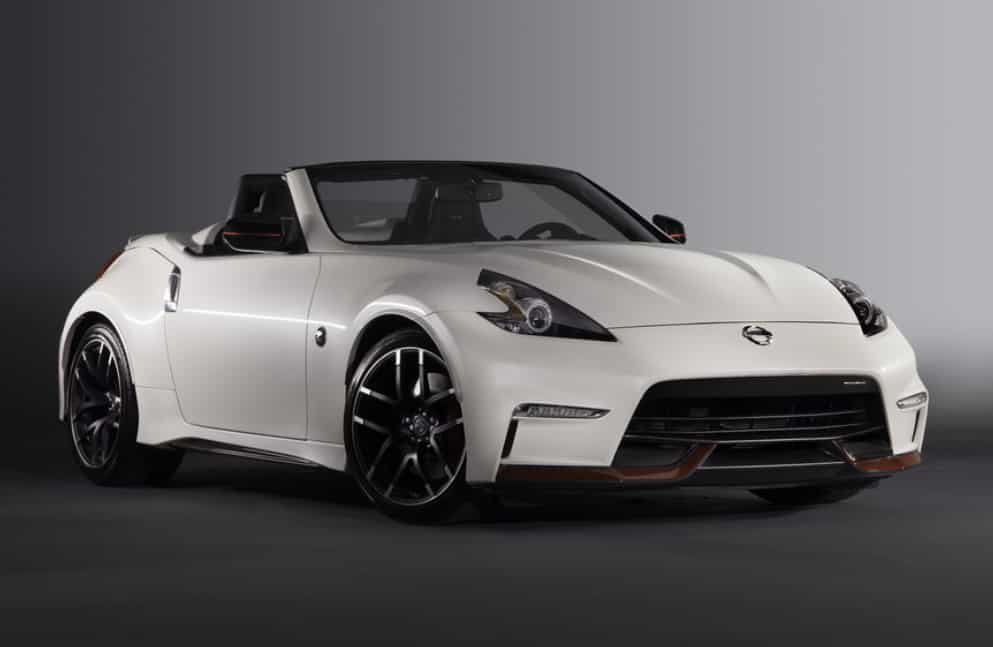
Nissan Spider is a sports car concept linked to Nissan’s performance vehicle identity. It combines open top styling, aerodynamic design, and a driver focused experience. Many automotive enthusiasts search for Nissan Spider because they want to understand its meaning and its connection with Nissan sports cars.
The term “Spider” describes a lightweight sports car with an open cockpit design. This body style focuses on agility, balance, and driving enjoyment. Nissan has developed several iconic performance vehicles, including the Nissan Z and Nissan GT R. These models show the brand’s approach to sports car engineering.
Understanding Nissan Spider requires more than looking at its name. It requires examining its design philosophy, performance potential, and connection with Nissan’s vehicle heritage. This concept represents ideas that influence how manufacturers develop future sports cars.
This article explains what Nissan Spider means, how it relates to Nissan’s sports car history, and which features define this type of vehicle. It also explores the possibility of Nissan Spider becoming part of the future performance car market as automotive technology continues to change.
What Is Nissan Spider and Is It an Official Nissan Production Car?
Nissan Spider refers to a sports car concept associated with Nissan’s performance design direction. The name describes a vehicle idea that combines an open cockpit layout, lightweight construction, and an engaging driving experience. Unlike established Nissan models such as the Nissan Z or Nissan GT-R, Nissan Spider does not represent a widely recognized mass production vehicle sold in global markets.
The word “Spider” comes from automotive terminology. It describes a two-seat sports car with an open roof or convertible style body. Manufacturers use this design approach to create vehicles that provide a stronger connection between the driver and the road. The open structure reduces the separation between the driver and the surrounding environment, which creates a more emotional driving experience.
Nissan has produced several sports cars throughout its history, but the company has not established Nissan Spider as a major production nameplate. Instead, the term represents a concept direction related to sports car design, similar to how manufacturers use concept vehicles to test future ideas. These vehicles allow brands to explore new technologies, styling approaches, and customer expectations before launching commercial models.
The connection between Nissan Spider and Nissan’s sports car identity comes from shared attributes rather than a direct model relationship. Nissan performance vehicles focus on driving dynamics, aerodynamic efficiency, and advanced engineering. Nissan Spider follows the same philosophy by representing a lightweight and driver focused sports car concept.
Understanding Nissan Spider requires separating the concept name from Nissan’s official vehicle lineup. The entity represents an automotive idea connected with Nissan’s performance heritage rather than a traditional production model. This distinction helps explain why searches for Nissan Spider often lead to discussions about design concepts, future possibilities, and comparisons with existing Nissan sports cars.
What Is the History Behind Nissan Spider and Nissan Sports Car Development?
Nissan has a long history of developing sports cars that focus on performance, technology, and driving engagement. The company created several iconic models that shaped its reputation in the automotive industry, including the Fairlady Z, Nissan Z, and Nissan GT R. These vehicles represent Nissan’s approach to combining engineering innovation with accessible sports car performance.
Nissan Spider connects with this history through its sports car design philosophy. The concept follows important characteristics that appear throughout Nissan’s performance vehicles, such as a low center of gravity, aerodynamic styling, and a driver focused layout. These elements help create a vehicle that emphasizes control, responsiveness, and emotional connection behind the wheel.
Concept vehicles play an important role in automotive development because they allow manufacturers to explore future ideas before mass production. Nissan has used concept cars to test new designs, technologies, and customer reactions. A Nissan Spider concept would represent an opportunity to examine how traditional sports car characteristics could evolve with modern engineering trends.
The development of Nissan sports cars has changed over time as customer expectations and automotive technology have evolved. Earlier performance models focused mainly on engine power and mechanical simplicity. Modern sports cars also consider aerodynamics, weight reduction, digital technology, and electrification. Nissan Spider fits into this evolution by representing the possibility of a future lightweight performance vehicle.
The connection between Nissan Spider and models such as Nissan Z or Nissan GT R does not come from direct replacement. Instead, it comes from shared principles. Nissan Z focuses on balanced sports car performance, while Nissan GT R represents advanced high performance engineering. Nissan Spider represents another possible interpretation of Nissan’s sports car identity through an open top and lightweight concept.
What Design Features Define Nissan Spider as a Sports Car Concept?
Nissan Spider represents a sports car concept built around lightweight design, aerodynamic efficiency, and an open driving experience. These characteristics define the identity of spider style vehicles in the automotive industry. The design focuses on reducing unnecessary weight while improving handling, stability, and driver engagement.
The exterior design of Nissan Spider would follow common sports car principles. A low body profile helps reduce aerodynamic resistance and creates a more aggressive appearance. A wide stance improves visual balance and supports better cornering performance. The open cockpit design also creates a direct connection between the driver and the vehicle’s surroundings.
Aerodynamics plays an important role in sports car development because airflow affects stability and efficiency. Nissan performance vehicles use carefully designed body shapes to manage air pressure, reduce drag, and improve vehicle control at higher speeds. A Nissan Spider concept would apply similar principles through features such as a streamlined body, optimized airflow channels, and performance focused proportions.
Weight reduction is another important element of a spider style sports car. A lighter vehicle requires less energy to accelerate, brake, and change direction. Automotive engineers often use lightweight materials, compact structures, and efficient component placement to improve performance. These design choices help create a more responsive driving experience without relying only on increased engine power.
The two seat configuration also defines the character of Nissan Spider. Unlike larger performance vehicles designed for practicality, a spider style sports car prioritizes driver involvement and emotional appeal. Every design element supports the purpose of creating a focused driving machine that connects the driver with Nissan’s performance philosophy.
What Performance Features Could Nissan Spider Have?
Nissan Spider would follow the performance principles that define Nissan’s sports car engineering. The concept would focus on lightweight construction, responsive handling, and an engaging driving experience rather than only producing maximum power. These characteristics match the philosophy behind Nissan’s performance vehicles, where balance and control play an important role.
The engine technology of Nissan Spider would depend on Nissan’s future performance strategy. A traditional sports car configuration could include a high output internal combustion engine with advanced turbocharging technology. A future version could also use electric powertrain technology to deliver instant torque and improved efficiency. Modern performance vehicles increasingly combine power with intelligent systems that improve acceleration, stability, and energy management.
A rear wheel drive platform would suit the character of Nissan Spider because it supports balanced handling and dynamic driving behavior. Rear wheel drive systems allow engineers to distribute vehicle weight more effectively and create a more engaging experience during acceleration and cornering. This approach has influenced many sports cars, including Nissan Z models throughout their history.
Driving performance depends on more than engine output. Suspension tuning, chassis stiffness, weight distribution, and aerodynamic balance directly affect how a sports car responds on the road. Nissan Spider would require these elements to create precise steering feedback and predictable handling characteristics.
Compared with Nissan’s existing performance vehicles, Nissan Spider would likely focus on a different driving experience. Nissan GT R represents advanced all wheel drive performance with high speed capability, while Nissan Z emphasizes traditional sports car balance. Nissan Spider would represent a lighter and more open driving concept that prioritizes connection, agility, and emotional engagement.
How Is Nissan Spider Different From Nissan Z, GT R, and Other Sports Cars?
Nissan Spider differs from Nissan Z and Nissan GT R because it represents a different approach to sports car design. Nissan Z focuses on delivering a balanced front engine sports car experience, while Nissan GT R emphasizes advanced performance technology and high speed capability. Nissan Spider represents a lighter and more open concept that focuses on driver connection and emotional engagement.
Nissan Z has a long history as one of Nissan’s most recognizable sports cars. The model combines performance, everyday usability, and rear wheel drive handling. Its design philosophy focuses on delivering a traditional sports car experience with strong acceleration, precise steering, and balanced chassis performance. Nissan Spider shares the same interest in driving enjoyment but uses a different body style and concept direction.
Nissan GT R represents Nissan’s high performance engineering approach. The vehicle uses advanced technologies such as all wheel drive systems, sophisticated aerodynamics, and powerful engine performance. Unlike Nissan Spider, which emphasizes simplicity and openness, Nissan GT R focuses on achieving maximum performance through complex engineering solutions.
The difference between a spider, roadster, and convertible also affects how Nissan Spider should be understood. A spider usually describes a lightweight open top sports car designed around performance and driving enjoyment. A roadster generally refers to a two seat convertible sports car, while a convertible describes any vehicle with a retractable roof system. These terms often overlap, but they emphasize different design priorities.
Nissan Spider would occupy a unique position within Nissan’s performance lineup. It would not replace Nissan Z or compete directly with Nissan GT R. Instead, it would expand Nissan’s sports car identity by offering a different experience based on lightweight design, open air driving, and direct driver involvement.
Could Nissan Spider Become a Future Nissan Sports Car?
Nissan Spider could become a future sports car concept if Nissan continues expanding its performance vehicle strategy. The automotive industry is changing through electrification, advanced materials, and new approaches to vehicle design. These changes create opportunities for manufacturers to develop sports cars with different power systems and driving experiences.
Nissan has already explored electric performance technology through concepts and production vehicles. Electric powertrains provide instant torque, flexible packaging options, and new possibilities for lightweight sports car development. A future Nissan Spider could use electric technology to deliver quick acceleration while maintaining the open top driving experience associated with spider style vehicles.
The development of an electric Nissan Spider would require engineers to solve several challenges. Battery weight remains one of the biggest concerns for performance vehicles because additional mass affects handling and efficiency. Engineers would need to create a lightweight structure, optimize battery placement, and maintain a balanced chassis to preserve the sports car feeling.
Future Nissan performance vehicles may also combine traditional driving characteristics with digital technologies. Advanced driver assistance systems, intelligent energy management, and connected vehicle features could influence how drivers interact with sports cars. However, maintaining emotional engagement and direct control would remain important for a vehicle like Nissan Spider.
Concept vehicles often provide manufacturers with a way to test future market opportunities. Nissan Spider could represent how the brand adapts its sports car heritage to new automotive trends. Whether powered by traditional engines, hybrid systems, or electric technology, the concept reflects Nissan’s continued interest in creating performance vehicles with unique driving identities.
Why Does Nissan Spider Represent Nissan’s Sports Car Vision?
Nissan Spider represents Nissan’s sports car vision by combining traditional performance principles with modern automotive possibilities. The concept reflects important characteristics that define Nissan performance vehicles, including lightweight design, driver focused engineering, and a strong connection between the vehicle and the person behind the wheel.
The importance of Nissan Spider comes from its ability to represent a different type of sports car experience. Nissan Z demonstrates balanced sports car performance, while Nissan GT R shows advanced engineering and extreme performance capability. Nissan Spider represents the idea of a lightweight and open driving machine that focuses on agility, simplicity, and emotional engagement.
Sports car concepts help manufacturers explore future directions before introducing new production vehicles. They allow brands to test design ideas, study customer interest, and develop technologies that may influence future models. Nissan Spider provides an example of how Nissan could combine its performance heritage with changing automotive trends.
Although Nissan Spider is not an established production model in Nissan’s current lineup, the concept remains relevant because it connects with broader discussions about the future of sports cars. As the industry moves toward electrification and advanced technology, vehicles like Nissan Spider show how manufacturers can preserve driving excitement while adapting to new engineering challenges.
The concept represents more than a vehicle name. It represents Nissan’s ongoing pursuit of performance innovation and its commitment to creating sports cars that deliver a memorable driving experience.