When the airbag light turns on in your Nissan, it often causes immediate concern. This warning light is not a minor dashboard alert. It signals a problem within the Supplemental Restraint System, which controls the airbags and related safety components. If the system detects a fault, it may disable the airbags completely.
Many Nissan owners ask the same questions when this light appears. Is the vehicle still safe to drive? Will the airbags deploy in an accident? Is a dealership visit required, or can the airbag light be reset at home? These worries often arise after a battery replacement, seat adjustment, or simple interior repair. In some cases, the car drives normally, which makes the warning even more confusing.
This guide provides clear and practical answers. It explains what the airbag light means on Nissan vehicles and why it turns on. You will also learn how to reset the airbag light step by step using safe and proven methods. The instructions apply to most Nissan models and years, with important safety notes included.
Resetting the airbag light can help in specific situations. However, it does not fix underlying hardware problems. Knowing when a reset is appropriate, and when professional repair is necessary, protects both you and your passengers. By the end of this guide, you will understand how to reset the airbag light correctly and how to decide the next step for your Nissan.
What Does the Airbag Light Mean on Nissan Vehicles?
The airbag light on a Nissan indicates a fault within the Supplemental Restraint System. This system controls the airbags, seat belt pretensioners, impact sensors, and related wiring. When the light turns on, the system has detected a problem and stored a fault code.
In most cases, an illuminated airbag light means the system has disabled the airbags as a safety precaution. This design prevents accidental deployment when the system cannot confirm proper operation. As a result, the airbags may not deploy during a collision, even if the impact is severe.
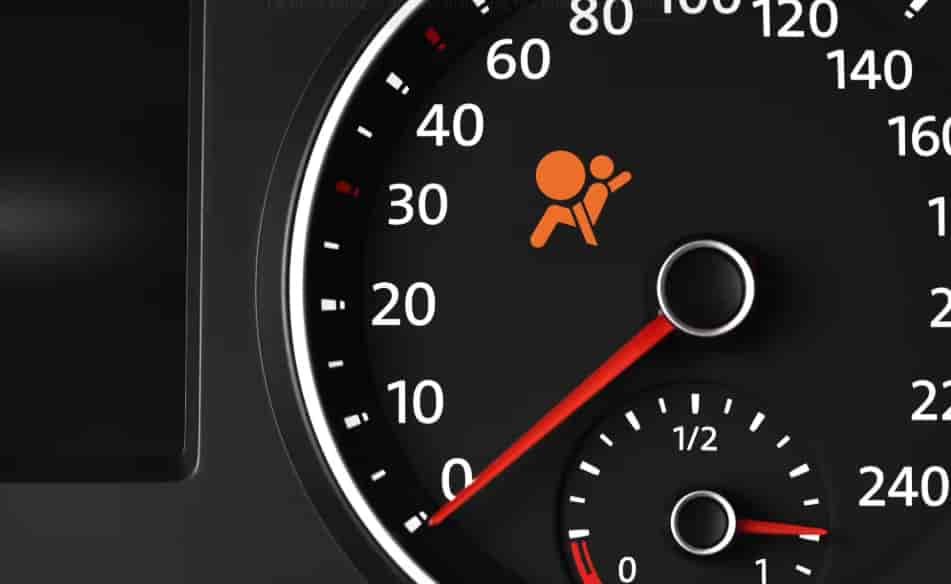
Drivers often confuse the airbag light with other dashboard warnings. On Nissan vehicles, the airbag light may appear as a seated figure with a circle in front of it, or as an SRS warning. Some models also use a blinking pattern to indicate stored error codes. A solid light usually means an active fault, while a blinking light often points to a specific issue that requires attention.
The airbag light does not always indicate a serious mechanical failure. In some situations, the system reacts to voltage drops, loose seat connectors, or changes made during maintenance. However, the system treats all faults the same way. Once a problem appears, it keeps the light on until the issue is resolved and the fault memory is cleared.
Understanding what the airbag light means is essential before attempting a reset. Resetting without knowing the cause may turn the light off temporarily, but it does not restore protection if a real fault remains. The next sections explain why this warning appears and how to determine whether a reset is appropriate.
Common Reasons the Airbag Light Turns On in Nissan
The airbag light on a Nissan turns on when the system detects an abnormal signal. This signal may come from a sensor, a control module, or a power supply issue. While some causes are minor, others directly affect airbag deployment.
One common reason involves the seat occupancy sensor. This sensor detects whether a passenger is present and helps control airbag activation. When the sensor fails or its wiring loosens under the seat, the system reads incorrect data. The airbag control unit then stores a fault code and turns the warning light on.
Battery related issues also trigger the airbag light. A weak battery or low voltage during engine start can interrupt communication between control modules. This problem often appears after battery replacement or jump starting the vehicle. Even when voltage returns to normal, the system may keep the warning light on until the fault is cleared.
Another frequent cause is a damaged clock spring in the steering wheel. The clock spring maintains electrical contact with the airbag while allowing the wheel to turn. Wear over time can break this connection. When this happens, the system cannot verify airbag readiness and activates the warning light.
Loose or corroded connectors create similar problems. Many Nissan models route airbag wiring under the seats. Moving the seat forward or backward can strain these connectors. The system detects resistance changes and responds by disabling the airbags.
In some cases, crash data stored in the control module causes the light to remain on. Even a minor impact may trigger this response. A simple reset may not clear the warning if physical damage exists. Identifying the underlying cause helps determine whether a reset will work or if repair is necessary.
Is It Safe to Drive with the Airbag Light On?
Driving a Nissan with the airbag light on involves real safety risks. When this warning light stays illuminated, the Supplemental Restraint System may not function as designed. In many cases, the system disables the airbags entirely to prevent unintended deployment.
If the airbags do not deploy during a collision, the risk of serious injury increases. Seat belts still provide protection, but airbags play a critical role in reducing impact force. Without them, even a low speed accident can cause more severe harm to the driver and passengers.
Short distance driving may be acceptable in limited situations. For example, driving to a repair shop or testing the vehicle after maintenance may not pose immediate danger. However, this should only happen when no other warning lights appear and the vehicle operates normally. Long distance driving or highway use increases risk and should be avoided.
There are also legal and inspection concerns. In many regions, a vehicle with an active airbag warning light may fail safety inspection. Insurance coverage may also become complicated after an accident if the system was knowingly left in a disabled state.
The safest approach is to treat the airbag light as a priority warning. Before attempting a reset, it is important to understand the cause of the fault. Resetting the light without addressing a real issue does not restore protection. The next section explains how and when a reset may work safely.
How to Reset Airbag Light Nissan Without a Scan Tool
This reset method works on many Nissan models when the airbag light appears due to a temporary or non critical fault. It does not repair damaged sensors or wiring. It only clears stored fault memory when the system no longer detects an active problem.
Before starting, make sure the battery is fully charged. A weak battery can cause the reset to fail. Sit in the driver seat and close all doors. Do not start the engine during this process.
First, turn the ignition key to the ON position. The engine should remain off. Watch the airbag light closely. It will turn on for several seconds and then turn off. As soon as the light turns off, turn the ignition back to the OFF position. Timing is important at this step.
Wait for at least five seconds. Then turn the ignition back to the ON position again. Watch the airbag light and repeat the same action. Turn the ignition off immediately after the light turns off. Complete this cycle a total of three times.
After the third cycle, turn the ignition to the ON position once more. If the reset is successful, the airbag light will blink slowly and then turn off completely. This indicates that the system has cleared the stored fault code.
If the light stays on or begins blinking rapidly, the reset did not work. This usually means the system still detects a problem. Common reasons include loose seat connectors, a failing sensor, or low voltage. In these cases, repeating the procedure will not solve the issue.
This method should only be used when no physical damage exists. If the airbag light returns shortly after reset, further diagnosis is necessary. The next section explains how to reset the airbag light using a scan tool and when that option is more effective.
How to Reset Airbag Light Nissan Using an OBD2 Scanner
An OBD2 scanner provides a more reliable way to reset the airbag light on a Nissan. This method works best when the system stores a fault code that the manual reset cannot clear. It also helps identify the exact cause of the problem.
Not all OBD2 scanners support airbag or SRS systems. Basic scanners often read only engine related codes. To reset the airbag light, the scanner must support Nissan SRS functions. Using the correct tool prevents incomplete resets and repeated warning lights.
Start by connecting the scanner to the OBD2 port under the dashboard. Turn the ignition to the ON position without starting the engine. Follow the scanner menu to access the airbag or SRS system. Read the stored fault codes before clearing them. This step helps confirm whether the issue is temporary or hardware related.
After reviewing the codes, use the scanner to clear the fault memory. Turn the ignition off and disconnect the scanner. Then restart the vehicle and observe the dashboard. If the reset succeeds, the airbag light should turn on briefly and then turn off as part of the normal system check.
This method offers several advantages. It allows precise fault identification and reduces guesswork. It also prevents unnecessary resets when a real problem exists. However, clearing codes without fixing the underlying issue may cause the light to return.
If the airbag light reappears after a scanner reset, further inspection is required. Wiring, sensors, or control modules may need repair or replacement. The next section highlights model specific notes that affect how the reset process behaves across different Nissan vehicles.
Model-Specific Notes for Nissan Vehicles
While the airbag system functions similarly across Nissan vehicles, some model specific differences affect the reset process. Understanding these differences helps avoid confusion when a reset does not work as expected.
Sedans such as Altima and Sentra often respond well to the manual reset procedure. These models commonly trigger the airbag light after battery replacement or voltage drops. In many cases, the system clears successfully once stable voltage returns and the reset steps are followed correctly.
Crossover and SUV models like Rogue and X Trail may behave differently. These vehicles often include additional sensors and more complex seat detection systems. Loose connectors under the front seats appear more frequently in these models. Before attempting a reset, checking for disturbed wiring can improve success.
Older Nissan models tend to allow manual resets more easily. Newer models use stricter fault validation logic. If the system detects any active error, it blocks manual clearing. In these cases, an OBD2 scanner with SRS support becomes necessary.
Steering wheel related issues also vary by model. Vehicles with high mileage show a higher chance of clock spring wear. When this component fails, resets rarely work. The airbag light usually returns immediately after clearing.
These model specific notes do not replace proper diagnosis. They help set realistic expectations before attempting a reset. If the airbag light remains on despite correct procedures, the system likely requires inspection beyond a simple reset. The next section explains what to do when all reset attempts fail.
When Resetting the Nissan Airbag Light Does Not Work
In some situations, resetting the airbag light on a Nissan does not produce any result. The warning light may stay on continuously or return shortly after a successful reset. This behavior usually indicates an active fault that the system cannot ignore.
One common reason involves physical damage or component failure. Faulty seat sensors, damaged wiring, or a worn clock spring prevent the system from confirming safe operation. When this happens, the control module blocks any reset attempt to protect occupants.
Stored crash data also prevents resets. Even a minor collision can trigger this condition. The system records impact information and keeps the airbag light on until the data is cleared with specialized equipment. Manual resets and basic scanners cannot remove this type of fault.
Repeated resets without repair can create false confidence. While the light may turn off briefly, the system may still disable the airbags. This situation poses a serious safety risk. If the light returns after both manual and scanner based resets, further diagnosis becomes necessary.
At this stage, inspection by a qualified technician is the safest option. Proper diagnosis identifies whether repair involves wiring, sensors, or control modules. Addressing the root cause ensures the airbag system works as intended and restores full protection.
Conclusion
Resetting the airbag light on a Nissan can be a useful step when the warning appears due to temporary or non critical issues. Voltage drops, battery replacement, and disturbed connectors often trigger the light without causing real damage. In these cases, a correct reset procedure can clear the warning and restore normal system operation.
However, the airbag system exists to protect lives. Treating the warning light as a minor inconvenience can lead to serious consequences. A reset does not repair broken components or restore protection when a real fault remains. Understanding the cause always comes before clearing the light.
This step by step guide explains how to reset the airbag light safely and when to avoid doing so. Manual resets work in limited situations, while scanner based methods offer better accuracy. When neither approach succeeds, professional diagnosis becomes essential.
If you approach the problem with patience and caution, you can make the right decision for your vehicle. Whether you reset the light yourself or seek professional help, the goal remains the same. Ensure the airbag system functions properly and keeps you and your passengers protected.