
Have you ever noticed your airbag warning light suddenly turning on while driving your Nissan and wondered whether it is still safe to continue your journey? This is a common situation that many drivers face, yet very few truly understand the risks behind it.
The Nissan B0020-13 error code is directly related to the airbag system, also known as the Supplemental Restraint System. This system plays a critical role in protecting you during a collision. When this code appears, it means something is not functioning correctly within the airbag circuit. While your car may seem to run normally, the reality is far more concerning because the airbags may fail to deploy when you need them the most.
Many drivers ignore this warning because there are no immediate driving issues. The engine runs fine, the brakes feel normal, and nothing seems out of place. However, this false sense of security can lead to serious consequences in the event of an accident.
In this guide, you will learn exactly what Nissan B0020-13 means, the most common causes behind it, the warning signs to watch for, and how to fix it quickly and safely. Understanding this issue early can save you money, reduce risk, and most importantly, protect your life.
What Is Nissan B0020-13?
The Nissan B0020-13 code is a diagnostic trouble code related to the airbag system, also known as the Supplemental Restraint System. This system is designed to work alongside seat belts to provide maximum protection during a collision. When this code appears, it indicates a fault in the airbag circuit, specifically linked to the driver side airbag module or its related components.
In simple terms, the vehicle’s control unit has detected an abnormal signal coming from the airbag system. This could be due to a sensor malfunction, wiring issue, or a problem with electrical connections. The system constantly monitors resistance and signal flow. If anything falls outside the expected range, it triggers the Nissan B0020-13 code and activates the airbag warning light on your dashboard.
This error does not always mean the airbag has completely failed. However, it does mean the system cannot guarantee proper deployment in the event of an accident. That uncertainty is what makes this issue serious.
The code can appear in various Nissan models, especially those that have been in minor accidents, undergone repairs, or experienced wear and tear over time. Even something as simple as a loose connector under the seat can trigger the warning.
One important thing to understand is that modern vehicles rely heavily on precise electrical signals. A small disruption in the circuit can lead to system deactivation as a safety precaution. That is why ignoring this code is never recommended, even if the car feels perfectly normal during everyday driving.
Symptoms of Nissan B0020-13
One of the most noticeable symptoms of the Nissan B0020-13 error is the airbag warning light staying on continuously on your dashboard. In some cases, the light may blink in a specific pattern before remaining solid. This is the vehicle’s way of alerting you that the airbag system is not functioning as expected.
Another common symptom is the silent deactivation of the airbag system. This is what makes the issue particularly dangerous. There are usually no changes in how the car drives. The engine performance, steering, and braking all feel completely normal. Because of this, many drivers assume the problem is minor and continue driving without taking action.
You may also notice intermittent warning signals. The light might turn on and off randomly, especially when driving over bumps or adjusting the seat position. This often points to loose wiring or unstable connections, particularly under the seats where airbag connectors are commonly located.
In some cases, a diagnostic scan will reveal additional related codes. These can provide more insight into whether the issue is caused by a sensor, wiring fault, or control module problem. However, without scanning tools, the warning light is often the only visible sign.
A critical detail many drivers overlook is that these symptoms usually appear before a complete system failure. The airbag system is designed to shut down as a precaution when it detects inconsistencies. This means the warning light is not just a notification. It is an early signal that your safety system may not protect you when it matters most.
Common Causes of Nissan B0020-13
Understanding the root causes of the Nissan B0020-13 error is essential if you want to fix it effectively instead of wasting time and money on unnecessary repairs. This code is usually triggered by issues within the airbag circuit, and even a small fault can cause the system to shut down as a safety measure.
One of the most common causes is a faulty airbag sensor. These sensors are responsible for detecting impact and sending signals to deploy the airbags. Over time, they can wear out or become damaged, especially if the vehicle has been involved in a minor accident. When the sensor sends incorrect data, the system immediately flags an error.
Wiring and connector problems are another major cause. The airbag system relies on stable electrical connections. Loose connectors, corroded terminals, or damaged wires can interrupt the signal flow. This is particularly common under the seats, where movement can gradually loosen connections without the driver noticing.
A damaged clock spring can also trigger the Nissan B0020-13 code. This component connects the steering wheel to the vehicle’s electrical system, allowing signals to pass while the wheel turns. When it fails, communication with the driver airbag module becomes unstable or completely lost.
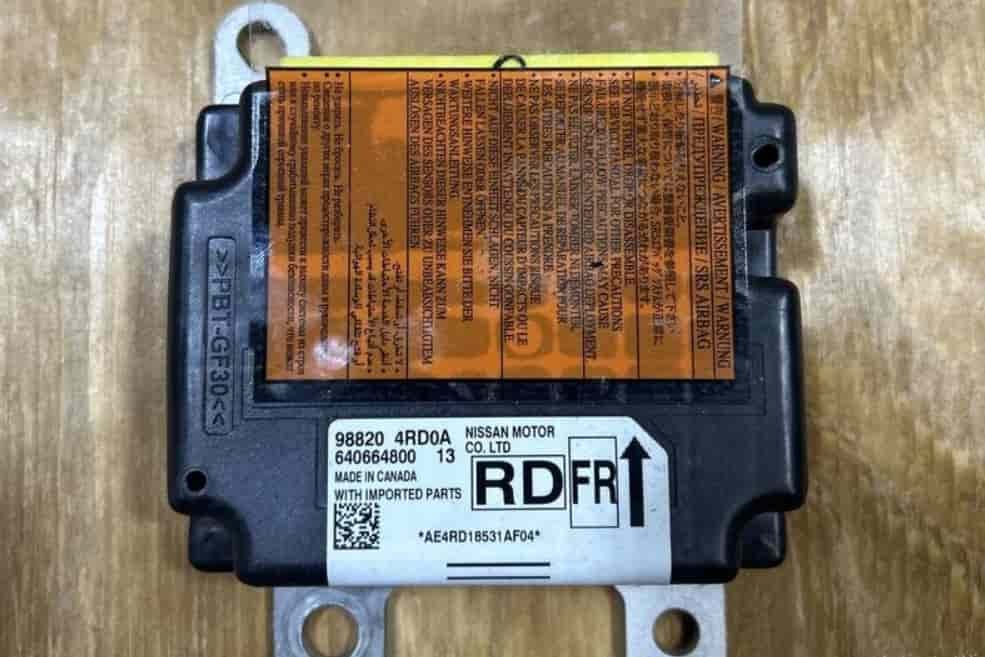
In some cases, the issue may come from the airbag control module itself. Although less common, a malfunctioning control unit can misinterpret signals or fail to process them correctly.
Finally, previous repairs or improper installations can introduce hidden faults. Even a slightly loose connector after maintenance work can lead to persistent airbag errors.
Identifying the exact cause is crucial because each problem requires a different repair approach. Guessing can lead to higher costs and unresolved issues.
How to Fix Nissan B0020-13 Fast
Fixing the Nissan B0020-13 error requires a careful and systematic approach. Since this issue involves the airbag system, safety should always be your top priority before attempting any repair.
The first step is to scan the vehicle using an OBD II diagnostic tool. This helps confirm the error code and identify if there are additional related faults. Relying only on the warning light can lead to misdiagnosis, so a proper scan is essential.
Next, inspect the wiring and connectors, especially under the front seats. These areas are highly prone to loose connections due to constant seat movement. Make sure all connectors are firmly attached and check for any signs of corrosion, damage, or bent pins. In many cases, simply securing a loose connection can resolve the issue.
After that, examine the clock spring inside the steering wheel. If you notice issues such as steering wheel buttons not working or unusual noises when turning, the clock spring may be faulty and require replacement. This component plays a key role in maintaining communication with the driver airbag.
If the problem persists, you may need to test or replace the airbag sensor. This step usually requires professional tools and expertise, as incorrect handling can trigger accidental airbag deployment.
Once repairs are completed, the system needs to be reset. This can be done using a diagnostic scanner or through specific manual reset procedures depending on the Nissan model.
It is important to remember that airbag systems are sensitive and potentially dangerous. If you are unsure at any stage, it is strongly recommended to seek help from a qualified technician. A quick fix is helpful, but a safe and correct repair is what truly matters.
Repair Cost for Nissan B0020-13
The cost to fix the Nissan B0020-13 error can vary significantly depending on the root cause of the problem. This is why proper diagnosis is crucial before committing to any repair.
In simpler cases, such as loose connectors or minor wiring issues, the cost can be relatively low. You might only need to pay for basic labor, which typically ranges from affordable to moderate depending on your location and service provider. These are the best case scenarios and can often be resolved quickly.
If the issue involves damaged wiring or corroded connectors, the cost increases slightly due to the time required to trace and repair the circuit. Electrical repairs can be tricky, and labor costs may become the main expense rather than the parts themselves.
For more serious problems, such as a faulty airbag sensor or a broken clock spring, the cost becomes noticeably higher. Replacing these components involves both parts and skilled labor. In some cases, the airbag control module may also need repair or replacement, which can significantly increase the total cost.
One major concern for many drivers is unexpected expenses. The Nissan B0020-13 error often appears without warning, making it difficult to plan financially. However, delaying the repair can lead to bigger problems and higher costs in the future.
A smart approach is to fix the issue early while it is still minor. Preventive action not only saves money but also ensures your vehicle’s safety system is always ready when you need it most.
Is It Safe to Drive with Nissan B0020-13?
The short answer is no, it is not safe to drive with the Nissan B0020-13 error, even if the vehicle seems to operate normally. This code indicates a problem within the airbag system, which is one of the most critical safety features in your car.
When this error is active, the airbag system may be partially or completely disabled. This means that in the event of a collision, the airbags might not deploy as intended. In some cases, they may not deploy at all. This creates a serious safety risk for both the driver and passengers, especially in high impact situations where airbags are designed to reduce injury.
What makes this issue more dangerous is the lack of obvious driving symptoms. The car can feel perfectly fine, giving drivers a false sense of security. However, safety systems operate independently from engine performance, so normal driving conditions do not guarantee protection during an accident.
There are also potential legal and inspection concerns. In many regions, a vehicle with an active airbag warning light may fail safety inspections or violate road safety regulations.
The best course of action is to address the issue as soon as possible. Continuing to drive without fixing the problem increases risk and can lead to more expensive repairs later.
Conclusion
The Nissan B0020-13 error is not just a minor technical issue that can be ignored. It is a direct warning that your vehicle’s airbag system may not function properly when you need it the most. Throughout this guide, you have learned what this code means, the common causes behind it, the warning signs to watch for, and how to fix it effectively.
One key takeaway is that this problem often starts small. A loose connector or minor wiring issue can trigger the warning, but if left unresolved, it can develop into a more serious and costly repair. More importantly, it can compromise your safety on the road.
Acting early is always the smartest decision. Diagnosing and fixing the Nissan B0020-13 error not only helps you avoid unexpected expenses but also ensures that your vehicle’s safety system is fully operational. This gives you peace of mind every time you drive.
If your Nissan is currently showing this error code, do not ignore it. Take action, perform a proper diagnosis, and fix the issue as soon as possible.
Have you ever experienced the Nissan B0020-13 error? What was the cause and how did you fix it? Share your experience or questions to help others make safer decisions.