Seeing the Check Engine Light appear on your Nissan can be frustrating, especially when a diagnostic scan reveals the P0456 trouble code. While this code may not seem as serious as an engine misfire or transmission problem, it should not be ignored. The Nissan P0456 code indicates that the vehicle’s Evaporative Emission Control System has detected a very small leak. Even a tiny leak can affect the system’s ability to contain fuel vapors and maintain proper emissions performance.
Modern Nissan vehicles use an advanced EVAP system to capture fuel vapors before they escape into the atmosphere. When the engine control module detects a pressure loss within the system, it stores the P0456 code and illuminates the Check Engine Light. In many cases, the vehicle may continue to drive normally, which often leads owners to postpone diagnosis and repairs. However, delaying repairs can make leak detection more difficult and may result in failed emissions inspections or additional EVAP related faults.
Understanding what causes a Nissan P0456 code is the first step toward resolving the issue. Common causes range from a loose gas cap to damaged EVAP hoses, faulty purge valves, malfunctioning vent control valves, or a failing charcoal canister. Identifying the root cause early can save both time and repair costs.
This guide explains everything you need to know about the Nissan P0456 code, including its meaning, symptoms, common causes, diagnostic procedures, repair methods, and expected repair costs. By the end of this article, you will have a clear understanding of how to diagnose and fix the problem effectively.
What Is the Nissan P0456 Code?
The Nissan P0456 code is a diagnostic trouble code that shows a small leak in the Evaporative Emission Control System, also called the EVAP system. The engine control module triggers this code when it detects a slight pressure drop inside the sealed fuel vapor system. It also turns on the Check Engine Light to alert the driver.
The EVAP system prevents fuel vapors from escaping into the air. It captures vapors from the fuel tank and sends them through hoses into a charcoal canister. The system then stores these vapors until the engine can burn them during normal operation. This process helps reduce emissions and improve environmental performance.
The P0456 code points to a very small leak. This makes it different from other EVAP codes that indicate larger leaks. A small leak does not always affect driving performance, but it still signals a problem in the sealed system.
A loose gas cap often triggers this code. However, other components can also cause it. These include cracked EVAP hoses, a faulty vent control valve, a bad purge valve, or a damaged charcoal canister. Because the leak is small, technicians often need special tools like a smoke machine to find the exact source.
The P0456 code is less severe than a P0455 code, which indicates a larger leak. Even so, drivers should not ignore it. The EVAP system must stay sealed to control emissions and pass inspection tests. Early diagnosis helps prevent more problems in the system.
Common Causes of Nissan P0456
The Nissan P0456 code appears when the EVAP system detects a very small leak. Several components can cause this issue. Some causes are simple and easy to fix, while others require detailed inspection.
A loose or damaged gas cap is the most common cause. The EVAP system relies on a tight seal at the fuel tank. When the gas cap does not seal properly, fuel vapors escape and trigger the code. Dirt, worn rubber seals, or improper tightening can also create this problem.
Cracked or disconnected EVAP hoses can also cause a leak. These hoses carry fuel vapors between the fuel tank, charcoal canister, and engine. Over time, heat and vibration can damage the hoses and create small cracks.
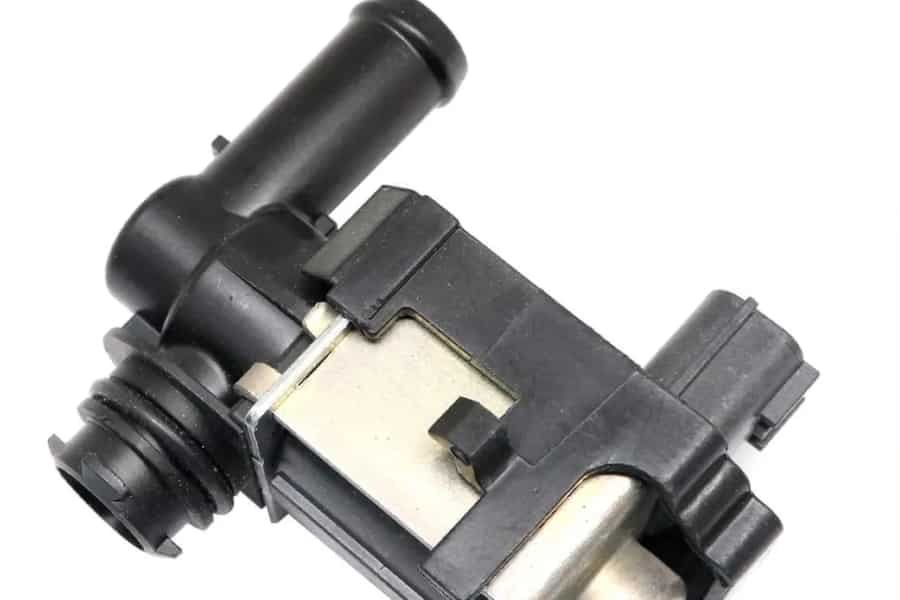
A faulty EVAP vent control valve can trigger the P0456 code. This valve controls airflow in and out of the EVAP system. When it sticks open or closed, the system cannot maintain proper pressure.
A defective purge volume control valve is another possible cause. This valve controls the flow of fuel vapors into the engine. If it leaks or fails to close completely, the system loses pressure.
A damaged charcoal canister can also create a small leak. The canister stores fuel vapors before they enter the engine. Cracks or internal damage allow vapors to escape and trigger the fault code.
In some cases, the fuel tank or filler neck develops small leaks. Rust, physical damage, or worn seals can affect the sealing surface. These issues often require a more detailed inspection to detect.
Electrical issues can also contribute to the problem. Faulty wiring or poor connections in EVAP components may prevent the system from working correctly. This can lead to false leak detection or inconsistent readings.
Each of these causes affects the sealed EVAP system. Even a very small leak can trigger the Nissan P0456 code. Proper diagnosis helps identify the exact source and prevents unnecessary part replacement.
How to Diagnose a Nissan P0456 Code
Proper diagnosis helps you find the exact source of the Nissan P0456 code. The EVAP system can develop very small leaks, so a structured approach improves accuracy and saves time.
Start by scanning the vehicle for additional trouble codes. Some Nissan models store multiple EVAP related codes at the same time. These extra codes help narrow down the problem area.
Inspect the gas cap first. Make sure it is tight and properly seated. Check the rubber seal for cracks, dryness, or damage. Replace the gas cap if it does not create a proper seal.
Check all EVAP hoses for visible damage. Look for cracks, loose connections, or disconnected lines. Follow the hose routing from the fuel tank to the charcoal canister and then to the engine bay. Even a small crack can cause a pressure leak.
Perform a smoke test if basic inspection does not reveal the issue. A smoke machine pushes harmless smoke into the EVAP system. The smoke escapes through any leak and makes the problem area visible. This method helps detect very small leaks that are hard to find visually.
Test the EVAP purge valve and vent control valve. These valves regulate pressure inside the system. A faulty valve may not open or close correctly, which leads to pressure imbalance. Use a scan tool or manual testing method to confirm proper operation.
Check the charcoal canister for cracks or fuel saturation. A damaged canister cannot store vapors correctly and may leak under pressure. Inspect the canister housing carefully for physical damage.
Inspect wiring and connectors related to EVAP components. Loose or corroded connections can affect sensor readings and valve operation. This can trigger false leak detection in the system.
A complete diagnosis focuses on both mechanical and electrical components. The P0456 code often results from a very small leak, so careful inspection is necessary to locate the exact cause.
How to Diagnose a Nissan P0456 Code
Proper diagnosis helps you find the exact source of the Nissan P0456 code. The EVAP system can develop very small leaks, so a structured approach improves accuracy and saves time.
Start by scanning the vehicle for additional trouble codes. Some Nissan models store multiple EVAP related codes at the same time. These extra codes help narrow down the problem area.
Inspect the gas cap first. Make sure it is tight and properly seated. Check the rubber seal for cracks, dryness, or damage. Replace the gas cap if it does not create a proper seal.
Check all EVAP hoses for visible damage. Look for cracks, loose connections, or disconnected lines. Follow the hose routing from the fuel tank to the charcoal canister and then to the engine bay. Even a small crack can cause a pressure leak.
Perform a smoke test if basic inspection does not reveal the issue. A smoke machine pushes harmless smoke into the EVAP system. The smoke escapes through any leak and makes the problem area visible. This method helps detect very small leaks that are hard to find visually.
Test the EVAP purge valve and vent control valve. These valves regulate pressure inside the system. A faulty valve may not open or close correctly, which leads to pressure imbalance. Use a scan tool or manual testing method to confirm proper operation.
Check the charcoal canister for cracks or fuel saturation. A damaged canister cannot store vapors correctly and may leak under pressure. Inspect the canister housing carefully for physical damage.
Inspect wiring and connectors related to EVAP components. Loose or corroded connections can affect sensor readings and valve operation. This can trigger false leak detection in the system.
A complete diagnosis focuses on both mechanical and electrical components. The P0456 code often results from a very small leak, so careful inspection is necessary to locate the exact cause.
How to Fix Nissan P0456
Fixing the Nissan P0456 code depends on the exact cause of the EVAP leak. After you identify the problem, you can apply the correct repair method to restore system performance.
Start by tightening or replacing the gas cap. Make sure the cap seals properly and clicks when tightened. Replace it if the rubber seal looks worn or cracked. This simple step often fixes the issue immediately.
Repair or replace damaged EVAP hoses. Inspect all vacuum and vapor lines connected to the fuel tank, charcoal canister, and engine. Replace any hose that shows cracks, leaks, or loose fittings. Secure all connections tightly to prevent future leaks.
Replace a faulty EVAP vent control valve if it does not open or close correctly. This valve controls airflow in the EVAP system. When it sticks, the system cannot maintain proper pressure, which triggers the P0456 code.
Replace a defective purge valve if it leaks or fails to seal. The purge valve controls vapor flow into the engine. A malfunctioning valve allows air to enter the system and causes a small leak condition.
Replace the charcoal canister if it is cracked or fuel saturated. A damaged canister cannot store fuel vapors correctly. In many cases, physical damage or internal breakdown requires full replacement.
After completing repairs, clear the trouble code using a scan tool. Then run a drive cycle to allow the EVAP system to retest itself. If the repair is successful, the Check Engine Light will not return.
Proper repair ensures the EVAP system stays sealed and functions correctly. This helps reduce emissions and keeps the vehicle compliant with inspection standards.
Can You Drive with a Nissan P0456 Code?
You can usually drive a Nissan with a P0456 code without immediate engine problems. This code relates to the EVAP system, which manages fuel vapors rather than engine combustion. Because of this, the vehicle often continues to run normally even when the code is present.
However, driving with a P0456 code is not ideal for a long period. The EVAP system plays an important role in controlling fuel vapor emissions. When the system has a small leak, it cannot maintain proper pressure. This affects how fuel vapors are stored and recycled.
In most cases, drivers do not notice performance issues. The engine still starts normally, idles smoothly, and accelerates without problems. This often leads many drivers to ignore the warning light. However, ignoring the issue can create long term risks.
A small EVAP leak can grow over time. Heat, vibration, and aging components can make the leak worse. A loose connection today can turn into a cracked hose or failed valve later. This increases repair costs and diagnostic difficulty.
You may also face inspection problems. Many regions require emissions testing, and a Nissan with a P0456 code can fail this test. This can delay registration or legal approval for road use depending on local rules.
Fuel vapor loss is another concern. Even a small leak allows vapors to escape. Over time, this reduces fuel efficiency slightly and affects environmental compliance.
For these reasons, you should not treat the P0456 code as harmless. You can still drive the vehicle for a short time, but you should schedule diagnosis and repair as soon as possible to avoid further EVAP system issues.
The repair cost for a Nissan P0456 code depends on the exact cause of the EVAP leak. Some fixes are very inexpensive, while others require more labor and parts replacement.
Replacing a gas cap is the cheapest solution. Most gas caps cost very little and solve the problem immediately when the seal is the issue.
Repairing or replacing EVAP hoses usually costs more. The price depends on the number of hoses that need replacement and the labor involved. Small hose repairs remain relatively affordable.
Replacing a purge valve or vent control valve increases the total cost. These components require more labor and diagnostic time. The cost also varies by Nissan model and engine layout.
Replacing a charcoal canister is the most expensive repair in most cases. This part has a complex design and often requires significant labor to access and install.
A professional smoke test also adds diagnostic cost. However, it helps identify small leaks quickly and avoids unnecessary part replacement.
Can You Drive with a Nissan P0456 Code?
You can usually drive a Nissan with a P0456 code without immediate engine problems. This code relates to the EVAP system, which manages fuel vapors rather than engine combustion. Because of this, the vehicle often continues to run normally even when the code is present.
However, driving with a P0456 code is not ideal for a long period. The EVAP system plays an important role in controlling fuel vapor emissions. When the system has a small leak, it cannot maintain proper pressure. This affects how fuel vapors are stored and recycled.
In most cases, drivers do not notice performance issues. The engine still starts normally, idles smoothly, and accelerates without problems. This often leads many drivers to ignore the warning light. However, ignoring the issue can create long term risks.
A small EVAP leak can grow over time. Heat, vibration, and aging components can make the leak worse. A loose connection today can turn into a cracked hose or failed valve later. This increases repair costs and diagnostic difficulty.
You may also face inspection problems. Many regions require emissions testing, and a Nissan with a P0456 code can fail this test. This can delay registration or legal approval for road use depending on local rules.
Fuel vapor loss is another concern. Even a small leak allows vapors to escape. Over time, this reduces fuel efficiency slightly and affects environmental compliance.
For these reasons, you should not treat the P0456 code as harmless. You can still drive the vehicle for a short time, but you should schedule diagnosis and repair as soon as possible to avoid further EVAP system issues.
Frequently Asked Questions
What does the Nissan P0456 code mean?
The code indicates a very small leak in the EVAP system. The system cannot hold fuel vapor pressure properly.
Is the Nissan P0456 code serious?
The code is not critical for engine operation. However, it still affects emissions control and should be fixed early.
Can a loose gas cap cause P0456?
Yes, a loose or damaged gas cap is the most common cause of this code.
How do you reset the Nissan P0456 code?
You can clear the code using an OBD2 scan tool after fixing the issue. The system may also clear it after several successful drive cycles.
How long does it take to fix P0456?
Simple repairs like a gas cap replacement take minutes. Complex EVAP diagnosis and repairs may take several hours.
Will P0456 go away on its own?
In some cases, the code may disappear temporarily. However, it will return if the leak is not fixed.
Conclusion
The Nissan P0456 code indicates a small leak in the EVAP system. Although the issue does not usually affect engine performance, it still plays an important role in emissions control and fuel vapor management. Ignoring this code can lead to inspection failure, fuel vapor loss, and more serious EVAP system problems over time.
Most causes of the P0456 code are simple. A loose gas cap, cracked EVAP hose, or faulty valve often triggers the issue. In some cases, the charcoal canister or other EVAP components may need replacement. Proper diagnosis helps identify the exact source of the leak and prevents unnecessary repairs.
A structured approach always works best. Start with the gas cap, then inspect hoses and valves. Use a smoke test if the leak is not visible. This method helps detect even the smallest EVAP system faults.
Fixing the issue early keeps the EVAP system sealed and working correctly. It also helps maintain fuel efficiency and ensures the vehicle meets emissions standards.
If your Nissan shows a P0456 code, do not ignore it for too long. A quick inspection and timely repair can save you money and prevent larger problems in the future.