
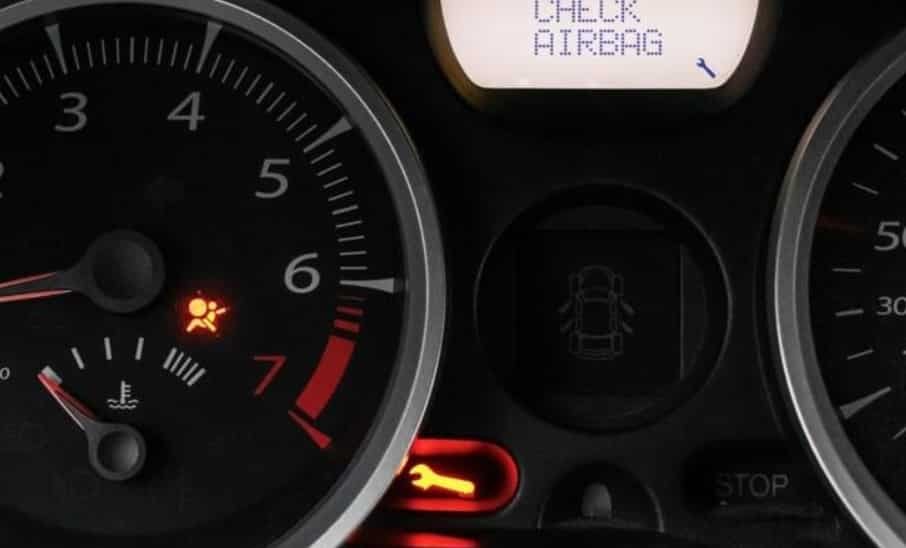
The Nissan B00A0-00 code often appears alongside an illuminated airbag warning light. Many drivers become concerned when they see this fault code because it affects a critical safety system. The code points to a problem within the Occupant Classification System. This system determines whether the front passenger airbag should deploy during a collision.
A malfunction in the Occupant Classification System can reduce airbag performance. In some cases, the system may incorrectly identify the passenger’s presence or weight. As a result, the airbag may not operate as intended. This issue can increase safety risks for vehicle occupants.
Several problems can trigger the Nissan B00A0-00 code. Common causes include a faulty occupant detection sensor, damaged wiring, loose connectors, or calibration errors. A failed control module can also generate this fault. Identifying the exact cause is essential before starting any repairs.
This guide explains the Nissan B00A0-00 code in detail. You will learn its meaning, symptoms, and common causes. You will also discover the diagnostic steps technicians use to find the source of the problem. Finally, we will cover proven repair solutions, estimated costs, and maintenance tips to help keep your Nissan airbag system operating safely.
What Does the Nissan B00A0-00 Code Mean?
The Nissan B00A0-00 code indicates a fault in the Occupant Classification System, commonly known as the OCS. Nissan uses this system to determine whether the front passenger airbag should activate during a collision. The system continuously monitors the passenger seat and sends data to the airbag control unit.
The Occupant Classification System relies on several components to function correctly. These components include the occupant detection sensor, seat weight sensor, wiring harnesses, and the OCS control module. Together, they identify whether the seat is empty, occupied by a child, or occupied by an adult passenger. Based on this information, the vehicle decides how the airbag system should respond.
When the Nissan B00A0-00 code appears, the system has detected abnormal data or a communication problem within the Occupant Classification System. In many cases, the vehicle stores the fault code and activates the airbag warning light on the dashboard. Some models may also illuminate the Passenger Airbag OFF indicator even when an adult occupies the seat.
Drivers often assume that the code points to a failed sensor. However, several issues can trigger the fault. Damaged wiring, loose connectors, failed calibration procedures, and module communication errors can all generate the Nissan B00A0-00 code. As a result, technicians must perform a complete diagnosis before replacing any parts.
Although the vehicle may continue to operate normally, the safety system may not perform as intended. For this reason, Nissan recommends diagnosing and repairing the issue as soon as possible. Restoring proper OCS operation helps ensure that the airbag system can provide the protection it was designed to deliver.
Common Causes of Nissan B00A0-00
The Nissan B00A0-00 code can appear for several reasons. Each cause affects the Occupant Classification System in a different way. Understanding these causes helps speed up the diagnostic process and avoids unnecessary part replacement.
A faulty occupant detection sensor is one of the most common causes. This sensor measures changes in pressure and weight on the passenger seat. When it fails, the system sends incorrect signals to the airbag control module.
Damaged or loose wiring under the passenger seat can also trigger the code. Movement of the seat can strain the wiring harness over time. This may lead to broken wires or poor electrical contact. Even a small interruption in signal can cause the system to set a fault.
A defective seat weight sensor can also create incorrect readings. This sensor plays a key role in identifying passenger presence. When it fails, the system may misinterpret seat occupancy.
In some cases, the OCS control module itself malfunctions. This module processes all data from the seat sensors. When it fails, it may send incorrect information or lose communication with the airbag system.
Improper calibration is another frequent cause. If the system has not been reset correctly after seat removal or repair, it may store incorrect baseline values. This leads to false fault detection.
Moisture damage under the seat can also affect connectors and sensors. Water exposure may cause corrosion and unstable signals. This issue often appears in vehicles exposed to flooding or heavy interior cleaning.
Symptoms of Nissan B00A0-00
The Nissan B00A0-00 code usually shows clear warning signs on the dashboard. The most common symptom is the airbag warning light staying on while driving. This happens when the Occupant Classification System detects a fault and sends an alert to the airbag control module.
Another frequent symptom is the Passenger Airbag OFF indicator remaining active even when an adult sits in the front seat. This suggests that the system cannot correctly identify passenger weight or presence. In this condition, the airbag may not deploy as expected during a crash.
Some vehicles show intermittent warnings. The airbag light may turn on and off without a clear pattern. This often points to loose wiring or unstable sensor signals under the passenger seat.
The system may also store additional diagnostic trouble codes. These codes can help technicians identify whether the issue comes from sensors, wiring, or the control module. A full scan often reveals multiple related faults.
In some cases, drivers do not notice any change in driving performance. The vehicle may feel normal during operation. However, the safety system may not function correctly, which creates a hidden risk.
Because of these symptoms, it is important to diagnose the Nissan B00A0-00 code early. Ignoring the warning signs can affect airbag performance and reduce passenger safety in an accident.
How to Diagnose Nissan B00A0-00 Code
Proper diagnosis of the Nissan B00A0-00 code requires a structured approach. Technicians start by scanning the vehicle with a professional diagnostic tool. This step confirms the presence of the code and checks for any additional airbag related faults. Identifying all stored codes helps avoid misdiagnosis.
After confirming the fault, the technician inspects the passenger seat area. They focus on the wiring harness under the seat because this area often experiences movement and stress. Loose connectors or damaged wires can interrupt signals from the Occupant Classification System.
Next, the technician checks live data from the Occupant Detection Sensor. This data shows whether the system correctly recognizes seat occupancy and weight changes. Abnormal readings usually indicate a sensor or calibration problem.
The inspection also includes the OCS control module. Technicians verify communication between the module and the airbag control unit. Any interruption in data transfer can trigger the Nissan B00A0-00 code.
If no physical damage is found, the system may require recalibration. Nissan uses a procedure called OCS Zero Point Reset. This process resets baseline values so the system can correctly interpret seat data. It must be done using approved diagnostic equipment such as Nissan CONSULT.
After repairs or calibration, the technician clears the fault codes. They then perform a system recheck to confirm that the airbag warning light does not return. This final step ensures that the Occupant Classification System operates correctly and safely.
Step-by-Step Troubleshooting Guide
The troubleshooting process for the Nissan B00A0-00 code follows a clear order. Each step helps isolate the root cause before replacing any components. This approach reduces repair costs and avoids unnecessary part replacement.
Step 1: Scan All Airbag System Codes
Start by scanning the full SRS system. Do not focus only on the B00A0-00 code. Additional codes may point to wiring issues, module faults, or sensor failures. Record all codes before clearing them.
Step 2: Inspect Passenger Seat Wiring
Check the wiring harness under the passenger seat. Move the seat forward and backward to identify loose connections. Look for damaged insulation, bent pins, or corrosion. Repair or secure any faulty wiring found during inspection.
Step 3: Check Electrical Connectors
Disconnect and inspect all connectors under the seat. Ensure each connector locks properly and shows no signs of moisture or dirt. Clean connectors if needed and reconnect them firmly.
Step 4: Test Occupant Detection Sensor
Use a diagnostic scanner to monitor live sensor data. Observe how the system reacts when weight is applied to the passenger seat. If readings do not change correctly, the sensor may be faulty.
Step 5: Perform OCS Calibration
If no hardware issue is found, perform an Occupant Classification System reset. This step restores factory baseline values. Use Nissan CONSULT or compatible diagnostic equipment to complete the OCS Zero Point Reset.
Step 6: Clear Codes and Retest System
After repairs or calibration, clear all stored fault codes. Start the vehicle and monitor the airbag warning light. If the code does not return, the system is functioning normally. If it returns, further diagnosis of the control module may be required.
How to Perform OCS Zero Point Reset
The OCS Zero Point Reset is a critical procedure for the Nissan Occupant Classification System. This process sets a new baseline value for the passenger seat sensor so the system can correctly detect occupant presence and weight. Without proper calibration, the airbag system may misread seat conditions and trigger the Nissan B00A0-00 code.
You need to perform an OCS reset after replacing the passenger seat, seat sensor, or OCS control module. It is also required when the seat has been removed for repair or when the system stores persistent calibration related faults. In some cases, the reset becomes necessary after the airbag warning light appears due to incorrect sensor data.
Before starting the calibration, ensure the passenger seat is completely empty. Do not place any objects on the seat or floor area. A stable battery voltage is also important because low voltage can interrupt the reset process and cause failure. Close all doors and keep the vehicle in a stable condition to avoid signal fluctuations during calibration.
To perform the reset, connect a professional diagnostic tool such as Nissan CONSULT to the vehicle OBD port. Enter the airbag system menu and locate the Occupant Classification System function. Follow the on screen instructions to start the Zero Point Reset process. The system will record the current sensor output and store it as the new reference value for future calculations.
After completion, clear all stored fault codes and restart the vehicle. Check the airbag warning light to confirm that it turns off. If the procedure is successful, the Occupant Classification System will operate normally and the Nissan B00A0-00 code will no longer return. If the reset fails, technicians must inspect wiring, sensors, or the control module before attempting calibration again.
Repair Solutions for Nissan B00A0-00
Repairing the Nissan B00A0-00 code requires identifying the exact failure within the Occupant Classification System. Each repair method depends on the root cause found during diagnosis. A correct approach ensures the airbag system returns to full safety performance without unnecessary parts replacement.
One of the most common repairs involves fixing damaged wiring under the passenger seat. Technicians repair broken wires, secure loose connections, and replace corroded terminals. This step often resolves intermittent signal issues that trigger the fault code.
If the occupant detection sensor is faulty, replacement becomes necessary. This sensor plays a key role in measuring seat pressure and weight. Once replaced, the system must be calibrated again to restore accurate readings.
In some cases, the passenger seat weight sensor assembly must be replaced. This happens when the sensor no longer responds correctly or produces unstable signals. After replacement, an OCS Zero Point Reset is required to ensure proper system calibration.
The OCS control module can also fail. When this happens, the system may lose communication with the airbag control unit. Replacing or reprogramming the module restores proper data processing and system stability.
After completing any repair, technicians must perform a full system check. They clear all fault codes and verify that the airbag warning light turns off. A final road or system test confirms that the Occupant Classification System operates correctly and no longer triggers the Nissan B00A0-00 code.
Nissan Models Commonly Affected by B00A0-00
The Nissan B00A0-00 code can appear across a wide range of Nissan and Infiniti vehicles that use the Occupant Classification System. This system is integrated into modern safety architecture to control passenger airbag deployment based on seat occupancy and weight detection. When a fault occurs in sensors, wiring, or calibration, the system may store the B00A0-00 code and activate the airbag warning light.
Several Nissan models are more frequently associated with this issue due to shared platform design and similar OCS components. Common affected models include Nissan Altima, Nissan Sentra, Nissan Rogue, Nissan Murano, and Nissan Pathfinder. These vehicles use passenger seat sensor systems that are sensitive to wiring movement and connector conditions under the seat. Over time, normal seat adjustments or interior repairs can affect signal stability and lead to system faults.
In addition to Nissan models, certain Infiniti vehicles that share the same Occupant Classification System design may also experience the B00A0-00 code. These models typically use similar sensor configurations and airbag control logic, which means they can show the same symptoms when calibration or communication issues occur.
In most cases, the problem does not come from a specific vehicle model but from shared system components. This includes the occupant detection sensor, seat weight sensor, wiring harness, or OCS control module. Understanding that the issue is system related rather than model specific helps technicians diagnose the problem more efficiently and avoid unnecessary part replacement.
Frequently Asked Questions
Can I drive with the Nissan B00A0-00 code
You can still drive the vehicle, but the airbag system may not function correctly. This can reduce passenger protection in a collision, so immediate diagnosis is recommended.
Will disconnecting the battery clear the code
Disconnecting the battery will not permanently fix the issue. The code will return if the underlying fault in the system is not repaired.
Is OCS calibration necessary after repairs
OCS calibration is required after replacing sensors, seats, or related components. It ensures the system correctly recognizes passenger weight and occupancy.
Can a weak battery trigger this code
A weak or unstable battery can affect sensor communication. This may lead to false readings and trigger the Nissan B00A0-00 code.
Conclusion
The Nissan B00A0-00 code indicates a fault in the Occupant Classification System, which directly affects passenger airbag operation. This system plays a key role in determining how the airbag deploys during an accident. When the system fails, safety performance may be reduced, making timely diagnosis very important.
Proper troubleshooting helps identify whether the issue comes from wiring, sensors, or control modules. Most problems can be resolved through targeted repairs and correct calibration procedures. Regular inspection of under seat wiring and careful handling during seat removal can help prevent this issue from returning.
Once the system is repaired and calibrated correctly, the airbag warning light will turn off. The vehicle will then restore full Occupant Classification System functionality and ensure proper passenger safety protection.