Finding the best year for Nissan Rogue can save you thousands of dollars in future repair costs. Many buyers focus on mileage and price when shopping for a used SUV. However, the model year often plays an even bigger role in long term ownership satisfaction.
The Nissan Rogue remains one of the most popular compact SUVs in its segment. It offers a comfortable ride, practical interior space, and strong fuel economy. Yet not every Nissan Rogue delivers the same level of reliability. Some model years have earned praise for their dependability and low maintenance costs. Others have developed a reputation for transmission issues, electrical problems, and expensive repairs.
Choosing the wrong model year can lead to frustration and unexpected expenses. In contrast, selecting a proven model can provide years of dependable performance. It can also help you maintain a higher resale value and reduce ownership costs over time.
In this guide, you will discover the best Nissan Rogue years to buy and the years that many experts recommend avoiding. You will also learn about common problems, reliability trends, and key factors that affect long term ownership. By the end, you will have the information needed to choose the right Nissan Rogue with confidence.
Why Choosing the Right Nissan Rogue Model Year Matters
Choosing the right Nissan Rogue model year can make a significant difference in your overall ownership experience. While many used SUVs may appear similar in terms of mileage, features, and pricing, reliability often varies from one model year to another. Some Nissan Rogue models have earned a reputation for dependable performance and low maintenance costs, while others have been associated with transmission issues, electrical problems, and expensive repairs. As a result, understanding the strengths and weaknesses of each model year is essential before making a purchase decision.
Reliability is one of the biggest concerns for used car buyers, especially when investing in a vehicle that may already have several years of wear and tear. A well regarded Nissan Rogue model can provide years of trouble free driving and lower ownership costs. In contrast, choosing a model year with a history of recurring mechanical issues may lead to frequent visits to the repair shop and unexpected expenses. This is particularly important because repair costs can quickly exceed any savings gained from a lower purchase price. Buyers who research reliability ratings, owner feedback, and common problem areas often make more informed decisions and enjoy greater long term value.
Another factor to consider is the difference in technology, safety features, and fuel efficiency across generations. Newer Nissan Rogue models benefit from updated driver assistance systems, improved interior quality, and enhanced crash protection. At the same time, some older models remain attractive because of their affordability and proven reliability records. By comparing model years carefully, buyers can identify the Nissan Rogue that best fits their budget, driving needs, and expectations for long term ownership.
Nissan Rogue Generations at a Glance
The Nissan Rogue has gone through several generations, and each one reflects different levels of reliability, comfort, and technology. Understanding these generations is important because it helps you quickly identify which model years offer better long term value and which ones may come with more risks. While the name remains the same, the engineering, design, and features have changed significantly over time, creating clear differences in ownership experience.
The first generation of the Nissan Rogue, produced from 2008 to 2013, introduced the model as a compact and affordable SUV. It delivered good fuel efficiency and a comfortable driving experience for its time. However, this generation is also known for several reliability concerns, especially related to its continuously variable transmission system. As these vehicles age, maintenance costs and mechanical issues tend to increase, which makes careful inspection very important for buyers considering older used models.
The second generation, which runs from 2014 to 2020, brought improvements in interior space, safety features, and overall practicality. Nissan focused on making the Rogue more family friendly and competitive in the compact SUV market. While this generation is more refined than the first, some model years still faced complaints about transmission performance and electronic system issues. Toward the later years of this generation, reliability generally improved, making certain years more attractive for used car buyers.
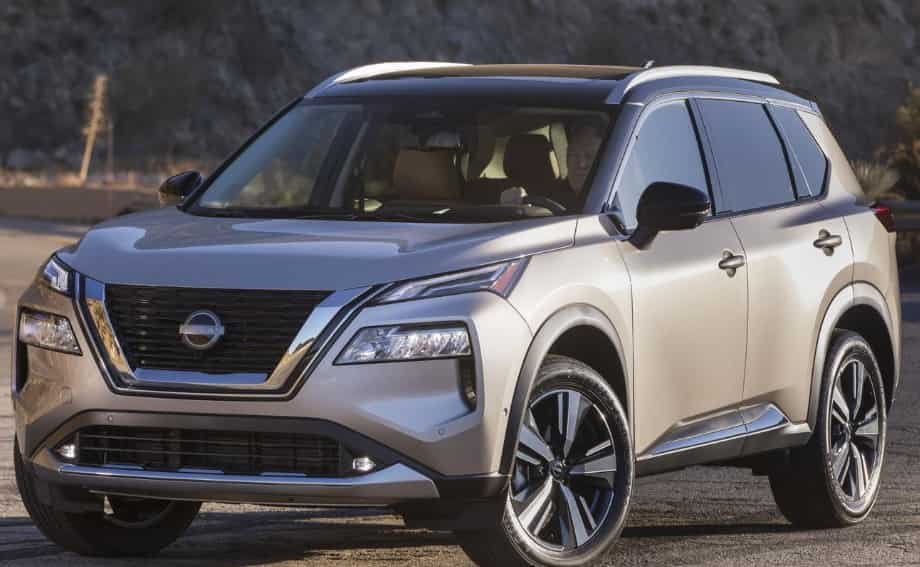
The third generation, starting in 2021 and continuing to the present, represents a major redesign. This generation introduces a more modern platform, upgraded safety technology, and improved driving comfort. It is widely considered the most advanced and refined version of the Nissan Rogue so far. Many buyers see this generation as the safest choice for long term ownership due to its stronger reliability record and updated engineering.
Nissan Rogue Generations at a Glance
The Nissan Rogue has gone through several generations, and each one reflects different levels of reliability, comfort, and technology. Understanding these generations is important because it helps you quickly identify which model years offer better long term value and which ones may come with more risks. While the name remains the same, the engineering, design, and features have changed significantly over time, creating clear differences in ownership experience.
The first generation of the Nissan Rogue, produced from 2008 to 2013, introduced the model as a compact and affordable SUV. It delivered good fuel efficiency and a comfortable driving experience for its time. However, this generation is also known for several reliability concerns, especially related to its continuously variable transmission system. As these vehicles age, maintenance costs and mechanical issues tend to increase, which makes careful inspection very important for buyers considering older used models.
The second generation, which runs from 2014 to 2020, brought improvements in interior space, safety features, and overall practicality. Nissan focused on making the Rogue more family friendly and competitive in the compact SUV market. While this generation is more refined than the first, some model years still faced complaints about transmission performance and electronic system issues. Toward the later years of this generation, reliability generally improved, making certain years more attractive for used car buyers.
The third generation, starting in 2021 and continuing to the present, represents a major redesign. This generation introduces a more modern platform, upgraded safety technology, and improved driving comfort. It is widely considered the most advanced and refined version of the Nissan Rogue so far. Many buyers see this generation as the safest choice for long term ownership due to its stronger reliability record and updated engineering.
Best Nissan Rogue Years to Buy
When it comes to choosing the best Nissan Rogue years, buyers should focus on reliability, ownership costs, and long term durability. Not all model years deliver the same value, so selecting the right one can help you avoid common issues and enjoy a smoother ownership experience. Some Nissan Rogue models stand out because they combine strong reliability records with reasonable pricing in the used car market.
The 2021 Nissan Rogue is widely considered one of the best options available. This model year introduced a full redesign with a more modern platform, improved safety systems, and better interior quality. It also benefits from updated engineering that enhances driving comfort and reduces many of the issues seen in earlier generations. For buyers who want a newer SUV with strong long term potential, this is often the top choice.
The 2022 Nissan Rogue continues the improvements introduced in the redesign. It offers refined technology features, good fuel efficiency, and a more comfortable driving experience. Many owners report fewer problems compared to older generations, making it a reliable option for daily commuting and family use. Its balance between modern features and proven performance makes it attractive in the used market.
The 2020 Nissan Rogue is another strong candidate, especially for buyers looking for a more affordable option. As one of the final years of the second generation, it benefits from years of incremental improvements. This model has a more stable reliability record compared to earlier second generation years, which makes it a safer choice for budget conscious buyers.
The 2017 Nissan Rogue is also worth considering due to its mid cycle refresh. This update improved interior comfort and added better technology features compared to earlier models. It is often seen as a practical option for buyers who want a balance between price and reliability without moving into the newest generation.
Overall, the best Nissan Rogue years tend to be those that either belong to the latest generation or represent the most refined point of the previous one. These models typically offer fewer mechanical issues, better safety features, and lower long term ownership costs.
Nissan Rogue Years to Avoid
Not every Nissan Rogue model year delivers a reliable ownership experience. Some years create higher repair risks and unexpected maintenance costs. That is why buyers need to know which Nissan Rogue years to avoid before making a purchase. Certain model years show more problems with transmission, electronics, and overall durability. These issues often lead to frustration and higher long term costs.
The 2008 Nissan Rogue is one of the weakest model years. It was the first production year, so Nissan still worked out early design issues. Many owners reported transmission problems and unstable long term performance. As these vehicles age, repair costs often increase. Because of this, most buyers avoid this model year unless the car has exceptional maintenance records.
The 2013 Nissan Rogue also shows several reliability concerns. Owners reported transmission hesitation and inconsistent drivetrain performance. Some vehicles also required more frequent repairs compared to later models. These problems reduce long term value and make this year less attractive in the used SUV market.
The 2014 Nissan Rogue introduced a new generation, but early units still faced common redesign issues. Many drivers experienced rough transmission behavior and electronic system glitches. Nissan improved later model years, but this early version still carries higher risk for used buyers.
The 2015 Nissan Rogue continues to show mixed reliability results. Some owners experienced electrical faults and uneven performance in daily driving. Although Nissan made improvements over time, this model year still does not match the reliability of newer versions.
In general, early production years of each Nissan Rogue generation create more risk for buyers. Later model years usually fix early design problems and offer better long term reliability. For this reason, buyers should focus on updated versions if they want a safer and more predictable ownership experience.
Common Nissan Rogue Problems by Model Year
The Nissan Rogue has become one of the most popular compact SUVs, but it still shows some recurring issues across different model years. These problems do not affect every vehicle, but they appear often enough to influence buying decisions. Understanding these issues helps buyers avoid expensive repairs and choose a more reliable model year.
One of the most well known issues involves the CVT transmission system. Some Nissan Rogue models experience hesitation during acceleration and rough shifting behavior. In certain cases, owners also report early transmission wear that leads to costly repairs. This issue appears more often in older model years, especially in early generations. Later models show improvements, but buyers still need to inspect transmission condition carefully before purchase.
Electrical system problems also appear in several Nissan Rogue model years. Some drivers report battery drain, sensor malfunctions, and infotainment system glitches. These issues may seem minor at first, but they can affect daily usability and create frustration over time. Newer generations improve electrical reliability, but older models still show inconsistent performance in this area.
Suspension and steering concerns also appear in some versions of the Nissan Rogue. Owners sometimes report uneven tire wear, noise from the suspension system, and reduced steering comfort. These issues often develop as the vehicle ages or when maintenance history is unclear. Regular servicing helps reduce these problems, but they still influence long term ownership costs.
Brake system complaints also exist in certain model years. Some drivers notice premature brake wear or reduced braking performance over time. While these issues are not unique to the Nissan Rogue, they appear often enough to be part of the overall reliability discussion.
In general, most Nissan Rogue problems concentrate in older model years and early production runs of each generation. Newer models show better engineering, improved components, and stronger reliability records. Buyers who focus on well reviewed model years and verified maintenance history reduce the risk of facing these common issues and enjoy a more stable ownership experience.
Final Verdict
Choosing the best year for Nissan Rogue depends on your budget, driving needs, and tolerance for risk. Some model years clearly offer better reliability and lower ownership costs, while others create more maintenance concerns over time. A careful comparison helps you avoid problem years and focus on models that deliver long term value.
The strongest overall choices usually come from the latest generation, especially the 2021 Nissan Rogue and 2022 Nissan Rogue. These models benefit from a full redesign that improves safety, comfort, and driving performance. They also show better reliability records compared to older generations. For many buyers, these two model years offer the best balance between modern features and long term dependability.
If you want a more affordable option, the 2020 Nissan Rogue can still be a smart choice. It represents the final stage of a mature generation, so it avoids many early design issues. The 2017 Nissan Rogue also stands out as a practical option because it offers a good mix of value and improved features after its mid cycle refresh.
At the same time, buyers should avoid early production years such as the 2008 Nissan Rogue, 2013 Nissan Rogue, 2014 Nissan Rogue, and 2015 Nissan Rogue. These model years show more frequent issues with transmission performance, electrical systems, and overall durability. Choosing these vehicles increases the risk of higher repair costs and lower long term satisfaction.
In the end, the best Nissan Rogue year is the one that matches both reliability and ownership cost expectations. Later model years generally provide a safer choice for most buyers. Always check maintenance history, verify recalls, and inspect the vehicle carefully before making a final decision. This approach helps you choose a Nissan Rogue that delivers consistent performance and long lasting value.