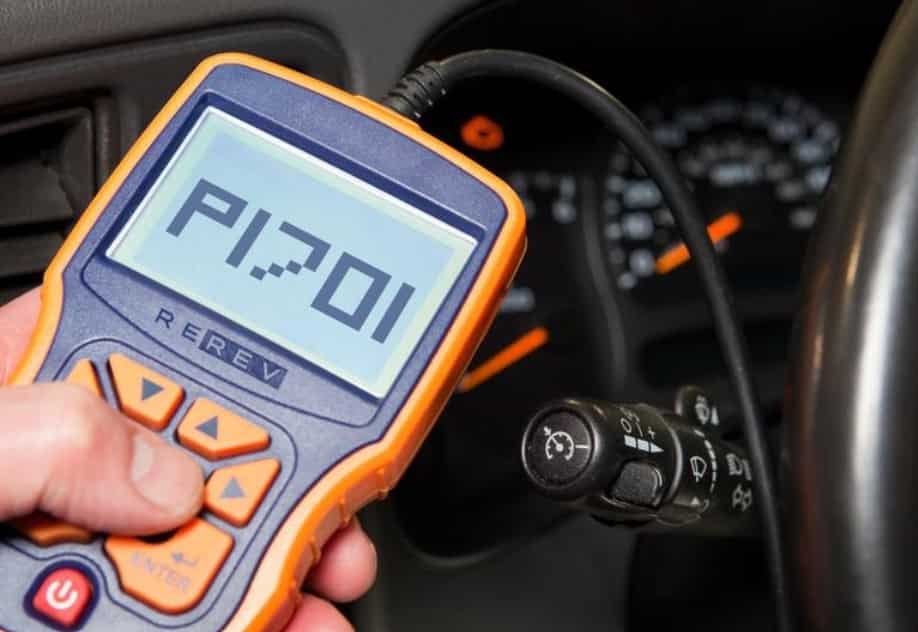
The Nissan P1701 code is a transmission related diagnostic trouble code that shows a problem with the vehicle’s transmission control system. The code often relates to the Transmission Control Module (TCM). This module controls transmission operations such as shifting, gear selection, and system communication.
Drivers may notice several changes when this code appears. The vehicle can show warning lights, shifting problems, or unusual transmission behavior. However, the code does not always point to one specific failed part. Different issues can trigger Nissan P1701.
Common causes include TCM communication problems, damaged wiring, sensor failures, and transmission related issues. Each cause affects the transmission system in a different way. A correct diagnosis helps identify the actual source before any repair begins.
This guide explains Nissan P1701 code meaning, common causes, symptoms, diagnosis methods, and repair solutions. It also covers driving risks and possible repair costs. Understanding this code helps Nissan owners choose the right solution and avoid unnecessary part replacement.
What Does Nissan P1701 Code Mean?
The Nissan P1701 code means that the vehicle has detected a problem related to the transmission control system. Nissan uses this diagnostic trouble code (DTC) to identify issues that affect communication or operation between the transmission system and its control modules. The Transmission Control Module (TCM) plays a central role because it monitors transmission functions and adjusts shifting operations based on vehicle conditions.
The TCM works together with other electronic components to maintain proper transmission performance. It receives information from sensors, processes data, and sends commands to control gear changes. When the system detects an abnormal signal, communication problem, or control issue, it stores the P1701 code and activates the warning system.
Nissan P1701 is not a single component failure code. The code identifies a system level problem that requires further testing. A damaged wire, faulty sensor, software issue, or transmission control problem can create the same code. Technicians need to check related components before replacing any parts.
This code belongs to the transmission related diagnostic category rather than the engine performance category. It connects with important entities such as the Automatic Transmission, Continuously Variable Transmission (CVT), Transmission Control Module, Engine Control Module (ECM), and vehicle communication network. Understanding these relationships helps technicians locate the source of the problem faster.
The exact meaning of Nissan P1701 can vary depending on the vehicle model, transmission type, and production year. Nissan vehicles such as Altima, Sentra, Rogue, Maxima, and Pathfinder may use different transmission systems, so the diagnostic process must follow the specific service information for each model.
What Causes Nissan P1701 Code?
The Nissan P1701 code has 4 main causes: Transmission Control Module problems, electrical issues, sensor failures, and transmission related conditions. Each cause affects the transmission control system differently. A proper diagnosis must identify the specific failure point because the same code can appear from different problems.
Transmission Control Module (TCM) problems are one of the common causes of Nissan P1701 code. The TCM controls transmission functions by processing information from sensors and communicating with other vehicle modules. When the module develops software errors, internal faults, or communication problems, it may fail to control transmission operations correctly. In some cases, a TCM software update or reprogramming procedure can correct the issue without replacing the module.
Electrical problems can also trigger Nissan P1701 by interrupting communication between transmission components and control modules. The transmission system depends on stable electrical signals to operate correctly. Damaged wiring harnesses, corroded connectors, loose connections, or unstable voltage can prevent the TCM from receiving accurate information. For example, a damaged wire near the transmission housing can create intermittent communication failures that store the P1701 code.
Faulty transmission sensors can cause incorrect data readings and activate Nissan P1701. Sensors such as the transmission range sensor and speed sensors provide important information about vehicle operation. When these sensors send incorrect signals, the TCM may detect an abnormal condition and limit transmission functions. Testing sensor output before replacement helps prevent unnecessary repairs.
Transmission fluid problems can contribute to Nissan P1701 in certain situations. Low fluid levels, incorrect fluid types, or poor fluid conditions can affect hydraulic pressure and transmission performance. This issue is especially important in Nissan models equipped with CVT transmissions because proper fluid condition directly affects system operation. Checking fluid condition and following Nissan service specifications are important steps during diagnosis.
Because Nissan P1701 can result from multiple sources, replacing parts based only on the stored code is not an effective repair method. A complete inspection of electrical systems, transmission components, and control modules provides a more accurate solution.
What Are the Symptoms of Nissan P1701 Code?
The Nissan P1701 code can cause 5 main symptoms: warning lights, shifting problems, delayed transmission response, reduced performance, and abnormal driving behavior. These symptoms happen because the transmission control system cannot manage communication and operation correctly. The severity depends on the actual cause behind the code and the condition of related components.
The Check Engine Light is one of the first signs associated with Nissan P1701. The Engine Control Module (ECM) stores the diagnostic trouble code when it detects an abnormal transmission system signal. The warning light informs the driver that the vehicle requires further inspection. However, the Check Engine Light alone does not identify the exact failed component.
Transmission shifting problems are another common symptom of Nissan P1701. Drivers may experience delayed gear engagement, harsh shifting, or incorrect gear changes. These problems occur because the Transmission Control Module (TCM) uses sensor information and electrical signals to control shifting decisions. When communication becomes unstable, the transmission may not respond correctly.
Some vehicles with Nissan P1701 may enter reduced performance mode, also called limp mode. This safety function limits transmission operation to prevent additional damage. The vehicle may restrict available gears, reduce acceleration, or create unusual driving behavior. Limp mode helps protect transmission components until the system receives proper diagnosis.
Nissan P1701 can also create inconsistent transmission behavior during normal driving. A driver may notice hesitation when accelerating, unexpected shifting patterns, or changes in vehicle response. These symptoms often appear because the transmission system cannot receive or process accurate operating information.
The symptoms of Nissan P1701 can overlap with other transmission problems. For this reason, drivers should not rely only on symptoms to determine the repair. A diagnostic scan and component inspection are necessary to confirm the actual cause of the code.
How Do You Diagnose Nissan P1701 Code?
You diagnose Nissan P1701 code by scanning the vehicle, checking related data, inspecting electrical connections, and testing transmission control components. A complete diagnosis identifies the actual cause instead of replacing parts based only on the stored trouble code. Because Nissan P1701 can come from different system failures, technicians follow a step by step inspection process.
The first diagnostic step is reading the stored codes with an OBD-II scanner. The scanner retrieves Nissan P1701 and any additional diagnostic trouble codes (DTCs) stored in the vehicle computer. Related codes can provide important information because transmission communication problems often trigger multiple codes at the same time. Technicians also review freeze frame data to understand the vehicle condition when the system detected the fault.
The next step is inspecting the transmission wiring and electrical connections. The technician checks the wiring harness, connectors, and terminals connected to the Transmission Control Module (TCM) and transmission components. Corrosion, damaged insulation, loose connectors, or broken wires can interrupt electrical signals. A visual inspection can often reveal problems before advanced testing begins.
Electrical testing helps confirm whether the transmission system receives and sends correct signals. Technicians use voltage tests and continuity tests to measure electrical flow through related circuits. These tests show whether the wiring system can transfer information between the TCM, sensors, and other vehicle modules.
The Transmission Control Module requires additional testing when electrical systems work correctly. Technicians check TCM communication, software condition, and programming status. Some Nissan P1701 cases require a TCM software update or reprogramming procedure rather than physical part replacement.
The final diagnostic stage evaluates transmission components and operating conditions. Technicians inspect transmission fluid condition, sensor performance, and transmission operation. This step helps separate electronic problems from mechanical transmission failures.
A correct Nissan P1701 diagnosis combines electronic testing and mechanical inspection. This approach reduces unnecessary repairs and ensures that the repair targets the actual source of the problem.
How Do You Fix Nissan P1701 Code?
You fix Nissan P1701 code by repairing the failed component that causes the transmission control system problem. The correct repair depends on the diagnostic results because Nissan P1701 does not identify one specific damaged part. A technician must confirm the cause before performing repairs.
Repairing damaged wiring is one solution when electrical problems trigger Nissan P1701. Technicians repair broken wires, clean corroded connectors, and secure loose electrical connections. Stable electrical communication allows the Transmission Control Module (TCM) to exchange accurate signals with transmission components. For example, repairing a damaged connector near the transmission can restore normal communication without replacing expensive modules.
Updating or reprogramming the Transmission Control Module can fix Nissan P1701 when software problems cause the fault. The TCM uses programmed data to control transmission operation. If the software contains errors or does not communicate correctly with other vehicle systems, a Nissan service procedure may require a software update. This repair restores proper module operation without replacing the entire unit.
Replacing faulty sensors can solve Nissan P1701 when incorrect signals affect transmission control. Sensors such as the transmission range sensor or speed sensors provide important information to the TCM. When testing confirms that a sensor sends inaccurate data, replacement can restore correct transmission operation.
Transmission fluid service can help when fluid condition affects transmission performance. Low fluid levels, contaminated fluid, or incorrect fluid specifications can reduce transmission efficiency. This issue requires special attention in Nissan vehicles with CVT transmissions because the transmission depends on the correct fluid type and condition.
Transmission repair may become necessary when mechanical problems create the P1701 code. Internal transmission damage, hydraulic problems, or severe component wear require deeper inspection. These cases usually involve more extensive repairs compared with electrical or software related issues.
The best repair approach for Nissan P1701 starts with accurate diagnosis. Replacing parts without testing can increase repair costs and may not solve the original problem. A targeted repair based on test results provides a more reliable solution.
Can You Drive a Nissan With P1701 Code?
You can drive a Nissan with P1701 code in some situations, but continued driving depends on the severity of the transmission problem. The code itself does not always mean immediate transmission failure. However, ignoring the issue can allow a small electrical or control problem to develop into a more serious transmission condition.
A Nissan with P1701 may remain drivable when the vehicle shows no major performance changes. If the transmission shifts normally, the vehicle responds correctly, and only the warning light appears, a short drive to a repair facility may be possible. The driver should still schedule a diagnostic inspection because the transmission control system has detected an abnormal condition.
Driving becomes risky when Nissan P1701 causes shifting problems or reduced performance. Symptoms such as harsh shifting, delayed gear engagement, slipping, hesitation, or limp mode indicate that the transmission system cannot operate normally. These conditions can affect vehicle control and may increase the risk of additional transmission damage.
The vehicle should receive immediate inspection when severe symptoms appear. A driver should avoid extended trips if the transmission behaves unpredictably, the warning lights increase, or the vehicle cannot change gears properly. A damaged transmission component or communication failure can worsen when the system continues to operate under abnormal conditions.
The safest approach is to diagnose Nissan P1701 as soon as possible. Early inspection helps identify whether the problem comes from wiring, sensors, software, or internal transmission components. Correct diagnosis reduces repair costs and prevents unnecessary damage to the transmission system.
How Much Does It Cost to Fix Nissan P1701 Code?
The cost to fix Nissan P1701 code depends on the failed component, diagnostic time, and required repair method. A simple electrical repair usually costs less than a Transmission Control Module replacement or internal transmission repair. The final cost varies based on the Nissan model, transmission type, labor rates, and the actual cause of the fault.
The first repair cost usually comes from diagnostic testing. A technician needs to scan the vehicle, check stored codes, review freeze frame data, and inspect related transmission systems. Professional diagnosis helps prevent unnecessary part replacement because Nissan P1701 can come from several different causes.
Electrical repairs usually have lower costs compared with major transmission repairs. Damaged wiring, loose connectors, or corroded terminals may only require repair or cleaning. These problems often involve less labor because technicians can restore communication without replacing expensive components.
Sensor replacement creates a moderate repair cost depending on the affected component and vehicle model. The transmission range sensor, speed sensors, or other related components require testing before replacement. Confirming sensor failure prevents replacing working parts that do not solve the original issue.
Transmission Control Module repairs can create higher costs because the module requires specialized procedures. Some Nissan P1701 cases need software updates or TCM reprogramming, while others require module replacement. Programming procedures may require manufacturer specific equipment to ensure correct communication with the vehicle system.
Internal transmission repairs usually represent the highest repair cost scenario. If diagnosis identifies mechanical damage, hydraulic problems, or serious transmission wear, the repair may involve significant labor and replacement components. CVT equipped Nissan models may require additional inspection because the transmission design uses specific operating systems and fluid requirements.
The best way to control Nissan P1701 repair costs is to complete accurate diagnosis before replacing components. Identifying the exact failure source allows the repair process to focus on the affected system instead of replacing multiple parts unnecessarily.
Which Nissan Models Can Experience P1701 Code?
Nissan P1701 code can appear on multiple Nissan models because it relates to the transmission control system rather than one specific vehicle model. Different Nissan vehicles use different transmission designs, but they share similar electronic control systems that monitor transmission operation. When the system detects abnormal communication or control signals, it can store the P1701 diagnostic trouble code.
Nissan Altima is one model that can experience transmission related diagnostic issues connected with electronic control systems. Many Altima models use automatic or CVT transmissions that depend on the Transmission Control Module (TCM) for proper operation. Problems with sensors, wiring, or module communication can affect how the transmission responds during driving.
Nissan Sentra can also experience P1701 when transmission control components develop faults. Sentra models equipped with CVT transmissions rely on accurate electronic signals to manage acceleration and shifting behavior. A communication problem between control modules or transmission components can trigger diagnostic codes.
Nissan Rogue, Nissan Maxima, and Nissan Pathfinder may also show P1701 when the transmission control system detects abnormal conditions. These vehicles use advanced transmission management systems that combine sensors, control modules, and electronic communication networks. A failure in any connected component can affect transmission operation.
Nissan vehicles with CVT transmissions require careful diagnosis when P1701 appears. CVT systems operate differently from traditional automatic transmissions because they use a continuously variable gear system controlled by electronic inputs. Technicians must evaluate the complete transmission control system instead of assuming the transmission itself has failed.
The Nissan P1701 code is not limited to one vehicle model or production year. The exact cause depends on the vehicle configuration, transmission type, mileage, and maintenance history. Checking the specific Nissan service information for each model provides the most accurate diagnostic direction.
How Should You Handle Nissan P1701 Code?
You should handle Nissan P1701 code by identifying the actual cause before starting any repair. This diagnostic trouble code shows that the transmission control system has detected a problem, but it does not point to one specific failed component. A complete inspection helps determine whether the issue comes from the Transmission Control Module, electrical connections, sensors, transmission fluid, or internal transmission components.
Nissan P1701 diagnosis requires a structured approach. Technicians should scan the vehicle, review related codes, inspect wiring, test electrical signals, and evaluate transmission operation. This process prevents unnecessary part replacement and helps create a more accurate repair plan.
Drivers should not ignore Nissan P1701, especially when the vehicle shows shifting problems, reduced performance, or unusual transmission behavior. Early diagnosis can prevent minor control or electrical issues from becoming more expensive transmission repairs.
Understanding Nissan P1701 code meaning, causes, symptoms, diagnosis methods, and repair solutions allows vehicle owners to make better maintenance decisions. The most effective solution always starts with accurate testing and a repair strategy based on the actual failure source.