
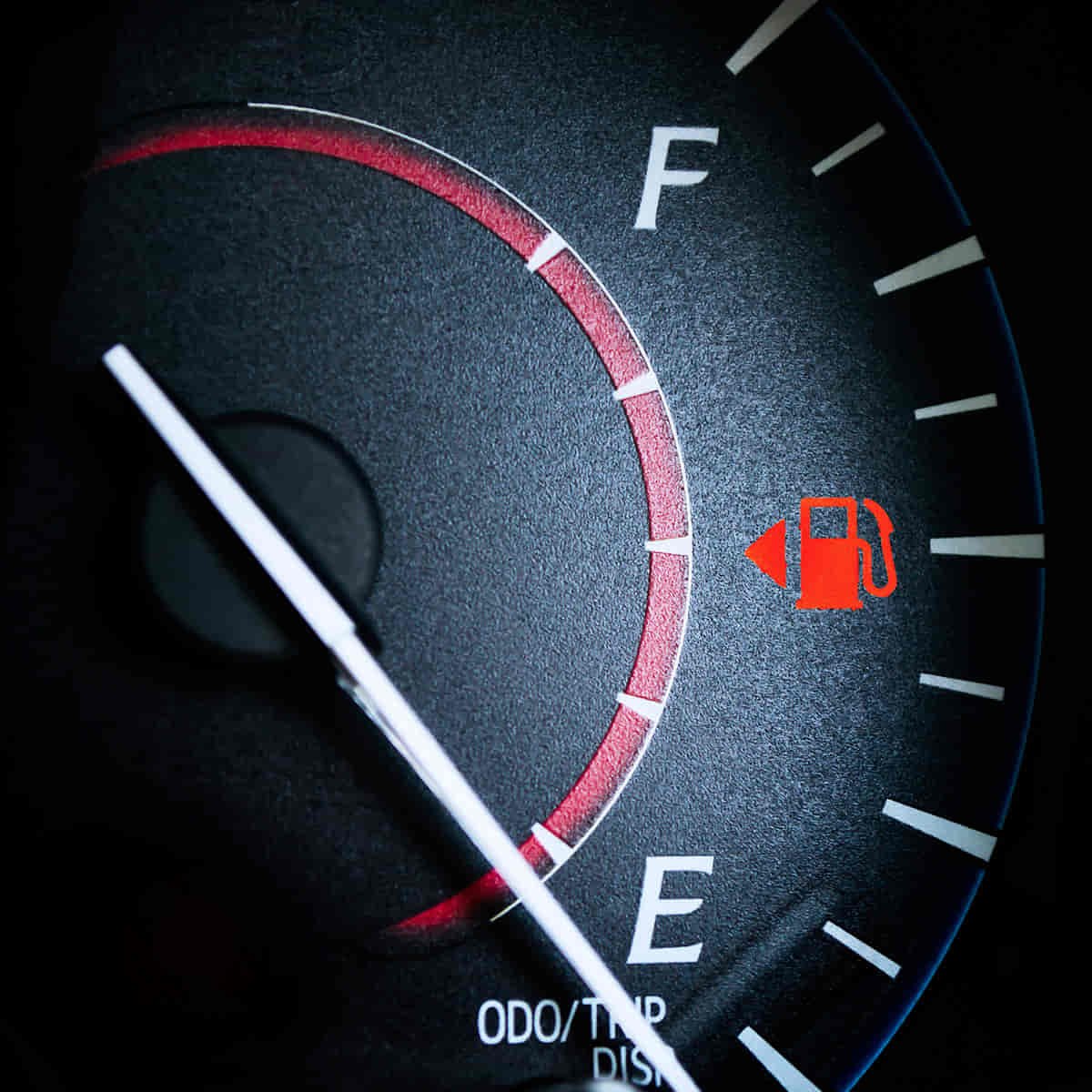
A Nissan Tiida fuel gauge that is not working can make it difficult to determine how much fuel remains in the tank, increasing the risk of unexpectedly running out of fuel. The gauge may stay on empty even after refueling, remain stuck on full, fluctuate unpredictably while driving, or stop responding altogether. Although these symptoms often appear to be caused by a faulty dashboard gauge, the underlying problem can originate from several different components within the fuel level monitoring system.
The Nissan Tiida fuel gauge system relies on continuous communication between the fuel level sensor, fuel sending unit, instrument cluster, wiring harness, and electronic control modules. As fuel moves inside the tank, the sending unit measures the fuel level and transmits this information to the instrument cluster, allowing the driver to monitor fuel consumption accurately. A fault anywhere within this communication chain can prevent the gauge from displaying the correct fuel level.
Some problems are relatively simple, such as a blown fuse or poor electrical connection. Others involve more complex components, including the fuel sending unit, fuel pump assembly, instrument cluster, or communication network. Because several faults can produce similar symptoms, replacing the fuel gauge without proper diagnosis often fails to solve the problem.
This guide explains the most common Nissan Tiida fuel gauge not working problems, how each issue affects fuel level readings, and the most effective solutions for restoring accurate fuel gauge operation.
Why Is My Nissan Tiida Fuel Gauge Not Working?
A Nissan Tiida fuel gauge stops working when the fuel level monitoring system can no longer accurately measure or display the amount of fuel remaining in the tank. Although many drivers assume the dashboard gauge has failed, the problem often originates elsewhere within the fuel delivery or electrical system. The fuel gauge depends on continuous communication between the fuel level sensor, fuel sending unit, instrument cluster, wiring harness, and electronic control modules. If any part of this communication chain is interrupted, the gauge may display incorrect information or stop working entirely.
The fuel gauge system operates by converting the movement of a float inside the fuel tank into an electrical signal. As the fuel level rises or falls, the float moves accordingly, changing the resistance value within the fuel sending unit. This signal is transmitted through the vehicle’s wiring to the instrument cluster, where it is interpreted and displayed as the current fuel level. Any interruption to this process can result in a gauge that remains on empty, stays on full, fluctuates while driving, or fails to move after refueling.
Because multiple components contribute to fuel level measurement, identical symptoms can have completely different causes. A faulty fuel level sensor can produce the same gauge behavior as damaged wiring, a defective instrument cluster, poor grounding, or communication problems between electronic modules. Replacing the fuel gauge itself without confirming the actual source of the problem often leads to unnecessary repair costs.
Modern Nissan Tiida models rely on electronic communication rather than purely mechanical gauges. As vehicle electronics become more sophisticated, diagnosing fuel gauge problems requires evaluating both mechanical components inside the fuel tank and the electrical systems responsible for processing fuel level information.
Has the Fuel Gauge Fuse Blown?
A blown fuel gauge fuse can prevent the Nissan Tiida instrument cluster from receiving the electrical power required to display fuel level information. Although fuses are inexpensive components, they play a critical role in protecting sensitive electrical circuits from overloads and short circuits. When a fuse opens, power to the affected circuit is interrupted immediately.
The fuel gauge shares electrical circuits with other dashboard components in many Nissan Tiida models. As a result, a blown fuse may affect more than the fuel gauge alone. Drivers may notice additional instrument cluster abnormalities, warning lights, or gauges that stop functioning simultaneously. These symptoms provide valuable clues that the problem involves electrical power rather than the fuel tank itself.
Fuses rarely fail without an underlying reason. Excessive current draw caused by damaged wiring, internal component failures, moisture intrusion, or electrical short circuits can overload the circuit and cause the fuse to blow. Simply replacing the fuse may temporarily restore operation, but the replacement fuse is likely to fail again if the original fault remains unresolved.
Fuel gauge fuse failures often appear suddenly. A gauge that previously functioned normally may immediately stop responding after the fuse opens. Unlike sensor-related problems, which frequently develop gradually, fuse failures usually produce an immediate and complete loss of gauge operation.
Inspecting the fuse is one of the quickest diagnostic procedures because it determines whether electrical power is reaching the fuel gauge circuit. If the fuse is intact, further testing should focus on sensors, wiring, and communication systems rather than the instrument cluster power supply.
Is the Fuel Level Sensor Faulty?
A faulty fuel level sensor is one of the most common causes of a Nissan Tiida fuel gauge that displays inaccurate readings or stops responding altogether. The sensor continuously measures the amount of fuel inside the tank and provides the information needed for the instrument cluster to display the correct fuel level.
The fuel level sensor operates using a variable resistance mechanism connected to a float inside the fuel tank. As fuel is consumed, the float moves downward. When the tank is refilled, the float rises with the fuel level. These movements change the electrical resistance within the sensor, creating a signal that reflects the amount of fuel remaining.
Over time, the sensor’s internal electrical contacts can wear out due to continuous movement and exposure to fuel. Dirt, fuel deposits, corrosion, and normal mechanical wear gradually reduce measurement accuracy. As deterioration progresses, the fuel gauge may fluctuate unexpectedly, display incorrect fuel levels, remain stuck in one position, or respond slowly after refueling.
Drivers often first notice inconsistent gauge behavior rather than complete failure. The gauge may suddenly drop from half a tank to empty, remain full for an unusually long period, or fluctuate while driving over uneven road surfaces. These symptoms indicate that the sensor can no longer provide stable electrical readings.
Because the fuel level sensor is commonly integrated with the fuel pump assembly, replacement procedures may require access to the top of the fuel tank. Before replacing the sensor, electrical testing should confirm that power supply, wiring integrity, and instrument cluster operation remain within specification. Identifying the correct source of the problem helps avoid replacing expensive fuel system components unnecessarily.
Has the Fuel Sending Unit Failed?
A failed fuel sending unit can prevent the Nissan Tiida fuel gauge from displaying the correct amount of fuel even when the rest of the electrical system is functioning normally. The sending unit converts the physical movement of the fuel tank float into an electrical resistance signal that the instrument cluster uses to calculate fuel level.
Although the fuel level sensor and fuel sending unit are often discussed together, the sending unit includes the complete mechanical and electrical assembly responsible for monitoring fuel level. It consists of the float arm, variable resistor, electrical contacts, and associated components that work together to generate an accurate signal.
Continuous movement inside the fuel tank subjects the sending unit to constant wear. Every time fuel is consumed or the vehicle travels over uneven roads, the float assembly moves repeatedly. After years of operation, electrical contact surfaces can become worn or contaminated, reducing signal accuracy and causing erratic gauge behavior.
A failing sending unit commonly produces symptoms such as a fuel gauge that stays on empty despite refueling, remains permanently full, fluctuates unexpectedly during driving, or changes position only after long delays. In some cases, the low fuel warning light may also behave incorrectly because it depends on information generated by the same assembly.
Fuel contamination can accelerate sending unit wear. Sediment, corrosion, and deposits inside the fuel tank may interfere with float movement or damage electrical contacts over time. Vehicles that have been stored for extended periods or frequently operated with very low fuel levels may be more susceptible to these problems.
Diagnosing a failed fuel sending unit typically requires measuring resistance values while manually moving the float through its operating range. Resistance should change smoothly and consistently. Sudden jumps, dead spots, or unstable readings usually indicate internal wear. Replacing the defective sending unit restores accurate fuel level measurement and allows the instrument cluster to display reliable fuel information once again.
Is the Fuel Pump Assembly Causing Incorrect Fuel Readings?
A faulty fuel pump assembly can cause a Nissan Tiida fuel gauge to display incorrect readings because the fuel level sensor and fuel sending unit are commonly integrated into the same assembly. Although the primary purpose of the fuel pump is to deliver fuel from the tank to the engine, the assembly also houses components responsible for monitoring fuel level. When the assembly develops mechanical or electrical faults, the fuel gauge may no longer receive accurate information.
The fuel pump assembly operates in a harsh environment inside the fuel tank where it is constantly exposed to fuel, temperature changes, vibration, and contaminants. Over time, electrical connectors can deteriorate, internal wiring may become damaged, and the mounting structure supporting the float mechanism can wear. Even if the fuel pump continues supplying adequate fuel pressure, damage to the fuel level monitoring components can prevent the gauge from displaying the correct fuel level.
One indication that the fuel pump assembly may be responsible is when inaccurate fuel gauge readings occur alongside fuel delivery problems. Drivers may notice difficult starting, engine hesitation, reduced performance, or intermittent stalling in addition to incorrect fuel level information. Because both systems share the same assembly, simultaneous fuel supply and fuel gauge issues often point toward a common source.
Diagnosis typically involves testing fuel pressure, inspecting electrical circuits, and evaluating live fuel level data through a scan tool. If the fuel pump performs normally while the fuel level signal remains inaccurate, only the sensor or sending unit may require replacement. However, because these components are frequently integrated into the pump assembly, replacing the complete assembly is often the most practical long-term solution.
Is the Fuel Tank Float Stuck?
A stuck fuel tank float can prevent the Nissan Tiida fuel gauge from accurately reflecting the amount of fuel remaining inside the tank. The float is a lightweight mechanical component attached to the fuel sending unit that rises and falls with the fuel level. If its movement becomes restricted, the electrical signal generated by the sending unit no longer corresponds to the actual fuel level.
Under normal operating conditions, the float moves freely across its entire range as fuel is consumed or added during refueling. This smooth movement allows the sending unit to generate continuously changing resistance values that accurately represent the fuel level. Any restriction in float movement disrupts this process and causes incorrect gauge readings.
Mechanical interference is one of the most common causes of a stuck float. A bent float arm, internal deformation of the fuel pump assembly, accumulated debris inside the tank, or damage caused during previous repairs can all prevent normal float movement. Corrosion and fuel deposits may also create resistance that limits movement over time.
A stuck float typically produces predictable symptoms. The fuel gauge may remain permanently full, stay on empty regardless of refueling, or stop changing once it reaches a particular position. Unlike electrical faults that often create fluctuating readings, mechanical float problems usually produce stable but incorrect gauge positions.
Inspection generally requires access to the fuel pump assembly through the fuel tank service opening. Once removed, the float should move smoothly without resistance throughout its entire operating range. Any binding, excessive looseness, or mechanical damage indicates that repair or replacement is necessary to restore accurate fuel level measurement.
Is the Instrument Cluster Malfunctioning?
A malfunctioning instrument cluster can cause a Nissan Tiida fuel gauge to display incorrect information even when every component inside the fuel tank operates correctly. The instrument cluster receives electrical signals from the fuel level monitoring system and converts those signals into the visual fuel level displayed on the dashboard. If the cluster cannot process incoming data accurately, the fuel gauge may become unreliable.
Modern instrument clusters contain electronic circuits, processors, voltage regulators, and communication interfaces that manage multiple dashboard functions simultaneously. The fuel gauge operates alongside the speedometer, tachometer, warning indicators, and other driver information systems. A fault affecting the cluster can therefore influence several instruments at the same time.
Instrument cluster failures may develop gradually or appear suddenly. Drivers may notice the fuel gauge freezing in one position, moving erratically, displaying delayed updates after refueling, or failing completely while other gauges begin behaving abnormally. Flickering displays, intermittent warning lights, or partial dashboard failures often indicate broader instrument cluster issues rather than isolated fuel system faults.
Internal circuit board deterioration, failed stepper motors, cracked solder joints, voltage regulation problems, and moisture damage are among the most common causes of instrument cluster malfunction. Because these failures occur within the dashboard electronics, replacing components inside the fuel tank will not correct the problem.
Diagnosis requires confirming that the instrument cluster receives accurate fuel level signals from the sending unit. If incoming data remains correct while the displayed fuel level is inaccurate, the instrument cluster becomes the primary suspect. Repair may involve rebuilding the cluster, replacing individual electronic components, or installing a replacement unit followed by programming where required.
Is a Wiring Problem Interrupting Fuel Gauge Signals?
Damaged wiring can interrupt communication between the fuel tank and instrument cluster, causing the Nissan Tiida fuel gauge to stop working or display inaccurate readings. Every fuel level measurement depends on electrical signals traveling through dedicated wiring circuits. If these circuits become damaged, the instrument cluster cannot accurately determine how much fuel remains in the tank.
The wiring harness connecting the fuel sending unit to the vehicle’s electrical system is exposed to vibration, moisture, road debris, and temperature fluctuations throughout its service life. These conditions can gradually damage insulation, loosen connectors, or create corrosion that increases electrical resistance and weakens signal quality.
Wiring problems often produce intermittent symptoms that differ from complete component failures. The fuel gauge may operate normally for extended periods before suddenly dropping to empty, jumping to full, or fluctuating while driving over rough roads. Changes in temperature or vehicle movement may temporarily restore or interrupt electrical contact, making the fault difficult to reproduce consistently.
Connector corrosion is another frequent source of communication failure. Even a small amount of oxidation can interfere with low-voltage sensor signals and create inaccurate gauge readings. Poor terminal contact may also increase resistance, causing signal distortion before complete circuit failure occurs.
Electrical diagnosis typically includes continuity testing, voltage measurements, resistance checks, and inspection of connectors throughout the circuit. Identifying damaged wiring before replacing sensors or instrument cluster components helps eliminate unnecessary repairs and ensures the true source of the fault is corrected.
Is a Poor Ground Connection Affecting the Fuel Gauge?
A poor ground connection can prevent the Nissan Tiida fuel gauge from displaying accurate fuel levels because every electrical signal generated by the fuel level sensor depends on a stable return path to complete the circuit. Even if the fuel sending unit, wiring harness, and instrument cluster are functioning correctly, an unstable ground can distort voltage readings and cause incorrect fuel gauge operation.
The fuel gauge system uses low-voltage electrical signals that are highly sensitive to resistance changes. When corrosion develops at a ground connection or a grounding point becomes loose, electrical resistance increases. The altered resistance changes the signal received by the instrument cluster, causing the gauge to display inaccurate fuel levels or fluctuate unexpectedly while driving.
Ground-related problems often produce intermittent symptoms rather than complete failure. Drivers may notice the fuel gauge operating normally during one trip and displaying incorrect readings during another. Changes in vehicle vibration, temperature, or humidity can temporarily improve or worsen electrical contact, making the problem appear inconsistent.
Poor grounding rarely affects only the fuel gauge. Other electrical components sharing the same grounding point may also behave unpredictably. Dashboard warning lights may flicker, gauges may fluctuate, and other electronic accessories may experience occasional operating problems. The appearance of multiple electrical symptoms at the same time often indicates a shared grounding issue rather than an isolated component failure.
Inspecting and cleaning ground connections is an important part of diagnosing fuel gauge problems. Removing corrosion, tightening loose connections, and restoring proper electrical continuity frequently resolves intermittent gauge issues without requiring replacement of expensive fuel system components.
Is the Engine Control Module or BCM Causing the Problem?
The Engine Control Module or Body Control Module can contribute to Nissan Tiida fuel gauge problems by disrupting communication between the fuel level monitoring system and the instrument cluster. Although these modules do not directly measure fuel level, they process and distribute information exchanged between various electronic systems throughout the vehicle.
In many Nissan Tiida models, fuel level information passes through electronic control modules before reaching the dashboard display. The Engine Control Module uses fuel level information for engine management strategies, while the Body Control Module coordinates communication between different vehicle systems. If either module develops a communication fault, the instrument cluster may receive incomplete or inaccurate data.
Control module failures are considerably less common than sensor or wiring problems, but they should be considered when conventional diagnostic procedures fail to identify the source of the issue. Internal electronic failures, software corruption, voltage fluctuations, and communication network faults can all interfere with module performance.
Drivers experiencing module-related issues often notice additional electrical symptoms beyond inaccurate fuel gauge readings. Warning lights may appear unexpectedly, other dashboard gauges may behave abnormally, power accessories may operate inconsistently, and diagnostic trouble codes related to module communication may be stored within the vehicle.
Because modern control modules manage numerous vehicle systems simultaneously, accurate diagnosis requires advanced scan tools capable of monitoring live data and communication networks. Replacing a control module without confirming the fault can result in unnecessary costs and may require programming before the new module functions correctly.
Could a Software or CAN Bus Communication Fault Be Responsible?
Software errors and CAN Bus communication faults can prevent the Nissan Tiida fuel gauge from displaying accurate information even when every physical component is operating correctly. Modern vehicles rely on electronic communication networks that allow multiple control modules to exchange information continuously. If communication is interrupted, the instrument cluster may no longer receive valid fuel level data.
The Controller Area Network, commonly known as the CAN Bus, acts as the vehicle’s digital communication backbone. Instead of every component communicating independently, sensors, control modules, and dashboard systems exchange information through this shared network. Fuel level information often passes through several electronic modules before reaching the instrument cluster.
Software corruption, failed module updates, communication conflicts, and network interruptions can all affect how fuel level data is transmitted. In some situations, the instrument cluster may continue displaying the last valid fuel reading because updated information never reaches the display.
Communication faults often produce symptoms involving multiple electronic systems rather than affecting only the fuel gauge. Drivers may notice warning lights, intermittent instrument cluster operation, diagnostic communication errors, or unusual behavior involving other electronic features. These additional symptoms help distinguish software-related issues from mechanical fuel sender failures.
Diagnosing CAN Bus communication problems requires professional diagnostic equipment capable of monitoring network activity and verifying communication between electronic modules. Once the source of the interruption is identified, repairs may involve wiring correction, software updates, module programming, or replacement of the affected control unit.
How Can You Diagnose a Nissan Tiida Fuel Gauge Problem?
Diagnosing a Nissan Tiida fuel gauge problem begins by determining whether the fault originates inside the fuel tank, within the electrical system, or inside the instrument cluster. Because several components produce nearly identical symptoms, a systematic diagnostic approach is essential for identifying the true cause.
The first step is observing gauge behavior. A fuel gauge that remains permanently on empty, stays on full, fluctuates continuously, or fails to respond after refueling provides valuable clues regarding the type of failure. Consistent incorrect readings often indicate mechanical or sensor-related faults, while intermittent operation frequently points toward wiring or electrical connection problems.
Basic electrical inspections should follow. Checking fuse condition, connector integrity, battery voltage, and visible wiring damage helps eliminate common electrical faults before more complex testing begins. If no obvious problems are found, scan tool diagnostics can verify whether the instrument cluster and electronic control modules are receiving valid fuel level information.
Testing the fuel sending unit and fuel level sensor is another critical diagnostic procedure. Measuring resistance values while moving the float through its operating range confirms whether the sender is generating accurate signals. Smooth resistance changes indicate proper operation, while erratic readings suggest internal wear or electrical failure.
A complete diagnosis should always include both mechanical and electronic evaluation. Confirming signal quality from the fuel tank while verifying communication with the instrument cluster significantly improves diagnostic accuracy and reduces the likelihood of replacing unnecessary components.
How Much Does It Cost to Fix a Nissan Tiida Fuel Gauge?
The cost of repairing a Nissan Tiida fuel gauge depends on which component is responsible for the failure. Some repairs involve inexpensive electrical components, while others require replacement of integrated fuel system assemblies or instrument cluster repairs.
Fuse replacement is generally the least expensive repair because the component itself is inexpensive and installation requires minimal labor. Wiring repairs also remain relatively affordable when damage is isolated to accessible sections of the electrical harness.
Fuel level sensor and fuel sending unit repairs usually involve moderate costs because access to the fuel tank is required. Since these components are commonly integrated into the fuel pump assembly, many repairs involve replacing the complete assembly rather than individual parts. Although this increases component cost, it often provides greater long-term reliability.
Instrument cluster repairs and electronic control module issues generally represent higher repair costs. These components contain sophisticated electronics that may require specialized testing, programming, or complete replacement. Software-related repairs may be less expensive if a simple module update resolves the communication problem.
Accurate diagnosis remains the most effective way to control repair expenses. Identifying the exact source of the fault before replacing components reduces unnecessary labor and helps ensure that the repair permanently restores accurate fuel level readings.
How Can You Prevent Nissan Tiida Fuel Gauge Problems?
Preventing Nissan Tiida fuel gauge problems begins with maintaining both the fuel system and the vehicle’s electrical system. Although some component failures occur naturally with age, regular maintenance can significantly reduce the likelihood of inaccurate fuel level readings.
Maintaining adequate fuel levels helps protect components inside the fuel tank. Frequently operating the vehicle with an almost empty fuel tank increases heat exposure around the fuel pump assembly and may accelerate wear affecting the fuel sending unit and associated electrical components.
Using high-quality fuel and following recommended maintenance schedules also contributes to long-term system reliability. Cleaner fuel reduces the accumulation of deposits inside the fuel tank, helping preserve smooth float movement and accurate sensor operation.
Electrical maintenance is equally important. Keeping battery terminals clean, inspecting wiring for damage, and addressing corrosion before it spreads helps maintain stable communication throughout the fuel gauge circuit. Periodic inspection of ground connections further reduces the likelihood of intermittent electrical faults.
Drivers should also pay attention to early warning signs. A fuel gauge that occasionally fluctuates, responds slowly after refueling, or displays inconsistent readings often indicates a developing problem that can be corrected before complete failure occurs.
Preventive maintenance is generally far less expensive than replacing major fuel system components. Addressing minor electrical and mechanical issues early helps maintain accurate fuel level monitoring and reduces the risk of unexpected gauge failures.
Read more: Nissan Qashqai Fan Not Working
When Should You Visit a Mechanic for a Fuel Gauge Problem?
A mechanic should be consulted whenever a Nissan Tiida fuel gauge continues displaying incorrect readings after basic inspections have been completed. While some issues involve simple electrical faults, others require specialized diagnostic equipment capable of evaluating fuel system components and electronic communication networks.
Professional diagnosis is particularly important when the fuel gauge remains permanently on empty or full despite refueling. These symptoms often indicate faults involving the fuel sending unit, instrument cluster, or electronic control modules that require advanced testing procedures.
Drivers should also seek professional assistance if inaccurate fuel gauge readings are accompanied by additional symptoms such as warning lights, intermittent dashboard operation, engine performance concerns, or repeated electrical faults. Multiple symptoms occurring simultaneously often suggest broader electrical or communication problems that extend beyond the fuel gauge itself.
If scan tool diagnostics reveal communication faults, module errors, or abnormal sensor data, professional repair becomes the safest and most reliable solution. Modern Nissan Tiida vehicles rely on interconnected electronic systems that frequently require manufacturer-specific diagnostic procedures.
Ignoring persistent fuel gauge problems increases the risk of running out of fuel unexpectedly and may allow minor electrical faults to develop into more complex repairs. Early diagnosis not only improves vehicle reliability but also helps reduce repair costs by addressing faults before additional components become affected.