A Nissan Patrol that refuses to shift gears is more than an inconvenience. It is often an early warning that one or more components inside the transmission system are no longer operating correctly. While some shifting problems originate from simple issues such as low transmission fluid or a faulty speed sensor, others may indicate serious internal damage involving the valve body, torque converter, clutch assembly, or transmission control module. Identifying the actual cause as early as possible helps prevent further wear, reduces repair costs, and minimizes the risk of complete transmission failure.
Gear shifting problems can appear in different ways. The transmission may refuse to move into Drive or Reverse, hesitate before changing gears, become stuck in a single gear, or shift harshly while driving. These symptoms do not always point to the same fault because the Nissan Patrol transmission relies on hydraulic pressure, electronic controls, mechanical components, and sensor feedback working together. When one part fails, the entire shifting process can be disrupted.
This guide explains the twelve most common reasons a Nissan Patrol is not shifting gears, how each problem develops, how to recognize the warning signs, and the repair options available. Whether you own a Y61 or Y62 model with a manual or automatic transmission, understanding these causes will help you diagnose the issue more accurately before deciding whether the vehicle requires a simple repair or professional transmission rebuilding.
Why Is Your Nissan Patrol Not Shifting Gears?
A Nissan Patrol fails to shift gears because the transmission system cannot complete the hydraulic, mechanical, or electronic processes required to engage the next gear. The problem may originate from insufficient hydraulic pressure, inaccurate sensor data, damaged internal components, or failures within the transmission control system. Although the symptoms often appear similar, the underlying cause varies depending on whether the fault affects fluid circulation, electrical communication, or mechanical operation inside the gearbox.
Modern Nissan Patrol models rely on multiple systems working simultaneously to produce smooth gear changes. The automatic transmission continuously monitors vehicle speed, engine load, throttle position, transmission fluid temperature, and gear selector position before the Transmission Control Module determines the appropriate shift point. Once the command is issued, hydraulic pressure activates the shift solenoids, allowing transmission fluid to move through the valve body and engage the required clutch packs or brake bands. If any stage of this sequence is interrupted, the transmission may hesitate, refuse to shift, or remain locked in a single gear.
Manual transmission models follow a different operating principle but depend on the same level of synchronization between mechanical components. The clutch must completely disengage engine power before the synchronizers can mesh the selected gear. A worn clutch disc, damaged pressure plate, stretched shift linkage, or internal gearbox wear can prevent gears from engaging smoothly even though the engine continues to operate normally. As a result, drivers may experience grinding noises, resistance while shifting, or complete inability to select a gear.
The driving symptoms often provide valuable clues about the location of the fault. A transmission that hesitates before shifting commonly indicates deteriorated transmission fluid, restricted hydraulic pressure, or worn valve body components. A vehicle that becomes stuck in third gear usually enters limp mode after the control module detects a critical transmission fault. Difficulty engaging Drive or Reverse frequently points toward low transmission fluid, a malfunctioning gear selector, or excessive internal clutch wear. Hard shifting under acceleration is more commonly associated with defective shift solenoids, inaccurate sensor readings, or transmission software issues.
Ignoring early transmission symptoms rarely prevents additional damage. Low transmission fluid continues reducing lubrication and hydraulic pressure, causing excessive heat that accelerates wear on clutch packs, bearings, seals, and valve body passages. Likewise, an unresolved electrical fault may eventually force the transmission into fail-safe mode, limiting vehicle performance and increasing stress on internal components. Addressing the root cause during the early stages often reduces repair costs because external components such as sensors, solenoids, or fluid service are significantly less expensive than rebuilding or replacing the entire transmission.
Understanding why a Nissan Patrol is not shifting gears requires examining every component involved in the shifting process rather than focusing only on the transmission itself. Engine management systems, electronic control modules, hydraulic circuits, and mechanical drivetrain components all contribute to gear engagement. Identifying which system has failed is the first step toward selecting the correct repair instead of replacing parts based solely on symptoms.
What Are the 12 Most Common Reasons a Nissan Patrol Gear Is Not Shifting?
Low transmission fluid is the most common reason a Nissan Patrol fails to shift gears properly. Automatic transmissions depend on hydraulic pressure generated by transmission fluid to engage clutch packs and activate shift solenoids. When the fluid level drops because of leaks, evaporation over time, or poor maintenance, hydraulic pressure becomes unstable and gear engagement is delayed or completely interrupted. Drivers often notice delayed acceleration, slipping between gears, hesitation when selecting Drive or Reverse, or abnormal transmission noise. Checking the fluid level and inspecting for leaks around the transmission pan, cooler lines, and seals should always be the first diagnostic step.
Dirty or burnt transmission fluid can create the same symptoms even when the fluid level remains correct. Transmission fluid gradually loses its lubricating and cooling properties as it accumulates clutch material, metal particles, and oxidation caused by excessive heat. Contaminated fluid restricts hydraulic flow inside the valve body, preventing shift valves from moving freely. The transmission may begin shifting harshly, hesitate during acceleration, or refuse to change gears after reaching operating temperature. Fluid that appears dark brown, smells burnt, or contains metallic debris usually indicates that a complete transmission service is necessary before additional damage occurs.
A faulty shift solenoid frequently causes unpredictable shifting behavior because it controls the hydraulic circuits responsible for changing gears. Each solenoid opens or closes according to commands from the Transmission Control Module, directing pressurized fluid toward specific clutch packs. When a solenoid sticks or fails electrically, the transmission can become locked in one gear, skip gears, or refuse to upshift entirely. Many Nissan Patrol models store diagnostic trouble codes related to shift solenoid performance, making electronic diagnosis an important part of confirming the fault before replacement.
Valve body failure is another major cause of gear shifting problems. The valve body distributes transmission fluid through a complex network of hydraulic passages that control every gear change. Internal wear, contaminated fluid, or damaged valves can reduce hydraulic pressure and create inconsistent shifting patterns. Instead of engaging gears smoothly, the transmission may hesitate, slam into gear, or remain stuck in limp mode. Because the valve body influences nearly every transmission function, even minor wear can affect overall shift quality long before complete transmission failure develops.
A malfunctioning Transmission Control Module can prevent the gearbox from shifting correctly even when all mechanical components remain in good condition. The control module continuously processes information from multiple sensors before calculating shift timing and hydraulic pressure requirements. Electrical faults, software corruption, damaged wiring, or moisture intrusion can interrupt communication between the control module and the transmission. In these situations, the gearbox often enters fail-safe mode to protect internal components, limiting the vehicle to one or two gears until the fault is repaired.
Limp mode itself is not the actual problem but a protective strategy designed to minimize transmission damage. When the vehicle detects excessive slipping, overheating, sensor failures, or hydraulic pressure abnormalities, the control system deliberately restricts gear changes. Drivers commonly believe the transmission has completely failed because the vehicle remains stuck in a single gear and engine speed increases rapidly during acceleration. However, resolving the underlying fault often restores normal shifting without replacing the transmission.
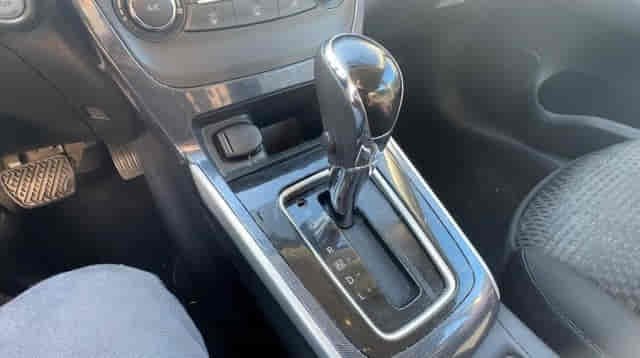
Problems with the gear selector assembly can also prevent the transmission from engaging the selected gear. Wear inside the selector mechanism, damaged shift cables, or faulty range sensors may cause the transmission to receive incorrect gear position information. As a result, the driver may move the selector into Drive or Reverse while the transmission continues recognizing Neutral or Park. This type of failure typically develops gradually before complete gear engagement becomes impossible.
Vehicle speed sensor failure directly affects shift timing because the Transmission Control Module relies on accurate speed information to determine when gear changes should occur. Incorrect speed signals confuse the transmission controller, leading to delayed upshifts, premature downshifts, or complete shifting failure. In many cases, speed sensor faults also trigger warning lights and store diagnostic trouble codes that simplify electronic diagnosis.
Manual Nissan Patrol models frequently experience shifting difficulties because of worn clutch components rather than gearbox failure. A clutch that no longer disengages completely continues transferring engine torque to the transmission while the driver attempts to change gears. This additional load makes gear selection difficult and increases synchronizer wear inside the gearbox. Grinding noises, a heavy clutch pedal, or difficulty selecting first and reverse gears are common signs that the clutch assembly requires inspection.
Torque converter failure affects automatic transmissions by interrupting power transfer between the engine and gearbox. Internal bearing wear, damaged stators, or lock-up clutch failure reduce hydraulic efficiency and create slipping during acceleration. Drivers may notice increased engine RPM without corresponding vehicle speed, delayed gear engagement, transmission overheating, or vibration while driving. If ignored, excessive converter debris can contaminate the entire transmission hydraulic system.
Transmission overheating accelerates wear throughout the gearbox by reducing fluid viscosity and weakening the friction materials inside clutch packs. Heavy towing, off-road driving, blocked transmission coolers, or consistently high ambient temperatures place additional thermal stress on the transmission. As operating temperatures increase, hydraulic pressure becomes unstable and shift quality deteriorates. Repeated overheating eventually damages seals, valve body components, and internal bearings, significantly increasing repair costs.
Internal gearbox damage remains the most severe reason a Nissan Patrol stops shifting gears. Worn clutch packs, broken planetary gears, damaged bearings, fractured shafts, or excessive synchronizer wear prevent the transmission from transmitting power correctly regardless of fluid condition or electronic controls. These failures usually develop after prolonged operation with unresolved transmission problems rather than occurring suddenly. When internal mechanical damage is confirmed, rebuilding or replacing the transmission is often the only permanent repair solution.
How Can You Diagnose a Nissan Patrol That Is Not Shifting Gears?
Diagnosing a Nissan Patrol that is not shifting gears requires identifying the root cause before replacing any transmission components. Many gear shifting problems produce similar symptoms, but they originate from different systems. A delayed upshift may result from degraded transmission fluid, while a transmission locked in one gear often indicates an electronic protection strategy. Following a logical diagnostic process reduces unnecessary repairs and helps isolate whether the fault is hydraulic, electrical, mechanical, or software-related.
The first step is evaluating how the transmission behaves under different driving conditions. A Nissan Patrol that hesitates only when cold usually indicates fluid viscosity or hydraulic pressure issues, whereas a transmission that begins slipping after reaching operating temperature often points to worn clutch packs, contaminated transmission fluid, or excessive internal leakage. If the gearbox refuses to engage Drive or Reverse immediately after startup, the problem is more likely related to insufficient hydraulic pressure, a faulty gear selector, or internal clutch failure. Observing exactly when the symptom appears provides valuable information before any tools are connected.
A visual inspection should always follow the initial symptom assessment. Transmission fluid remains one of the most important diagnostic indicators because its level and condition directly influence hydraulic performance. Healthy automatic transmission fluid typically appears bright red or light amber and has a clean petroleum smell. Dark fluid, burnt odors, visible metal particles, or foamy fluid indicate overheating, contamination, or internal wear. Inspecting the transmission pan, cooler lines, output shaft seals, oil cooler connections, and surrounding housing for leaks also helps determine whether fluid loss has contributed to the shifting problem.
Electronic diagnosis becomes essential once the basic inspection is complete. Modern Nissan Patrol models continuously monitor dozens of transmission parameters through the Transmission Control Module. Reading Diagnostic Trouble Codes with a professional OBD-II scanner allows technicians to identify faults involving shift solenoids, transmission fluid temperature sensors, vehicle speed sensors, range sensors, pressure control circuits, or communication errors between the Engine Control Module and the Transmission Control Module. Clearing diagnostic codes without correcting the underlying failure only causes the same faults to return because the control system immediately detects abnormal operating conditions again.
Live data analysis provides deeper insight than diagnostic codes alone because many transmission components continue functioning intermittently before complete failure occurs. Monitoring input speed, output speed, transmission temperature, commanded gear position, actual gear ratio, and shift solenoid operation during a road test allows technicians to determine whether the transmission is following control commands correctly. If the Transmission Control Module commands an upshift but the actual gear ratio never changes, the fault is likely mechanical or hydraulic. If no shift command is issued despite normal operating conditions, the problem is more likely associated with sensors, wiring, or electronic control logic.
Mechanical testing becomes necessary when electronic systems appear to operate normally but the transmission still refuses to shift. Hydraulic pressure testing verifies whether the transmission pump produces sufficient pressure to engage clutch packs and brake bands. Low line pressure may indicate a worn oil pump, leaking valve body, damaged pressure regulator, or excessive internal clutch leakage. In manual transmission models, technicians inspect clutch travel, release bearings, pressure plates, synchronizers, and shift linkage because incomplete clutch disengagement frequently causes difficult gear engagement without any internal gearbox failure.
Road testing completes the diagnostic process by confirming how the transmission performs under real driving loads. Gentle acceleration, highway cruising, steep inclines, and repeated stop-and-go driving place different demands on the transmission and expose faults that may not appear during a stationary inspection. Abnormal noises, delayed engagement, gear hunting, engine flare between shifts, harsh downshifts, or transmission overheating help narrow the diagnosis even further. Combining road test observations with fluid inspection, electronic scanning, and hydraulic measurements produces a far more accurate diagnosis than replacing individual components based solely on symptoms.
A systematic diagnosis not only identifies the correct repair but also determines whether the transmission requires routine maintenance, component replacement, or a complete overhaul. Many Nissan Patrol transmission problems originate from external components such as sensors, shift solenoids, transmission fluid deterioration, or wiring faults that can be repaired without rebuilding the gearbox. Distinguishing these repairable issues from internal mechanical damage is essential for controlling repair costs and preventing unnecessary transmission replacement.
Can You Still Drive a Nissan Patrol That Is Not Shifting Properly?
Driving a Nissan Patrol that is not shifting properly is only safe when the transmission problem is minor and has been accurately identified. If the vehicle occasionally shifts harder than normal but continues engaging every gear without slipping or triggering warning lights, it may still be driven for a short distance to reach a repair facility. However, continuing to operate a vehicle with persistent shifting problems significantly increases the risk of internal transmission damage because every abnormal gear change creates additional heat, friction, and stress on components that are already beginning to fail.
One of the biggest risks is transmission slipping. When clutch packs cannot apply sufficient hydraulic pressure, they partially engage instead of locking together completely. This creates continuous friction between the clutch discs and steel plates, rapidly generating excessive heat inside the transmission. As transmission fluid temperature rises, its viscosity decreases and lubrication becomes less effective. The result is a cycle in which higher temperatures reduce hydraulic efficiency, causing even more clutch slippage and accelerating wear throughout the gearbox. A repair that initially required only a transmission fluid service or solenoid replacement can eventually become a complete transmission rebuild if the vehicle continues to be driven under these conditions.
A Nissan Patrol that enters limp mode should not be treated as a vehicle that can continue normal daily operation. Limp mode is an emergency protection strategy designed to minimize catastrophic transmission failure after the control system detects abnormal operating conditions. Instead of allowing full transmission functionality, the Transmission Control Module restricts gear selection and engine performance to reduce internal stress. Although the vehicle may still move, prolonged driving in limp mode places additional strain on the remaining operational components while masking the actual cause of the failure. Resetting the warning light without repairing the fault does not restore normal transmission health because the control module will activate limp mode again once the same abnormal condition is detected.
Drivers should also pay close attention to warning signs that indicate the transmission should no longer be driven. A complete loss of Drive or Reverse, repeated slipping under light acceleration, violent gear engagement, grinding noises from the gearbox, burning smells, visible transmission fluid leaks, or rapidly increasing engine speed without corresponding vehicle movement all suggest that internal damage may already be occurring. Continuing to drive after these symptoms appear often contaminates the transmission fluid with friction material and metal debris, allowing those particles to circulate through the valve body, oil pump, and torque converter. Secondary contamination frequently transforms a localized component failure into widespread transmission damage.
The severity of the problem also depends on driving conditions. Heavy towing, steep inclines, off-road terrain, stop-and-go traffic, and high ambient temperatures all increase transmission load. A gearbox that appears manageable during short urban trips may fail much more quickly when subjected to prolonged highway driving or heavy engine torque. This explains why some Nissan Patrol owners experience sudden transmission failure shortly after ignoring relatively minor shifting symptoms for several weeks or months.
The safest approach is to treat any abnormal shifting behavior as an early mechanical warning rather than waiting for complete transmission failure. Diagnosing the cause while the vehicle still moves normally provides more repair options and usually results in lower repair costs. In many cases, replacing deteriorated transmission fluid, repairing damaged wiring, updating transmission software, or replacing a faulty sensor prevents further deterioration and eliminates the need for extensive internal transmission repairs. Early intervention remains the most effective strategy for extending transmission life and maintaining reliable vehicle performance.
How Much Does It Cost to Fix a Nissan Patrol Gear Shifting Problem?
The cost of repairing a Nissan Patrol that is not shifting gears depends entirely on the component responsible for the failure. Transmission problems range from routine maintenance procedures costing less than a few hundred dollars to complete gearbox replacements that require several thousand dollars. Identifying the exact fault before authorizing repairs is essential because many symptoms associated with transmission failure originate from relatively inexpensive electrical or hydraulic components rather than the gearbox itself.
Minor repairs are typically the most affordable because they involve external components that can be accessed without removing the transmission. A complete transmission fluid and filter service generally costs between $180 and $450, depending on the Nissan Patrol model, the type of automatic transmission, and the quality of the transmission fluid used. If low or contaminated fluid is the only cause of poor shifting, restoring the correct fluid level and replacing degraded fluid often resolves delayed engagement, rough shifting, and minor slipping before permanent internal damage develops.
Electrical faults usually represent the next level of repair complexity. Replacing a faulty vehicle speed sensor, transmission range sensor, or damaged wiring harness commonly costs between $150 and $500, while replacing one or more shift solenoids generally ranges from $300 to $900 because additional labor is required to remove the transmission oil pan and valve body. If diagnostic testing identifies a software issue within the Transmission Control Module, updating the control software may cost less than replacing hardware. However, a failed Transmission Control Module typically increases repair costs to approximately $700 to $1,800, depending on programming requirements and parts availability.
Hydraulic system repairs become more expensive because they involve precision components inside the transmission. A worn or damaged valve body often causes delayed shifting, harsh gear engagement, or inconsistent hydraulic pressure. Repairing or replacing the valve body usually costs between $800 and $2,000, depending on whether the existing unit can be rebuilt or requires complete replacement. Because the valve body regulates hydraulic flow throughout the transmission, correcting this problem frequently restores normal shifting without replacing the entire gearbox.
Manual transmission repairs follow a different cost structure. Replacing a worn clutch assembly, including the clutch disc, pressure plate, release bearing, and pilot bearing, generally costs between $700 and $1,600. If the flywheel also requires machining or replacement due to excessive heat damage, the total repair cost increases further. Addressing clutch wear early helps protect synchronizers and gears inside the transmission from unnecessary mechanical stress.
Torque converter failure represents another significant repair because the transmission must be removed from the vehicle before the converter can be replaced. Most Nissan Patrol owners should expect repair costs ranging from $900 to $2,000, depending on labor rates and whether additional transmission contamination has occurred. If metal debris from a failing torque converter has circulated through the hydraulic system, technicians often recommend cleaning or rebuilding other transmission components at the same time to prevent repeated failures after installation.
Internal transmission damage produces the highest repair costs because rebuilding the gearbox requires complete disassembly, inspection, and replacement of worn components such as clutch packs, bearings, seals, bushings, planetary gear sets, and hydraulic components. A professional transmission rebuild for a Nissan Patrol generally ranges from $2,500 to $5,000, while installing a brand-new or factory-remanufactured transmission may cost between $4,500 and $8,000, depending on the transmission model, vehicle generation, and regional labor rates. Vehicles that have continued operating with severe slipping or overheating often require these extensive repairs because prolonged friction damages multiple internal components simultaneously.
Several factors influence the final repair bill beyond the failed component itself. Nissan Patrol generation, transmission type, replacement part quality, technician experience, dealership versus independent workshop pricing, and regional labor costs all affect the total expense. Additional repairs such as replacing transmission mounts, cooling lines, seals, or the transmission cooler may also be recommended once the gearbox has been removed, increasing labor efficiency by completing related maintenance during the same repair.
Obtaining an accurate diagnosis before approving repairs remains the most effective way to control transmission repair costs. Many owners mistakenly replace expensive transmission components when the actual problem originates from a faulty sensor, deteriorated transmission fluid, damaged wiring, or outdated control software. A professional diagnostic inspection that combines fault code analysis, hydraulic pressure testing, live data monitoring, and road testing provides the information necessary to repair only the components responsible for the shifting problem while avoiding unnecessary replacement of the entire transmission.
When Should You Take Your Nissan Patrol to a Transmission Specialist?
A Nissan Patrol should be inspected by a transmission specialist as soon as gear shifting problems become consistent rather than occasional. An isolated hard shift caused by extremely cold weather or temporary operating conditions does not necessarily indicate a major transmission fault. However, repeated hesitation, slipping, delayed engagement, or failure to select gears signals that one or more transmission components are no longer functioning within normal operating limits. Delaying professional diagnosis allows relatively minor faults to develop into extensive internal damage that is significantly more expensive to repair.
The transmission warning light is one of the clearest indicators that professional inspection is required. Modern Nissan Patrol models continuously monitor hydraulic pressure, transmission temperature, gear ratios, shift timing, and electronic communication between multiple control modules. When these values fall outside manufacturer specifications, the Transmission Control Module records diagnostic trouble codes and may activate fail-safe protection. Although the vehicle may still be drivable, the warning light confirms that the transmission control system has already detected an abnormal operating condition that should be diagnosed using professional diagnostic equipment.
Unusual driving behavior also indicates that expert diagnosis should not be postponed. A transmission that hesitates for several seconds before engaging Drive or Reverse often suffers from hydraulic pressure loss, internal clutch wear, or valve body leakage. Hard impacts during gear changes may indicate excessive line pressure, sticking shift solenoids, or deteriorated valve body components. If engine speed increases while vehicle speed remains unchanged, internal clutch slippage or torque converter failure is already reducing the transmission’s ability to transfer engine power efficiently. These symptoms rarely improve without corrective repairs and generally become more severe over time.
Abnormal sounds and odors provide additional evidence that internal transmission damage may already be developing. Grinding noises during gear engagement suggest mechanical wear inside the gearbox, while whining sounds often indicate oil pump problems or insufficient hydraulic pressure. A burnt smell coming from the transmission fluid usually reflects excessive operating temperatures that have degraded the fluid’s lubricating properties. Continued operation under these conditions accelerates wear on clutch packs, bearings, seals, and planetary gear assemblies, increasing the likelihood that the transmission will eventually require complete rebuilding.
Transmission fluid leaks should never be considered normal maintenance issues. Even relatively small leaks gradually reduce fluid volume, lowering hydraulic pressure throughout the transmission. Unlike engine oil, automatic transmission fluid performs multiple functions simultaneously by lubricating moving components, cooling internal parts, transmitting hydraulic pressure, and controlling gear engagement. As fluid level decreases, every one of these functions becomes less effective, creating conditions that accelerate transmission deterioration. Repairing the source of a leak before fluid levels become critically low often prevents far more expensive mechanical failures.
Seeking professional diagnosis early also improves repair accuracy. Transmission specialists have access to manufacturer-specific diagnostic software, hydraulic pressure testing equipment, advanced scan tools, and technical service information that cannot be replicated through basic visual inspection alone. By combining electronic diagnostics with mechanical testing, technicians can distinguish between sensor failures, hydraulic faults, software issues, and internal gearbox damage. This structured diagnostic process reduces unnecessary parts replacement and ensures that repairs address the actual cause of the shifting problem instead of its visible symptoms.
Read more: Nissan Tiida Fuel Gauge Not Working
How Can You Prevent Nissan Patrol Gear Shifting Problems?
Preventing gear shifting problems begins with maintaining stable transmission operating conditions throughout the vehicle’s service life. Most transmission failures develop gradually as fluid quality deteriorates, operating temperatures increase, and normal component wear accumulates over thousands of driving miles. Consistent preventive maintenance minimizes these factors, allowing hydraulic, electronic, and mechanical systems to continue operating within their intended specifications.
Regular transmission fluid replacement remains the single most effective maintenance practice. Automatic transmission fluid gradually loses its ability to lubricate internal components, dissipate heat, and maintain consistent hydraulic pressure as it ages. Fresh fluid preserves clutch performance, protects valve body passages from contamination, and reduces internal friction that contributes to premature wear. Following the maintenance interval recommended for the specific Nissan Patrol transmission is particularly important for vehicles used for towing, off-road driving, or extended operation in high-temperature environments because these conditions accelerate fluid degradation.
Maintaining proper transmission temperature is equally important for long-term reliability. Heat is one of the primary factors responsible for clutch deterioration, seal hardening, and transmission fluid oxidation. Drivers who regularly tow heavy trailers, climb steep terrain, or operate in hot climates should ensure that the transmission cooling system remains clean and unrestricted. Inspecting the transmission cooler, radiator, cooling lines, and airflow around the cooling system helps maintain stable operating temperatures during demanding driving conditions.
Driving habits also influence transmission lifespan. Abrupt acceleration before the transmission reaches operating temperature, repeatedly shifting between Drive and Reverse while the vehicle is still moving, excessive towing beyond manufacturer recommendations, and aggressive off-road driving all increase mechanical stress inside the gearbox. Allowing the transmission to engage fully before accelerating and reducing unnecessary shock loads during gear changes helps preserve clutch packs, planetary gears, bearings, and the torque converter over the long term.
Routine inspections provide opportunities to identify developing faults before they become major repairs. Checking transmission fluid condition during scheduled servicing, monitoring for leaks beneath the vehicle, listening for unusual noises, and responding promptly to warning lights allow minor problems to be corrected before they spread throughout the transmission. Even seemingly insignificant changes in shift quality should not be ignored because early-stage hydraulic or electronic faults often produce subtle symptoms long before complete transmission failure occurs.
Professional servicing should also include periodic electronic health checks, especially for later Nissan Patrol models equipped with advanced transmission control systems. Diagnostic scanning can identify intermittent sensor faults, communication errors, software irregularities, and adaptive shift abnormalities before they begin affecting everyday driving performance. Combining preventive maintenance with early diagnostic inspections creates the most effective strategy for extending transmission service life, improving shift quality, reducing long-term repair costs, and maintaining the reliability expected from a Nissan Patrol under both on-road and off-road operating conditions.