The Nissan Rogue is a popular compact SUV from Nissan. It offers good fuel economy and comfortable daily driving. Many drivers choose it for city use and family travel.
The 2.5 liter engine plays a key role in this model. It powers most Nissan Rogue versions and focuses on balance between performance and efficiency. However, many owners still search for Nissan Rogue 2.5 engine problems because they experience real issues during long term use.
These issues matter for both owners and buyers. Current owners want to prevent costly repairs. Used car buyers want to avoid risky vehicles. The engine works well in normal conditions, but problems can appear with age, mileage, or poor maintenance.
This guide explains the most common Nissan Rogue 2.5 engine problems in a simple way. It covers symptoms, causes, and practical fixes. You will also learn how to detect early warning signs and reduce repair costs.
The goal is to help you understand the engine clearly. This will help you make better decisions whether you already own a Nissan Rogue or plan to buy one.
OVERVIEW OF NISSAN ROGUE 2.5 ENGINE
The Nissan Rogue uses a 2.5 liter inline four cylinder engine in many model years. This engine belongs to the Nissan QR family. It focuses on fuel efficiency, smooth driving, and low maintenance costs for everyday users.
Most versions of this engine deliver enough power for city driving and highway use. Drivers often choose it because it feels stable and predictable in normal conditions. It also pairs well with the CVT transmission used in the Nissan Rogue lineup.
This engine design aims to reduce fuel consumption while keeping production costs low. It uses a simple four cylinder layout and standard fuel injection technology. This makes it easier to maintain compared to more complex turbocharged engines.
However, simplicity does not always mean perfect reliability. Over time, some owners report Nissan Rogue 2.5 engine problems, especially on high mileage vehicles. These issues usually relate to wear, oil consumption, and timing components.
Understanding how the engine works helps explain why these problems appear. Regular maintenance plays a key role in keeping the engine stable. Oil changes, cooling system care, and timely inspections can significantly extend engine life.
In general, the Nissan Rogue 2.5 engine is designed for practicality rather than performance. It performs well in daily driving but requires consistent maintenance to avoid long term issues.
COMMON NISSAN ROGUE 2.5 ENGINE PROBLEMS
The Nissan Rogue 2.5 engine develops several common problems that appear across different model years. Most issues do not happen suddenly. They build up over time due to wear, maintenance habits, and long term driving conditions. Understanding these problems helps drivers detect early warning signs and avoid expensive repairs.
One of the most reported issues is excessive oil consumption. The engine may burn oil faster than normal, which often results from worn piston rings or a failing PCV system. When oil levels drop too low, the engine loses proper lubrication and this can lead to serious internal damage if the driver does not check oil regularly.
Another frequent issue is timing chain noise. Many owners notice a rattling sound during cold starts or acceleration. This usually happens when the timing chain tensioner weakens or oil pressure becomes unstable. If the problem is ignored, it can affect engine timing and reduce overall performance.
Engine knocking or ticking noises also appear in some vehicles. These sounds often indicate poor lubrication, low quality oil, or internal wear. In some cases, fuel combustion irregularities can also create similar symptoms, especially under load.
Misfires and rough idling are also common. The engine may vibrate or feel unstable at stop lights. Faulty spark plugs, ignition coils, or dirty fuel injectors are often the main causes. These issues reduce fuel efficiency and make driving less smooth.
Some drivers also report overheating problems. This usually comes from a failing thermostat, coolant leaks, or radiator issues. Overheating can quickly damage the engine if not fixed early.
Finally, acceleration hesitation can occur. The vehicle may feel slow or unresponsive due to airflow restrictions, throttle body buildup, or CVT strain.
SYMPTOMS OF ENGINE PROBLEMS
Drivers usually notice Nissan Rogue 2.5 engine problems through clear and repeated symptoms. These signs often appear before major damage happens, so early recognition plays an important role in preventing costly repairs.
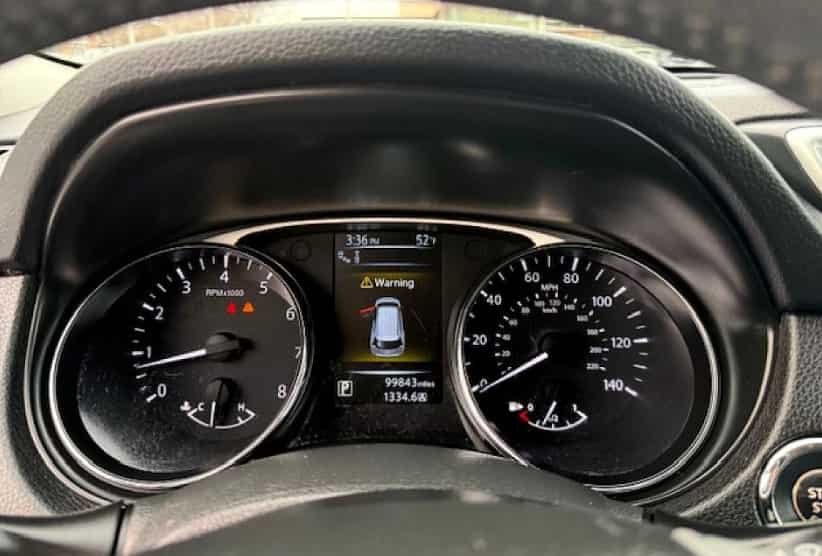
One of the most common symptoms is the check engine light turning on. This warning appears when sensors detect irregular engine behavior. It may relate to fuel mixture issues, ignition problems, or airflow disruptions. Even if the car still drives normally, this light should never be ignored.
Another early sign is unusual engine noise. Drivers may hear ticking, knocking, or rattling sounds, especially during cold starts or acceleration. These noises often indicate lubrication problems, timing chain wear, or internal component stress.
Rough idling is also a frequent symptom. The engine may vibrate or feel unstable when the vehicle is stopped. This usually happens when spark plugs, ignition coils, or fuel injectors are not working properly. It can also point to airflow imbalance inside the engine.
Reduced performance is another clear warning sign. The vehicle may feel slower when accelerating or struggle to maintain speed on highways. This often results from restricted airflow, engine misfires, or transmission strain that affects power delivery.
Fuel economy drop is another symptom drivers often notice. When the engine is not running efficiently, it consumes more fuel than normal. This usually connects to combustion inefficiency or sensor-related issues.
Some drivers also notice smoke or unusual smells from the exhaust. This can indicate oil burning, overheating, or fuel system problems. These signs usually suggest that the issue has already progressed and needs immediate attention.
ROOT CAUSES OF NISSAN ROGUE 2.5 ENGINE PROBLEMS
Nissan Rogue 2.5 engine problems usually come from a combination of mechanical wear, maintenance habits, and long term operating conditions. These causes develop slowly and often remain unnoticed until clear symptoms appear. Understanding the root causes helps drivers prevent serious engine damage.
One major cause is poor lubrication. The engine relies heavily on clean engine oil to protect internal components. When oil changes are delayed or low quality oil is used, friction increases and parts wear faster. This can lead to knocking noises, oil consumption, and reduced engine life.
Another common cause is timing chain and tensioner wear. Over time, the timing chain stretches and the tensioner loses effectiveness. This creates noise during startup and can affect engine timing. If the issue continues, it may reduce performance and increase the risk of engine failure.
Carbon buildup inside the engine is also a frequent issue. It forms in the intake system and combustion chambers, especially in vehicles driven mostly in city traffic. This buildup affects airflow, reduces combustion efficiency, and contributes to rough idling and misfires.
Sensor degradation also plays an important role. Oxygen sensors, mass airflow sensors, and other engine sensors can lose accuracy over time. When this happens, the engine control unit receives incorrect data and adjusts fuel delivery incorrectly, leading to poor performance and higher fuel consumption.
Cooling system problems can also trigger engine issues. A failing thermostat, clogged radiator, or coolant leaks can cause overheating. High temperatures increase wear and may damage internal components if not addressed quickly.
Finally, driving habits contribute significantly. Frequent short trips, aggressive acceleration, and heavy load driving increase engine stress and accelerate wear over time.
HOW TO FIX NISSAN ROGUE 2.5 ENGINE PROBLEMS
Fixing Nissan Rogue 2.5 engine problems depends on identifying the exact cause and applying the correct repair method. Most issues can be solved if the problem is detected early and proper maintenance steps are followed. Ignoring symptoms often leads to higher repair costs and deeper engine damage.
If the engine suffers from oil consumption, the first step is to inspect the PCV valve and engine seals. A clogged or faulty PCV valve can increase oil loss. In more serious cases, worn piston rings may require engine repair or partial rebuild. Regular oil level checks also help prevent damage before it becomes severe.
For timing chain noise, mechanics usually inspect the chain tensioner and oil pressure system. If the tensioner is weak, replacing it can reduce noise and restore proper timing stability. In advanced cases, a full timing chain replacement may be required to avoid engine timing failure.
If the engine shows misfires or rough idling, replacing spark plugs and ignition coils is often the first solution. Cleaning or replacing fuel injectors can also improve combustion quality and restore smooth engine performance.
Carbon buildup issues require intake cleaning or engine decarbonization service. This process removes deposits from the intake valves and combustion chamber, improving airflow and fuel efficiency. It also helps reduce hesitation and rough engine behavior.
For overheating problems, technicians check the thermostat, radiator, and coolant system. Fixing leaks, flushing coolant, or replacing a faulty thermostat usually restores normal engine temperature control.
In severe cases where damage is extensive, engine rebuild or full replacement becomes necessary. This is usually the last option when internal components fail beyond repair.
NISSAN ROGUE 2.5 ENGINE PROBLEMS BY MODEL YEAR
Nissan Rogue 2.5 engine problems do not affect all model years in the same way. Some generations show more issues due to design changes, mileage patterns, and long term reliability differences. Understanding these differences helps buyers choose a better used vehicle and helps owners know what to expect.
Early Nissan Rogue models with the 2.5 liter engine tend to show more wear related problems. These include higher oil consumption, timing chain noise, and rough engine behavior at higher mileage. Many of these issues appear after extended use when maintenance history is inconsistent.
Mid generation models improved some mechanical weaknesses, but they still show occasional problems with sensors, ignition components, and carbon buildup. These issues usually appear gradually and often connect to driving conditions in city traffic. Owners who follow regular maintenance schedules experience fewer severe engine failures.
Newer Nissan Rogue models generally perform better in terms of efficiency and engine management. Improved engine tuning and updated components reduce the frequency of major failures. However, even newer versions can still develop issues if oil changes are delayed or low quality fuel is used.
Across all model years, one consistent pattern appears. Poor maintenance significantly increases the risk of Nissan Rogue 2.5 engine problems regardless of generation. Vehicles with complete service history tend to perform more reliably and avoid major repairs.
For used car buyers, model year alone is not the only factor. Mileage, maintenance records, and driving conditions often have a stronger impact on engine health than production year differences.
REPAIR COST BREAKDOWN
The cost of fixing Nissan Rogue 2.5 engine problems depends on the type of issue, labor rates, and how early the problem is detected. Small issues usually cost much less, while major engine damage can become very expensive. Understanding these costs helps owners plan repairs and avoid unexpected financial pressure.
Minor repairs usually include spark plug replacement, ignition coil replacement, and basic sensor fixes. These repairs often stay in a lower cost range because they require less labor and simple parts. Engine oil changes and PCV valve replacements also fall into this category and help prevent larger issues.
Medium level repairs often involve cleaning carbon buildup, fixing fuel injectors, or replacing the thermostat and cooling system parts. These repairs require more labor and diagnostic work. They usually cost more than basic maintenance but still remain manageable if addressed early.
Major repairs include timing chain replacement, internal engine repair, or fixing severe oil consumption problems. These issues require advanced labor and specialized tools. Timing chain work alone can significantly increase repair costs due to the complexity of engine disassembly.
In the most serious cases, engine rebuild or full engine replacement becomes necessary. This is the highest cost scenario for Nissan Rogue 2.5 engine problems. The total expense depends on whether the owner chooses a rebuilt engine, a used engine, or a brand new unit.
Repair costs also vary based on location and workshop quality. Dealership repairs usually cost more, while independent mechanics may offer lower prices. However, quality of work plays an important role in long term reliability.
Regular maintenance remains the most effective way to reduce overall repair costs. Small preventive expenses help avoid large engine failures in the future.
HOW TO PREVENT NISSAN ROGUE 2.5 ENGINE PROBLEMS
Preventing Nissan Rogue 2.5 engine problems depends mainly on consistent maintenance and correct driving habits. Most engine issues develop slowly, so small actions over time can significantly improve engine lifespan and reliability.
Regular oil changes are the most important factor. Clean engine oil protects internal components and reduces friction. When oil becomes old or dirty, engine wear increases quickly. Using the correct oil grade also helps maintain stable engine performance and reduces the risk of oil consumption issues.
Air and fuel system maintenance also plays a key role. Replacing air filters on time keeps airflow clean and stable. This improves combustion quality and helps prevent rough idling or misfires. Fuel system cleaning can also reduce carbon buildup, which often affects older engines.
Monitoring engine temperature helps prevent overheating. Drivers should check coolant levels regularly and inspect the radiator and hoses for leaks. A healthy cooling system keeps the engine within safe operating temperatures and prevents long term damage.
Driving habits also affect engine health. Smooth acceleration and avoiding constant short trips reduce engine stress. Long distance driving helps the engine reach optimal operating temperature, which improves efficiency and reduces carbon buildup.
Early diagnosis is another important prevention step. Paying attention to warning signs such as unusual noise, vibration, or dashboard alerts allows drivers to fix problems before they become serious. Ignoring small symptoms often leads to expensive repairs later.
Routine inspections at a trusted mechanic also help detect hidden issues early. This includes checking sensors, ignition components, and timing system performance.
With proper care, the Nissan Rogue 2.5 engine can remain stable and reliable for many years.
Frequently Asked Questions
One common question is whether the Nissan Rogue 2.5 engine is reliable. The answer depends on maintenance and usage. The engine can perform well for many years when owners follow proper oil change schedules and fix small issues early. Poor maintenance often leads to most reported Nissan Rogue 2.5 engine problems.
Another frequent question is about engine lifespan. In normal conditions, this engine can last a high mileage range if it receives regular servicing. Oil quality, driving habits, and cooling system care all play an important role in extending engine life.
Many drivers also ask about oil consumption. Some level of oil usage can happen over time, especially in higher mileage vehicles. However, excessive oil loss usually indicates worn internal parts or a PCV system issue that needs inspection.
Timing chain noise is another concern. A light rattle during cold starts may appear in some cases, but continuous noise should not be ignored. It can signal tensioner wear or lubrication issues that may affect engine timing.
Used car buyers often ask if they should avoid this engine. The answer depends on service history. A well maintained Nissan Rogue 2.5 engine can be a reasonable choice, but a poorly maintained one may lead to expensive repairs.
Conclusion
The Nissan Rogue 2.5 engine offers a balance of efficiency and everyday usability, but it is not free from issues. Most Nissan Rogue 2.5 engine problems come from wear, maintenance gaps, and long term driving stress rather than sudden failures.
Drivers who understand symptoms early can reduce repair costs and avoid major engine damage. Common issues like oil consumption, timing chain noise, misfires, and overheating often start small but grow over time if ignored.
Proper maintenance plays the most important role in engine reliability. Regular oil changes, cooling system care, and early diagnostics help keep the engine stable for many years.
For buyers and owners, the key takeaway is simple. A well maintained engine can perform reliably, while a neglected one can become expensive quickly. Understanding these factors helps you make better decisions and extend the life of your vehicle.