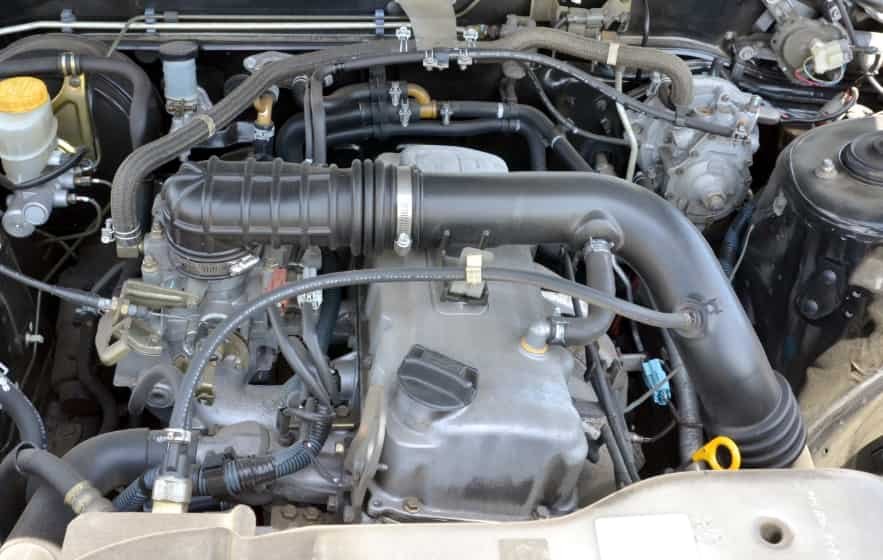
The Nissan NA20 engine is an inline four gasoline engine used in many Nissan commercial vehicles. It appears in vans, trucks, and forklifts. This engine is known for its simple structure and easy maintenance. Many owners still use it today because it is durable and affordable to repair.
Even with its strong reputation, the NA20 engine can develop problems over time. Most issues come from wear, aging parts, and lack of maintenance. Owners often notice early signs such as rough idle, higher fuel use, or small oil leaks. These signs usually appear before major failures happen.
You need to understand Nissan NA20 engine problems if you own or plan to buy a vehicle with this engine. Early diagnosis helps you avoid expensive repairs. It also helps you keep the engine running in stable condition for a longer time.
This guide explains the most common Nissan NA20 engine problems in detail. You will learn the causes, symptoms, and repair methods. The article also shows how to diagnose issues step by step. In addition, it covers maintenance tips that improve engine lifespan.
By reading this guide, you will understand how the NA20 engine behaves as it ages. You will also know when to repair it and when a full rebuild becomes necessary.
NISSAN NA20 ENGINE OVERVIEW
The Nissan NA20 engine is a 2.0 liter inline four gasoline engine designed mainly for commercial and utility vehicles. Nissan built this engine with a focus on durability and long term use instead of high performance. It has been widely used in vans, light trucks, and industrial machines where reliability matters more than speed or power output. Because of its simple structure, many mechanics still consider it easy to service and repair compared to modern electronic engines.
The engine uses a SOHC configuration with a carbureted fuel system in most versions. This design keeps the system mechanically simple and reduces dependency on complex electronic components. As a result, the NA20 engine can be maintained with basic tools, which makes it popular in regions where advanced diagnostic equipment is not always available. However, the carburetor system also requires regular tuning to maintain stable fuel delivery and smooth operation.
In terms of specifications, the NA20 engine has a displacement of 1952 cc and runs on a four cylinder layout. It produces moderate power that is suitable for carrying loads and supporting daily commercial transport tasks. Instead of focusing on high speed performance, the engine delivers steady torque at low and mid range RPM, which improves usability in heavy duty conditions.
This engine has been installed in several Nissan models, including the Vanette, Urvan, Atlas, and Cabstar. It has also been used in forklifts and other industrial equipment, showing its adaptability in different working environments. The combination of simple design, easy maintenance, and durable performance is the main reason why the NA20 engine remains in use today, even after many newer engine generations have been released.
IS THE NISSAN NA20 ENGINE RELIABLE?
The Nissan NA20 engine is generally considered reliable, especially when used in commercial and light industrial applications. It was designed with simplicity in mind, which reduces the number of components that can fail over time. This makes it more durable in long term use compared to more complex modern engines with electronic fuel injection and advanced control systems.
Many owners report that the NA20 engine can last for high mileage when it receives regular maintenance. It performs best when oil changes, cooling system checks, and carburetor adjustments are done on schedule. The engine tolerates heavy workloads well, which is why it is still used in vans, trucks, and forklifts. Its low compression design also helps reduce internal stress and extends engine life under constant use.
However, reliability depends heavily on maintenance quality. If the cooling system is neglected, the engine can overheat and cause serious damage such as head gasket failure. If the carburetor is not tuned correctly, the engine may run rich or lean, which affects fuel consumption and overall performance. Ignition components such as the distributor and spark plugs also need regular inspection to avoid misfires and starting issues.
Over time, natural wear becomes the main factor affecting reliability. Seals harden, gaskets weaken, and fuel system parts lose efficiency. These issues are expected in an older engine design like the NA20. Even so, most problems develop slowly and give clear warning signs before major failure occurs.
Overall, the Nissan NA20 engine remains reliable for users who follow proper maintenance practices and address small issues early.
MOST COMMON NISSAN NA20 ENGINE PROBLEMS
The Nissan NA20 engine develops several common problems as it gets older. Most issues come from natural wear, heat stress, and inconsistent maintenance. These problems usually start with small warning signs and gradually become more serious if the engine is not serviced in time. Understanding these issues helps owners reduce repair costs and avoid sudden breakdowns.
Oil leaks are one of the most common problems in the NA20 engine. They often occur when rubber seals and gaskets become hard and lose flexibility over time. The valve cover gasket, crankshaft seals, and oil pan gasket are typical failure points. When leaks appear, you may notice oil stains under the vehicle or a burning smell from the engine bay. Low oil levels can increase friction and lead to serious internal damage if not corrected quickly.
Engine overheating is another frequent issue. It usually happens when the cooling system does not work efficiently. A clogged radiator, weak water pump, or faulty thermostat can reduce coolant circulation. Low coolant levels can also cause temperature spikes. When the engine overheats, it may lose power and produce abnormal sounds. Repeated overheating can damage the head gasket and lead to expensive repairs.
Hard starting is also common in the NA20 engine. It often results from weak ignition components or fuel delivery problems. Worn spark plugs, a failing distributor, or incorrect carburetor settings can make the engine difficult to start. In some cases, the engine may require several attempts before it runs smoothly, especially in cold conditions.
Rough idle and engine misfires also appear as the engine ages. Vacuum leaks, dirty carburetors, and worn ignition parts often disrupt the air and fuel balance. These conditions can cause unstable RPM, vibration, and reduced engine power during acceleration.
WHAT CAUSES NISSAN NA20 ENGINE PROBLEMS
The Nissan NA20 engine develops problems mainly due to age, wear, and inconsistent maintenance. As a mechanical carbureted engine, it depends heavily on proper tuning and regular servicing. When owners neglect basic maintenance, small issues gradually turn into serious engine failures. Most problems are not caused by a single factor but by a combination of system wear over time.
Poor maintenance is one of the leading causes of NA20 engine problems. When engine oil is not changed on schedule, internal parts experience higher friction and faster wear. Dirty oil also affects lubrication quality and can lead to overheating and reduced engine performance. Neglecting air filters and fuel filters can also reduce engine efficiency and create uneven combustion.
Cooling system failure is another major cause. The NA20 engine relies on a properly functioning radiator, water pump, and thermostat to maintain stable temperature. When coolant becomes old or the radiator gets clogged, heat builds up inside the engine. This can lead to overheating, head gasket damage, and loss of compression.
Aging components also play a significant role. Rubber seals harden, gaskets lose elasticity, and metal parts gradually wear out. These changes affect engine sealing and lead to oil leaks, vacuum leaks, and unstable idling. Ignition components such as spark plugs and distributors also weaken over time, which increases the risk of misfires and hard starting.
Fuel system issues are common in carbureted engines like the NA20. Dirt buildup or incorrect carburetor adjustment can disturb the air and fuel mixture. This results in poor combustion, higher fuel consumption, and reduced engine power. Over time, these small inefficiencies accumulate and affect overall engine reliability.
HOW TO DIAGNOSE NISSAN NA20 ENGINE PROBLEMS
Diagnosing Nissan NA20 engine problems requires a systematic approach because most issues are interconnected. The engine uses a simple mechanical design, so many faults can be identified through basic inspection and testing. Early diagnosis helps prevent small issues from turning into major mechanical failures.
The first step is a visual inspection of the engine bay. You should check for oil leaks, loose hoses, cracked vacuum lines, and signs of coolant leakage. These physical signs often point directly to gasket failure or worn seals. A strong fuel or burning oil smell can also indicate hidden leaks that need attention.
Next, a compression test helps evaluate the internal health of the engine. Low compression in one or more cylinders often indicates worn piston rings, valve issues, or head gasket problems. This test is important because it reveals internal damage that is not visible from outside inspection.
The cooling system should also be checked carefully. You need to inspect coolant level, radiator condition, and water pump operation. If the engine overheats quickly or coolant circulation is weak, the issue may come from a clogged radiator or failing thermostat. Air trapped in the system can also cause unstable temperature readings.
Ignition system inspection is another key step. You should examine spark plugs, ignition wires, and the distributor condition. Worn spark plugs or weak spark output can lead to misfires, rough idle, and hard starting. In carbureted versions, incorrect ignition timing can also affect engine performance.
Finally, fuel system evaluation is necessary. A dirty carburetor or blocked fuel filter can disrupt fuel delivery and cause uneven combustion. Checking fuel flow and carburetor adjustment helps identify whether the engine receives the correct air and fuel mixture for stable operation.
PROVEN FIXES FOR COMMON NISSAN NA20 ENGINE PROBLEMS
Fixing Nissan NA20 engine problems requires matching each issue with its correct cause. Because this engine uses a simple mechanical design, many repairs are straightforward when diagnosed correctly. Timely repairs help prevent further damage and improve long term engine reliability.
Oil leaks are usually fixed by replacing worn gaskets and seals. The valve cover gasket, crankshaft seals, and oil pan gasket are common failure points. Cleaning the engine before inspection helps identify the exact leak source. After replacement, proper torque tightening is important to ensure a secure seal and prevent future leakage.
Engine overheating is solved by restoring cooling system efficiency. A clogged radiator should be cleaned or replaced depending on condition. A faulty thermostat must be replaced to restore proper coolant flow. The water pump should also be inspected because weak circulation often causes temperature spikes. Refilling coolant with the correct mixture helps stabilize engine temperature.
Hard starting issues are often resolved by servicing the ignition and fuel systems. Worn spark plugs should be replaced to restore strong combustion. A weak distributor can cause irregular spark timing and must be repaired or replaced. In carbureted engines, adjusting the air and fuel mixture helps improve starting performance in both cold and hot conditions.
Rough idle and misfires are corrected by fixing air and fuel imbalance. Vacuum leaks should be sealed to restore proper airflow. Cleaning the carburetor helps remove dirt buildup that affects fuel delivery. Adjusting ignition timing also improves engine stability and reduces vibration at low speed.
In more severe cases such as loss of power or head gasket failure, the engine may require partial or full rebuild. This includes replacing damaged internal components and restoring compression levels to factory condition.
PREVENTIVE MAINTENANCE TIPS FOR NISSAN NA20 ENGINE
Preventive maintenance plays a key role in keeping the Nissan NA20 engine stable and reliable over time. Since this engine uses a simple mechanical design, regular servicing can significantly reduce the risk of major failures. Most serious problems develop slowly, so consistent maintenance helps detect issues early and extend engine lifespan.
Regular oil changes are the most important maintenance task. Fresh engine oil reduces friction and protects internal components from wear. Old or dirty oil loses its lubricating ability and increases the risk of overheating and engine damage. It is also important to use the correct oil grade to maintain stable engine performance.
The cooling system must be checked frequently. Coolant level should always remain within the recommended range. The radiator should be cleaned to prevent clogging, and the water pump should be inspected for proper circulation. A healthy cooling system prevents overheating and protects the head gasket from damage.
Spark plugs should be replaced on schedule to ensure strong ignition. Weak or worn spark plugs can cause misfires, rough idle, and hard starting. The distributor and ignition wires should also be checked because they directly affect spark timing and combustion quality.
Air and fuel filters need regular replacement to maintain clean airflow and fuel delivery. Dirty filters reduce engine efficiency and increase fuel consumption. In carbureted systems, the carburetor should be cleaned and adjusted periodically to maintain proper air and fuel balance.
Valve clearance adjustment is another important task. Incorrect valve clearance can affect engine performance and cause noise or power loss. Regular inspection helps maintain smooth operation and prevents long term mechanical wear.
Consistent maintenance ensures the NA20 engine runs smoothly, reduces unexpected breakdowns, and extends overall engine life significantly.
NISSAN NA20 ENGINE LIFESPAN
The Nissan NA20 engine is known for its durability when it is properly maintained. This engine was built for commercial use, so it can handle long operating hours and heavy workloads. Many engines in good condition are still running today because their design focuses on simplicity and mechanical strength rather than high performance.
On average, a well maintained NA20 engine can last a very high mileage before requiring major repairs. Regular oil changes, cooling system care, and timely replacement of wear parts play a key role in extending its lifespan. When owners follow proper maintenance schedules, the engine can operate reliably for many years without serious internal damage.
However, lifespan decreases significantly when maintenance is neglected. Poor lubrication, overheating, and dirty fuel systems accelerate internal wear. These conditions can damage piston rings, valves, and gaskets, which leads to compression loss and reduced performance. Once these issues become severe, the engine may require a full rebuild to restore normal operation.
One of the main signs that the NA20 engine is reaching its limit is consistent loss of power. Increased oil consumption, frequent overheating, and hard starting also indicate internal wear. Rough idle and excessive smoke from the exhaust are additional warning signs that the engine is no longer operating efficiently.
Even though the engine is old compared to modern designs, it remains reliable in commercial environments when properly cared for. Its lifespan depends less on design limitations and more on how well it is maintained over time. With correct servicing habits, the NA20 engine can remain functional far beyond expectations for its age.
SHOULD YOU BUY A VEHICLE WITH A NISSAN NA20 ENGINE
Buying a vehicle with a Nissan NA20 engine can be a practical decision if you understand its strengths and limitations. This engine is widely used in older commercial vehicles, so it is often found in vans, trucks, and utility machines. Its simple mechanical design makes it easy to repair and maintain, which is a major advantage for buyers looking for low running costs.
One of the main advantages of the NA20 engine is its reliability under basic operating conditions. It performs well in daily commercial use when it receives proper maintenance. Spare parts are usually affordable and easy to find in many markets. This makes it suitable for buyers who want a budget friendly vehicle without complex electronic systems.
However, there are also disadvantages to consider. The engine is outdated compared to modern fuel injection systems, so it has lower fuel efficiency and higher emissions. It also requires more frequent tuning, especially in the carburetor system. If previous owners did not maintain the engine properly, you may face issues such as oil leaks, rough idle, or starting difficulties.
Before buying, you should carefully inspect the engine condition. Check for oil leaks, listen for unusual noises, and test how the engine starts in both cold and warm conditions. A compression test is also important because it reveals internal wear. The cooling system should be checked to ensure there is no overheating risk.
Overall, the Nissan NA20 engine is a good choice for buyers who prioritize simplicity and low repair costs over modern performance and fuel efficiency. It is most suitable for commercial use or basic transport needs rather than long distance high performance driving.
FREQUENTLY ASKED QUESTIONS
What are the most common Nissan NA20 engine problems?
The most common Nissan NA20 engine problems include oil leaks, overheating, hard starting, rough idle, and engine misfires. These issues usually appear as the engine ages and internal components wear out. Poor maintenance and neglected cooling or ignition systems often make these problems worse.
Is the Nissan NA20 engine reliable?
The Nissan NA20 engine is considered reliable when it receives regular maintenance. Its simple mechanical design reduces the number of electronic components that can fail. However, reliability decreases if the cooling system, ignition system, or lubrication is not properly maintained over time.
How long does a Nissan NA20 engine last?
A well maintained Nissan NA20 engine can last for very high mileage. Its lifespan depends heavily on oil changes, cooling system condition, and overall maintenance habits. Neglecting these areas can significantly shorten engine life.
Why does the Nissan NA20 engine overheat?
The NA20 engine overheats mainly due to cooling system problems. Common causes include a clogged radiator, faulty thermostat, weak water pump, or low coolant levels. If not fixed quickly, overheating can damage the head gasket and internal engine parts.
What causes rough idle in the NA20 engine?
Rough idle is usually caused by vacuum leaks, dirty carburetors, or ignition timing issues. Worn spark plugs and distributor problems can also affect idle stability. These issues disturb the air and fuel balance inside the engine.
Is the Nissan NA20 engine expensive to repair?
The NA20 engine is generally not expensive to repair compared to modern engines. Parts are affordable and the design is simple. However, repair costs can increase if major internal damage occurs, such as head gasket failure or engine rebuild needs.
Can regular maintenance prevent most NA20 engine problems?
Yes, regular maintenance can prevent most common issues. Oil changes, cooling system checks, and ignition system servicing help keep the engine stable. Cleaning filters and adjusting the carburetor also improve long term reliability.
Is the Nissan NA20 engine easy to rebuild?
Yes, the NA20 engine is considered relatively easy to rebuild. Its simple mechanical structure allows experienced mechanics to disassemble and repair it without advanced diagnostic tools. This is one of the reasons it remains popular in older commercial vehicles.
CONCLUSION
The Nissan NA20 engine remains a practical and durable option for many commercial and utility applications. Its simple mechanical design helps it deliver stable performance over long periods when owners maintain it properly. Even though the engine is older technology, it still performs reliably in vans, trucks, and industrial equipment where basic strength matters more than modern efficiency.
Most Nissan NA20 engine problems develop gradually as parts wear out over time. Issues such as oil leaks, overheating, hard starting, rough idle, and misfires usually begin with small warning signs. When owners understand these early symptoms, they can prevent more serious damage and reduce repair costs significantly. Proper diagnosis and timely maintenance are the key factors that keep this engine running smoothly.
Regular servicing plays the most important role in extending engine life. Simple actions like changing engine oil, checking the cooling system, maintaining ignition components, and cleaning the carburetor can greatly improve reliability. When these tasks are neglected, the engine becomes more vulnerable to overheating, power loss, and internal wear.
Overall, the Nissan NA20 engine is best suited for users who value simplicity, low repair cost, and easy maintenance. It is not designed for high performance or fuel efficiency, but it remains a dependable choice for long term commercial use. With proper care, this engine can continue to operate effectively far beyond expectations for its age.