Nissan Murano is a mid size SUV with a V6 engine. Many drivers choose it for comfort, smooth performance, and strong road handling. However, many owners and buyers also search for Nissan Murano engine problems because long term reliability matters a lot when choosing a used SUV.
The engine plays a key role in vehicle performance. When problems appear, they can affect driving comfort, fuel efficiency, and repair costs. Many drivers report issues such as oil consumption, engine noise, misfires, or warning lights on the dashboard.
These problems often create concern for owners who depend on their vehicle every day. Some issues develop slowly over time, while others appear suddenly without clear warning signs.
This article explains Nissan Murano engine problems in detail. You will learn about common issues, symptoms, root causes, model year differences, repair costs, and proven solutions. The goal is to help you understand what happens inside the engine and how to prevent expensive repairs.
Nissan Murano Engine Architecture and Reliability Context
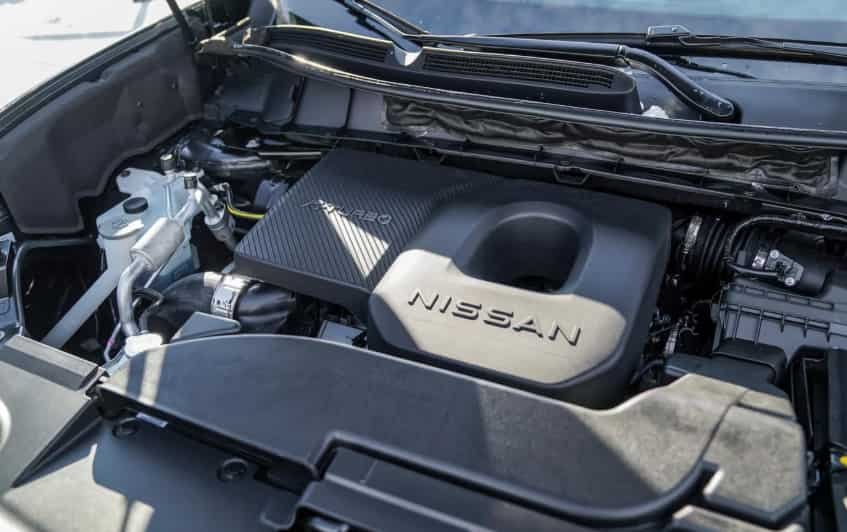
The Nissan Murano uses engines from the VQ series, mainly the VQ35DE and VQ35HR V6 engines. Nissan designed these engines for smooth power delivery and balanced performance. Many drivers appreciate the strong acceleration and quiet operation of this engine family.
The VQ engine uses a timing chain system instead of a timing belt. This design reduces routine maintenance needs because a timing chain usually lasts longer. However, the timing chain still wears out over time. High mileage, poor oil quality, or irregular oil changes can speed up this wear process.
Engine reliability in the Murano does not depend only on the engine itself. The CVT transmission also affects how the engine performs in real driving conditions. When the CVT struggles, the engine may feel weak or inconsistent. Many drivers confuse transmission problems with engine problems because both systems work closely together.
Heat management also plays an important role. The engine performs best when the cooling system works properly. If the radiator, thermostat, or water pump fails, the engine can overheat and lose long term durability.
Overall, the Nissan Murano engine offers solid performance when it receives proper maintenance. Regular oil changes and correct fluid use help extend engine life and reduce the risk of major failures.
Most Common Nissan Murano Engine Problems
Nissan Murano owners often report several engine issues that appear across different model years. These problems usually develop over time and become more noticeable as mileage increases. Understanding these common issues helps drivers identify early warning signs and avoid expensive repairs.
One of the most reported problems is excessive oil consumption. Some Murano engines burn oil faster than expected between oil changes. This issue often comes from worn piston rings or valve seals. When oil levels drop too low, the engine can suffer serious internal damage if the driver does not notice it early.
Timing chain noise is another common concern. Drivers may hear a rattling sound during cold starts or after long periods of driving. This noise usually indicates timing chain wear or tensioner problems. If ignored, it can affect engine timing and reduce overall performance.
Engine misfires also appear frequently. A misfire can happen when spark plugs or ignition coils weaken. It can also result from fuel delivery issues. When misfires occur, the engine may shake, lose power, or run unevenly.
Overheating issues sometimes affect the Murano engine as well. Cooling system components such as the radiator, thermostat, or water pump may fail over time. When the engine temperature rises too high, it can lead to severe internal damage.
Another issue involves knocking or ticking noises from the engine. These sounds often point to low oil pressure or internal wear. They usually signal that the engine needs immediate inspection.
The check engine light is also a frequent complaint. It can turn on for many reasons, including sensor failures or mechanical problems. A proper diagnostic scan is required to find the exact cause instead of guessing.
Symptoms of Nissan Murano Engine Problems
Nissan Murano engine problems often start with small changes in how the vehicle behaves. Many drivers ignore these early signs because the car still runs normally. However, these early symptoms often indicate developing engine issues that can become serious if left unchecked.
One common early symptom is rough idling. The engine may feel unstable when the car is stopped. It can shake slightly or sound uneven. This usually points to combustion imbalance or ignition system issues.
Another frequent sign is reduced acceleration. The vehicle may feel slower when you press the gas pedal. This often happens when the engine does not receive the right air fuel mixture or when internal efficiency drops.
Poor fuel economy is also a clear warning sign. When the engine works harder than normal, it consumes more fuel. Many owners notice they visit gas stations more often without changing their driving habits.
As engine problems become more serious, drivers may notice unusual noises. Engine knocking or ticking sounds often indicate internal wear or lubrication problems. These noises should never be ignored because they can signal early engine damage.
Exhaust smoke is another important symptom. Blue smoke often means the engine burns oil. Black smoke usually points to fuel system imbalance. White smoke can indicate coolant issues in more serious cases.
Warning lights on the dashboard also provide critical information. The check engine light or oil pressure warning light often signals that the engine has detected abnormal conditions. These alerts should always be checked with a diagnostic scanner.
OBD diagnostic codes help identify the exact issue. Codes like P0300 indicate random misfires. P0011 relates to timing issues. P0420 suggests catalytic system inefficiency. These codes help narrow down the root cause of engine problems.
Root Causes of Nissan Murano Engine Problems
Nissan Murano engine problems usually do not come from a single cause. Most issues develop over time because of multiple factors that affect engine performance and durability. Understanding these root causes helps drivers prevent serious damage and reduce long term repair costs.
One of the most common causes is poor maintenance. Many engine problems start when oil changes are delayed or skipped. Engine oil loses its effectiveness over time, especially under high heat and heavy driving conditions. When oil becomes dirty or low, it cannot protect internal engine parts properly. This increases friction and leads to wear.
Incorrect oil type also contributes to engine issues. The Nissan Murano VQ engine requires specific oil viscosity. When the wrong oil is used, engine lubrication becomes less effective. This can increase wear on components such as piston rings, camshafts, and timing chains.
Another important cause is natural engine aging. As mileage increases, internal components slowly wear down. Seals, gaskets, and sensors lose efficiency over time. This aging process can lead to oil leaks, misfires, and reduced engine performance.
Driving conditions also play a major role. Frequent stop and go traffic puts more stress on the engine. Short trips prevent the engine from reaching optimal operating temperature. This can increase carbon buildup and reduce combustion efficiency.
Heat is another critical factor. High engine temperatures can accelerate wear on internal parts. When the cooling system does not work properly, the engine becomes more vulnerable to long term damage. Components such as the radiator, thermostat, or water pump must function correctly to maintain stable temperature.
In some cases, design limitations also contribute to engine problems. While the Nissan VQ engine is generally reliable, it still has known wear patterns under high mileage conditions. Combined with CVT stress in some models, this can increase perceived engine strain.
Nissan Murano Engine Problems by Model Year
Nissan Murano engine problems do not appear the same across all generations. Each model year group has different reliability patterns based on engine design updates, transmission pairing, and long term durability improvements. Understanding these differences helps buyers avoid risky years and choose more reliable models.
2003 to 2007 Models
The early Nissan Murano models use the VQ35DE engine. These versions are known for strong performance, but they also show more wear related issues as they age. Common problems include oil consumption, timing chain noise, and minor oil leaks. High mileage examples often show reduced engine smoothness and increased maintenance needs.
2009 to 2014 Models
This generation introduces more electronic control systems and continues using the V6 engine with CVT transmission. Many reported issues during this period relate to engine behavior under transmission stress. Drivers often report sensor failures, rough performance at low speeds, and occasional misfires. The CVT system also influences how the engine feels under load, which sometimes leads to confusion between engine and transmission problems.
2015 to 2020 Models
These models show improved engine refinement and better overall reliability. Nissan made several updates to improve efficiency and reduce mechanical wear. However, some owners still report issues such as minor oil consumption and occasional sensor related warnings. Overall, engine failure rates are lower compared to earlier generations, but long term durability still depends heavily on maintenance habits.
2021 to Present Models
The newest Murano models benefit from more advanced engine tuning and improved component quality. Engine performance feels smoother and more stable under normal driving conditions. Reported engine problems are less frequent and usually involve minor electronic or sensor related issues rather than major mechanical failures. However, long term data is still limited since these models are relatively new.
Repair Costs and Maintenance Expenses
Repair costs for Nissan Murano engine problems vary depending on the severity of the issue, the vehicle’s mileage, and how early the problem is detected. Minor repairs are usually affordable, but major engine failures can become very expensive and may exceed the value of older vehicles.
Small repairs often involve parts such as spark plugs, ignition coils, and engine sensors. These components wear out naturally over time, especially in high mileage vehicles. When spark plugs are replaced on schedule, the engine runs more smoothly and fuel efficiency improves. Faulty ignition coils can cause misfires, and replacing them usually restores stable engine performance. Sensor related repairs, such as oxygen sensors or mass airflow sensors, are also common and help maintain proper air fuel balance in the engine.
Moderate repair costs usually come from more complex issues such as timing chain service, valve cover gasket replacement, or cooling system repairs. Timing chain work requires more labor and careful engine disassembly, which increases cost. Cooling system components like the thermostat, radiator, or water pump are essential for temperature control, and failure in these parts can lead to overheating and further engine damage.
Major repairs include internal engine work such as head gasket replacement or full engine rebuilds. These repairs require advanced technical skills and significant labor time. In many cases, rebuilding an engine is only worth it if the vehicle is still in good overall condition and has strong long term value.
Engine replacement is the most expensive option. It may involve installing a used, rebuilt, or new engine depending on availability and budget. In many situations, owners compare the total repair cost with the market value of the car to decide whether repair is financially reasonable. Regular maintenance remains the most effective way to avoid these high cost scenarios.
How to Fix Nissan Murano Engine Problems
Fixing Nissan Murano engine problems depends on identifying the exact cause first. Most engine issues do not start as major failures. They often begin with small performance changes that can be corrected if handled early. A proper diagnosis is the most important step before any repair is done.
The first approach involves basic maintenance fixes. Many engine problems come from old or dirty engine oil. Regular oil changes with the correct viscosity help reduce friction and protect internal components. Replacing air filters and spark plugs also improves combustion quality and can fix issues such as rough idling or misfires. These simple actions often restore normal engine performance without major repair work.
If symptoms continue, professional diagnostics become necessary. A mechanic uses OBD scanning tools to read error codes from the engine control unit. These codes help identify whether the issue comes from ignition systems, fuel delivery, sensors, or timing related components. Once the root cause is clear, targeted repairs can be performed instead of guessing and replacing unnecessary parts.
For more serious issues such as timing chain noise, overheating, or persistent misfires, mechanical repair is required. Timing chain problems need precise adjustment or replacement to restore engine timing accuracy. Cooling system failures require inspection of the radiator, thermostat, and water pump to prevent overheating damage. Ignoring these problems can lead to long term engine failure.
Preventive maintenance is the most effective long term solution. Using high quality engine oil, following proper service intervals, and monitoring oil levels regularly helps reduce the risk of major engine problems. Careful driving habits also reduce engine stress and extend engine lifespan significantly.
How to Prevent Nissan Murano Engine Problems
Preventing Nissan Murano engine problems depends mostly on consistent maintenance and proper driving habits. Most serious engine failures develop slowly, which means owners can reduce risk significantly by following a simple care routine.
Regular oil changes are the most important factor in engine protection. Clean engine oil keeps internal components lubricated and reduces friction. When oil becomes dirty or is not changed on time, engine wear increases quickly. Using the correct oil viscosity for the VQ engine also helps maintain stable performance and reduces long term damage.
Monitoring oil levels between service intervals is another important habit. Some Murano engines may consume oil over time, especially in higher mileage vehicles. Checking oil regularly helps prevent low oil conditions that can lead to overheating or internal engine wear.
Cooling system maintenance also plays a key role in prevention. The engine must stay within a safe temperature range to avoid damage. Components such as the radiator, thermostat, and water pump should be inspected and replaced when necessary. A well functioning cooling system prevents overheating, which is one of the most damaging conditions for any engine.
Driving behavior also affects engine lifespan. Smooth acceleration and avoiding aggressive driving reduce stress on internal parts. Short trips should be minimized when possible because the engine does not reach optimal operating temperature, which can lead to carbon buildup over time.
Using high quality fuel and OEM parts further improves reliability. Cheap or low quality components may not perform well under long term use. Combining proper maintenance, careful driving, and timely inspections creates the best protection against Nissan Murano engine problems.
Engine Reliability Verdict and Conclusion
The Nissan Murano engine shows a mixed reliability profile depending on how the vehicle is maintained and which model year is considered. The VQ V6 engine is generally known for smooth performance and solid durability under normal driving conditions. Many owners experience long service life when they follow proper maintenance schedules and use correct engine oil.
However, the engine is not completely free from issues. Problems such as oil consumption, timing chain wear, misfires, and overheating can appear over time, especially in high mileage vehicles or poorly maintained units. These issues do not always indicate immediate engine failure, but they can lead to expensive repairs if ignored.
Model year also plays an important role in reliability. Older generations tend to show more wear related issues due to age and mileage. Mid generation models improved in refinement but still experience sensor and CVT related stress that can affect perceived engine performance. Newer models are more stable, but long term data is still limited.
Overall, the Nissan Murano engine can be considered reliable when properly maintained, but it requires consistent care and attention. Owners who follow regular oil changes, monitor cooling system health, and address early warning signs usually avoid major engine problems.
For potential buyers, the key is not only the engine design but also the maintenance history of the vehicle. A well maintained Murano can deliver strong performance and comfort, while a neglected one may develop costly engine issues over time.
In conclusion, the Nissan Murano engine is a capable V6 unit with good long term potential, but its reliability depends heavily on maintenance discipline and early problem detection.
Frequently Asked Questions (FAQ)
Are Nissan Murano engines reliable
Nissan Murano engines are generally reliable when they receive proper maintenance. The VQ V6 engine is known for smooth operation and long service life. However, reliability decreases when oil changes are delayed or cooling system issues are ignored.
What is the most common Nissan Murano engine problem
The most common issues include excessive oil consumption, engine misfires, timing chain noise, and occasional overheating. These problems often develop gradually and become more noticeable with higher mileage.
Which Nissan Murano years have the most engine problems
Older models, especially early generations, tend to show more engine related wear due to age and mileage. Mid generation models improved in design, while newer models show fewer mechanical issues but still depend heavily on maintenance quality.
How long do Nissan Murano engines last
A well maintained Nissan Murano engine can last over 200,000 miles. Lifespan depends on regular oil changes, driving habits, and how quickly early warning signs are addressed.
Is it expensive to fix a Nissan Murano engine
Repair costs vary widely. Small repairs like sensors or spark plugs are affordable, while major issues such as timing chain replacement or engine rebuilds can be expensive. In some cases, full engine replacement may cost more than the vehicle’s value.
Can Nissan Murano engine problems be prevented
Yes, most problems can be reduced or prevented with regular maintenance. Oil changes, cooling system checks, and early diagnostics help prevent serious engine damage and extend engine life.