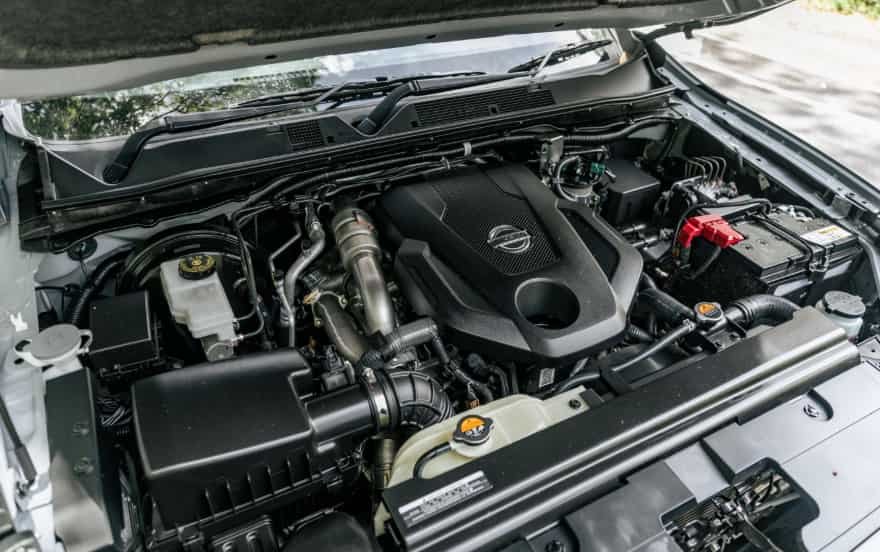
The Nissan Navara is a popular pickup known for strong performance, towing ability, and long distance durability. Many drivers choose it for both work and everyday use because it handles heavy loads and rough roads with ease.
Even a reliable pickup like the Navara can develop engine problems over time. Wear, maintenance habits, and driving conditions all influence engine health. High mileage, poor servicing, or harsh usage can increase the risk of failure in key components.
Nissan Navara engine problems often start with small warning signs. Drivers may notice reduced power, higher fuel use, or unusual engine noise before a serious fault appears. These early symptoms matter because they help prevent costly repairs.
This guide explains the most common Nissan Navara engine problems. It covers causes, symptoms, repair options, and prevention methods. You will also learn how to recognize early warning signs and avoid major engine damage.
Why Do Nissan Navara Engine Problems Occur
Nissan Navara engine problems usually develop due to a combination of mechanical wear, maintenance habits, and driving conditions. These issues rarely appear suddenly. They build up gradually as key engine components lose efficiency over time.
One of the main causes is natural engine wear. Parts such as pistons, timing chains, injectors, and bearings work under constant pressure, especially in diesel engines. As mileage increases, these components slowly degrade and affect overall engine performance.
Poor maintenance is another major factor. When oil changes are delayed or low quality engine oil is used, the engine loses proper lubrication. This increases friction inside the engine and accelerates wear on critical parts. Dirty oil can also block small passages that are essential for smooth engine operation.
Driving conditions also have a strong impact on engine health. The Nissan Navara is often used for towing, off road driving, and heavy load transport. These conditions place extra stress on the turbocharger, cooling system, and fuel system. Over time, this stress can lead to overheating, power loss, or component failure.
Some engine problems are also linked to specific model designs. Certain engine generations may have weaker components that are more sensitive to wear or poor maintenance. When combined with harsh usage, these weaknesses become more noticeable and lead to common failure patterns.
Overall, Nissan Navara engine problems are usually the result of long term stress rather than sudden breakdowns. Regular maintenance and proper driving habits play a key role in preventing serious engine damage.
Most Common Nissan Navara Engine Problems
Nissan Navara engine problems often follow clear patterns that appear across many model years and driving conditions. Most issues develop gradually due to wear in key engine systems such as timing components, turbocharger, fuel injectors, and the cooling system. When these systems start to degrade, the engine loses efficiency and performance becomes inconsistent.
Timing chain failure is one of the most serious Nissan Navara engine problems. It usually begins with a rattling noise during cold starts. As the condition worsens, the engine may feel sluggish and lose smooth acceleration. In severe cases, timing chain wear can cause engine misfires or even major internal damage. This problem is mainly caused by poor lubrication, delayed oil changes, and high mileage. Regular oil maintenance is essential to prevent timing chain wear.
Turbocharger failure is another common issue in diesel Navara engines. A failing turbo reduces engine power and causes slow acceleration. Drivers may also notice whistling noises or excessive exhaust smoke. This issue is often linked to oil contamination, poor lubrication, or carbon buildup inside the turbo system. Early servicing can sometimes restore performance, but severe damage usually requires replacement.
Fuel injector problems affect combustion quality and engine efficiency. When injectors become clogged or worn, the engine may run roughly, misfire, or consume more fuel. Contaminated diesel fuel and neglected filter changes are common causes of injector failure.
Engine overheating is also a critical issue that can lead to serious damage if ignored. It is usually caused by radiator blockage, thermostat failure, or coolant leaks. Excessive oil consumption can also occur due to worn internal components or turbo oil leaks. All these problems highlight the importance of regular maintenance and early diagnosis to keep the Nissan Navara engine running reliably.
Symptoms of Nissan Navara Engine Problems
Nissan Navara engine problems usually show clear warning signs before serious failure occurs. These symptoms often start small but become more noticeable over time if the root cause is not addressed.
One of the most common signs is loss of engine power. The vehicle may feel slow during acceleration and struggle when carrying heavy loads. This usually indicates issues with the turbocharger, fuel injectors, or air intake system.
Excessive exhaust smoke is another important symptom. Black smoke often points to incomplete fuel combustion, while white smoke may suggest coolant entering the engine. Blue smoke is commonly linked to oil burning inside the combustion chamber.
Unusual engine noise is also a strong warning sign. Knocking, rattling, or whining sounds may indicate timing chain wear, turbo damage, or internal lubrication problems. These noises should never be ignored because they often signal early stage mechanical failure.
Hard starting or delayed ignition is another common symptom. This can be caused by weak fuel delivery, faulty injectors, or sensor issues. In diesel engines, even small injector problems can affect starting performance.
Rough idle and engine vibration may appear when combustion becomes uneven. This often happens due to clogged injectors, air leaks, or sensor malfunctions.
In more severe cases, the vehicle may enter limp mode. This is a protective function that limits engine power to prevent further damage. The engine warning light may also appear on the dashboard, indicating that the ECU has detected a fault in the system.
Nissan Navara Engine Problems by Model Generation
Nissan Navara engine problems vary depending on the model generation. Each version has different engine designs, technology levels, and known weak points. Understanding these differences helps identify risks more accurately when buying or maintaining the vehicle.
The Nissan Navara D22 is the older generation and is known for its simple but robust engine design. However, high mileage vehicles often experience oil leaks, injector wear, and reduced compression. Because of its age, most issues are related to long term mechanical wear rather than complex electronic faults.
The Nissan Navara D40 introduced more advanced diesel technology, including the YD25 engine. This generation is more powerful but also more sensitive to maintenance. Common engine problems include timing chain issues, turbocharger failure, and EGR valve clogging. Some models also experience overheating under heavy load conditions. Regular oil changes are critical for this generation to avoid premature engine wear.
The Nissan Navara NP300 is the most modern version with improved efficiency and emissions control systems. While it is generally more reliable, it can still face issues such as DPF blockage, sensor failures, and occasional turbo stress under heavy towing. Engine performance is better optimized, but maintenance remains important, especially for diesel particulate systems.
Across all generations, the main difference lies in complexity and sensitivity. Older models like the D22 fail mainly due to age, while newer models like the D40 and NP300 are more affected by maintenance quality and electronic systems. Choosing the right model and maintaining it properly plays a key role in reducing Nissan Navara engine problems and ensuring long term reliability.
How to Diagnose Nissan Navara Engine Problems
Diagnosing Nissan Navara engine problems requires a clear step by step approach. Most issues can be identified early if the right tests and observations are carried out. Proper diagnosis helps avoid unnecessary repairs and reduces long term damage.
The first step is a visual inspection. This includes checking for oil leaks, coolant leaks, and any loose or damaged components in the engine bay. Signs of carbon buildup or worn hoses can also indicate underlying engine issues.
An OBD II scan is one of the most effective diagnostic tools. It reads error codes from the engine control unit and helps identify sensor faults, fuel system issues, or turbo related problems. These codes provide a clear starting point for further investigation.
Compression testing is also important. It measures the pressure inside each cylinder and helps detect internal engine wear such as piston ring damage or valve sealing issues. Low compression often indicates serious engine problems that require repair.
Turbo inspection is necessary when power loss or smoke is present. The technician checks for shaft play, oil leaks, and boost pressure irregularities. A failing turbo can significantly affect engine performance.
Fuel injector testing helps identify uneven fuel delivery. Dirty or faulty injectors can cause rough idle, misfires, and poor fuel efficiency. Cleaning or replacement may be required depending on the results.
The cooling system should also be pressure tested. This helps detect leaks, radiator blockages, or thermostat failure. Overheating issues are often linked to cooling system faults, making this step essential in the diagnostic process.
A complete diagnosis combines all these methods to accurately identify Nissan Navara engine problems before they become severe.
How to Fix Nissan Navara Engine Problems
Fixing Nissan Navara engine problems depends on the severity of the issue and how early it is detected. Some problems can be resolved with simple maintenance, while others require professional repair or full engine rebuilding.
Minor issues can often be fixed with basic servicing. Oil and filter changes help restore proper lubrication and reduce wear on engine components. Cleaning the air intake system and replacing clogged filters can also improve performance and fuel efficiency. These steps are effective when problems are caught early.
Fuel injector problems can usually be solved through cleaning or recalibration. If injectors are heavily worn or damaged, replacement becomes necessary. Proper fuel system maintenance helps prevent recurring issues and ensures stable engine operation.
Turbocharger issues require more careful attention. In some cases, cleaning oil lines and removing carbon buildup can restore function. However, if the turbo bearings or shaft are damaged, replacement is the only reliable solution to restore full power and prevent further engine damage.
For serious issues such as timing chain failure or internal engine wear, professional repair is required. This may include replacing the timing chain kit, repairing valve components, or addressing lubrication system failures. Ignoring these problems can lead to complete engine breakdown.
In extreme cases, engine rebuild or full engine replacement is necessary. This applies when internal damage is too extensive for repair. Although costly, this option restores long term reliability and performance.
Regular maintenance remains the most effective way to reduce Nissan Navara engine problems and avoid expensive repairs.
Nissan Navara Engine Repair Costs
Nissan Navara engine repair costs vary widely depending on the type of problem, engine condition, and labor rates in each region. Small issues are relatively affordable, while major engine failures can become expensive.
Basic maintenance such as oil and filter changes is the lowest cost option. This service helps prevent many Nissan Navara engine problems and usually includes engine oil, oil filter, and air filter replacement. Regular servicing is far cheaper than repairing damaged components.
Fuel injector cleaning or replacement is a mid range cost repair. Cleaning is less expensive and can restore performance if done early. However, full injector replacement increases the cost significantly, especially in diesel engines where precision parts are required.
Turbocharger repair or replacement is one of the higher cost items. Cleaning oil lines or fixing minor issues may be affordable, but a full turbo replacement can be expensive due to both parts and labor. This repair is often necessary when power loss and smoke issues are severe.
Timing chain replacement is also a major expense. It involves removing multiple engine components and replacing the full timing kit. If ignored for too long, it can lead to internal engine damage, increasing overall repair costs significantly.
Engine overheating repairs vary depending on the cause. Simple fixes like thermostat or hose replacement are cheaper, while head gasket repairs or engine rebuilds are much more costly.
In the most serious cases, full engine rebuild or engine replacement is the highest cost scenario. This usually applies when internal damage is extensive and cannot be repaired individually.
Overall, early detection of Nissan Navara engine problems is the most effective way to reduce repair costs and avoid major financial burden.
How to Prevent Nissan Navara Engine Problems
Preventing Nissan Navara engine problems depends on consistent maintenance and correct driving habits. Most engine failures develop slowly, so early action helps avoid costly repairs.
Regular oil changes are the most important step. Fresh engine oil keeps internal parts lubricated and reduces friction. Clean oil also protects the timing chain, turbocharger, and other moving components.
Drivers should always use high quality engine oil that matches manufacturer specifications. Low quality oil increases wear and reduces engine lifespan. Oil filters also need replacement at every service to keep the system clean.
Cooling system maintenance plays a key role in engine protection. Drivers should check coolant levels regularly and inspect the radiator for leaks or blockages. A healthy cooling system prevents overheating and protects the head gasket.
Fuel system care also reduces Nissan Navara engine problems. Clean diesel fuel and timely fuel filter replacement help protect injectors. Dirty fuel often leads to poor combustion and engine hesitation.
Drivers should avoid heavy acceleration when the engine is cold. Gentle driving during warm up reduces stress on internal components and improves long term reliability.
For diesel models, regular long distance driving helps reduce carbon buildup in the EGR system and diesel particulate filter. Short trips only can increase blockage risk and trigger warning lights.
Routine inspections help detect small issues early. Mechanics can identify leaks, abnormal noise, or sensor faults before they become serious engine failures.
Proper maintenance and careful driving significantly reduce Nissan Navara engine problems and help extend engine life over time.
Are Nissan Navara Engine Problems Serious?
Nissan Navara engine problems range from minor issues to serious mechanical failures. The level of severity depends on how early the problem is detected and how quickly the driver takes action.
Some engine problems are minor and easy to fix. Issues such as clogged filters, low quality oil, or sensor errors usually affect performance slightly. These problems do not damage the engine immediately if the driver repairs them early.
Moderate problems can affect driving comfort and fuel efficiency. Turbocharger wear, fuel injector issues, or EGR valve blockages often reduce engine power and increase fuel consumption. These issues require timely repair to prevent further damage.
Serious engine problems can lead to major breakdowns. Timing chain failure, severe overheating, or internal engine wear can damage key components. In these cases, the engine may lose compression or stop working completely.
Engine problems become serious when drivers ignore warning signs. Symptoms such as unusual noise, smoke, or loss of power often indicate early failure. Quick diagnosis and repair help prevent costly damage.
Overall, Nissan Navara engine problems are manageable when drivers act early. Regular maintenance and careful monitoring reduce the risk of serious engine failure and improve long term reliability.
Is the Nissan Navara Still Reliable?
The Nissan Navara is still considered a reliable pickup when owners maintain it properly. Its diesel engines deliver strong performance, good towing capacity, and long service life under normal conditions.
Reliability depends heavily on maintenance habits. Owners who follow regular oil changes, use quality fuel, and service the cooling system usually experience fewer Nissan Navara engine problems. Proper care helps the engine run smoothly even at high mileage.
Different generations show different reliability levels. Older models like the D22 offer simple mechanical design but require attention due to age. The D40 provides stronger performance but needs more careful maintenance, especially for the timing chain and turbo system. The NP300 improves efficiency and reduces some older issues, but still needs proper care for emissions systems and sensors.
Driving style also affects reliability. Heavy towing, off road driving, and short trips increase engine stress. These conditions raise the risk of turbo wear, injector problems, and carbon buildup.
Overall, the Nissan Navara remains a reliable pickup in its class. It performs well when owners maintain it correctly and address small issues early. Neglecting maintenance increases the chance of engine problems and reduces long term durability.
Frequently Asked Questions
Many owners search for answers about Nissan Navara engine problems before buying or maintaining the vehicle. Below are the most common questions with clear and direct answers.
What is the most common Nissan Navara engine problem
The most common issues include timing chain wear, turbocharger failure, and fuel injector problems. These issues usually develop over time due to wear, maintenance habits, or driving conditions.
Which Nissan Navara engine is the most reliable
The D22 engine is simple and durable but old. The D40 offers strong performance but needs careful maintenance. The NP300 provides better efficiency and improved reliability when serviced correctly.
How many miles can a Nissan Navara engine last
A well maintained Nissan Navara engine can last over 200,000 miles. Regular oil changes, cooling system care, and proper driving habits extend engine life significantly.
Are Nissan Navara engine repairs expensive
Repair costs depend on the issue. Small maintenance is affordable, but turbo replacement, timing chain repair, or engine rebuild can become expensive.
Can Nissan Navara engine problems be prevented
Yes, most engine problems can be reduced with regular maintenance. Oil changes, filter replacement, and cooling system checks play the most important role in prevention.
Is the Nissan Navara good for long term use
The Nissan Navara performs well for long term use when owners maintain it properly. Neglecting service schedules increases the risk of engine problems and reduces reliability.
Conclusion
Nissan Navara engine problems can range from minor maintenance issues to serious mechanical failures. Most problems develop gradually and show early warning signs such as power loss, smoke, noise, or higher fuel consumption. When drivers identify these symptoms early, they can avoid major repair costs and long term damage.
The most common issues include timing chain wear, turbocharger failure, fuel injector problems, overheating, and oil consumption. Each problem usually links back to maintenance habits, driving conditions, or normal engine wear over time.
Regular servicing plays the most important role in engine reliability. Oil changes, filter replacement, and cooling system checks help prevent most Nissan Navara engine problems. Careful driving and early diagnosis also improve engine lifespan significantly.
Overall, the Nissan Navara remains a strong and reliable pickup when owners maintain it correctly. Consistent care keeps the engine stable and reduces the risk of unexpected failures.