The Nissan Pathfinder is a popular midsize SUV. Many drivers choose it for family use, comfort, and practicality. It has been on the market for many years and has built a strong reputation in its segment. However, many owners and buyers still search for Nissan Pathfinder engine problems because they want to understand its long term reliability.
Some model years show engine related issues. These issues can affect performance and ownership cost. Drivers report problems such as oil consumption, timing chain noise, overheating, and sensor failures. In some cases, these problems lead to serious engine damage if owners ignore early signs.
Used car buyers often worry about repair risks. Engine repairs can become expensive quickly. This makes reliability a key factor when people compare the Pathfinder with other midsize SUVs. Understanding these problems helps buyers avoid costly mistakes.
This guide explains the most common Nissan Pathfinder engine problems in a simple and structured way. It covers symptoms that appear early, the root causes behind failures, and real repair costs based on typical repair situations. You will also learn how to detect warning signs before they turn into major issues.
The goal is to help you make better decisions. If you already own a Pathfinder, this guide will help you protect your engine. If you plan to buy one, it will help you evaluate risk before you invest money.
Nissan Pathfinder Engine Overview and Reliability Background
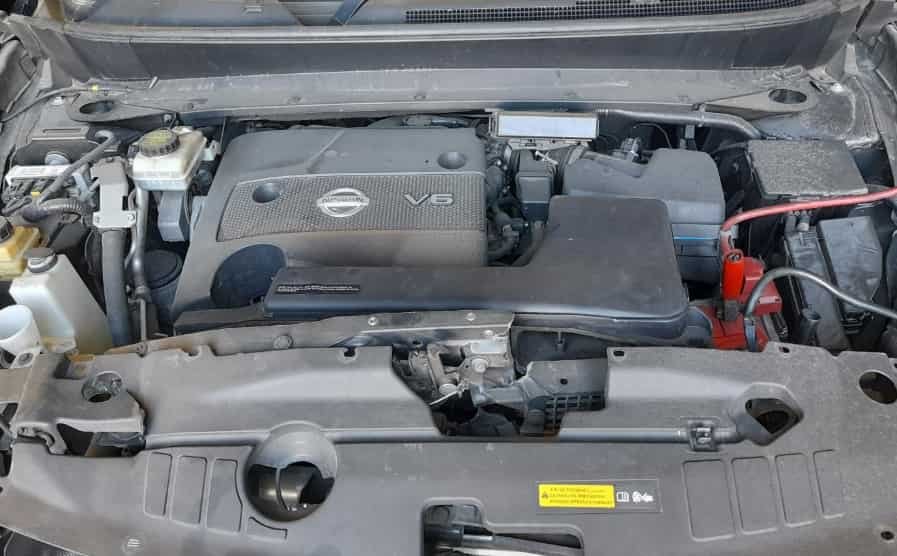
The Nissan Pathfinder uses different engine configurations across its generations. Most modern models use V6 engines designed for balanced power and everyday driving. These engines aim to deliver smooth acceleration and stable highway performance. Nissan also focuses on durability, but real world usage shows mixed reliability results depending on the model year.
Some engine families, especially VQ series variants, appear in many Nissan vehicles. These engines are known for strong performance. However, they also show issues when maintenance is not consistent. Problems often appear in higher mileage vehicles or in cars that experience heavy city driving.
Reliability ratings for the Pathfinder vary across generations. Some model years perform well with only minor issues. Other years show more frequent engine complaints, especially related to timing components, oil consumption, and cooling system stress. These differences often depend on design updates and changes in parts suppliers.
Driving conditions also affect engine health. Many Pathfinder owners use the vehicle for family travel, towing, or long distance driving. These conditions place extra load on the engine. Over time, this load can increase wear on internal components and reduce overall reliability.
Understanding the engine background helps explain why certain problems appear. It also helps separate normal wear from real mechanical defects. This context is important before analyzing specific engine problems in detail.
Common Nissan Pathfinder Engine Problems
The Nissan Pathfinder shows several engine problems that appear across different generations. These issues often develop slowly and become more serious when drivers delay maintenance or ignore early warning signs. Most problems connect to key engine systems such as timing, lubrication, cooling, and combustion. When one system fails, it often affects overall engine performance and reliability.
One of the most reported issues is timing chain wear. In affected vehicles, drivers often hear a rattling noise during cold starts. This noise signals that the timing chain or tensioner is beginning to wear out. When this happens, the engine may lose precise timing control. This can lead to poor acceleration, rough operation, or in severe cases internal engine damage. Early diagnosis is important because repair costs increase significantly if the chain fails completely.
Another common issue is excessive oil consumption. Some Pathfinder engines burn oil faster than normal during daily use. Drivers may notice that oil levels drop between scheduled oil changes. This problem often develops gradually and does not always trigger warning lights. Low oil levels increase friction inside the engine and reduce protection for internal components. Over time, this condition can shorten engine life and increase repair risk.
Cooling system problems also affect certain Pathfinder models. Leaks in the radiator, hoses, or head gasket can reduce cooling efficiency. When the engine runs too hot, internal parts experience stress and wear faster than normal. Repeated overheating can damage critical components and lead to expensive repairs. In severe cases, it can result in full engine failure if not addressed early.
Engine misfires also appear in many cases. These usually come from failing ignition coils, worn spark plugs, or clogged fuel injectors. Drivers may feel vibration during idle or notice hesitation during acceleration. Misfires reduce fuel efficiency and make the engine run unevenly. If ignored, they can damage other engine components over time.
Some Pathfinder models also experience extra engine stress due to CVT transmission behavior. When the transmission works under heavy load, it can increase strain on the engine. This becomes more noticeable during towing, steep driving, or rapid acceleration. Continuous stress can accelerate wear and reduce overall engine durability.
Symptoms of Nissan Pathfinder Engine Problems
The Nissan Pathfinder shows several clear symptoms when engine problems begin to develop. These signs usually appear before major failures occur, which makes early detection very important. Most symptoms affect engine sound, performance, fuel efficiency, and exhaust behavior. Drivers who understand these warning signs can reduce repair costs and prevent serious damage.
One of the earliest symptoms is the check engine light. This warning often appears when sensors detect abnormal engine behavior. It may relate to misfires, fuel mixture issues, or timing irregularities. While the light does not always indicate a severe problem, it signals that the engine needs immediate inspection. Ignoring it can allow small issues to grow into expensive repairs.
Unusual engine noise is another common symptom. Drivers may hear knocking, ticking, or rattling sounds. A rattling noise during startup often points to timing chain wear. Knocking sounds can indicate internal lubrication problems or excessive friction. These noises usually become louder as the problem worsens. Early attention helps prevent internal damage.
Performance issues also appear when engine problems develop. The vehicle may lose power during acceleration or feel less responsive. Some drivers notice hesitation when pressing the gas pedal. Rough idling is also common, especially when ignition or fuel delivery systems are affected. These symptoms often reduce driving comfort and fuel efficiency.
Changes in exhaust smoke provide another important signal. Blue smoke usually indicates oil burning inside the engine. White smoke can suggest coolant leakage into the combustion chamber. Black smoke often points to fuel system imbalance. Each type of smoke reflects a different underlying issue that requires diagnosis.
In some cases, drivers also notice higher fuel consumption. The engine works harder to maintain performance when internal systems are not operating efficiently. This leads to reduced mileage and increased operating cost over time.
Root Causes of Nissan Pathfinder Engine Problems
The Nissan Pathfinder engine problems do not happen randomly. Most issues come from a combination of mechanical design factors, maintenance habits, and real world driving conditions. When these factors interact over time, they create stress that leads to engine wear and failure. Understanding the root causes helps explain why some engines fail earlier than expected while others last longer.
One major cause is inconsistent maintenance. Many engine problems begin when owners delay oil changes or use low quality engine oil. Engine oil protects internal parts by reducing friction and heat. When oil becomes dirty or breaks down, it loses its protective ability. This increases wear on components such as pistons, camshafts, and timing systems. Over time, this damage becomes irreversible and leads to expensive repairs.
Another important factor is timing system degradation. In some Pathfinder engines, timing chains and tensioners experience gradual wear. This wear often happens faster in vehicles with high mileage or frequent short trips. When the timing system loses stability, the engine can lose synchronization. This creates performance issues and increases the risk of internal damage if not corrected early.
Cooling system limitations also contribute to engine problems. When radiators, hoses, or gaskets begin to fail, the engine temperature rises above normal levels. Excess heat places stress on metal components and reduces their lifespan. Repeated overheating episodes can permanently damage the engine structure and lead to head gasket failure or warping.
Driving conditions also play a significant role. Heavy towing, steep road usage, and stop and go traffic increase engine load. These conditions force the engine to work harder for longer periods. Over time, this accelerates wear and increases the likelihood of mechanical issues.
In some cases, design complexity also contributes to long term reliability challenges. Modern engines include many sensors and electronic systems. While these systems improve performance, they also introduce more points of failure. When one sensor fails, it can affect the entire engine performance balance.
Nissan Pathfinder Engine Repair Costs
Repair costs for Nissan Pathfinder engine problems vary widely depending on the severity of the issue. Some problems require only minor repairs, while others involve major engine work or full replacement. Labor rates, model year, and location also affect the final cost. Understanding these ranges helps owners prepare for potential expenses and make better repair decisions.
Minor engine repairs are usually the most affordable. These include replacing spark plugs, ignition coils, oxygen sensors, or other small components. In many cases, these repairs restore normal engine performance without major work. Costs for minor repairs typically stay within a few hundred dollars. However, ignoring these small issues can lead to larger failures over time.
Moderate repairs involve more complex engine systems. Timing chain replacement is one of the most common mid level repairs for affected Pathfinder models. This job requires significant labor because technicians must access internal engine components. Cooling system repairs, such as radiator or water pump replacement, also fall into this category. These repairs often cost several thousand dollars depending on parts and labor.
Major engine failure creates the highest financial burden. In severe cases, engines may require a full rebuild or complete replacement. This situation usually occurs when drivers ignore early warning signs such as overheating or low oil levels. Engine replacement costs can reach very high amounts, especially for newer models or dealership service centers. Labor costs also increase the total price significantly.
Several factors influence total repair cost. Older vehicles may require more labor due to wear and corrosion. High mileage engines often need multiple repairs at once. Geographic location also affects pricing because labor rates differ between regions. Dealership repairs usually cost more than independent mechanics, but they may offer better warranty coverage.
Regular maintenance can significantly reduce long term repair costs. Simple actions like timely oil changes and cooling system checks help prevent expensive engine damage.
Which Nissan Pathfinder Model Years Have More Engine Problems
Nissan Pathfinder engine problems do not affect all model years equally. Some generations show strong reliability, while others experience more frequent engine related complaints. These differences often come from changes in engine design, transmission pairing, and cooling system updates. Understanding which model years carry higher risk helps buyers avoid costly mistakes in the used car market.
Certain older Pathfinder models tend to show more timing chain wear and oil consumption issues. These problems become more noticeable as mileage increases. Drivers often report engine noise during startup and reduced performance over time. In some cases, lack of regular maintenance makes these issues worse and leads to early engine wear.
Some mid generation models also show recurring complaints related to overheating and sensor failures. These issues often connect to cooling system weaknesses or electronic control problems. When the engine runs at higher temperatures for long periods, internal components wear faster. This increases the risk of head gasket damage and long term reliability concerns.
Newer Pathfinder models generally improve in design and efficiency, but they are not completely free from engine related issues. Some drivers still report occasional misfires, oil consumption, or CVT related stress that indirectly affects engine performance. These problems are usually less severe but still important for long term ownership planning.
At the same time, there are model years that perform better than others. These versions typically benefit from improved engineering updates and better component quality. They show fewer engine complaints and more stable long term reliability. However, even in these models, maintenance habits still play a major role in engine health.
For used car buyers, checking service history is more important than focusing only on model year. A well maintained Pathfinder often performs better than a newer vehicle with poor maintenance. This makes inspection and maintenance records a key factor in avoiding engine problems.
How to Diagnose Nissan Pathfinder Engine Problems Early
Early diagnosis of Nissan Pathfinder engine problems helps prevent expensive repairs and long term engine damage. Most engine issues begin with small warning signs that drivers can detect during normal use. When these signs are identified early, owners can fix problems before they become severe.
One of the most effective methods is using an OBD2 scanner. This tool reads diagnostic trouble codes from the engine control unit. These codes help identify issues such as misfires, sensor failures, or fuel system imbalances. Even if the vehicle still runs normally, stored error codes often reveal hidden problems that need attention.
Listening to engine sound is also important. Drivers should pay attention to unusual noises during startup and acceleration. A rattling sound may indicate timing chain wear. Knocking or ticking noises often suggest lubrication issues or internal wear. These sounds usually become more noticeable as the problem progresses.
Monitoring oil level regularly is another key step. Low oil levels often indicate consumption issues or leaks. Checking oil condition also helps detect early contamination or breakdown. Clean oil keeps the engine protected, while dirty oil increases friction and wear inside the engine.
Temperature monitoring provides another early warning signal. If the engine frequently runs hotter than normal, it may indicate cooling system problems. Issues with the radiator, thermostat, or coolant leaks can quickly lead to overheating if ignored. Early detection helps prevent serious internal damage.
Drivers should also pay attention to changes in performance. Reduced acceleration, hesitation, or rough idling often signal developing engine problems. These symptoms may start small but usually worsen over time if not addressed.
Regular inspection and preventive maintenance remain the most effective way to diagnose problems early. Scheduled service checks allow mechanics to detect issues before they turn into major failures.
How to Prevent Nissan Pathfinder Engine Problems
Preventing Nissan Pathfinder engine problems requires consistent maintenance and proper driving habits. Most engine failures do not happen suddenly. They develop over time due to neglect, stress, or lack of routine care. When owners follow a structured maintenance plan, they can significantly extend engine life and reduce repair risks.
Regular oil changes are the most important step in engine protection. Clean engine oil reduces friction and keeps internal components cool. Drivers should follow the manufacturer’s recommended oil change interval and avoid using low quality oil. Delaying oil changes increases sludge buildup and accelerates engine wear.
Cooling system maintenance also plays a major role in prevention. Owners should check coolant levels regularly and inspect the radiator, hoses, and water pump for leaks. A healthy cooling system keeps engine temperature stable. This reduces the risk of overheating, which is one of the main causes of serious engine damage.
Driving habits also affect engine durability. Smooth acceleration and steady driving reduce engine stress. Heavy towing or aggressive driving increases load on internal components. When the engine works under constant high stress, wear happens faster and reliability decreases over time.
Routine inspections help detect small issues before they grow. Mechanics can identify early signs of timing chain wear, oil leaks, or sensor problems during scheduled service visits. Fixing these issues early prevents expensive repairs later.
It is also important to monitor engine performance regularly. Drivers should pay attention to unusual sounds, vibrations, or warning lights. These signals often indicate developing problems that require immediate attention.
Proper maintenance history also improves long term reliability. A well maintained Nissan Pathfinder often performs better and lasts longer than a poorly maintained one, even if both vehicles have similar mileage.
Should You Buy a Used Nissan Pathfinder? Engine Reliability Perspective
Buying a used Nissan Pathfinder can be a good decision, but engine reliability should be carefully evaluated before making a purchase. The vehicle offers strong practicality and comfort, but engine condition varies depending on maintenance history, mileage, and model year. Understanding these factors helps buyers avoid unexpected repair costs.
A well maintained Pathfinder can deliver reliable performance for many years. Vehicles with regular oil changes, proper cooling system care, and timely repairs usually show fewer engine problems. In these cases, the engine remains stable even at higher mileage. Maintenance history often matters more than age alone.
However, some used models carry higher risk. Vehicles with poor maintenance records may develop oil consumption issues, timing chain wear, or overheating problems. These issues are not always visible during a short test drive. In many cases, early engine damage only becomes noticeable after extended use.
Before buying, inspection is essential. A full diagnostic check can reveal hidden engine issues. Mechanics can detect warning signs such as misfires, internal noise, or coolant leaks. Reviewing service records also helps confirm whether the engine received proper care over time.
Buyers should also consider repair cost risk. Even minor engine problems can become expensive if ignored. Major repairs such as timing chain replacement or engine rebuild can significantly increase ownership cost. This makes pre purchase inspection a critical step in the buying process.
In general, a used Nissan Pathfinder is a reasonable option if the engine is in good condition and maintenance history is clear. Without these factors, the risk of engine problems increases and may outweigh the benefits of ownership.
Conclusion
Nissan Pathfinder engine problems vary in severity, but they usually follow predictable patterns. Most issues start with small warning signs such as unusual noise, oil consumption, or performance changes. If drivers ignore these early signals, the problems can develop into serious engine damage that requires costly repairs.
The most common issues include timing chain wear, overheating, oil consumption, and engine misfires. These problems often come from a combination of maintenance habits, driving conditions, and long term component wear. In some cases, design and system complexity also contribute to reduced reliability in certain model years.
Repair costs can range from minor expenses for sensors and ignition parts to major costs for engine rebuild or replacement. This makes early diagnosis and regular maintenance very important for controlling long term ownership costs. Simple actions such as oil changes, cooling system checks, and routine inspections can significantly improve engine lifespan.
For used car buyers, the key factor is not only the model year but also the maintenance history. A well maintained Nissan Pathfinder can still be a reliable SUV. A poorly maintained one can quickly become expensive to own. This is why inspection before purchase is essential.
Understanding Nissan Pathfinder engine problems helps you make better decisions. Whether you already own the vehicle or plan to buy one, awareness of symptoms, causes, and repair costs gives you a clear advantage. With proper care and attention, many serious engine issues can be avoided or delayed, saving both time and money in the long run.