The Nissan Kicks is a popular subcompact SUV known for its fuel efficiency and affordable price. Many drivers choose it for daily commuting and city driving. However, a growing number of owners search for Nissan Kicks engine problems because they notice performance issues over time.
Most engine problems in the Nissan Kicks do not start as major failures. They usually begin with small symptoms that slowly affect driving quality. Drivers often report engine hesitation during acceleration, rough idle when the car stops, and warning lights on the dashboard. Some also notice reduced engine power during normal driving conditions.
These issues can feel minor at first. However, they often get worse if drivers ignore early warning signs. Small engine problems can turn into expensive repairs when they are not diagnosed early.
Several factors can cause these problems. Fuel system issues can reduce engine efficiency. Ignition components can wear out over time. Sensors can send incorrect signals to the engine control unit. The CVT transmission can also affect how the engine responds under load.
This guide explains the most common Nissan Kicks engine problems in detail. It covers symptoms, root causes, repair costs, and proven solutions. You will also learn how to prevent these issues with proper maintenance and early diagnosis.
By the end of this article, you will understand how the Nissan Kicks engine works and what you can do to keep it running smoothly for a long time.
Understanding the Nissan Kicks Engine System
To understand Nissan Kicks engine problems, it is important to first understand how the engine system works. The Nissan Kicks uses a 1.6 liter HR16DE inline four cylinder engine in most markets. This engine focuses on fuel efficiency and smooth city driving rather than high performance.
The engine works together with a continuously variable transmission system. This CVT system adjusts gear ratios automatically to keep the engine in an efficient operating range. This setup improves fuel economy but can also create hesitation or delayed response when drivers accelerate quickly.
Several key components control how the engine performs. The fuel injection system delivers fuel into the combustion chamber. The ignition system ignites the air fuel mixture using spark plugs and ignition coils. The engine control unit manages all signals and adjusts performance based on driving conditions. The air intake system controls how much air enters the engine for combustion.
Each of these systems must work correctly to maintain smooth performance. When one component starts to fail or lose efficiency, the engine often shows early warning signs. Drivers may notice reduced power, unstable idle, or inconsistent acceleration.
The design of the Nissan Kicks engine prioritizes efficiency over power. This means the engine reacts more sensitively to maintenance conditions such as oil quality, air filter cleanliness, and fuel quality. Small issues in these areas can quickly affect overall performance.
Understanding this system helps explain why Nissan Kicks engine problems often appear as small but repeated symptoms rather than sudden breakdowns. It also helps identify which components are most likely to cause issues when performance starts to decline.
Most Common Nissan Kicks Engine Problems
Nissan Kicks engine problems usually appear as gradual performance issues rather than sudden failures. Most drivers notice small changes in how the vehicle drives before any serious malfunction occurs. These early signs help identify problems before they become costly repairs.
One of the most common issues is engine hesitation during acceleration. Drivers often feel a delay when pressing the gas pedal. The vehicle may respond slowly or struggle to gain speed smoothly. This issue often becomes more noticeable during highway merging or uphill driving.
Another frequent problem is rough idle. The engine may vibrate or feel unstable when the car is stopped at a traffic light. In some cases, the RPM level fluctuates slightly without driver input. This usually indicates an imbalance in air fuel delivery or ignition performance.
Some Nissan Kicks owners also report engine stalling. The engine may shut off unexpectedly, especially at low speeds or during idle. This creates a safety concern because the driver loses power assistance temporarily. Stalling often relates to fuel delivery issues or sensor malfunctions.
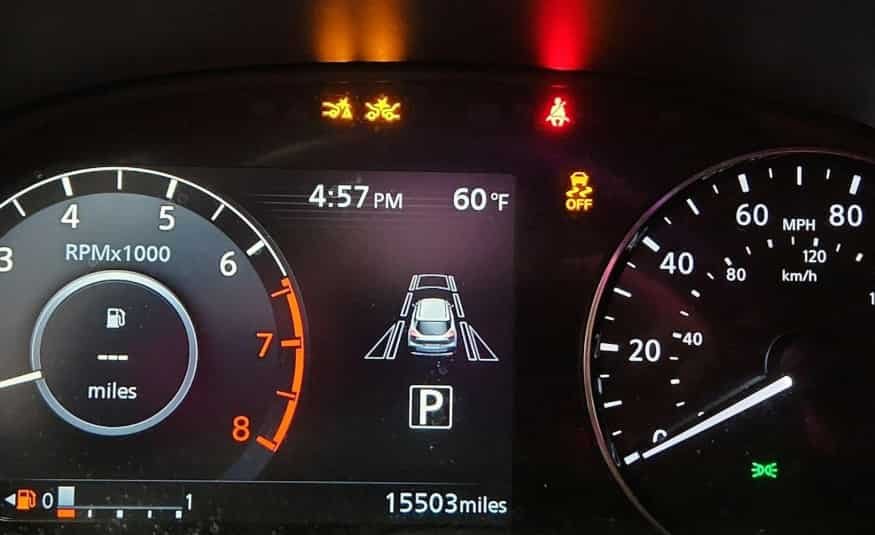
The check engine light is another common symptom. It appears when the engine control unit detects abnormal readings from sensors. These may include oxygen sensor errors, airflow measurement issues, or combustion inefficiency. Even if the car still drives normally, the warning light should never be ignored.
Loss of engine power is also widely reported. The vehicle may feel weaker during acceleration or struggle to maintain speed under load. This problem often connects to clogged air filters, fuel system restrictions, or sensor degradation.
These issues do not always appear at the same time. However, they often develop gradually and overlap. Understanding each symptom helps drivers diagnose Nissan Kicks engine problems early and avoid expensive repairs later.
Early Warning Signs of Nissan Kicks Engine Problems
Nissan Kicks engine problems often start with small warning signs before any major issue appears. Drivers who notice these early symptoms can prevent expensive repairs and reduce the risk of engine damage.
One common warning sign is unusual engine noise. The engine may produce knocking, ticking, or light tapping sounds. These noises often appear during startup or when the engine is under load. They usually indicate wear in internal components or irregular combustion.
Another early sign is reduced fuel efficiency. The vehicle may consume more fuel than usual even when driving conditions remain the same. This often points to inefficient combustion, dirty injectors, or sensor inaccuracies affecting fuel delivery.
Delayed acceleration response is also a key symptom. The car may feel slow when the driver presses the accelerator. This delay can make driving feel less smooth, especially in traffic or during overtaking. It often relates to airflow restrictions or ignition timing issues.
Some drivers notice excessive exhaust smoke. Dark or unusual colored smoke from the exhaust can signal incomplete fuel burning or oil related issues. This symptom should be checked early because it can indicate deeper engine problems.
Engine vibration is another warning sign. The vehicle may shake slightly when idling or during low speed driving. This usually suggests uneven engine performance caused by misfires or weak ignition components.
These warning signs often appear gradually and may seem minor at first. However, they usually indicate that one or more engine systems are not operating efficiently. Early diagnosis helps prevent these Nissan Kicks engine problems from turning into serious mechanical failures.
What Causes Nissan Kicks Engine Problems
Nissan Kicks engine problems usually come from a combination of mechanical wear, sensor inaccuracies, and maintenance conditions. Most issues do not originate from a single failure. Instead, they develop when multiple small problems affect engine performance over time.
One of the main causes is fuel system issues. Dirty or clogged fuel injectors can reduce fuel flow into the engine. When fuel delivery becomes uneven, the engine may hesitate, vibrate, or lose power. Low quality fuel can also contribute to carbon buildup inside the system.
Ignition system failure is another common cause. Spark plugs wear out naturally over time and lose their ability to ignite the air fuel mixture efficiently. When ignition coils weaken, the engine may misfire or run unevenly. These issues often lead to rough idle and poor acceleration.
Air intake system problems also play a major role. A dirty air filter reduces airflow into the engine. A contaminated throttle body can affect how air enters the combustion chamber. When the engine does not receive the correct air balance, performance becomes unstable.
Sensor and ECU related issues can also trigger engine problems. The oxygen sensor and mass airflow sensor send critical data to the engine control unit. If these sensors fail or send incorrect readings, the ECU may adjust fuel delivery incorrectly. This leads to inefficient combustion and reduced performance.
The continuously variable transmission system can indirectly affect engine behavior. When the CVT does not operate smoothly, it can place irregular load on the engine. This may create hesitation or delayed response during acceleration, even if the engine itself is not damaged.
In most cases, Nissan Kicks engine problems develop slowly because these systems interact closely. When one component becomes weak, it increases stress on other parts and gradually reduces overall engine efficiency.
Nissan Kicks Engine Repair Costs Explained
The cost of fixing Nissan Kicks engine problems depends on the severity of the issue and the components involved. Most repairs fall into three main categories, including minor maintenance, moderate component replacement, and major engine related repairs.
Minor repairs are usually the most affordable and often help resolve early symptoms. These include spark plug replacement, air filter changes, and basic sensor cleaning. In most cases, drivers spend between fifty and three hundred dollars for these services. These repairs often restore smooth engine performance when problems are detected early.
Moderate repairs involve more complex components. Fuel injector cleaning or replacement is a common example. Oxygen sensor replacement and throttle body service also fall into this category. These repairs typically cost between three hundred and one thousand dollars depending on labor rates and part quality. Vehicles showing persistent hesitation or check engine light warnings often require this level of repair.
Major repairs are the most expensive and usually occur when engine problems are ignored for a long time. These can include internal engine damage, ECU replacement, or serious fuel system failure. Costs can range from one thousand to over four thousand dollars. In severe cases, full engine replacement may be necessary, which significantly increases the total expense.
Repair costs also depend on driving habits and maintenance history. Vehicles with regular oil changes and proper servicing tend to experience fewer major failures. On the other hand, delayed maintenance often leads to more expensive repairs over time.
Understanding these cost ranges helps drivers make better decisions when dealing with Nissan Kicks engine problems. Early diagnosis and timely maintenance remain the most effective way to reduce long term repair expenses.
How to Diagnose Nissan Kicks Engine Problems
Diagnosing Nissan Kicks engine problems requires a structured approach. Most issues begin with small performance changes, so early detection depends on careful observation and basic diagnostic tools.
One of the most effective methods is using an OBD2 scanner. This device connects to the vehicle and reads diagnostic trouble codes from the engine control unit. These codes help identify which system is causing the problem, such as fuel delivery, ignition, or sensor malfunction.
Reading error codes alone is not enough. Drivers also need to understand how the vehicle behaves in real driving conditions. A road test helps reveal symptoms such as hesitation, vibration, or delayed acceleration. These behaviors often provide clues that are not visible through electronic diagnostics.
A visual inspection is also important. Checking the air filter, ignition components, and visible wiring can help detect obvious issues. Loose connections, dirty filters, or worn spark plugs often contribute to engine performance problems and can be identified without advanced tools.
Listening to the engine is another useful step. Unusual sounds such as knocking, ticking, or irregular idling can indicate internal imbalance or combustion issues. These sounds often appear before serious damage occurs.
In some cases, resetting the ECU may temporarily improve performance. However, this does not solve the root cause. It only clears stored error codes and allows the system to recalibrate under normal conditions.
A proper diagnosis combines electronic data, physical inspection, and real world driving behavior. This approach helps identify the true source of Nissan Kicks engine problems and prevents unnecessary repairs or part replacements.
Proven Fixes for Nissan Kicks Engine Problems
Fixing Nissan Kicks engine problems depends on identifying the root cause and applying the correct solution. Most issues improve significantly when drivers follow a consistent maintenance approach and address small problems early.
Regular maintenance is one of the most effective solutions. Routine oil changes help keep engine components lubricated and reduce internal friction. Clean engine oil also supports better combustion and improves overall performance. Skipping oil changes often leads to buildup that affects engine efficiency over time.
Fuel system cleaning is another proven fix. Cleaning or replacing clogged fuel injectors helps restore proper fuel flow into the engine. This improves acceleration and reduces hesitation. Using high quality fuel can also prevent carbon deposits from forming inside the system.
Replacing worn spark plugs is essential for maintaining stable ignition. New spark plugs improve combustion efficiency and reduce engine misfires. Ignition coils should also be checked because weak coils often cause rough idle and power loss.
Cleaning the throttle body can also improve engine response. Dirt buildup inside the throttle body restricts airflow and causes uneven engine behavior. After cleaning, the engine usually responds more smoothly during acceleration.
Air filter replacement is a simple but effective fix. A clean air filter allows proper airflow into the engine and supports balanced combustion. This small maintenance step often improves fuel efficiency and reduces engine strain.
In some cases, ECU recalibration helps stabilize engine performance. This process allows the engine control unit to adjust to new conditions after repairs or component replacements. However, recalibration should always be combined with proper mechanical fixes.
These proven solutions help resolve most Nissan Kicks engine problems when applied correctly. Consistent maintenance and early intervention remain the key factors in keeping the engine stable and reliable over time.
How to Prevent Nissan Kicks Engine Problems
Preventing Nissan Kicks engine problems is much easier and cheaper than repairing them after they appear. Most engine issues develop slowly due to neglect, driving habits, or missed maintenance schedules. A consistent care routine helps keep the engine stable and efficient over time.
Regular oil changes are the most important factor in prevention. Clean engine oil reduces friction and keeps internal components protected. When oil becomes dirty or low, engine parts wear faster and performance drops gradually.
Using high quality fuel also helps prevent long term issues. Poor fuel quality can create carbon buildup inside the engine and reduce combustion efficiency. This often leads to hesitation, rough idle, and reduced power over time.
Air filter maintenance plays a key role in engine health. A clean air filter ensures proper airflow into the engine. When airflow is restricted, the engine must work harder and fuel consumption increases. Replacing the air filter at regular intervals helps maintain balanced performance.
Driving habits also affect engine longevity. Frequent aggressive acceleration or constant stop and go driving increases stress on the engine. Smooth acceleration and steady driving help reduce wear on ignition and fuel systems.
Scheduled inspections are another important prevention method. Regular checks allow early detection of worn spark plugs, sensor issues, or fuel system irregularities. Fixing small problems early prevents them from developing into major failures.
Is the Nissan Kicks Engine Reliable
The Nissan Kicks engine is generally considered reliable when it is properly maintained. It is designed for efficiency and daily commuting rather than high performance. This design makes it suitable for urban driving conditions where fuel economy and low maintenance cost are priorities.
Compared to competitors such as the Toyota Corolla Cross and Honda HR-V, the Nissan Kicks offers similar reliability in normal driving conditions. However, it is more sensitive to maintenance quality. Small issues such as delayed oil changes or dirty filters can affect performance more quickly.
Long term durability depends heavily on maintenance history. Vehicles that follow regular service schedules can achieve high mileage without major engine failures. On the other hand, neglected maintenance often leads to early performance decline and repeated engine related issues.
Overall, the engine is reliable for its category, but it requires consistent care. Drivers who follow proper maintenance routines experience fewer Nissan Kicks engine problems and enjoy stable long term performance.
Nissan Kicks Engine Problems by Model Year
Nissan Kicks engine problems can vary slightly depending on the model year. While the core engine design remains similar, software updates, calibration changes, and minor mechanical improvements affect how each version performs over time.
Early Nissan Kicks models tend to show more reports of engine hesitation and rough idle. These issues often relate to initial ECU calibration and fuel system sensitivity. Drivers of older models also report more frequent check engine light warnings caused by sensor inconsistencies.
Mid generation models show some improvements in engine smoothness. Nissan introduced software updates that improved throttle response and reduced hesitation during acceleration. However, some owners still report occasional power loss under heavy load, especially during highway driving.
Newer Nissan Kicks models generally perform better in terms of engine stability. Improvements in engine mapping and transmission tuning help reduce hesitation and improve fuel efficiency. Despite these updates, the engine still remains sensitive to maintenance conditions such as oil quality and air filter cleanliness.
Across all model years, most Nissan Kicks engine problems follow a similar pattern. They rarely involve sudden engine failure. Instead, they develop gradually through small symptoms that worsen over time if ignored.
Frequently Asked Questions
Why does my Nissan Kicks engine shake at idle
Engine shaking at idle often comes from worn spark plugs, dirty fuel injectors, or weak ignition coils. These components affect combustion stability and create uneven engine performance.
What causes Nissan Kicks engine hesitation
Engine hesitation usually happens when fuel delivery or air intake is not balanced. Dirty filters, sensor errors, or CVT load changes can also cause delayed acceleration.
How long does a Nissan Kicks engine last
A well maintained Nissan Kicks engine can last over 150,000 miles. Lifespan depends heavily on oil changes, driving habits, and overall maintenance quality.
Is Nissan Kicks expensive to repair
Repair costs are generally moderate. Minor issues are affordable, but ignoring early symptoms can lead to expensive repairs involving fuel system or internal engine components.
Does Nissan Kicks have engine recalls
Engine related recalls are not common, but software updates and service campaigns may occur depending on region and production batch.
Final Thoughts on Nissan Kicks Engine Problems
Nissan Kicks engine problems usually start with small and noticeable symptoms. These include hesitation, rough idle, reduced power, and warning lights. While these issues may seem minor, they often indicate early stages of deeper mechanical or electronic imbalances.
Most problems come from fuel system inefficiencies, ignition wear, sensor malfunctions, or maintenance neglect. The engine itself is not highly failure prone, but it reacts quickly to poor maintenance conditions. This makes regular servicing essential for long term stability.
Repair costs vary depending on how early the problem is detected. Simple maintenance can resolve most issues at a low cost, while delayed action can lead to expensive repairs. Early diagnosis remains the most effective way to avoid major engine damage.
Overall, the Nissan Kicks engine is reliable for daily use when properly maintained. Drivers who follow consistent maintenance routines and respond quickly to early warning signs can avoid most common engine problems and maintain smooth performance for many years.