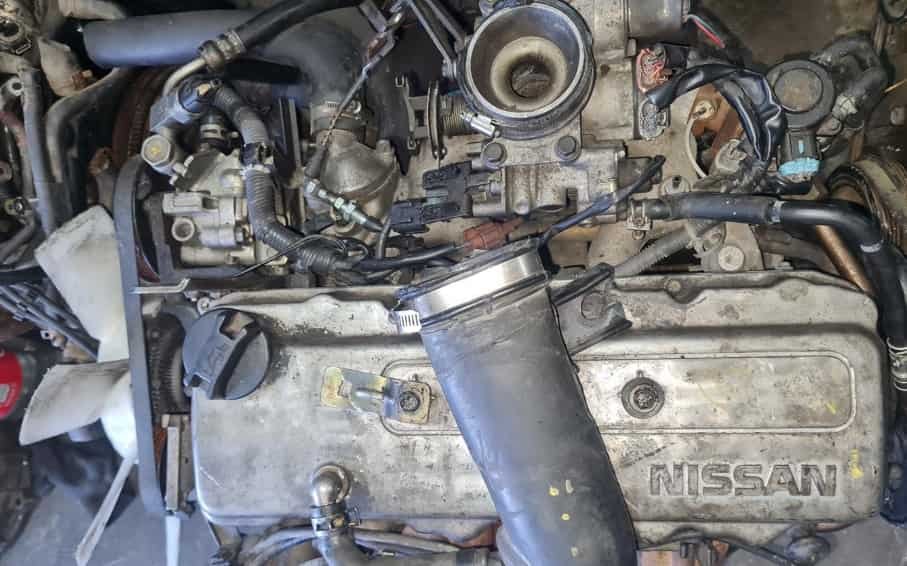
The Nissan KA20 engine is an inline four gasoline engine used in many Nissan commercial vehicles. It is known for its simple design and easy maintenance. Many mechanics still work on this engine today because it remains common in older vans and utility vehicles.
This engine gained a reputation for durability when it receives proper maintenance. However, it also develops problems as it ages. High mileage and poor servicing often lead to performance issues. These issues include overheating, oil leaks, rough idle, and weak fuel efficiency.
Most Nissan KA20 engine problems develop slowly over time. Small wear in key components often triggers larger mechanical issues later. For this reason, early detection plays a key role in preventing expensive repairs. Owners who ignore early warning signs usually face more serious engine damage.
Understanding these problems helps owners protect engine health and reduce repair costs. It also helps buyers avoid risky used vehicles with hidden engine damage. The KA20 engine does not usually fail suddenly. It shows clear symptoms before major failure occurs.
This guide explains the most common Nissan KA20 engine problems in detail. It covers symptoms, causes, and practical repair solutions. The goal is to help you diagnose issues early and extend engine lifespan with proper maintenance.
Nissan KA20 Engine Overview
The Nissan KA20 engine is a 2.0 liter inline four gasoline engine. Nissan designed it for durability and simple maintenance. It mainly powers older Nissan vans, pickup trucks, and commercial vehicles. Many fleet operators still use this engine because it performs reliably under heavy daily use.
The KA20 engine uses a straightforward mechanical design. It avoids complex electronic systems found in modern engines. This makes it easier for mechanics to repair and maintain. Spare parts also remain widely available in many markets.
The engine delivers stable performance in low to medium speed driving conditions. It focuses more on torque than high speed power. This makes it suitable for carrying loads and urban delivery work. However, it does not provide strong fuel efficiency compared to newer engine technologies.
The KA20 engine also has some limitations. It shows reduced efficiency after long-term use. It can also develop wear related issues if maintenance is inconsistent. Common weak points include the cooling system, ignition components, and sealing parts.
Despite these limitations, many users still trust this engine. Its simple structure allows repairs at lower cost compared to modern engines. With regular oil changes and proper cooling system care, the KA20 engine can last for a long service life.
Overall, the Nissan KA20 engine represents a balance between simplicity and durability. It performs best when owners follow a strict maintenance routine and avoid neglect.
Is the Nissan KA20 Engine Reliable?
The Nissan KA20 engine is generally considered reliable when it receives proper maintenance. Many users report that the engine can run for high mileage without major failure. Its simple design helps reduce the number of complex components that could break over time.
Reliability depends heavily on how the engine is maintained. Regular oil changes and cooling system checks play a key role in long term performance. Engines that receive poor maintenance often develop overheating and lubrication issues earlier than expected.
The KA20 engine performs well in commercial use. It handles constant driving and load conditions without major structural problems. This makes it suitable for delivery vehicles and older Nissan vans still in service today.
Compared to newer Nissan engines, the KA20 is less efficient and less refined. It does not offer modern fuel saving technology. However, it compensates with mechanical simplicity and easier repair procedures.
Most reliability issues come from aging components rather than design flaws. Common weak points include gasket wear, cooling system degradation, and ignition system aging. These issues increase with mileage but remain manageable if detected early.
In summary, the Nissan KA20 engine is reliable for its class. It performs well under consistent maintenance and moderate usage. Problems usually appear due to wear over time rather than sudden failure.
Most Common Nissan KA20 Engine Problems
The Nissan KA20 engine develops several common problems as it ages, especially in high mileage or poorly maintained vehicles. One of the most serious issues is engine overheating. This problem usually starts with a rising temperature gauge, coolant loss, and reduced engine performance. It often comes from a failing water pump, a blocked radiator, or a faulty thermostat. If ignored, overheating can cause severe internal engine damage.
Another frequent issue is excessive oil consumption. Drivers may notice that the engine requires frequent oil top ups and may produce blue smoke from the exhaust. This condition is usually caused by worn piston rings or deteriorated valve seals. In severe cases, the engine may need partial or full rebuilding to restore proper compression and performance.
Oil leaks are also common in older KA20 engines. These leaks often appear under the vehicle or around the engine block. The main cause is hardened gaskets and aging rubber seals that lose flexibility over time. Although this issue may seem minor at first, it can lead to low oil levels and long term engine damage if not repaired early.
Timing chain noise is another warning sign. It often appears as a rattling sound during cold starts. This happens when the timing chain or tensioner becomes worn. Ignoring this issue can lead to serious engine timing failure and expensive repairs.
Other common problems include rough idle, engine misfires, poor fuel economy, and hard starting. These issues usually come from dirty fuel systems, ignition wear, or vacuum leaks. Loss of compression can also occur in high mileage engines due to internal wear.
Overall, most Nissan KA20 engine problems develop gradually. Early diagnosis and regular maintenance play a key role in preventing costly repairs and extending engine life.
What Causes Nissan KA20 Engine Problems?
Most Nissan KA20 engine problems come from long term wear combined with inconsistent maintenance. This engine can last a long time, but it depends heavily on how owners take care of it. When maintenance is ignored, small issues slowly turn into serious mechanical failures.
One of the main causes is overheating. When the cooling system does not work properly, engine temperature rises beyond safe limits. This puts stress on internal components and accelerates wear. A weak radiator, a failing water pump, or old coolant often triggers this condition.
Poor lubrication also plays a major role. When engine oil becomes dirty or too low, friction between moving parts increases. This leads to faster wear on piston rings, bearings, and seals. Over time, this condition causes oil leaks and excessive oil consumption.
Another important factor is aging components. Rubber seals, gaskets, and hoses naturally degrade over time. Heat exposure makes them hard and brittle, which leads to leaks and pressure loss inside the engine system.
Ignition system wear also contributes to performance problems. Spark plugs and ignition coils lose efficiency with age. This creates misfires, rough idle, and poor fuel combustion. Dirty fuel injectors can make this condition worse by disrupting fuel delivery.
Driving conditions also affect engine health. Frequent short trips prevent the engine from reaching optimal temperature. Heavy load usage without proper cooling breaks down internal parts faster.
In many cases, poor maintenance history is the root cause of multiple KA20 engine problems. Skipping oil changes, ignoring warning signs, and delaying repairs all increase long term damage.
Overall, Nissan KA20 engine problems rarely come from a single cause. They usually result from a combination of wear, heat stress, and maintenance neglect over time.
Symptoms You Should Never Ignore
The Nissan KA20 engine often shows clear warning signs before serious failure happens. Recognizing these symptoms early helps prevent expensive repairs and engine damage. Most of these signs start small but become more severe over time if ignored.
One of the most important symptoms is unusual engine noise. Knocking, rattling, or ticking sounds often indicate internal wear or timing chain issues. These sounds usually become more noticeable during cold starts or acceleration.
Temperature changes also signal engine problems. If the temperature gauge rises quickly or fluctuates during driving, it often points to cooling system failure. This can lead to overheating and long term engine damage if not fixed early.
Smoke from the exhaust is another critical warning sign. Blue smoke often indicates oil burning inside the engine. White smoke may suggest coolant leakage, while black smoke usually means incomplete fuel combustion.
Drivers should also pay attention to changes in engine performance. Rough idle, vibration, and loss of power often indicate ignition or air intake issues. These symptoms reduce driving comfort and fuel efficiency.
Increased fuel consumption is another early indicator of engine trouble. When the engine burns more fuel than usual, it often points to injector problems, sensor issues, or poor combustion efficiency.
Hard starting or delayed ignition should never be ignored. This condition often signals weak spark plugs, fuel delivery problems, or low compression inside the engine cylinders.
Finally, warning lights on the dashboard provide direct signals from the engine system. Ignoring these alerts often leads to more serious mechanical failure.
Overall, these symptoms act as early warnings. Identifying and fixing them early helps extend Nissan KA20 engine life and reduces long term repair costs.
How to Diagnose Nissan KA20 Engine Problems
Diagnosing Nissan KA20 engine problems requires a step by step approach. Most issues show early signals, but correct diagnosis helps confirm the root cause before repairs begin. A proper inspection reduces repair time and prevents unnecessary part replacement.
The first step is a visual inspection. Mechanics check for oil leaks, coolant loss, and visible damage around the engine bay. Wet spots, cracked hoses, or dirty engine surfaces often point to underlying mechanical issues. This step helps identify external problems quickly.
The second step involves listening to engine behavior. Unusual noises such as knocking, rattling, or hissing can indicate timing issues, vacuum leaks, or internal wear. These sounds often change with engine speed, which helps narrow down the cause.
Next comes an OBD scan when available. Even though older KA20 engines may have limited electronic systems, any stored error codes can help identify ignition or fuel system problems. This step improves diagnostic accuracy.
A compression test is also important. It measures the pressure inside each cylinder. Low compression often indicates worn piston rings, valve issues, or internal engine damage. This test helps assess engine health more precisely.
The cooling system should also be tested under pressure. This helps detect hidden leaks or weak components that may cause overheating. A faulty radiator or water pump often becomes visible during this step.
Finally, fuel system inspection helps confirm injector or delivery problems. Dirty injectors or weak fuel pumps can cause misfires, rough idle, and poor fuel efficiency.
Overall, diagnosing Nissan KA20 engine problems requires combining visual checks, mechanical testing, and performance evaluation. A structured approach helps identify issues early and prevents costly engine failure.
Repair Costs for Common KA20 Engine Issues
Repair costs for Nissan KA20 engine problems vary depending on the severity of the issue and the condition of the engine. Minor problems usually cost less to fix, while major internal damage can become expensive and time consuming.
Small repairs include spark plug replacement, air filter cleaning, and basic sensor fixes. These issues are usually affordable and can restore normal engine performance quickly. Regular maintenance helps avoid most of these costs.
Medium level repairs involve components like gaskets, seals, injectors, and cooling system parts. Oil leaks and overheating problems often fall into this category. These repairs require more labor and can increase overall service cost depending on part availability and engine condition.
Major repairs include timing chain replacement, piston ring repair, and engine rebuilds. These issues occur when the engine has high mileage or has been poorly maintained for a long period. In some cases, replacing the engine may be more cost effective than rebuilding it.
Cooling system repairs also impact overall cost. Replacing a radiator, water pump, or thermostat can become expensive if multiple parts fail at the same time. Ignoring early warning signs usually leads to higher repair bills.
Labor cost is another important factor. It varies depending on location, workshop experience, and engine accessibility. Older engines like the KA20 may require more time for disassembly and inspection.
Overall, Nissan KA20 engine repair costs depend heavily on early detection. Small issues remain affordable, but delayed repairs often lead to major expenses. Preventive maintenance is the most effective way to reduce long term repair costs.
Preventive Maintenance Tips
Preventive maintenance plays a key role in extending the life of the Nissan KA20 engine. Most serious engine problems develop slowly, so regular care helps stop small issues before they turn into costly repairs.
One of the most important steps is regular oil change. Fresh engine oil reduces friction and protects internal components from wear. Dirty or old oil increases heat and accelerates engine damage. Using the correct oil grade also improves engine stability and performance.
The cooling system also needs consistent attention. Drivers should check coolant levels and inspect hoses for leaks or cracks. A clean radiator and a properly working water pump help prevent overheating, which is one of the most damaging KA20 engine problems.
Air and fuel system maintenance is also essential. Replacing air filters on schedule keeps airflow clean and stable. Cleaning fuel injectors helps maintain proper combustion and reduces rough idle or misfire issues.
Ignition system checks should not be ignored. Worn spark plugs and weak ignition coils reduce engine efficiency and cause starting problems. Replacing these parts at the right time improves fuel economy and engine response.
Engine noise and vibration should always be monitored. Early detection of unusual sounds helps identify timing chain wear or internal damage before it becomes severe. Quick action at this stage prevents major repairs.
Drivers should also avoid excessive short trips when possible. Short driving cycles prevent the engine from reaching optimal temperature, which increases internal buildup and reduces efficiency over time.
Overall, preventive maintenance for the Nissan KA20 engine focuses on consistency and early detection. Simple routine care significantly reduces the risk of major engine failure and helps maintain long term reliability.
How Long Does a Nissan KA20 Engine Last?
The Nissan KA20 engine can last for a long time when owners maintain it properly. In many real world cases, this engine reaches high mileage without major internal failure. Its simple mechanical design helps it stay durable under regular use.
Engine lifespan depends heavily on maintenance quality. Regular oil changes, cooling system care, and timely part replacement significantly extend engine life. Engines that receive proper servicing often run smoothly even after many years of operation.
Driving conditions also affect engine durability. Vehicles that operate under stable conditions with moderate loads tend to last longer. In contrast, engines that face constant overheating, heavy loads, or poor fuel quality wear out faster.
Another important factor is how quickly problems are addressed. Small issues such as oil leaks, rough idle, or unusual noise should not be ignored. Early repair prevents damage from spreading to other engine components.
On average, a well maintained Nissan KA20 engine can deliver long service life compared to many older gasoline engines in its category. However, neglected engines may develop serious problems much earlier, especially in high mileage vehicles.
The cooling system plays a major role in engine longevity. Overheating is one of the fastest ways to reduce engine lifespan. Keeping the radiator, thermostat, and water pump in good condition is essential for long term reliability.
Overall, the Nissan KA20 engine lasts long when properly maintained and monitored. Its lifespan is not limited by design weakness but by maintenance habits and operating conditions.
Frequently Asked Questions
Is the Nissan KA20 engine good?
The Nissan KA20 engine is considered a reliable engine for its class. It performs well in commercial and utility vehicles when maintained properly. Its simple design makes it easy to repair and service, especially in older vehicles still in use today.
What are the most common Nissan KA20 engine problems?
The most common Nissan KA20 engine problems include overheating, oil leaks, excessive oil consumption, timing chain noise, rough idle, and engine misfire. These issues usually develop over time due to wear and lack of maintenance.
Is the KA20 engine expensive to repair?
Repair costs depend on the severity of the problem. Minor issues like spark plugs or filters are affordable. However, major repairs such as timing chain replacement or engine rebuild can be expensive compared to routine maintenance.
How can I extend the life of a KA20 engine?
Regular oil changes, proper cooling system maintenance, and timely replacement of worn parts help extend engine life. Early detection of issues also prevents long term damage and reduces repair costs.
Can a KA20 engine be rebuilt?
Yes, the KA20 engine can be rebuilt. Many mechanics rebuild this engine when internal wear becomes severe. In some cases, rebuilding is more cost effective than replacing the entire engine.
Conclusion
The Nissan KA20 engine remains a durable and practical engine when used under proper conditions. It offers simplicity, easy maintenance, and stable performance for older Nissan vehicles. However, like all aging engines, it develops problems over time.
Most Nissan KA20 engine problems such as overheating, oil leaks, and rough idle come from wear and maintenance neglect. These issues do not appear suddenly. They build up gradually and show clear warning signs before serious failure occurs.
Understanding these symptoms and causes helps owners make better maintenance decisions. Early diagnosis and preventive care significantly reduce repair costs and extend engine lifespan.
For buyers of used vehicles, checking the condition of the KA20 engine is essential. A well maintained engine can still perform reliably, while a neglected one may lead to expensive repairs.
Overall, the Nissan KA20 engine remains a dependable option when properly maintained and carefully monitored throughout its service life.