
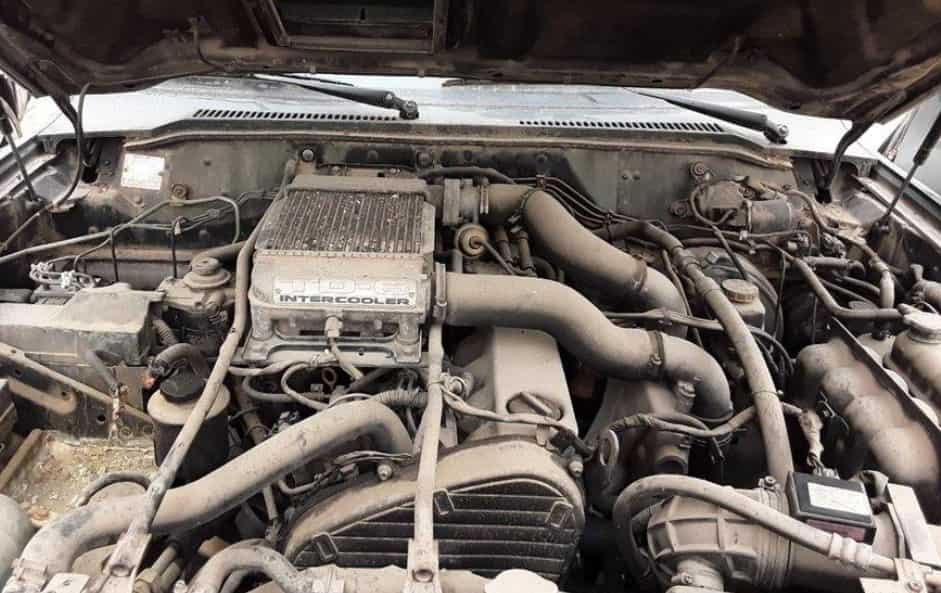
The Nissan RD28ETi 2.8 L Engine is a turbo diesel engine from Nissan’s RD engine family. Nissan developed this engine during a transition period in diesel technology. At that time, manufacturers started moving from mechanical injection systems to early electronic control systems. The RD28ETi reflects this shift in its design.
This engine uses an inline six cylinder layout. This layout improves balance and reduces vibration during operation. It also supports smoother performance under continuous load. Nissan designed the engine for durability and long term use instead of high speed output.
A turbocharger supports the engine and increases low end torque. This makes the engine suitable for heavy duty applications. It performs well in SUVs, off road vehicles, and commercial transport. The engine focuses on torque delivery rather than acceleration speed.
The RD28ETi also uses an electronically controlled fuel injection system. This system improves fuel delivery accuracy compared to older mechanical systems. It also improves combustion stability. However, the design remains simpler than modern common rail diesel engines. This makes the engine easier to maintain and repair.
Today, many enthusiasts still study this engine. They value its simple structure and strong durability. It does not match modern diesel engines in efficiency or refinement. However, it performs reliably under harsh working conditions.
This article explains the Nissan RD28ETi 2.8 L Engine in detail. It covers specifications, design concepts, performance behavior, reliability, and maintenance insights. The goal is to help you understand both technical structure and real world usage.
Nissan RD28ETi 2.8 L Engine Technical Specifications
The Nissan RD28ETi 2.8 L Engine uses an inline six cylinder configuration. Nissan chose this layout to improve balance and reduce vibration during operation. The engine belongs to the RD diesel engine family and focuses on durability and torque performance.
The engine has a total displacement of 2.8 liters. It uses a turbocharged system to increase air intake and improve combustion efficiency. This system helps the engine produce stronger torque at low engine speeds. It also improves load handling in heavy duty driving conditions.
The RD28ETi uses an electronically controlled fuel injection system. This system replaces fully mechanical injection found in older diesel engines. It improves fuel delivery accuracy and supports more stable combustion. It also improves throttle response in different driving conditions.
The engine produces moderate power output. It focuses more on torque than horsepower. This design supports towing, off road driving, and utility applications. The torque curve stays strong in the low and mid RPM range. This makes the engine suitable for heavy vehicles.
The cooling system plays an important role in engine stability. Nissan designed it to handle long periods of operation under high load. This helps prevent overheating during demanding use. The engine also uses a high compression ratio, which is common in diesel engines. This improves fuel combustion efficiency and torque output.
Overall, the technical design of the Nissan RD28ETi 2.8 L Engine focuses on mechanical strength, stable performance, and long service life. It avoids unnecessary complexity and prioritizes reliability over high performance tuning.
Nissan RD28ETi 2.8 L Engine Design Philosophy
Nissan designed the RD28ETi 2.8 L Engine with a clear focus on durability and long term reliability. The company aimed to build a diesel engine that could operate under heavy load conditions without requiring complex maintenance. This approach reflects the engineering priorities of Nissan during the era when this engine was developed.
The RD28ETi follows a simple but effective design strategy. Nissan used an inline six cylinder layout because it naturally reduces vibration and improves engine balance. This design helps the engine maintain stable performance even during long driving periods. It also reduces mechanical stress on internal components.
The engine represents a transitional phase in diesel technology. Nissan combined traditional mechanical strength with early electronic fuel control. This combination improves fuel delivery precision while keeping the system relatively simple. It avoids the complexity found in modern common rail diesel systems.
Nissan also optimized the engine for torque delivery instead of high speed performance. The goal was to support vehicles that require pulling power and load carrying ability. This makes the engine suitable for SUVs, off road vehicles, and commercial applications.
Another important design factor is serviceability. Nissan built the RD28ETi to be easy to repair and maintain. Many components are accessible and do not require advanced diagnostic tools. This makes the engine attractive in regions where repair infrastructure is limited.
The overall engineering philosophy behind the RD28ETi prioritizes mechanical simplicity, durability, and predictable performance. Nissan accepted lower refinement levels in exchange for higher reliability and longer engine life under demanding conditions.
Nissan RD28ETi 2.8 L Engine Performance Analysis
The Nissan RD28ETi 2.8 L Engine delivers performance that focuses on torque strength rather than high speed power. Nissan designed this engine for real world utility use instead of sporty driving behavior. As a result, the engine performs best under load and at low to mid engine speeds.
The engine produces steady torque output in the lower RPM range. This gives the vehicle strong pulling ability during acceleration from a stop. It also supports stable performance when carrying heavy loads or driving uphill. The turbocharger plays an important role in improving this low end response.
The acceleration behavior of the RD28ETi feels gradual rather than aggressive. The engine does not aim for quick throttle response like modern diesel systems. Instead, it builds power in a linear way. This makes driving predictable, especially in off road or utility conditions.
On highway driving, the engine maintains stable cruising performance. It can sustain speed without excessive strain when properly maintained. However, it does not provide the same refinement or quietness as modern diesel engines. Engine noise and vibration are more noticeable at higher speeds.
In city driving conditions, the engine performs reliably but feels less responsive compared to smaller modern engines. The heavier internal structure contributes to slower rev changes. This trade off improves durability but reduces agility.
Overall, the performance profile of the Nissan RD28ETi 2.8 L Engine reflects its original purpose. It prioritizes torque, durability, and stability over speed and refinement. This makes it suitable for users who value strength and reliability in demanding driving environments.
Nissan RD28ETi 2.8 L Engine Fuel Efficiency and Consumption Behavior
The Nissan RD28ETi 2.8 L Engine shows fuel consumption behavior that reflects its diesel design philosophy. Nissan built this engine for durability and torque, not for maximum fuel economy. Because of this, its efficiency depends heavily on driving conditions and maintenance quality.
In steady highway driving, the engine can achieve relatively stable fuel consumption. It performs more efficiently when it runs at constant RPM. The inline six configuration helps maintain smooth combustion during long distance travel. This reduces unnecessary fuel waste under consistent load.
In city driving, fuel consumption increases noticeably. Frequent stops and starts force the engine to operate outside its optimal efficiency range. The turbo system also responds more often in urban traffic, which increases fuel use. Heavy vehicle weight further affects consumption in these conditions.
Driving style plays a major role in fuel efficiency. Gentle acceleration improves combustion stability and reduces fuel demand. Aggressive driving increases turbo activity and raises consumption. This engine responds better to smooth and consistent throttle input.
Maintenance condition also affects fuel efficiency. A clean fuel injection system supports proper atomization and efficient combustion. Poor injector condition or delayed servicing can increase fuel usage. Air filter and cooling system health also influence overall efficiency.
Compared to modern common rail diesel engines, the RD28ETi uses more fuel. However, it compensates with mechanical simplicity and predictable behavior. Many users accept this trade off because of its long term durability and easy maintenance.
Overall, the fuel efficiency of the Nissan RD28ETi 2.8 L Engine depends on usage pattern, maintenance quality, and driving behavior. It performs best in stable, long distance driving conditions where load remains consistent.
Nissan RD28ETi 2.8 L Engine Reliability and Durability Insights
The Nissan RD28ETi 2.8 L Engine is widely known for its strong mechanical durability. Nissan designed this engine to operate under continuous load for long periods. It focuses on long term reliability rather than high performance output. This design choice makes it popular in utility and off road applications.
The inline six configuration contributes to engine longevity. It reduces vibration and distributes mechanical stress more evenly across internal components. This helps the engine maintain stable operation over many years of use. Many units can reach high mileage when owners follow proper maintenance routines.
The turbocharged system adds performance but also introduces wear points. Over time, the turbo can show signs of fatigue if oil quality is poor or maintenance is delayed. Regular oil changes help extend turbo life and maintain stable performance.
The fuel injection system also plays an important role in reliability. The electronically controlled design improves fuel delivery accuracy. However, it can become sensitive to injector wear or fuel contamination. Clean fuel and regular servicing help prevent these issues.
Cooling system health is critical for long term durability. The engine works under high compression, which generates significant heat. If the cooling system becomes inefficient, overheating can occur. This can reduce engine lifespan if not addressed early.
Compared to modern diesel engines, the RD28ETi has fewer electronic components. This reduces the number of potential failure points. It also makes diagnosis and repair simpler in many cases. This simplicity is one of the main reasons why the engine is still respected today.
Overall, the Nissan RD28ETi 2.8 L Engine offers strong durability when properly maintained. It performs best in environments where consistent servicing and quality fuel are available.
Nissan RD28ETi Engine Common Problems and Issues
The Nissan RD28ETi 2.8 L Engine is known for durability, but it still develops issues over time, especially in older or high mileage units. Most problems come from wear, maintenance quality, and aging components rather than design flaws.
One common issue is overheating. This usually happens when the cooling system becomes inefficient. A weak radiator, clogged coolant passages, or a failing water pump can reduce heat dissipation. If overheating continues, it can affect head gasket integrity and long term engine health.
Turbocharger wear is another frequent concern. The turbo operates under high temperature and pressure conditions. Poor lubrication or extended oil change intervals can shorten its lifespan. Early signs include reduced boost, smoke from the exhaust, and loss of low end torque.
Fuel injection problems can also appear over time. The electronically controlled injection system depends on clean fuel delivery. Dirty fuel or clogged injectors can lead to uneven combustion. This results in rough idle, reduced efficiency, and increased fuel consumption.
Oil consumption may increase in older engines. This often relates to worn piston rings or valve seals. When this happens, the engine may produce blue smoke during acceleration or startup. Regular oil checks help detect this early.
Cooling system aging is another key issue. Rubber hoses, thermostats, and seals degrade over time. When these parts fail, engine temperature becomes unstable. Preventive replacement helps avoid major damage.
Overall, most problems in the Nissan RD28ETi 2.8 L Engine are predictable and manageable. Early maintenance and consistent servicing significantly reduce the risk of serious failure.
Nissan RD28ETi 2.8 L Engine Maintenance Requirements and Ownership Guide
The Nissan RD28ETi 2.8 L Engine requires consistent maintenance to maintain long term reliability. Nissan designed this engine with simple mechanical architecture, but it still depends heavily on proper servicing to avoid wear related issues.
Regular oil changes are the most important maintenance task. Fresh engine oil helps protect the turbocharger and internal components from heat and friction. Old or degraded oil reduces lubrication quality and can shorten engine lifespan. Many issues in this engine come from delayed oil servicing rather than design defects.
The fuel system also needs attention. Clean fuel helps maintain injector performance and stable combustion. Dirty fuel can cause clogging and uneven fuel delivery. This leads to rough engine behavior and higher fuel consumption. Replacing fuel filters on schedule helps reduce this risk.
Cooling system maintenance is critical for engine stability. The RD28ETi operates under high compression and generates significant heat. Coolant levels should be checked regularly. Components such as hoses, thermostats, and radiators should be inspected for wear or leakage. Preventive replacement helps avoid overheating problems.
Air intake system maintenance also plays a role in performance. A clean air filter ensures proper airflow into the engine. Restricted airflow reduces combustion efficiency and affects power output. Regular inspection helps maintain stable engine response.
Turbocharger care is essential for long term durability. Allowing the engine to warm up before heavy load use helps reduce turbo stress. Proper cooldown after long driving also helps extend turbo lifespan. These habits reduce premature wear.
Overall, ownership of the Nissan RD28ETi 2.8 L Engine requires disciplined maintenance habits. When properly maintained, the engine delivers stable performance and long service life even under demanding conditions.
Nissan RD28ETi 2.8 L Engine Comparison with TD27 and Other Nissan Diesel Engines
The Nissan RD28ETi 2.8 L Engine is often compared with the TD27 engine because both belong to Nissan’s diesel engine lineup and were widely used in similar vehicle categories. However, they differ in design philosophy, performance characteristics, and maintenance behavior.
The RD28ETi uses an inline six cylinder configuration, while the TD27 uses an inline four cylinder layout. This difference has a direct impact on engine smoothness. The RD28ETi runs with less vibration and feels more balanced during operation. The TD27 is simpler and more compact, but it produces more vibration under load.
In terms of power delivery, the RD28ETi provides stronger low end torque due to its larger displacement and turbocharged setup. This makes it more suitable for heavier vehicles and demanding driving conditions. The TD27 offers lower output but is often considered more fuel efficient in lighter applications.
Fuel consumption also differs between the two engines. The TD27 generally uses less fuel because of its smaller size and simpler configuration. The RD28ETi consumes more fuel but compensates with higher torque and better load handling capability.
Maintenance complexity is another key difference. The TD27 is often easier to maintain due to its simpler design. The RD28ETi requires more attention to turbo and injection systems, but it still remains relatively simple compared to modern common rail engines.
When compared to other Nissan diesel engines in the same era, the RD28ETi stands out as a balance between performance and durability. It is not the most fuel efficient option, but it delivers strong mechanical reliability and consistent torque output.
Overall, the choice between RD28ETi and TD27 depends on usage needs. The RD28ETi is better for heavy duty performance, while the TD27 is more suitable for economy focused driving.
Nissan RD28ETi 2.8 L Engine Applications and Vehicle Usage
The Nissan RD28ETi 2.8 L Engine was widely used in Nissan vehicles that required strong torque output and long term durability. Nissan designed this engine for utility focused applications rather than performance oriented driving. As a result, it was installed in SUVs, off road vehicles, and light commercial vehicles.
In SUV applications, the RD28ETi supports stable performance under heavy load conditions. It delivers enough torque for passenger transport, cargo carrying, and long distance travel. The engine performs reliably in regions where road conditions are difficult and maintenance infrastructure is limited.
In off road environments, the engine shows strong capability due to its low end torque characteristics. It handles steep terrain, uneven surfaces, and heavy towing requirements with consistent output. The inline six configuration helps maintain balance during rough driving conditions, which improves vehicle stability.
The engine was also used in commercial and utility vehicles. These vehicles rely on consistent torque delivery rather than high speed performance. The RD28ETi supports continuous operation over long working hours, which makes it suitable for transport and utility fleets.
Nissan implemented this engine in models that prioritized durability over refinement. This includes older generation SUVs and work oriented vehicles where mechanical strength was more important than fuel efficiency or quiet operation.
Overall, the Nissan RD28ETi 2.8 L Engine was chosen for applications that required reliability, torque, and long service life. Its design made it suitable for demanding environments where consistent performance was essential.
Is the Nissan RD28ETi 2.8 L Engine Still Worth It Today
The Nissan RD28ETi 2.8 L Engine is still considered valuable in specific use cases today, especially among diesel enthusiasts and owners of older Nissan vehicles. Its relevance comes from durability and mechanical simplicity rather than modern efficiency or advanced technology.
In the used vehicle market, this engine is often chosen for its long service life. Many units continue to operate well even after high mileage when they receive proper maintenance. This makes it attractive for buyers who prioritize reliability over modern features.
For restoration projects, the RD28ETi offers strong potential. Its simple structure allows easier repair compared to modern diesel engines. Mechanics can service most components without advanced diagnostic tools. This reduces long term maintenance complexity and cost in many cases.
However, the engine also has limitations in modern usage. It consumes more fuel compared to newer common rail diesel engines. It also produces higher noise levels and lower refinement. These factors make it less suitable for users who prioritize comfort and fuel efficiency.
Parts availability can also vary depending on region. In some markets, sourcing original components may take more effort. This should be considered before choosing the engine for long term ownership.
Overall, the Nissan RD28ETi 2.8 L Engine is still worth it for users who value durability, simplicity, and repairability. It is less ideal for those who expect modern efficiency and refinement. Its strength remains in long term mechanical reliability under demanding conditions.
Conclusion
The Nissan RD28ETi 2.8 L Engine represents a clear example of Nissan’s engineering focus on durability and practical performance. It was designed for long term use in demanding environments rather than modern efficiency or high speed performance. This design approach still makes the engine relevant for specific users today.
Across its technical structure, the engine shows a strong balance between mechanical simplicity and functional capability. The inline six configuration improves smoothness and stability. The turbocharged system supports strong low end torque. The electronically controlled injection system improves fuel delivery without adding excessive complexity.
In real world performance, the engine prioritizes torque over acceleration speed. It performs best under load conditions and long distance driving. While it does not match modern diesel engines in refinement or fuel economy, it offers consistent and predictable behavior.
From a reliability perspective, the RD28ETi is highly durable when maintained properly. Most issues appear due to aging components or poor maintenance practices. With regular servicing, the engine can achieve long operational life even under heavy use.
For ownership, the engine fits users who value mechanical strength and easy repairability. It is less suitable for those who expect modern comfort, low noise, and high fuel efficiency. Its strength lies in simplicity and long term dependability.
Overall, the Nissan RD28ETi 2.8 L Engine remains a respected diesel power unit in its category. It continues to attract attention from enthusiasts, restorers, and practical users who prioritize durability over modern complexity.