A working horn is essential for safe driving. Most drivers rarely think about it until it suddenly stops working. If your Nissan Qashqai horn is not working, you may wonder what caused the problem. A blown fuse, a faulty relay, damaged wiring, or a failed horn unit can all stop the horn from working properly. Some problems are quick and inexpensive to fix. Others require a more detailed inspection before you replace any parts.
The horn system in a Nissan Qashqai includes several electrical components. When you press the horn button, the system sends an electrical signal through the clock spring. The relay then delivers power to the horn unit. Every component must work correctly for the horn to sound. If one part fails, the horn may stop working completely. It may also sound weak or work only from time to time.
You should never ignore a faulty horn. The horn helps you warn other drivers, cyclists, and pedestrians about potential dangers. It also plays an important role during emergencies. In many regions, a vehicle with a non functioning horn may not pass a safety inspection. Fixing the problem early improves safety and helps you avoid unnecessary repair costs.
This guide explains the nine most common reasons why a Nissan Qashqai horn stops working. You will learn how to identify each fault, test the horn system step by step, and choose the right repair method. The guide also covers common repair costs and explains when you can fix the problem yourself or when it is time to visit a professional mechanic.
Why Your Nissan Qashqai Horn May Stop Working
The horn system in a Nissan Qashqai may look simple, but several electrical components work together every time you press the horn button. A fault in just one of these components can stop the horn from working. Understanding how the system operates makes it much easier to identify the real cause of the problem.
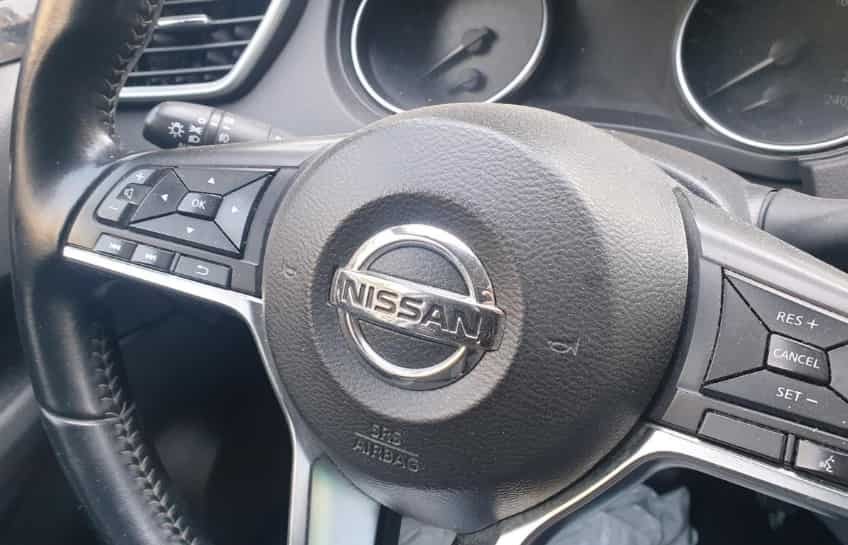
The process begins when you press the horn button on the steering wheel. The button sends an electrical signal through the clock spring. The signal then reaches the horn relay, which allows power to flow from the battery to the horn unit. Once the horn receives enough electrical current, it produces the loud sound that alerts other road users.
Every part of this circuit has an important job. A blown fuse can interrupt the power supply before it reaches the relay. A faulty relay may prevent electricity from reaching the horn. Damaged wiring or loose connectors can also break the circuit. If the clock spring fails, the horn button cannot send the signal even though the horn itself is still in good condition.
Electrical problems are another common reason for horn failure. A weak battery, poor ground connection, or control module fault can affect several systems at the same time. In some cases, the horn stops working together with the steering wheel controls or the airbag warning light. These symptoms often point to a deeper electrical issue that requires further inspection.
Because several different faults can produce the same symptom, replacing parts without testing the system first often wastes both time and money. A systematic diagnosis helps you find the failed component quickly and ensures you repair the correct part the first time.
Common Symptoms of a Nissan Qashqai Horn Problem
A faulty horn does not always stop working without warning. Many Nissan Qashqai owners notice small changes before the horn fails completely. Recognizing these symptoms can help you identify the problem before it becomes more serious.
The most common symptom is complete silence when you press the horn button. In many cases, this points to a blown fuse, a failed relay, or a damaged horn unit. However, it can also indicate a problem inside the steering wheel or the clock spring.
Some drivers notice that the horn works only occasionally. It may sound once and then stop responding. This usually suggests a loose electrical connection, corroded wiring, or a relay that no longer operates consistently.
A weak or muffled horn is another common warning sign. The horn may still produce sound, but it is much quieter than normal. Moisture inside the horn unit, corrosion, or low electrical voltage often causes this issue.
You may also find that the horn works when you lock the vehicle with the key fob but does not respond when you press the steering wheel. This symptom often indicates that the horn unit still works correctly. The fault is more likely inside the steering wheel switch, the clock spring, or the wiring between these components.
Some owners experience horn problems after replacing the battery or completing electrical repairs. A disconnected connector, damaged fuse, or wiring issue can appear during maintenance. If the problem starts immediately after a repair, inspect the recently serviced components before looking elsewhere.
Identifying these symptoms is the first step toward an accurate diagnosis. In the next section, we will examine the nine most common causes of a Nissan Qashqai horn not working and explain how to identify each one.
Blown Horn Fuse
A blown fuse is one of the most common reasons why a Nissan Qashqai horn stops working. The fuse protects the horn circuit from excessive electrical current. When the current becomes too high, the fuse breaks the circuit to prevent damage to other electrical components.
If the horn suddenly stops working without any warning, the fuse should be the first component you inspect. A damaged fuse usually causes the horn to stop working completely. In most cases, no sound will come from the horn when you press the button.
You can locate the horn fuse by checking the fuse box diagram for your specific Nissan Qashqai model year. Remove the fuse carefully and inspect the metal strip inside. If the strip is broken or burned, replace the fuse with another one that has the same amperage rating. Never install a fuse with a higher rating because it may damage the electrical system.
After replacing the fuse, test the horn again. If the new fuse blows immediately, another electrical fault is likely present. A short circuit or damaged wiring may continue to overload the circuit. In this situation, further diagnosis is necessary before replacing additional parts.
Faulty Horn Relay
The horn relay controls the electrical power that reaches the horn. It acts like an automatic switch. When you press the horn button, the relay closes the circuit and allows battery power to reach the horn unit.
A faulty relay can interrupt this process even when the fuse remains in good condition. As a result, the horn may stop working completely or respond only from time to time. Some drivers also notice a clicking sound inside the fuse box without hearing the horn itself.
Testing the relay is usually straightforward. Many Nissan Qashqai models use identical relays for different electrical systems. You can temporarily swap the horn relay with another relay that has the same part number. If the horn begins working after the swap, the original relay has failed and should be replaced.
Relays are generally inexpensive and easy to replace. However, you should always confirm the relay is faulty before installing a new one. Replacing a working relay will not solve the problem if another component has failed.
Failed Horn Unit
The horn unit itself can also wear out over time. It sits near the front of the vehicle, where it is constantly exposed to water, road salt, dirt, and changing temperatures. These conditions gradually damage the internal components and reduce the horn’s performance.
A failing horn often produces a weak sound before it stops working completely. In some cases, the horn may sound distorted or operate only occasionally. These symptoms usually indicate that the horn unit is approaching the end of its service life.
You can test the horn by supplying direct battery power to the terminals. If the horn does not produce any sound during this test, the unit has most likely failed. If it works normally with direct power, the problem lies elsewhere in the electrical circuit.
Replacing the horn unit is usually a simple repair. Most replacement horns are affordable and require only basic hand tools to install. Before fitting a new horn, inspect the electrical connector for corrosion or moisture. Cleaning the connector can sometimes restore normal operation without replacing the horn itself.
Loose or Corroded Wiring
The horn depends on a stable electrical connection to work correctly. Even a small amount of corrosion or a loose connector can interrupt the flow of electricity. When this happens, the horn may stop working without warning or operate only from time to time.
Wiring problems often develop because of moisture, road salt, dirt, or normal wear. Since the horn is mounted near the front of the vehicle, the wiring and connectors remain exposed to harsh conditions throughout the year. Corrosion can slowly build up inside the connectors and reduce electrical conductivity.
Begin your inspection by checking the wiring that runs between the fuse box, relay, and horn unit. Look for broken insulation, damaged connectors, or signs of corrosion. Green or white deposits on the terminals usually indicate corrosion that needs attention.
If the wiring appears dirty, disconnect the connector and clean the terminals with an electrical contact cleaner. Allow the connector to dry before reconnecting it. If you find damaged wires, repair or replace them as soon as possible. Restoring a secure electrical connection often solves the problem without replacing any major components.
Faulty Steering Wheel Horn Switch
The horn button inside the steering wheel is another possible source of the problem. Every time you press the button, it completes an electrical circuit that activates the horn relay. After years of daily use, the contacts inside the switch can wear out or lose proper contact.
A faulty horn switch usually causes the horn to stop responding when you press the steering wheel. However, the horn itself may still work during an alarm activation or when tested with direct battery power. This difference helps narrow the diagnosis to the steering wheel controls rather than the horn unit.
Some Nissan Qashqai models may also show additional symptoms. Steering wheel buttons for audio controls or cruise control may stop working at the same time. When several steering wheel functions fail together, inspect the switch assembly and the clock spring before replacing other parts.
Testing the horn switch often requires removing the steering wheel airbag module. Because the airbag system contains sensitive safety components, disconnect the battery and follow the manufacturer’s safety procedures before attempting any inspection. If you are unsure, allow a qualified technician to perform this repair.
Clock Spring Failure
The clock spring is a flat ribbon cable located behind the steering wheel. It maintains the electrical connection between the steering wheel and the rest of the vehicle while allowing the wheel to rotate freely. This component plays a vital role in the horn system.
Over time, the ribbon cable inside the clock spring can wear out or break. Once this happens, electrical signals can no longer travel from the horn button to the relay. As a result, pressing the horn button produces no response even though the fuse, relay, and horn unit remain in good condition.
A failed clock spring rarely affects only the horn. Many drivers also notice that the steering wheel controls stop working. The airbag warning light may appear on the dashboard as well. When these symptoms occur together, the clock spring becomes one of the most likely causes.
Diagnosing a faulty clock spring requires careful testing because the component is closely connected to the airbag system. If the diagnosis confirms a failed clock spring, replace it with a quality part that matches your Nissan Qashqai model and production year. After installation, verify that the horn, steering wheel controls, and airbag system all operate correctly.
Weak Battery or Poor Ground Connection
The horn needs a stable power supply to produce a loud and clear sound. If the battery becomes weak or the ground connection develops high resistance, the horn may not receive enough electrical power. This can cause the horn to sound weak, work only occasionally, or stop working completely.
A weak battery often affects more than just the horn. You may notice slow engine cranking, dim headlights, or electrical accessories that do not perform as expected. These signs suggest that the battery should be tested before you investigate other parts of the horn system.
The ground connection is equally important. A loose or corroded ground point increases electrical resistance and reduces the amount of current reaching the horn. Inspect the ground cable for corrosion, rust, or loose mounting bolts. Cleaning the connection and tightening the fasteners can often restore normal operation.
Use a multimeter to check the battery voltage if you suspect a power supply problem. A healthy battery should maintain an appropriate voltage when the engine is off and while it is running. If the battery or charging system fails the test, repair that issue before replacing any horn components.
Body Control Module or Electrical System Fault
The Body Control Module manages many electrical functions in the Nissan Qashqai. It communicates with different control systems and helps coordinate features such as exterior lighting, central locking, and the horn. Although module failures are less common, they can prevent the horn from operating correctly.
A control module problem often appears together with other electrical faults. You may notice warning lights on the dashboard, unusual behavior from the central locking system, or problems with power windows and steering wheel controls. When several electrical systems fail at the same time, the Body Control Module or its wiring deserves closer inspection.
Diagnosing this type of fault usually requires a professional scan tool. The scanner can identify stored fault codes and help determine whether the problem comes from the control module, damaged wiring, or another electronic component. Replacing the module without proper testing can become expensive and may not solve the issue.
If diagnostic testing confirms a faulty control module, follow the manufacturer’s repair procedure. Some replacement modules require programming before they can communicate with the vehicle correctly. This process is normally completed by a qualified repair shop or dealership.
Previous Repairs, Accident Damage, or Aftermarket Accessories
The horn may stop working after recent repairs or modifications. If the problem appeared shortly after maintenance, the repair itself may have disturbed part of the electrical system. A loose connector, damaged wire, or incorrectly installed component can interrupt the horn circuit.
Previous accident damage can also create hidden electrical problems. Even if the vehicle has been repaired, wiring near the front bumper or engine compartment may have suffered damage that was difficult to detect. Over time, vibration and moisture can make these hidden faults worse.
Aftermarket accessories are another possible cause. Alarm systems, remote start devices, additional lighting, and audio upgrades sometimes require changes to the vehicle’s electrical wiring. Poor installation practices can interfere with the original horn circuit and create unexpected faults.
Begin your inspection by reviewing any recent work performed on the vehicle. Check connectors that may have been disconnected during the repair and inspect any aftermarket wiring for loose connections or incorrect splices. If the horn stopped working immediately after a modification, restoring the original wiring configuration often resolves the problem.
How to Diagnose a Nissan Qashqai Horn Not Working
Diagnosing a Nissan Qashqai horn not working does not have to be difficult if you follow a logical inspection process. Instead of replacing parts at random, begin with the simplest checks and gradually move toward more advanced electrical testing. This method helps you identify the real cause of the problem while avoiding unnecessary repair costs. The first component to inspect is the horn fuse because it protects the electrical circuit from excessive current. A blown fuse can stop the horn instantly, and replacing it with one that has the correct amperage rating is often a quick solution. If the fuse is still in good condition, the next step is to check the horn relay. A faulty relay may receive the signal from the horn button but fail to deliver power to the horn itself. You should also inspect the horn unit for signs of corrosion, water damage, or physical wear, as these issues can reduce its performance or prevent it from working altogether.
If the horn unit appears to be in good condition, examine the wiring and electrical connectors throughout the circuit. Loose connections, damaged insulation, or corrosion can interrupt the flow of electricity and cause intermittent or complete horn failure. The steering wheel horn switch and the clock spring should also be considered, especially if the horn stops working together with the steering wheel controls or the airbag warning light appears. Finally, use a compatible diagnostic scanner to check for stored fault codes if no obvious fault is found. Electronic control modules can record valuable information that helps pinpoint the source of the problem. Once the faulty component has been repaired or replaced, test the horn several times to confirm that it operates normally under all driving conditions.
Nissan Qashqai Horn Fuse and Relay Location
Finding the horn fuse and relay is an important step when diagnosing a Nissan Qashqai horn not working. Their exact location depends on the model year and vehicle generation, but they are usually installed inside one of the main fuse boxes. Most Nissan Qashqai models have a passenger compartment fuse box beneath the dashboard or behind a trim panel near the driver’s side. Another fuse box is commonly located inside the engine compartment close to the battery. The fuse box cover normally includes a diagram that identifies the horn fuse and relay, making it easier to locate the correct components. If the markings are unclear, the owner’s manual provides the correct fuse position and amperage rating for your specific model. Using the correct fuse is essential because installing one with a higher rating may damage the electrical circuit instead of protecting it.
After locating the fuse and relay, remove them carefully and inspect their condition. A blown fuse usually has a broken metal strip or visible burn marks inside the plastic housing. The relay should fit securely in its socket without signs of corrosion or overheating. If another relay with the same specifications is available in the fuse box, you can swap the two temporarily to determine whether the relay has failed. Always switch off the ignition before removing electrical components to reduce the risk of accidental damage. Once you complete the inspection, reinstall every component securely and test the horn again. If both the fuse and relay are working correctly but the horn still does not respond, the fault is likely located elsewhere in the electrical circuit, such as the horn unit, wiring, clock spring, or steering wheel horn switch.
How to Fix a Nissan Qashqai Horn That Is Not Working
Fixing a Nissan Qashqai horn not working depends on the component that has failed, so it is important to complete a proper diagnosis before replacing any parts. In many cases, the repair is simple and does not require advanced mechanical skills. If you discover a blown fuse, replace it with a new fuse that has the correct amperage rating. When the horn begins working again, monitor the system for a few days. If the replacement fuse blows a second time, another electrical fault is likely causing the overload. A faulty relay is another common issue and is usually inexpensive to replace. Before buying a new relay, swap it with another relay of the same specification to confirm that it is the source of the problem. This quick test can save both time and money.
If the fuse and relay are working correctly, inspect the horn unit and the electrical wiring. Clean any corroded connectors with electrical contact cleaner and make sure every connection is secure. Replace damaged wires or connectors as soon as you find them because poor electrical connections can cause intermittent horn failure. If testing confirms that the horn unit has failed, install a quality replacement that matches your Nissan Qashqai model and production year. Problems involving the steering wheel horn switch or the clock spring require extra care because these components are connected to the airbag system. Always disconnect the battery before working near the steering wheel and follow the manufacturer’s safety procedures. After completing the repair, test the horn several times with the steering wheel in different positions to confirm that the system operates consistently and that no warning lights remain on the dashboard.
Nissan Qashqai Horn Repair Costs
The cost to repair a Nissan Qashqai horn not working can vary depending on the failed component, labor rates, and your location. Some problems require only a low cost replacement fuse or relay, while others involve replacing the horn unit, repairing damaged wiring, or installing a new clock spring. Because the horn system includes several electrical components, identifying the exact fault before buying replacement parts is the most effective way to control repair costs. A simple diagnosis can prevent unnecessary expenses and ensure that the correct component is repaired the first time.
Replacing a blown fuse is usually the least expensive repair because the part costs only a few dollars. A new horn relay is also affordable and can often be installed within a few minutes. If the horn unit has failed, the total cost will increase because the replacement part and labor must both be considered. Repairs involving damaged wiring may cost more if the technician needs to trace the electrical circuit to locate the fault. The most expensive repair is typically a failed clock spring because the steering wheel and airbag system must be removed before the new component can be installed. In most cases, professional repair costs range from approximately one hundred to four hundred dollars, depending on the complexity of the repair and local labor charges. Requesting a detailed inspection before approving any work helps you understand exactly what needs to be repaired and reduces the risk of paying for unnecessary parts or labor.
Can You Drive a Nissan Qashqai With a Broken Horn?
You can still drive a Nissan Qashqai with a broken horn in some situations, but it is not a safe or recommended choice. The horn is an essential safety feature that helps you communicate with other road users when immediate action is necessary. It allows you to warn drivers who may not see your vehicle, alert pedestrians who are about to cross your path, and reduce the risk of accidents in unexpected situations. If your Nissan Qashqai horn is not working, you lose an important method of preventing collisions, especially in busy traffic or poor weather conditions where visibility is limited.
Driving without a functioning horn may also create legal issues depending on where you live. Many countries require all vehicles to have a working horn before they can pass a roadworthiness inspection or annual safety test. Even if local regulations do not specifically prohibit driving with a faulty horn, operating a vehicle with defective safety equipment can increase your responsibility if an accident occurs. For this reason, you should inspect the horn system as soon as you notice a problem instead of waiting for additional electrical faults to appear.
If the horn stops working while you are driving, remain calm and continue your journey only if it is safe to do so. Avoid heavy traffic whenever possible and leave extra space between your vehicle and others because you cannot rely on the horn to warn nearby drivers. Schedule a repair at the earliest opportunity, especially if the problem is accompanied by steering wheel control failures, warning lights, or other electrical issues. Restoring a fully functional horn improves safety, supports legal compliance, and gives you greater confidence every time you drive your Nissan Qashqai.
When Should You Call a Mechanic?
Many Nissan Qashqai horn problems can be diagnosed and repaired at home, especially if the issue involves a blown fuse, a faulty relay, or a worn horn unit. However, some faults require professional knowledge and specialized diagnostic equipment. If you have already inspected the fuse, relay, wiring, and horn but the system still does not work, it is time to seek assistance from a qualified mechanic. Modern Nissan Qashqai models rely on several electronic control systems that communicate with each other, making certain electrical faults difficult to diagnose without advanced testing tools.
Professional help is also recommended when the horn problem appears alongside other symptoms. For example, the airbag warning light may illuminate, the steering wheel controls may stop responding, or multiple electrical systems may begin to malfunction at the same time. These signs often indicate a faulty clock spring, a damaged Body Control Module, or a more complex wiring issue. Attempting to repair these components without the proper equipment can increase repair costs and may even create additional safety risks. A trained technician can perform a complete electrical inspection, read diagnostic fault codes, and verify the condition of every component in the horn circuit before recommending a repair.
Calling a mechanic early can also save money by preventing unnecessary parts replacement. Instead of replacing several components based on guesswork, a professional diagnosis identifies the exact cause of the failure and ensures the correct repair is completed the first time. Once the fault has been fixed, the technician can confirm that the horn, steering wheel controls, and related safety systems all operate correctly, giving you confidence that your Nissan Qashqai is safe to drive again.
Frequently Asked Questions
Why is my Nissan Qashqai horn not working but the alarm still works?
This usually means the horn unit still receives power during the alarm cycle. The problem is more likely related to the horn button, the clock spring, or the wiring between the steering wheel and the relay.
Can a blown fuse stop the horn from working?
Yes. A blown fuse interrupts the electrical circuit and prevents power from reaching the horn. Checking the fuse is one of the first steps in diagnosing the problem.
How do I know if the horn relay is faulty?
A faulty relay may prevent power from reaching the horn even though the fuse is still in good condition. Swapping the relay with another identical relay is often the quickest way to confirm the diagnosis.
Can I replace the horn myself?
In many cases, yes. Replacing the horn unit is usually a straightforward repair if you have basic tools and safe access to the front of the vehicle. Always disconnect the battery before working on any electrical component.
What is the most common reason a Nissan Qashqai horn stops working?
The most common causes include a blown fuse, a faulty relay, a failed horn unit, damaged wiring, and a worn clock spring. A systematic inspection helps identify the correct fault without replacing unnecessary parts.
How long does it take to repair a horn problem?
Simple repairs such as replacing a fuse or relay may take less than thirty minutes. More complex repairs involving wiring or the clock spring can take several hours, depending on the extent of the fault.
Conclusion
A Nissan Qashqai horn not working is more than a minor inconvenience because it directly affects your safety and your ability to communicate with other road users. While the problem may seem difficult to diagnose at first, most horn failures can be traced to a small number of common components. A blown fuse, a faulty relay, damaged wiring, a worn horn unit, or a failed clock spring are among the most frequent causes. By inspecting these components in a logical order, you can often identify the source of the problem without replacing unnecessary parts or spending more than required on repairs.
Whether you choose to diagnose the issue yourself or visit a qualified mechanic, taking action as soon as possible is always the best decision. A fully functioning horn helps prevent accidents, improves driver confidence, and ensures your Nissan Qashqai meets important safety requirements. Regular inspections of the electrical system can also reduce the risk of future horn problems and improve the long term reliability of your vehicle.
If your Nissan Qashqai horn is not working, use the troubleshooting steps and repair advice in this guide to identify the cause and choose the most effective solution. With the right approach, you can restore your horn to proper working condition and enjoy a safer driving experience every time you get behind the wheel.