
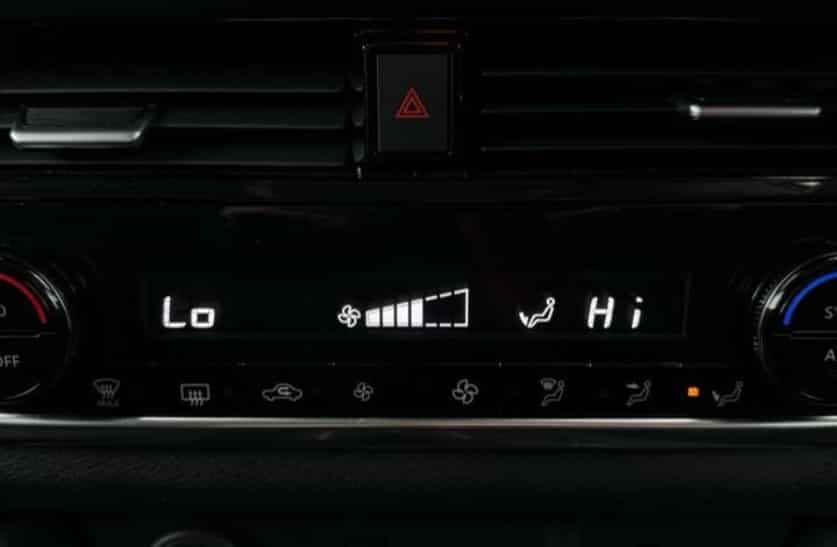
When your Nissan Qashqai heater not working becomes an issue, every winter journey can quickly turn uncomfortable and even unsafe. A heater that blows cold air does much more than lower cabin comfort. It also affects windshield defrosting, reduces visibility, and makes driving in freezing temperatures far more difficult. If left unresolved, the problem may also point to a fault within the engine cooling system that requires immediate attention.
Several components work together to provide warm air inside the cabin. Hot engine coolant passes through the heater core, while the blower motor pushes warm air through the air vents. The climate control system then adjusts the airflow and cabin temperature according to your selected settings. If just one of these parts stops working correctly, your Nissan Qashqai may lose its ability to produce heat.
The good news is that many heater problems share common symptoms and can often be diagnosed without advanced equipment. Low coolant, a faulty thermostat, a blocked heater core, a worn blower motor, or a malfunctioning blend door actuator are among the most common causes. Identifying the exact source of the problem early can prevent expensive repairs and help restore proper heating performance.
This comprehensive guide explains everything you need to know about a Nissan Qashqai heater not working. You will learn how the heating system operates, recognize the warning signs of failure, understand the most common causes, follow practical troubleshooting steps, explore repair options, and discover simple maintenance tips to keep your heater performing efficiently throughout the year.
How the Nissan Qashqai Heating System Works
Understanding the heating system makes it much easier to diagnose a Nissan Qashqai heater not working. Unlike an electric heater, the system does not produce heat directly. Instead, it uses heat generated by the engine. This design improves efficiency while keeping the cabin warm during cold weather.
As the engine runs, coolant circulates through the engine block. It absorbs excess heat before moving through the cooling system. Once the engine reaches its normal operating temperature, the hot coolant flows into the heater core. The heater core sits behind the dashboard and works like a small radiator.
The blower motor pushes air through the heater core. As the air passes over the hot fins, it absorbs heat. The warm air then enters the cabin through the dashboard, floor, or windshield vents. The selected fan speed controls airflow, while the climate control system adjusts the temperature.
The blend door actuator also plays an important role. It controls how much air passes through the heater core. When the actuator fails, the blend door may become stuck. This can cause cold air, uneven temperatures, or different temperatures on each side of the cabin.
The thermostat is another essential component. It keeps the engine within its correct operating temperature. A healthy thermostat allows hot coolant to reach the heater core at the right time. If it becomes stuck open, the engine may stay too cool. As a result, the heater often blows cold or only slightly warm air.
Coolant circulation is just as important. The water pump keeps coolant moving through the engine, radiator, and heater core. Poor circulation reduces the amount of heat reaching the cabin. This problem may result from a failing water pump, trapped air, or a partially blocked heater core.
Several electrical components also affect heater performance. The blower motor resistor controls fan speed. Fuses, relays, sensors, and the climate control module manage the rest of the HVAC system. A fault in any of these parts can reduce airflow or prevent the heater from working correctly.
Because every component works together, diagnosing a Nissan Qashqai heater not working requires a systematic approach. Cold air usually points to coolant or thermostat issues. Weak airflow often indicates a blocked cabin air filter or a faulty blower motor. Understanding these relationships helps you identify the real cause before replacing any parts.
Common Signs Your Nissan Qashqai Heater Is Not Working
A failing heater rarely stops working without warning. In most cases, the system develops small problems before it loses the ability to produce warm air. Recognizing these early signs can help you fix the issue before it becomes more expensive.
The most common symptom is cold air coming from the vents. You may set the temperature to the highest level, but the cabin still feels cold. This often indicates a problem with the coolant, thermostat, or heater core. It is usually one of the first signs that something is wrong.
Weak airflow is another common complaint. The air may feel warm, but only a small amount reaches the cabin. A clogged cabin air filter, worn blower motor, or faulty blower motor resistor can all reduce airflow. These problems often become more noticeable when higher fan speeds make little difference.
Some drivers notice that the heater works only while the vehicle is moving. Warm air disappears when the car stops at traffic lights or idles for several minutes. This symptom often points to low coolant, trapped air in the cooling system, or poor coolant circulation. A failing water pump can also produce similar behavior.
Uneven cabin temperatures are another warning sign. One side of the vehicle may produce warm air while the other side remains cold. In other cases, the dashboard vents blow cold air while the floor vents still provide heat. These symptoms usually indicate a faulty blend door actuator or a problem inside the HVAC system.
Foggy windows that refuse to clear should never be ignored. The heater helps remove moisture from the windshield during cold or rainy weather. If warm air is unavailable, visibility can quickly become poor. This creates a safety risk, especially during winter driving.
A sweet smell inside the cabin often suggests a coolant leak. You may also notice damp carpet near the front passenger footwell. These symptoms can indicate a leaking heater core. Ignoring the leak may reduce coolant levels and eventually cause engine overheating.
Pay attention to the engine temperature gauge as well. If the engine takes a long time to warm up, the thermostat may be stuck open. If the engine overheats while the heater stops producing warm air, coolant circulation may be restricted. Both situations require immediate inspection to prevent further damage.
Some heater problems also produce unusual sounds. Clicking noises behind the dashboard may indicate a failing blend door actuator. Squealing or grinding sounds often come from a worn blower motor. Although these noises may seem minor at first, they usually become worse over time.
Understanding these warning signs makes diagnosis much easier. Each symptom provides valuable clues about the affected component. The next section explains the most common causes of a Nissan Qashqai heater not working and shows why each problem affects heating performance.
10 Common Causes of Nissan Qashqai Heater Problems
Low Coolant Level
Low coolant is one of the most common reasons for a Nissan Qashqai heater not working. The heating system depends on hot coolant to transfer heat from the engine to the heater core. If the coolant level drops below the recommended level, there may not be enough hot coolant reaching the heater core. As a result, the vents begin blowing cold or only slightly warm air.
Coolant levels usually decrease because of a leak. The leak may come from a damaged radiator, a cracked hose, a loose hose clamp, or a failing water pump. In some cases, the heater core itself may leak. A slow leak often goes unnoticed until the heater starts performing poorly.
You should never ignore a low coolant warning. The same coolant that heats the cabin also prevents the engine from overheating. Driving with insufficient coolant can lead to serious engine damage and much higher repair costs.
Start by checking the coolant reservoir when the engine is completely cool. The fluid should be between the minimum and maximum marks. If the level is low, inspect the engine bay for signs of leaks before adding the correct type of coolant. If the coolant level continues to drop, the system should be pressure tested to locate the source of the leak.
Air Trapped in the Cooling System
Air trapped inside the cooling system can prevent hot coolant from circulating through the heater core. Even if the coolant level appears normal, an air pocket can block the flow of hot coolant. This often causes inconsistent heating or cold air from the vents.
Air usually enters the system after coolant replacement, radiator repairs, or thermostat replacement. It can also enter through a leaking hose or a damaged expansion tank cap.
One common symptom is a heater that changes temperature without warning. The air may feel warm for a few minutes before turning cold again. Some drivers also notice a gurgling sound behind the dashboard. This noise often indicates air moving through the heater core.
Bleeding the cooling system removes trapped air and restores normal coolant circulation. The exact bleeding procedure depends on the engine and model year. Following the manufacturer’s recommended procedure is essential because incomplete bleeding can leave air inside the system.
Faulty Thermostat
The thermostat controls how quickly the engine reaches its normal operating temperature. It remains closed when the engine is cold and opens after the coolant reaches the correct temperature. This process allows the engine to warm up efficiently while providing enough heat for the cabin.
If the thermostat becomes stuck open, coolant flows through the radiator too early. The engine takes much longer to warm up, especially during winter. Since the coolant never becomes hot enough, the heater cannot deliver sufficient heat into the cabin.
Drivers often notice that the temperature gauge stays below its normal position even after several minutes of driving. Fuel consumption may also increase because the engine operates below its ideal temperature.
Replacing a faulty thermostat is usually less expensive than replacing other cooling system components. However, delaying the repair may reduce fuel efficiency and increase engine wear over time.
Blocked Heater Core
The heater core is responsible for transferring heat from the coolant into the cabin. Over time, rust, corrosion, old coolant, or debris can build up inside the narrow passages of the heater core. This restriction reduces coolant flow and limits the amount of heat available.
A partially blocked heater core often produces lukewarm air instead of hot air. The heater may work normally at higher engine speeds but lose performance while idling. This happens because coolant flow becomes less effective when engine speed decreases.
A leaking heater core creates additional symptoms. Drivers may notice a sweet coolant smell inside the cabin, fog on the inside of the windshield, or damp carpet near the passenger side. These signs should never be ignored because coolant leaks can become worse over time.
A professional coolant flush may remove minor blockages. If the heater core is heavily restricted or leaking, replacement is usually the only reliable solution.
Faulty Blower Motor
The blower motor pushes air through the heater core and into the cabin. Even if the heater core is hot, warm air cannot reach the passengers when the blower motor fails.
A weak blower motor often starts with intermittent operation. It may work normally one day and stop the next. Some motors produce squealing, grinding, or rattling sounds before they fail completely.
If there is no airflow at any fan speed, inspect the blower motor fuse and relay before replacing the motor itself. Electrical faults can produce symptoms that are similar to a failed blower motor.
A new blower motor restores proper airflow and improves both heating and air conditioning performance. Replacing the faulty component early also prevents additional strain on the electrical system.
Faulty Blower Motor Resistor
The blower motor resistor controls the fan speed inside the heating and ventilation system. It adjusts the amount of electrical current reaching the blower motor. When this component fails, the fan may stop working at certain speed settings or operate only at the highest speed.
Many drivers first notice that one or two fan speeds no longer respond. Over time, the problem often becomes worse until only the highest setting works. In some cases, the blower motor may stop working completely.
A faulty resistor is usually easier and less expensive to replace than the blower motor itself. However, the resistor should not be replaced without checking the blower motor. An aging blower motor can draw too much current and damage the new resistor.
Inspecting both components at the same time helps prevent repeat repairs. This approach also ensures that the entire heating system operates correctly after the repair is complete.
Blend Door Actuator Failure
The blend door actuator controls the flow of air inside the HVAC system. It moves a small door that directs air through or around the heater core. This movement determines whether warm or cool air enters the cabin.
When the actuator fails, the blend door may remain in the wrong position. Hot coolant can still pass through the heater core, but the warm air never reaches the vents. Instead, the system continues blowing cold air regardless of the selected temperature.
A faulty actuator often produces clicking sounds behind the dashboard. These noises usually appear when changing the temperature settings or starting the vehicle. The sound occurs because worn internal gears can no longer move the blend door correctly.
Some vehicles also experience uneven temperatures across the cabin. The driver may receive warm air while the passenger side remains cold. Automatic climate control systems are particularly sensitive to blend door faults because they rely on precise actuator movement.
Diagnosing this problem often requires access to the HVAC housing. A professional scan tool may also detect actuator or climate control faults before any parts are removed.
Climate Control Module Problems
Modern Nissan Qashqai models rely on an electronic climate control module to manage cabin temperature. The module receives information from several sensors before adjusting the heater and ventilation system. If the module stops working correctly, the heater may behave unpredictably.
One common symptom is an incorrect cabin temperature. The display may show a higher setting, but the vents continue blowing cold air. In other cases, the airflow direction changes unexpectedly or the fan speed fluctuates without any input from the driver.
Electrical problems can also affect communication between the climate control module and other HVAC components. Damaged wiring, poor electrical connections, or software faults may all interrupt normal operation.
Before replacing the control module, technicians usually perform a diagnostic scan. This process helps identify stored fault codes and reduces the risk of replacing parts that are still functioning correctly.
Blocked Cabin Air Filter
A blocked cabin air filter cannot stop the heater from producing heat, but it can significantly reduce airflow inside the cabin. As dust, pollen, leaves, and road debris collect inside the filter, air struggles to pass through the ventilation system.
Drivers often notice weak airflow even when the blower fan operates at its highest setting. The heater may still produce warm air, but only a small amount reaches the vents. Defrost performance may also become slower because less air reaches the windshield.
Replacing the cabin air filter is one of the simplest maintenance tasks. It is also one of the most overlooked. Many owners focus on engine maintenance while forgetting the HVAC system.
Installing a new filter improves airflow immediately in many cases. It also helps reduce unpleasant odors and improves overall cabin air quality.
Water Pump or Coolant Circulation Problems
The water pump keeps coolant moving through the entire cooling system. It circulates coolant between the engine, radiator, and heater core. Without proper circulation, the heater cannot receive enough hot coolant to warm the cabin.
A failing water pump may produce inconsistent heating. The heater can work normally while driving at higher speeds but become cold during idle. Some vehicles also experience engine overheating because coolant no longer circulates efficiently.
Other warning signs include coolant leaks around the water pump, unusual noises from the engine, or visible movement in the engine temperature gauge. These symptoms should be investigated immediately because complete water pump failure can cause severe engine damage.
Coolant circulation problems may also result from collapsed radiator hoses, internal blockages, or heavy corrosion inside the cooling system. A thorough inspection helps identify the exact cause before unnecessary parts are replaced.
Why Identifying the Correct Cause Matters
Many heater problems produce similar symptoms. Cold air from the vents does not always mean the heater core has failed. In many cases, the real cause is something much simpler, such as low coolant or a faulty thermostat.
Replacing parts without proper diagnosis often increases repair costs and wastes valuable time. A systematic inspection helps eliminate possible causes one by one. This method improves accuracy and prevents unnecessary repairs.
Understanding how each component affects the heating system also makes future maintenance easier. Small issues can often be corrected before they develop into major failures. Regular inspections reduce the risk of unexpected heater problems and help maintain reliable cabin comfort throughout the year.
Nissan Qashqai Heater Blowing Cold Air Quick Diagnosis Table
Finding the exact cause of a heating problem becomes much easier when you compare the symptoms with the most likely faults. The table below provides a quick starting point before carrying out a detailed inspection. Although it cannot replace a full diagnosis, it helps narrow the list of possible causes.
| Symptom | Most Likely Cause | What to Check First |
|---|---|---|
| Cold air from all vents | Low coolant | Check the coolant reservoir and inspect for leaks. |
| Cold air after engine warms up | Faulty thermostat | Watch the engine temperature gauge during normal driving. |
| Weak airflow | Blocked cabin air filter | Inspect and replace the cabin air filter if necessary. |
| No airflow at any fan speed | Blower motor or blown fuse | Check the fuse, relay, and blower motor operation. |
| Fan works only on one speed | Blower motor resistor | Test the resistor and electrical connections. |
| Heat disappears while idling | Low coolant or poor coolant circulation | Check coolant level and inspect the water pump. |
| Different temperatures on each side | Blend door actuator | Test the HVAC temperature controls. |
| Sweet smell inside the cabin | Leaking heater core | Look for coolant loss and damp carpet. |
| Foggy windshield that does not clear | Heater core leak or poor heater performance | Inspect the cooling system and heater core. |
| Engine overheating with no cabin heat | Cooling system fault | Stop driving and inspect the cooling system immediately. |
This quick reference helps identify the most likely cause, but it should not be used as the final diagnosis. Some faults produce similar symptoms, and more than one problem can occur at the same time. A complete inspection always provides the most reliable answer.
How to Fix a Nissan Qashqai Heater Not Working
Once you understand the possible causes, the next step is to diagnose the problem in a logical order. Starting with the simplest checks can save both time and money. Many heater faults can be identified without removing major components.
Step 1. Check the Heater Settings
Begin with the simplest inspection. Start the engine and allow it to reach normal operating temperature. Set the climate control to the highest temperature and select a medium fan speed.
Make sure the correct air distribution mode is selected. Air directed toward the windshield or floor may feel different from air coming through the dashboard vents. If your vehicle has dual zone climate control, confirm that both sides are set to the same temperature.
Although this step sounds obvious, incorrect settings are responsible for more heater complaints than many drivers expect.
Step 2. Inspect the Coolant Level
Allow the engine to cool completely before opening the coolant reservoir. Never remove the radiator cap while the engine is hot because hot coolant can cause serious burns.
Check whether the coolant level is between the minimum and maximum marks. If the level is low, inspect the engine bay for visible leaks before adding the recommended coolant.
A low coolant level usually indicates another problem. Simply topping up the coolant without finding the source of the leak is only a temporary solution.
Step 3. Look for Coolant Leaks
A leaking cooling system reduces heater performance and increases the risk of engine overheating. Inspect the radiator, coolant hoses, hose clamps, expansion tank, and water pump for signs of moisture or dried coolant residue.
Inside the cabin, check the passenger side carpet for dampness. A sweet smell or oily film on the windshield may indicate a leaking heater core.
Even a slow leak should be repaired as soon as possible. Small coolant leaks often become much larger over time.
Step 4. Monitor the Engine Temperature
Start the engine and watch the temperature gauge during a normal drive. Most engines should reach normal operating temperature within several minutes.
If the gauge remains unusually low, the thermostat may be stuck open. If the engine overheats, the cooling system may have a more serious problem, such as restricted coolant flow or a failing water pump.
The temperature gauge provides valuable information before any parts are removed.
Step 5. Test the Blower Fan
Turn the fan through every speed setting. Listen carefully for changes in airflow and motor noise.
If the fan does not operate at any speed, inspect the fuse and relay first. If only one or two speeds fail, the blower motor resistor becomes the most likely cause.
Grinding or squealing noises usually indicate a worn blower motor. Replacing the motor before complete failure helps avoid further electrical problems.
Step 6. Inspect the Cabin Air Filter
Remove the cabin air filter and inspect its condition. A filter packed with dirt, leaves, or dust can restrict airflow throughout the HVAC system.
Replacing the filter is inexpensive and requires only a few minutes on most Nissan Qashqai models. Improved airflow often restores heater performance immediately if the filter was heavily blocked.
A clean cabin air filter also improves air quality and reduces strain on the blower motor.
Step 7. Check Heater Core Temperature
After the engine reaches normal operating temperature, carefully feel the heater hoses near the firewall. Both hoses should feel hot.
If one hose is hot and the other remains noticeably cooler, coolant may not be flowing through the heater core correctly. This usually indicates a blockage or restricted coolant flow.
Because the cooling system becomes extremely hot during operation, use appropriate safety precautions while performing this inspection.
Step 8. Scan the HVAC System
Modern Nissan Qashqai models use electronic control systems to manage heating and ventilation. A diagnostic scanner can detect stored fault codes related to the climate control module, blend door actuator, or temperature sensors.
Scanning the system often identifies electrical faults that cannot be found through a visual inspection alone. This step is particularly useful when the heater behaves inconsistently.
Professional diagnostic equipment can also confirm whether sensors are providing accurate temperature readings.
Step 9. Know When Professional Repair Is Necessary
Some heater problems require specialist tools and extensive disassembly. Replacing a heater core or repairing a blend door often involves removing large sections of the dashboard.
If the engine overheats, coolant continues to disappear, or the heater still blows cold air after completing the basic inspections, professional diagnosis is recommended.
Repairing the correct fault at an early stage usually costs less than replacing multiple components after the problem becomes worse.
DIY Fixes vs Professional Repairs
Not every heater problem requires a visit to a repair shop. Some issues are simple enough for most vehicle owners to fix with basic tools. Others involve the cooling system or dashboard components and should be handled by an experienced technician.
The table below explains which repairs are suitable for DIY maintenance and which are better left to professionals.
| Repair | DIY Friendly | Difficulty | Recommendation |
|---|---|---|---|
| Check heater settings | Yes | Very Easy | Always start here before inspecting other components. |
| Top up coolant | Yes | Easy | Use the correct coolant specified for your Nissan Qashqai. |
| Replace cabin air filter | Yes | Easy | Improves airflow and cabin air quality. |
| Replace a blown fuse | Yes | Easy | Confirm the correct fuse rating before replacement. |
| Bleed the cooling system | Moderate | Moderate | Follow the correct bleeding procedure to remove trapped air. |
| Replace the thermostat | Moderate | Moderate | Suitable for experienced DIY mechanics with the proper tools. |
| Replace the blower motor resistor | Yes | Moderate | Often accessible without major disassembly. |
| Replace the blower motor | Moderate | Moderate | Access varies depending on the model year. |
| Flush the cooling system | Moderate | Moderate | Useful if coolant is contaminated or the heater core is partially restricted. |
| Replace the heater core | No | Difficult | Dashboard removal is usually required. |
| Replace the blend door actuator | Sometimes | Difficult | Accessibility depends on the vehicle configuration. |
| Repair the climate control module | No | Advanced | Requires specialist diagnostic equipment. |
Choosing the correct repair depends on the actual cause of the problem. Replacing parts without confirming the fault can increase repair costs and waste valuable time. A careful diagnosis should always come before any repair work.
How Much Does It Cost to Fix a Nissan Qashqai Heater
Repair costs vary depending on the model year, engine type, labor rates, and the faulty component. Minor maintenance items are usually inexpensive, while major HVAC repairs can require several hours of labor.
The following estimates provide a general idea of what owners can expect.
| Repair | Estimated Cost |
|---|---|
| Coolant top up | $20 to $60 |
| Cabin air filter replacement | $20 to $70 |
| Cooling system bleed | $50 to $150 |
| Thermostat replacement | $150 to $350 |
| Blower motor resistor replacement | $80 to $220 |
| Blower motor replacement | $200 to $500 |
| Cooling system flush | $100 to $250 |
| Water pump replacement | $350 to $800 |
| Heater core replacement | $700 to $1,500 |
| Blend door actuator replacement | $250 to $900 |
Labor often represents the largest part of the repair bill. Heater core replacement is particularly expensive because technicians usually need to remove much of the dashboard to reach the component.
Regular maintenance can prevent many of these repairs. Replacing coolant on schedule, checking for leaks, and changing the cabin air filter can significantly reduce the risk of heater failure.
Can You Drive a Nissan Qashqai With a Heater That Is Not Working?
The answer depends on the underlying cause. If the problem only affects cabin heating, the vehicle may still be drivable for a short period. However, driving without a working heater is not always safe.
During winter, the heater plays an important role in clearing condensation and ice from the windshield. Without warm airflow, visibility can quickly become poor. This increases the risk of accidents, especially during heavy rain or freezing temperatures.
A heater failure can also indicate a cooling system problem. Low coolant, a blocked heater core, or a faulty water pump may eventually cause the engine to overheat. Continuing to drive under these conditions can result in severe engine damage.
If you notice coolant loss, an overheating engine, or warning lights on the dashboard, stop driving as soon as it is safe to do so. Identifying the problem early is usually much less expensive than repairing an overheated engine.
How to Prevent Nissan Qashqai Heater Problems
Preventive maintenance is the easiest way to keep the heating system working efficiently. Small maintenance tasks often prevent expensive repairs later.
Check the coolant level regularly and inspect the cooling system for leaks. Even a minor coolant leak can reduce heater performance over time.
Replace the engine coolant according to the manufacturer’s maintenance schedule. Fresh coolant protects the cooling system against corrosion and helps maintain proper heat transfer.
Inspect the cabin air filter during routine servicing. A clean filter improves airflow and reduces strain on the blower motor.
Run the heating and air conditioning system throughout the year. Regular operation helps keep internal components moving and reduces the risk of seized actuators or sticking blend doors.
Pay attention to unusual smells, weak airflow, or inconsistent cabin temperatures. Early diagnosis often prevents more serious failures and lowers repair costs.
Frequently Asked Questions
Why is my Nissan Qashqai heater blowing cold air?
The most common causes include low coolant, a faulty thermostat, a blocked heater core, trapped air in the cooling system, or a failed blend door actuator. A systematic inspection is the best way to identify the exact fault.
Can low coolant stop the heater from working?
Yes. The heater depends on hot coolant flowing through the heater core. If the coolant level becomes too low, the heater cannot produce enough warm air.
Why does my heater only work while driving?
This usually indicates poor coolant circulation. Low coolant, trapped air, or a failing water pump are common causes. The problem often becomes noticeable when the engine is idling.
How do I know if the heater core is blocked?
A blocked heater core often causes weak heating, uneven vent temperatures, and poor performance while the engine is idling. Comparing the temperature of the heater hoses can help confirm restricted coolant flow.
Why is the blower fan working but there is no heat?
If the fan operates normally but only cold air comes from the vents, the problem is usually related to coolant flow, the thermostat, the heater core, or the blend door actuator.
Is heater core replacement expensive?
Yes. Heater core replacement is one of the most expensive heater repairs because accessing the component usually requires extensive dashboard disassembly.
Can a faulty thermostat affect cabin heating?
Yes. A thermostat that remains open prevents the engine from reaching normal operating temperature. Without sufficient engine heat, the heater cannot warm the cabin effectively.
Should I continue driving if my heater stops working?
You should first determine why the heater has failed. If the problem is related to the cooling system or engine overheating, continued driving can cause serious engine damage.
Conclusion
A Nissan Qashqai heater not working is often more than a simple comfort issue. It can reduce visibility, affect driving safety, and indicate underlying cooling system problems that should not be ignored. Fortunately, most heater faults begin with recognizable symptoms, making early diagnosis much easier.
Low coolant, trapped air, a faulty thermostat, a blocked heater core, blower motor issues, and blend door actuator failures are among the most common causes. Understanding how these components work together allows you to identify problems more quickly and avoid replacing unnecessary parts.
Routine maintenance remains the best way to prevent heater failure. Regular coolant checks, timely coolant replacement, and periodic inspection of the HVAC system can extend the life of key components while improving overall reliability.
If basic troubleshooting does not restore proper heating, or if your vehicle shows signs of coolant loss or engine overheating, professional diagnosis is the safest option. Addressing the issue early can reduce repair costs, improve driving comfort, and help keep your Nissan Qashqai operating safely in every season.