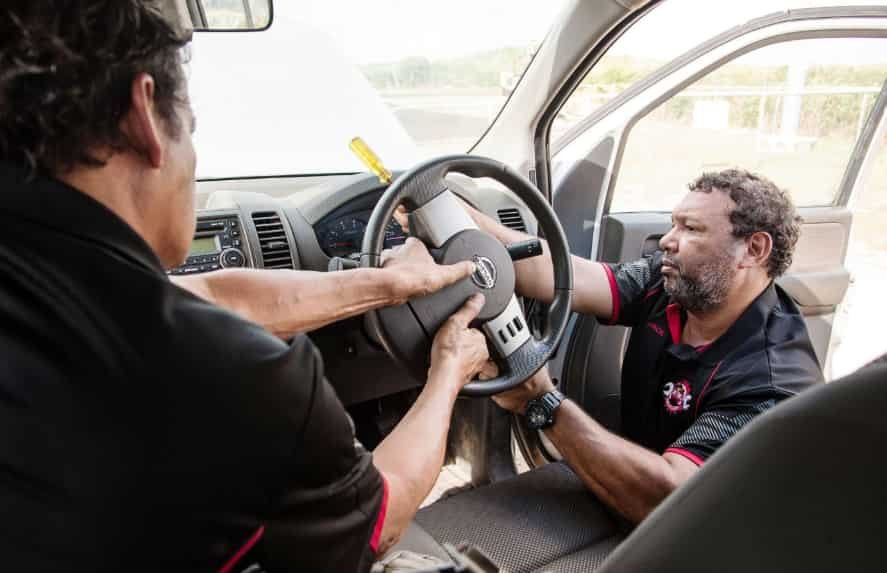
Removing a Nissan Patrol steering wheel requires careful preparation and attention to detail. Many owners remove the steering wheel for upgrades, repairs, or maintenance work. Common reasons include replacing a damaged wheel, fixing horn problems, installing a new clock spring, or accessing steering column components.
The process looks simple, but safety remains the top priority. The steering wheel connects to important systems such as the airbag, horn, and electrical controls. A wrong step can damage connectors, affect steering alignment, or trigger warning lights.
Before starting, check your Nissan Patrol model and year. The Y60, Y61, and Y62 generations may use different steering wheel designs. Some models include airbag systems, cruise control buttons, and additional wiring connections.
This guide explains how to remove Nissan Patrol steering wheel safely and correctly. You will learn the tools you need before starting the job. You will also discover how to disconnect the battery, remove the airbag module, protect the clock spring, and reinstall the steering wheel properly.
A careful approach helps you avoid common mistakes. It also protects expensive components inside the steering system. By following each step, you can complete the removal process with more confidence and reduce the risk of unnecessary repairs.
What You Should Know Before Removing a Nissan Patrol Steering Wheel
Before you remove a Nissan Patrol steering wheel, you need to understand how the system works. The steering wheel does more than control the direction of your vehicle. It connects to important components such as the driver airbag, horn system, steering controls, and clock spring.
Many Nissan Patrol owners remove the steering wheel for different reasons. Some want to replace an old or damaged steering wheel. Others need access to the clock spring, repair the horn, fix steering wheel buttons, or install an upgraded wheel.
The removal process requires careful handling because several parts work together. The airbag system needs special attention during the entire procedure. A wrong move can damage connectors, create electrical faults, or trigger the SRS warning light.
Before starting the job, check your Nissan Patrol model and production year. The Y60, Y61, and Y62 generations may use different steering wheel designs and wiring layouts. Understanding these differences helps you choose the correct tools and follow the right procedure.
You should also prepare a clean workspace before removing any parts. Keep small bolts, screws, and connectors organized to avoid confusion during installation. A proper preparation process saves time and reduces the chance of mistakes.
Learning the basic structure of your Nissan Patrol steering wheel makes the removal process easier. When you understand each component, you can work with more confidence and protect the vehicle’s safety systems.
Identify Your Nissan Patrol Model Before Steering Wheel Removal
Identifying your Nissan Patrol model is an important step before removing the steering wheel. Different generations use different designs, electrical systems, and steering wheel components. Knowing your exact model helps you prepare the correct tools and avoid unnecessary damage.
The Nissan Patrol Y60 represents an older generation with a simpler interior and steering system. Some Y60 models may not include a driver airbag, depending on the year and market. If your vehicle does not have an airbag, the removal process may require fewer steps.
The Nissan Patrol Y61 introduced more advanced features compared with the previous generation. Many Y61 models include a driver airbag, horn wiring, and additional electrical connections. Some versions also have steering wheel controls, which require careful handling during removal.
The Nissan Patrol Y62 uses a more modern steering system with advanced electronic features. Many Y62 models include multifunction steering wheel buttons, cruise control switches, and complex wiring connections. These components require extra attention because incorrect handling can affect multiple vehicle systems.
Before you begin, check your vehicle identification information. You can find important details through the owner’s manual, service records, or vehicle identification number. This information helps you confirm the correct removal procedure for your specific Nissan Patrol.
Understanding the differences between Y60, Y61, and Y62 models makes the process safer and more efficient. Proper identification prevents mistakes and helps you complete the steering wheel removal correctly.
Understand the Main Safety Risks Before Removing a Nissan Patrol Steering Wheel
Safety should always come first when you remove a Nissan Patrol steering wheel. The steering wheel connects to several important systems, especially the driver airbag and electrical components. A careful approach helps you prevent injuries and avoid expensive repairs.
The airbag system requires the most attention during removal. The driver airbag contains an inflator that activates during a collision. If you handle the system incorrectly, the airbag may deploy unexpectedly. Always disconnect the battery before removing the airbag module.
The clock spring is another important component you need to protect. This part allows electrical signals to travel between the steering wheel and the vehicle while the wheel turns. If you rotate the clock spring after removing the steering wheel, you can damage the internal ribbon cable.
A damaged clock spring can create several problems. The horn may stop working, steering wheel buttons may fail, or the SRS warning light may appear on the dashboard. In some cases, the vehicle may require additional diagnosis after the repair.
You should also avoid forcing the steering wheel from the steering shaft. Excessive pulling or using incorrect tools can damage the steering column or surrounding components. Use the correct removal method and apply steady pressure when necessary.
Taking safety precautions before starting the job makes the entire process easier. Disconnecting the battery, protecting the clock spring, and using proper tools are essential steps for a successful Nissan Patrol steering wheel removal.
When You Should Ask a Professional Mechanic for Help
Removing a Nissan Patrol steering wheel is possible for many experienced DIY owners. However, some situations require professional knowledge and specialized equipment. Knowing when to stop can prevent damage and keep your vehicle safe.
You should ask a professional mechanic if you cannot identify the airbag connector or wiring system. Modern Nissan Patrol models use different electrical connections, and incorrect handling can damage sensitive components.
Professional assistance is also recommended when the steering wheel feels stuck on the steering shaft. Some wheels become difficult to remove because of corrosion, tight spline connections, or previous incorrect installation. Using excessive force can damage the steering column or other steering components.
You should also seek help if your Nissan Patrol already has an SRS warning light. This warning may indicate a problem with the airbag system, clock spring, or related electrical parts. Removing the steering wheel without diagnosing the issue first can create additional problems.
Vehicles with previous accident damage require extra attention. A collision can affect the steering column, airbag system, and wiring connections. A mechanic can inspect these areas and confirm that the system works correctly.
You should consider professional help if you do not have the correct tools. A proper socket set, torque wrench, and safety equipment make the process safer and more accurate.
Knowing your limits is an important part of vehicle maintenance. A careful decision can protect your Nissan Patrol and prevent costly repairs. If you feel uncertain at any stage, professional support is the safest option.
Tools Needed to Remove a Nissan Patrol Steering Wheel
Having the correct tools makes Nissan Patrol steering wheel removal safer and easier. The right equipment helps you remove each component without damaging the steering system, electrical connectors, or interior trim.
A basic socket set is one of the most important tools for this job. You will need different socket sizes to remove the center nut and other fasteners. A ratchet handle allows you to apply controlled force during removal.
A torque wrench is also essential when reinstalling the steering wheel. The center nut requires the correct tightening force to keep the steering wheel secure. Over tightening can damage components, while under tightening can create unwanted movement.
You may also need Torx bits or screwdrivers to remove the airbag module. Many Nissan Patrol models use specific fasteners behind the steering wheel. Using the correct tool prevents stripped screws and damaged mounting points.
A trim removal tool helps protect plastic covers and interior panels. Avoid using sharp metal tools that can leave marks or scratches around the steering wheel area.
A steering wheel puller can help when the wheel remains attached to the steering shaft. Some steering wheels release easily, but others require additional force. A puller provides even pressure and reduces the risk of damaging the steering column.
You should also prepare safety equipment before starting. Protective gloves and safety glasses improve your protection during the process.
Preparing the correct tools before removal saves time and reduces mistakes. A well organized workspace allows you to complete the job with better control and confidence.
Do You Need a Steering Wheel Puller for Nissan Patrol Removal?
A steering wheel puller is a useful tool for some Nissan Patrol steering wheel removal jobs. However, not every vehicle requires one. The need for a puller depends on the condition of the steering wheel, the spline connection, and the previous installation.
Some Nissan Patrol steering wheels come off easily after you remove the center nut. In these cases, you can carefully pull the wheel toward you while applying even pressure on both sides. Always keep control of the steering wheel during this step.
Other vehicles may have a tighter connection between the steering wheel hub and the steering shaft. Dirt, corrosion, or years of use can make the connection harder to release. A steering wheel puller provides controlled force and helps separate the components safely.
Using a puller offers several advantages. It applies pressure evenly across the steering wheel hub and reduces stress on the steering column. It also prevents you from using excessive force, which can damage important parts behind the wheel.
You should never hit the steering shaft with a hammer to remove a stuck steering wheel. Strong impacts can damage the steering column, bearings, or internal components. They can also create alignment problems during reinstallation.
Before using a puller, check that you have removed the center nut correctly. Keep the nut partially attached during the initial release process to prevent the steering wheel from moving suddenly.
Choosing the correct removal method protects your Nissan Patrol steering system. A steering wheel puller is not always necessary, but it can make difficult removals safer and more efficient.
How To Prepare Your Nissan Patrol for Steering Wheel Removal
Proper preparation makes the Nissan Patrol steering wheel removal process safer and more efficient. Before touching any components, you need to create a safe working environment and prepare the vehicle correctly.
Start by parking your Nissan Patrol on a flat surface. Keep the front wheels facing straight ahead and engage the parking brake. This position helps maintain correct steering alignment when you reinstall the steering wheel later.
Next, turn off the ignition and remove the key from the vehicle. For models with a smart key system, keep the key away from the vehicle to prevent accidental electrical activation. Make sure all vehicle systems remain completely switched off before starting the removal process.
You should also prepare your workspace before removing any parts. Place your tools in an easy to reach location and keep small screws, bolts, and connectors organized. A clean workspace reduces the chance of losing important components.
Before removing the steering wheel, inspect the area carefully. Check for visible damage, loose panels, or previous repairs around the steering column. This inspection can help you identify possible problems before they become more serious.
Take photos of the steering wheel position and connector locations before removal. These references can help during reinstallation, especially if you work on a Nissan Patrol with multiple electrical connections.
Good preparation saves time and improves safety. When you organize your tools, position the vehicle correctly, and inspect the components, you create the right conditions for a successful Nissan Patrol steering wheel removal.
How To Disconnect the Battery Before Nissan Patrol Steering Wheel Removal
Disconnecting the battery is one of the most important safety steps before removing a Nissan Patrol steering wheel. The steering wheel contains electrical connections, especially the driver airbag system. Turning off the power supply helps reduce the risk of accidental airbag activation.
Start by locating the vehicle battery. Most Nissan Patrol models place the battery in the engine compartment. Before disconnecting anything, turn off all electrical accessories such as the radio, lights, and ignition system.
Remove the negative battery terminal first. This step helps prevent accidental short circuits while working with electrical connectors. Secure the disconnected terminal away from the battery post to prevent accidental contact.
After disconnecting the battery, wait for the vehicle system to discharge. Many manufacturers recommend waiting several minutes before working on the airbag system. This waiting period allows stored electrical energy inside the system to reduce.
Do not turn on the ignition after disconnecting the battery and removing the airbag module. Activating the electrical system during this stage can create warning lights or system faults.
You should also avoid using electrical testing tools on the airbag connector unless you have the correct equipment and knowledge. Incorrect testing methods can damage sensitive airbag components.
Battery disconnection protects both you and your Nissan Patrol. This simple step creates a safer environment for steering wheel removal and reduces the chance of electrical problems during the repair process.
Always reconnect the battery only after you complete the installation and confirm that all connectors are secure.
How To Center the Steering Wheel Before Removal
Centering the steering wheel before removal is an important step that many people overlook. A correct starting position helps you reinstall the wheel properly and maintain accurate steering alignment after the repair.
Begin by checking that your front wheels point straight ahead. The steering wheel should sit in its normal driving position before you disconnect or remove any components. This position creates a reliable reference point during reinstallation.
Use a paint marker or another safe marking tool to create alignment marks. Mark the relationship between the steering wheel hub and the steering shaft. These marks help you return the wheel to the original position after removal.
Taking clear photos can also help during the installation process. A picture of the steering wheel position and connector arrangement provides an extra reference if you forget the original setup.
The steering shaft and clock spring require careful attention during this step. Avoid rotating the steering shaft after removing the steering wheel. The clock spring has a limited rotation range, and movement outside its center position can damage the internal ribbon cable.
A misaligned steering wheel can create several problems after installation. The wheel may sit at an angle while driving straight. Some vehicles may also experience steering angle sensor issues or electronic stability system warnings.
Proper alignment preparation makes the entire Nissan Patrol steering wheel removal process smoother. By marking the original position and keeping the steering system centered, you protect important components and make reinstallation much easier.
How To Remove the Airbag Module From a Nissan Patrol Steering Wheel
Removing the airbag module requires extra care because it connects to the vehicle’s safety system. Before starting this step, confirm that you already disconnected the battery and waited for the electrical system to discharge.
Locate the airbag retaining screws or release clips behind the steering wheel. The exact design depends on your Nissan Patrol model and production year. Some Y60, Y61, and Y62 models use different mounting methods.
Use the correct tool to remove the fasteners. Avoid forcing the screws or clips because damaged mounts can create problems during reinstallation. Keep all removed hardware in a safe place so you can use the correct parts later.
After releasing the airbag module, hold it carefully with both hands. Do not pull the module away quickly because the wiring connectors remain attached behind the unit. Support the airbag while you prepare to disconnect the electrical connections.
Place the airbag facing upward in a safe location after removal. Avoid placing the front cover downward because this position can create additional risk if the module activates unexpectedly.
Never use sharp tools near the airbag wiring or connector area. The connectors contain sensitive components that require careful handling. Pulling directly on the wires can damage the harness and create electrical faults.
Removing the airbag module correctly protects both you and your Nissan Patrol. Take your time during this step and avoid rushing. Careful handling creates a safer process and makes the later steering wheel removal steps easier.
How To Disconnect the Airbag and Horn Connectors
After removing the airbag module from your Nissan Patrol steering wheel, the next step involves disconnecting the electrical connectors. This step requires patience because the connectors contain important safety and control circuits.
Start by inspecting the back of the airbag module. You will usually find connectors for the airbag system and horn circuit. Some Nissan Patrol models may also include additional wiring for steering wheel controls or other functions.
Before removing any connector, identify the locking mechanism. Many automotive connectors use a safety lock that prevents accidental disconnection. Release the lock carefully before pulling the connector apart.
Never pull directly on the wires when disconnecting the airbag or horn connectors. Always hold the connector body and apply gentle pressure. Pulling the wiring can damage the harness and create future electrical problems.
After disconnecting the connectors, inspect them for visible damage. Look for broken locks, bent terminals, or signs of corrosion. Damaged connectors can affect airbag performance and other steering wheel functions.
Place the removed airbag module in a secure location. Keep the connector openings protected from dirt, moisture, and accidental impact. This simple step helps maintain the condition of the components.
The horn connector usually requires less attention than the airbag connector, but it still needs proper handling. A damaged horn connection can cause the horn to stop working after reinstallation.
Correctly disconnecting the electrical connectors prepares the steering wheel for removal. Careful handling protects the safety system and helps ensure that your Nissan Patrol works properly after the repair.
How To Remove the Nissan Patrol Steering Wheel From the Shaft
After you disconnect the airbag and horn connectors, you can begin removing the Nissan Patrol steering wheel from the steering shaft. This step requires controlled movement because the steering wheel connects tightly to the shaft through a spline system.
Start by locating the center nut in the middle of the steering wheel. Use the correct socket size to loosen the nut carefully. Do not remove the nut completely at the beginning. Leave it partially attached to the thread to prevent the steering wheel from moving suddenly.
Hold the steering wheel firmly with both hands and apply even pressure toward you. Avoid pulling from only one side because uneven force can damage the steering wheel connection or make removal more difficult.
If the steering wheel does not release easily, avoid using excessive force. A steering wheel puller can provide controlled pressure and help separate the wheel from the steering shaft safely. This tool reduces stress on the steering column and surrounding components.
Never hit the steering shaft with a hammer or other heavy tool. Strong impacts can damage internal steering parts and create alignment problems. The correct removal method uses patience and steady pressure.
Once the steering wheel becomes loose, support it carefully while removing the center nut completely. Guide the wiring through the opening and lift the steering wheel away from the shaft.
Keep the clock spring in its original centered position after removing the steering wheel. Do not rotate the component because it can damage the internal ribbon cable.
Following these steps helps you remove a Nissan Patrol steering wheel safely while protecting the steering system and electrical components.
How To Protect the Clock Spring During Nissan Patrol Steering Wheel Removal
The clock spring is one of the most important components to protect when removing a Nissan Patrol steering wheel. This small part allows electrical signals to pass between the steering wheel and the vehicle while the wheel rotates.
The clock spring connects several important functions. These functions can include the airbag system, horn circuit, steering wheel buttons, and cruise control switches. A damaged clock spring can affect multiple systems at the same time.
One of the most common mistakes during steering wheel removal involves rotating the clock spring after removing the wheel. The clock spring has a limited range of movement. If you turn it beyond its designed position, the internal ribbon cable can break.
A damaged ribbon cable can create several problems. The airbag warning light may appear on the dashboard. The horn may stop working. Steering wheel controls may also become inactive.
After removing the steering wheel, keep the clock spring centered and avoid touching it unnecessarily. You can use tape to hold it in position if you need extra protection during the repair process.
Never install the steering wheel while the clock spring sits in the wrong position. A misaligned clock spring can break when you turn the steering wheel during normal driving.
Protecting the clock spring saves time and prevents expensive repairs. This component may look simple, but it plays an important role in the safety and electrical systems of your Nissan Patrol.
A careful removal process helps you maintain the original function of the vehicle and ensures a safer steering wheel reinstallation.
How To Reinstall the Nissan Patrol Steering Wheel Correctly
After completing repairs or upgrades, you need to reinstall the Nissan Patrol steering wheel correctly. Proper installation ensures that the steering system, electrical connections, and safety features work as intended.
Before installing the steering wheel, check the position of the front wheels and confirm that the clock spring remains centered. Compare the alignment marks you created before removal. These marks help you return the steering wheel to its original position.
Guide the wiring connectors through the steering wheel opening carefully. Make sure the wires do not twist, stretch, or become trapped between the steering wheel and steering shaft. Damaged wiring can cause electrical faults and warning lights.
Place the steering wheel onto the steering shaft using the original alignment marks. Press the wheel into position evenly and make sure it sits correctly on the spline connection. A properly aligned steering wheel should fit naturally without excessive force.
Install the center nut and tighten it using the correct torque specification for your Nissan Patrol model. A torque wrench provides accurate tightening and helps prevent future movement or damage.
Reconnect the airbag and horn connectors after securing the steering wheel. Check that each connector locks into place correctly before installing the airbag module.
Finally, reinstall the airbag module and reconnect the vehicle battery. Test all steering wheel functions, including the horn, buttons, and warning lights.
A correct reinstallation process restores your Nissan Patrol steering wheel to safe working condition. Taking time during each step helps prevent alignment issues and electrical problems after the repair.
How To Check Your Nissan Patrol After Steering Wheel Installation
After reinstalling the Nissan Patrol steering wheel, you should complete several checks before driving the vehicle. A proper inspection helps confirm that all mechanical and electrical systems work correctly.
Start by checking the steering wheel position. The wheel should sit straight when the front wheels point forward. If the steering wheel sits at an angle, you may need to review the alignment marks and installation position.
Next, test the horn function. Press the horn button several times and confirm that it responds normally. A failed horn may indicate an incorrect connection or a problem with the horn circuit.
Check all steering wheel controls if your Nissan Patrol includes them. Test buttons for audio control, cruise control, and other functions. Each button should respond without delay or unusual behavior.
Pay close attention to the airbag warning light on the dashboard. Turn on the ignition and observe the SRS indicator. The light should follow the normal startup sequence and turn off if the system works correctly.
Listen for unusual sounds while turning the steering wheel. Clicking, rubbing, or loose movement may indicate an installation problem. Stop and inspect the components if you notice anything unusual.
Perform a short road test in a safe area. Check that the vehicle tracks straight and the steering feels normal. Avoid high speed driving until you confirm that everything works correctly.
A final inspection protects your Nissan Patrol and improves driving safety. Taking a few minutes to test each function can help you identify problems before they become serious repairs.
Common Mistakes When Removing a Nissan Patrol Steering Wheel
Many Nissan Patrol owners attempt steering wheel removal as a DIY project. However, small mistakes can create expensive problems. Understanding common errors helps you complete the process safely and avoid unnecessary repairs.
One common mistake involves skipping battery disconnection. Some people start removing the airbag module without cutting power to the vehicle. This action increases the risk of accidental airbag activation and electrical damage.
Another mistake involves pulling the steering wheel too aggressively. The steering wheel connects tightly to the steering shaft through a spline system. Using excessive force can damage the steering column or surrounding components.
Many people also forget to mark the original steering wheel position. Without alignment marks, reinstalling the wheel in the correct position becomes more difficult. A misaligned steering wheel can affect driving comfort and steering accuracy.
Rotating the clock spring after removing the steering wheel creates another serious problem. The clock spring needs to remain centered. Incorrect movement can damage the internal ribbon cable and affect the airbag system.
Some owners also use incorrect tools during removal. Using unsuitable screwdrivers, sockets, or heavy tools can damage fasteners and interior components. The correct tools provide better control and reduce the chance of damage.
Finally, some people skip the final inspection after installation. Testing the horn, steering controls, and SRS warning light helps confirm that the repair succeeded.
Avoiding these mistakes makes Nissan Patrol steering wheel removal safer and easier. Careful preparation and proper technique protect your vehicle and reduce repair costs.
Nissan Patrol Y60, Y61, and Y62 Steering Wheel Differences
The Nissan Patrol Y60, Y61, and Y62 generations use different steering wheel designs and electrical systems. Understanding these differences helps you follow the correct removal process and avoid damaging important components.
The Nissan Patrol Y60 features a simpler steering wheel design compared with newer generations. Depending on the production year and market, some models may not include a driver airbag or advanced steering controls. The removal process may require fewer steps because of the simpler electrical layout.
The Nissan Patrol Y61 introduced more modern interior features and improved electrical systems. Many Y61 models include a driver airbag, horn wiring, and additional connectors behind the steering wheel. Some versions also include steering wheel controls that require careful handling during removal.
The Nissan Patrol Y62 uses the most advanced steering wheel system among these generations. Many Y62 models include multifunction buttons, cruise control switches, and more complex electronic connections. These features require extra attention because incorrect handling can affect multiple vehicle systems.
Although the basic removal process remains similar, each generation requires specific preparation. Always confirm the correct procedure for your exact model year before starting the job.
Checking your Nissan Patrol generation helps you choose the right tools and understand the components you will handle. It also reduces the risk of damaging the airbag system, clock spring, or electrical connectors.
Whether you own a Y60, Y61, or Y62, careful preparation remains the key to successful steering wheel removal. Understanding your vehicle’s design makes the process safer and more efficient.
When Should You Remove a Nissan Patrol Steering Wheel?
A Nissan Patrol steering wheel removal may become necessary for several repair, maintenance, and upgrade projects. Understanding the correct situations helps you decide whether removing the steering wheel is the right solution for your problem.
One common reason involves replacing a damaged or worn steering wheel. Over time, the steering wheel surface can become cracked, faded, or uncomfortable. Many owners remove the original wheel to install a newer design or improve driving comfort.
Another reason involves repairing steering wheel functions. Problems with the horn, steering wheel buttons, or cruise control switches often require access behind the wheel. Removing the steering wheel allows technicians and experienced DIY owners to inspect the related components.
Clock spring replacement is another common reason for removal. A faulty clock spring can cause airbag warnings, failed horn operation, or inactive steering wheel controls. Replacing this component requires careful removal of the steering wheel and airbag module.
Some Nissan Patrol owners also remove the steering wheel during interior upgrades. Installing an aftermarket steering wheel or restoring the cabin appearance may require access to the original mounting area.
Steering angle sensor repairs may also require steering wheel removal on certain models. This component helps electronic systems understand the steering position and may need inspection or replacement.
However, steering wheel removal should not become the first solution for every problem. Always diagnose the issue before starting the process. Proper identification helps you avoid unnecessary work and protects your Nissan Patrol components.
Knowing when to remove the steering wheel allows you to complete repairs more efficiently. A clear purpose and proper preparation create a safer and more successful repair experience.
Frequently Asked Questions About Nissan Patrol Steering Wheel Removal
Can I Remove a Nissan Patrol Steering Wheel Without a Puller?
Yes, you can remove some Nissan Patrol steering wheels without a puller. Many wheels release after you remove the center nut and apply steady pressure. However, some wheels remain tightly connected to the steering shaft. In those cases, a steering wheel puller provides safer and more controlled removal.
Do I Need To Disconnect the Battery Before Removing the Steering Wheel?
Yes, disconnecting the battery is an important safety step. The steering wheel contains electrical connections, especially the driver airbag system. Removing power reduces the risk of accidental airbag activation and electrical problems.
How Long Should I Wait After Disconnecting the Battery?
The waiting time depends on the vehicle system and manufacturer recommendations. Many technicians allow several minutes before working on airbag components. Always check the correct service information for your Nissan Patrol model.
What Happens If the Clock Spring Moves During Removal?
A moved clock spring can create serious problems. The internal ribbon cable may break if the component rotates outside its normal range. This damage can affect the airbag, horn, and steering wheel controls.
Can Removing the Steering Wheel Trigger the Airbag Warning Light?
Yes, incorrect removal or reconnection can trigger the SRS warning light. Common causes include loose connectors, damaged wiring, or clock spring problems. Proper handling helps prevent these issues.
Is the Removal Process the Same for Y60, Y61, and Y62 Models?
The basic process remains similar, but each generation has different designs. The airbag system, connectors, and steering wheel features may vary between models and production years.
How Do I Know the Steering Wheel Installation Is Correct?
A correctly installed steering wheel should sit straight, feel secure, and operate all functions normally. Check the horn, steering controls, and warning lights before driving.
Conclusion
Learning how to remove Nissan Patrol steering wheel requires patience, preparation, and careful attention to detail. Although the process may look simple, the steering wheel connects to important safety and electrical systems that need proper handling.
The most important steps include disconnecting the battery, protecting the airbag system, keeping the clock spring centered, and using the correct tools. These actions help prevent damage and reduce the risk of expensive repairs.
Every Nissan Patrol generation has its own features. The Y60, Y61, and Y62 models may use different steering wheel designs, connectors, and electronic systems. Checking your exact model before starting helps you follow the correct procedure.
A successful steering wheel removal depends on careful preparation and controlled movements. Avoid rushing the process, especially when working with airbag components and electrical connections.
After installation, always test the horn, steering wheel controls, and SRS warning light. A final inspection confirms that your Nissan Patrol remains safe and ready for the road.
Whether you plan to replace the steering wheel, repair components, or complete an interior upgrade, following the correct method makes the job easier. With the right knowledge and tools, you can complete Nissan Patrol steering wheel removal with confidence while protecting your vehicle’s important systems.