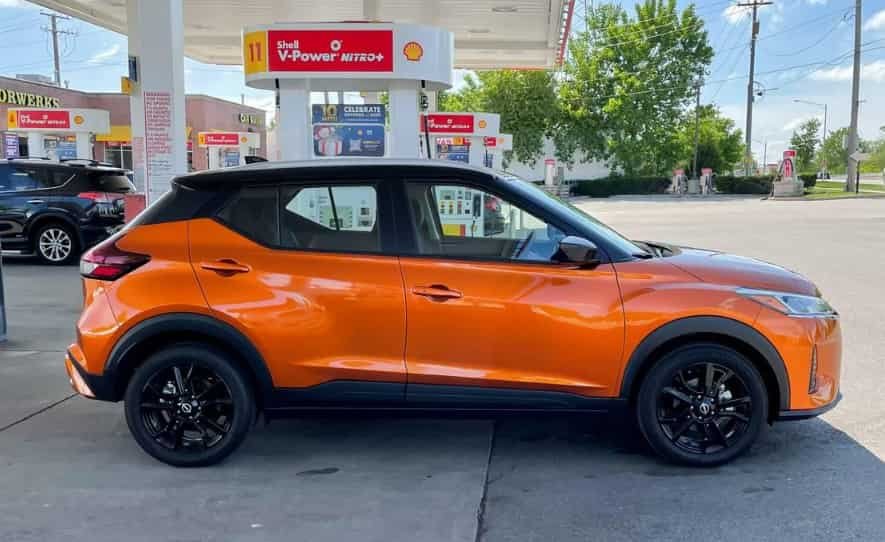
Choosing the right fuel for your Nissan Kicks is important for performance, efficiency, and long term ownership costs. Many drivers feel unsure when they see different gasoline options at the pump. Regular, midgrade, premium, and ethanol blends can make the choice confusing.
So, what fuel does Nissan Kicks take? Most Nissan Kicks models use regular unleaded gasoline. In the United States, gasoline powered Nissan Kicks models usually require fuel with a minimum 87 AKI octane rating. Drivers do not need premium gasoline for normal operation, and higher octane fuel rarely delivers better power or fuel economy.
Using the correct fuel helps your Nissan Kicks run smoothly and prevents unnecessary expenses. The wrong fuel choice can increase costs without providing any real benefit. Understanding your vehicle’s fuel requirements also helps you avoid common mistakes when selecting gasoline.
This guide explains the recommended fuel type for Nissan Kicks models by year. You will learn about octane ratings, regular versus premium gasoline, ethanol blends, fuel economy considerations, and common fueling mistakes.
Whether you own an older Nissan Kicks or the latest model, knowing the right gasoline choice makes every visit to the fuel station easier and more cost effective.
What Fuel Does Nissan Kicks Take?
The Nissan Kicks takes regular unleaded gasoline in most markets. Nissan Kicks models sold in the United States usually require gasoline with a minimum octane rating of 87 AKI. Owners do not need to use premium fuel unless their specific owner’s manual states otherwise.
The recommended fuel helps the engine deliver reliable performance, good fuel economy, and smooth daily driving. Using premium gasoline will not normally increase horsepower or improve mileage because the Nissan Kicks engine does not require high octane fuel.
Before choosing gasoline, always check the fuel label inside the fuel door and review your vehicle’s owner’s manual. Fuel recommendations can change depending on the model year, engine type, and country where Nissan sells the vehicle.
Nissan Kicks Fuel Type Overview
The Nissan Kicks uses a gasoline engine in most versions. The exact fuel recommendation depends on the market and model year, but most gasoline powered models follow a similar requirement.
| Nissan Kicks Version | Recommended Fuel | Minimum Octane Rating | Premium Fuel Required |
|---|---|---|---|
| Nissan Kicks gasoline models in the US | Regular unleaded gasoline | 87 AKI | No |
| Nissan Kicks models using RON fuel ratings | Regular unleaded gasoline based on local specifications | Market specific | Usually no |
| Nissan Kicks e POWER models | Gasoline for the generator engine | Follow local manual | Market specific |
Regular unleaded gasoline provides the balance that Nissan engineers expect from the Kicks engine. The vehicle does not need expensive premium fuel for normal driving conditions. Choosing a higher octane grade may increase your fuel costs without creating meaningful benefits.
Drivers should also understand that octane rating and fuel quality are different factors. A higher octane number does not always mean cleaner fuel or better engine protection. The most important step is using gasoline that matches Nissan’s recommended specifications.
For most Nissan Kicks owners, the simple answer is clear. Use the recommended regular unleaded gasoline, choose a reputable fuel station, and follow the fuel requirements listed for your specific model year.
Nissan Kicks Recommended Gas Type by Model Year
Nissan has produced the Kicks as a practical subcompact crossover with efficient gasoline engines. Over the years, the vehicle has received updates in design, technology, and powertrain options. However, fuel requirements have remained simple for most gasoline powered models.
Most Nissan Kicks models use regular unleaded gasoline. The engine does not need premium fuel to deliver its expected performance. Owners should always check their specific owner’s manual because fuel recommendations may vary between countries and engine configurations.
2018 Nissan Kicks Fuel Requirement
The 2018 Nissan Kicks uses a 1.6 liter gasoline engine in many markets. This model requires regular unleaded gasoline with the recommended octane rating listed by Nissan.
Drivers do not need premium gasoline for daily driving. Regular fuel provides the correct balance between performance and operating costs. Using the correct fuel helps the engine maintain smooth acceleration and efficient operation.
2019 Nissan Kicks Fuel Requirement
The 2019 Nissan Kicks continues with the same basic gasoline engine setup. Owners can use regular unleaded gasoline that meets Nissan’s recommended octane specification.
Many drivers assume a compact SUV needs premium fuel because of its crossover design. However, the Nissan Kicks focuses on efficiency and affordability. Premium gasoline adds extra cost without offering a noticeable improvement in normal driving conditions.
2020 Nissan Kicks Fuel Requirement
The 2020 Nissan Kicks uses regular unleaded gasoline as its recommended fuel type. The 1.6 liter engine works with standard gasoline for everyday transportation.
Owners should focus on fuel quality rather than buying the highest priced gasoline. A reputable fuel station and the correct octane rating matter more than choosing premium fuel.
2021 Nissan Kicks Fuel Requirement
The 2021 Nissan Kicks keeps the regular unleaded gasoline recommendation. The vehicle uses a 1.6 liter gasoline engine that delivers efficient performance for city driving and highway travel.
Nissan does not require premium fuel for this model year. Drivers can save money by choosing regular gasoline while still maintaining proper engine operation.
2022 Nissan Kicks Fuel Requirement
The 2022 Nissan Kicks continues to use regular unleaded gasoline. The recommended fuel supports the engine’s design and helps maintain expected fuel economy.
Using a higher octane fuel does not automatically improve combustion or increase engine output. The Nissan Kicks engine operates effectively with the recommended gasoline grade.
2023 Nissan Kicks Fuel Requirement
The 2023 Nissan Kicks follows the same fuel approach as previous model years. Regular unleaded gasoline remains the practical choice for owners.
Drivers who want to reduce fuel expenses should follow Nissan’s recommendation instead of paying more for premium gasoline. Correct maintenance and driving habits have a greater impact on fuel economy.
2024 Nissan Kicks Fuel Requirement
The 2024 Nissan Kicks uses regular unleaded gasoline in the US market. The vehicle continues to prioritize efficiency, low running costs, and everyday usability.
Owners should avoid unnecessary fuel upgrades. Premium gasoline usually increases the cost of ownership without improving the driving experience.
2025 Nissan Kicks Fuel Requirement
The 2025 Nissan Kicks introduces a newer generation with updated engineering and a different powertrain approach in some markets. Despite these changes, fuel selection still depends on Nissan’s official recommendation for each region.
Most owners should use the fuel grade specified in the owner’s manual. A larger engine or newer design does not automatically mean the vehicle requires premium gasoline.
2026 Nissan Kicks Fuel Requirement
The 2026 Nissan Kicks continues the latest generation design with updated features and technology. The correct gasoline type depends on the market specification and engine configuration.
Owners should check the fuel label and official documentation before choosing a fuel grade. Following the recommended gasoline type helps maintain performance, efficiency, and long term reliability.
Nissan Kicks Fuel Recommendation Summary
| Model Year | Engine Type | Recommended Fuel | Premium Required |
|---|---|---|---|
| 2018 Nissan Kicks | 1.6 liter gasoline engine | Regular unleaded gasoline | No |
| 2019 Nissan Kicks | 1.6 liter gasoline engine | Regular unleaded gasoline | No |
| 2020 Nissan Kicks | 1.6 liter gasoline engine | Regular unleaded gasoline | No |
| 2021 Nissan Kicks | 1.6 liter gasoline engine | Regular unleaded gasoline | No |
| 2022 Nissan Kicks | 1.6 liter gasoline engine | Regular unleaded gasoline | No |
| 2023 Nissan Kicks | 1.6 liter gasoline engine | Regular unleaded gasoline | No |
| 2024 Nissan Kicks | Gasoline engine | Regular unleaded gasoline | No |
| 2025 Nissan Kicks | New generation gasoline engine | Follow regional specification | Usually no |
| 2026 Nissan Kicks | New generation gasoline engine | Follow regional specification | Usually no |
The main takeaway is simple. Most Nissan Kicks owners can choose regular unleaded gasoline and enjoy reliable performance without paying extra for premium fuel.
Can You Put Premium Gas in a Nissan Kicks?
Yes, you can put premium gasoline in a Nissan Kicks, but it is usually unnecessary. Many drivers choose premium fuel because they believe a higher octane rating will improve performance or protect the engine. However, the Nissan Kicks does not need premium gasoline for normal driving conditions.
The engine works with regular unleaded gasoline because Nissan designed the fuel system and engine controls around the recommended fuel type. Therefore, using premium fuel will not normally increase horsepower, improve acceleration, or provide better fuel economy. Instead, it only increases your fuel costs without creating noticeable benefits.
In addition, some owners think premium gasoline offers better engine protection because it costs more. However, octane rating only measures how well fuel resists premature combustion. It does not automatically indicate better fuel quality, improved cleaning ability, or longer engine life. For this reason, choosing the correct fuel grade matters more than choosing the most expensive option.
If you accidentally fill your Nissan Kicks with premium gasoline, you do not need to worry. The vehicle can use higher octane fuel safely. After that, you can simply return to regular unleaded gasoline during your next visit to the fuel station.
Ultimately, regular gasoline remains the smartest choice for most Nissan Kicks owners. It provides the performance Nissan intended while helping reduce daily driving expenses. Moreover, proper maintenance, correct tire pressure, and efficient driving habits have a much greater impact on fuel economy than using premium fuel.
What Happens If You Use the Wrong Octane Fuel in a Nissan Kicks?
Using the correct octane fuel helps your Nissan Kicks deliver consistent performance and efficiency. However, many drivers worry after choosing the wrong gasoline grade at the pump. In most cases, the result depends on whether you use a higher or lower octane fuel than Nissan recommends.
If you put premium gasoline in your Nissan Kicks by mistake, you do not need to take any action. The vehicle can safely use higher octane fuel because premium gasoline meets the basic requirements of a gasoline engine. However, you should not expect better acceleration, improved fuel economy, or extra engine power. Instead, you will simply pay more for fuel that your engine does not need.
On the other hand, using gasoline with a lower octane rating than recommended can create problems. Lower octane fuel may increase the chance of engine knocking, especially during heavy acceleration, hot weather, or demanding driving conditions. Therefore, drivers should always follow Nissan’s recommended fuel specification.
If you accidentally use the wrong fuel grade once, do not panic. First, avoid aggressive driving until you refill with the correct gasoline. Then, return to the recommended fuel type during your next visit to the gas station.
In addition, always check the fuel label near the gas cap and review your owner’s manual if you have questions. Choosing the correct octane rating helps your Nissan Kicks maintain smooth operation while avoiding unnecessary repair costs.
What Does 87 AKI Mean for Nissan Kicks Fuel?
Many Nissan Kicks owners see the number 87 on gasoline pumps and wonder what it means. This number refers to the octane rating of the fuel. In the United States and Canada, gas stations use AKI, which stands for Anti Knock Index, to show how well gasoline can resist abnormal combustion inside an engine.
The 87 AKI rating represents regular unleaded gasoline. For most Nissan Kicks models sold in the US market, this fuel grade meets the engine’s requirements. Therefore, drivers can choose regular gasoline without worrying about reduced performance or engine damage when they follow Nissan’s recommendation.
However, octane rating does not measure the overall quality of gasoline. A higher octane number does not automatically mean the fuel contains better ingredients or provides more energy. Instead, octane only shows how resistant the fuel is to engine knocking.
Different countries may use different fuel rating systems. For example, many regions outside North America use RON, which can make fuel labels appear different. As a result, drivers should avoid comparing octane numbers between countries without understanding the measurement system.
In addition, Nissan Kicks owners should always check the fuel requirement for their specific model and market. The correct gasoline choice depends on the vehicle’s design, engine type, and local fuel standards.
Ultimately, understanding 87 AKI helps drivers make better decisions at the fuel pump. By using the recommended fuel grade, Nissan Kicks owners can maintain reliable performance while avoiding unnecessary fuel expenses.
Can Nissan Kicks Use Ethanol Blended Gasoline?
Many Nissan Kicks owners wonder if they can use ethanol blended gasoline because most fuel stations offer different fuel mixtures. In general, modern gasoline vehicles can handle certain ethanol blends, but drivers should always follow Nissan’s official fuel recommendation for their specific model and market.
Ethanol is an alcohol based fuel component that manufacturers often add to gasoline. The most common blend is E10, which contains up to 10 percent ethanol. Because E10 is widely available in many regions, most Nissan Kicks models can use this type of gasoline when it meets the required fuel specifications.
However, drivers should be more careful with higher ethanol blends. Fuel such as E15 or E85 may not suit every vehicle. Therefore, Nissan Kicks owners should not assume that a fuel pump option is safe simply because it is available at a gas station.
Using an incorrect ethanol blend may affect engine operation, fuel economy, and fuel system components. For this reason, always check the owner’s manual and the information label near the fuel door before choosing a gasoline blend.
In addition, drivers should remember that the Nissan Kicks is not a flex fuel vehicle. Flex fuel vehicles can use high ethanol mixtures such as E85, while standard gasoline vehicles usually cannot.
Ultimately, the safest choice is simple. Use the gasoline type recommended by Nissan, choose fuel from a reliable station, and avoid ethanol blends that do not meet your vehicle’s requirements. This approach helps maintain engine reliability and prevents unnecessary fuel system problems.
Conclusion: Choosing the Right Fuel for Your Nissan Kicks
Understanding what fuel Nissan Kicks takes helps owners make better decisions every time they visit the gas station. For most gasoline powered Nissan Kicks models, regular unleaded gasoline remains the recommended choice because it provides the performance, efficiency, and reliability that Nissan designed for the vehicle.
Premium gasoline may seem like a better option because it costs more and has a higher octane rating. However, it does not normally improve Nissan Kicks performance, fuel economy, or engine protection. Therefore, paying extra for premium fuel usually creates higher ownership costs without providing meaningful advantages.
In addition, drivers should pay attention to other fuel factors, including octane rating, ethanol blends, and regional fuel standards. Using the correct gasoline specification helps the engine operate smoothly and reduces the risk of fuel related problems.
While model year and market differences can affect fuel recommendations, the best source remains your Nissan Kicks owner’s manual and the fuel information label inside the vehicle.
Ultimately, choosing the right fuel does not need to be complicated. Use the recommended gasoline grade, maintain your vehicle properly, and avoid unnecessary fuel expenses. These simple habits can help your Nissan Kicks deliver reliable performance for many years.
What model year is your Nissan Kicks, and have you noticed any difference between regular and premium gasoline? Share your experience to help other Nissan Kicks owners make smarter fuel choices.