
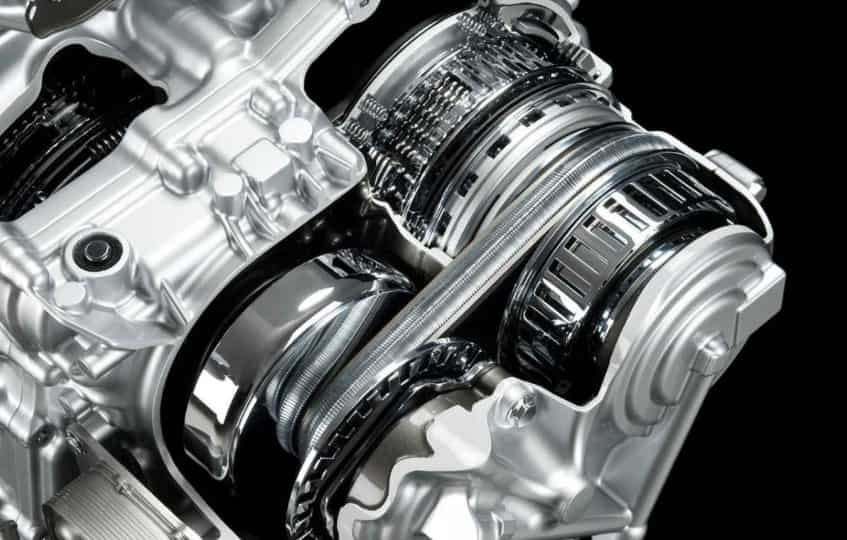
For many Nissan owners and car buyers, one question continues to create confusion: when did Nissan stop using CVT transmissions? Over the years, Nissan has become one of the most recognized automotive brands associated with Continuously Variable Transmission technology. The company introduced CVTs across many popular models because they offered improved fuel efficiency, smoother acceleration, and a more efficient driving experience compared with traditional automatic transmissions.
However, concerns about reliability, repair costs, and long term ownership experiences have caused many drivers to wonder whether Nissan has moved away from CVT technology completely. Some buyers believe Nissan stopped using CVT transmissions, while others notice that many current Nissan vehicles still feature this type of gearbox.
The reality is more complex. Nissan did not completely abandon CVT transmissions. Instead, the company has continued evolving its transmission strategy by improving CVT technology, introducing alternative systems in selected models, and adapting to changing customer expectations. Understanding Nissan’s CVT history helps buyers make better decisions when choosing a new or used vehicle.
In this guide, we will explore the complete history of Nissan CVT evolution, explain why Nissan adopted this technology, examine the reasons behind changing transmission strategies, and reveal which Nissan models still use CVT transmissions today.
The Early History of Nissan CVT Adoption
Nissan’s connection with CVT technology started decades ago. The company began researching continuously variable transmissions to improve fuel efficiency and driving comfort. During the late 20th century, many automakers searched for better alternatives to traditional automatic transmissions.
CVT technology became an attractive solution. It allowed engines to operate more efficiently without relying on fixed gear changes. Unlike conventional automatic transmissions, CVTs could adjust the gear ratio continuously. This created smoother acceleration and improved fuel economy.
Nissan introduced its first CVT systems in Japan during the 1990s. The technology was initially used in smaller vehicles. These cars benefited from better efficiency and easier city driving. Nissan saw CVT as a way to meet growing demands for economical vehicles.
Over time, Nissan expanded CVT usage across more models. Popular vehicles such as the Nissan Murano, Nissan Altima, Nissan Rogue, and Nissan Sentra received CVT options in different markets. The company believed CVT technology could deliver a balance between performance and efficiency.
The main advantage was fuel savings. CVTs helped engines stay within their most efficient operating range. This was especially useful during daily commuting and urban driving. Drivers also experienced smoother acceleration because there were no traditional gear shifts.
However, wider CVT adoption created new challenges. Some Nissan owners reported concerns about transmission reliability. Common complaints included overheating, delayed acceleration, unusual noises, and expensive repairs. These issues affected public opinions about Nissan CVT transmissions.
Despite these concerns, Nissan did not immediately abandon CVT technology. The company continued improving its systems while exploring different transmission solutions. Nissan’s CVT journey was not about replacing the technology completely. It was about adapting to changing customer needs and automotive trends.
Why Nissan Became Closely Associated With CVT Transmissions
Nissan became one of the automotive brands most strongly connected with CVT transmissions. The reason was simple. The company invested heavily in CVT technology when many competitors were still focused on traditional automatic gearboxes.
During the 2000s, Nissan increased CVT adoption across its global vehicle lineup. The company wanted to improve fuel efficiency and meet stricter emissions standards. CVT transmissions offered an effective solution because they helped engines run at their most efficient speed more often.
One major factor behind Nissan’s CVT strategy was the growing demand for fuel efficient vehicles. Many customers were looking for affordable cars with lower operating costs. Nissan used CVT technology to improve fuel economy without making vehicles more expensive. This approach helped the company compete in markets where efficiency became a key buying factor.
Nissan also developed advanced CVT systems through its subsidiary, JATCO. The company became one of the world’s largest suppliers of automatic transmissions and continuously variable transmissions. This partnership allowed Nissan to equip many models with CVT technology across different vehicle segments.
Vehicles such as the Nissan Altima, Nissan Rogue, Nissan Sentra, and Nissan Pathfinder helped make Nissan CVTs widely recognized. These models became popular choices among drivers who wanted comfort, efficiency, and practical daily transportation.
However, Nissan’s strong focus on CVT technology also created a challenge. Because so many Nissan vehicles used CVTs, any reliability concerns received significant attention from owners and automotive communities. Problems reported by some drivers influenced the overall reputation of Nissan CVT transmissions.
The connection between Nissan and CVT technology became both an advantage and a challenge. The technology helped Nissan achieve better fuel economy and smoother driving characteristics. At the same time, customer expectations for durability continued to increase.
Understanding this relationship explains why many people still ask when Nissan stopped using CVT transmissions. The answer requires looking at Nissan’s gradual transmission evolution rather than a single change.
Did Nissan Actually Stop Using CVT Transmissions?
One of the biggest misunderstandings about Nissan and CVT technology is the belief that the company completely stopped using CVT transmissions. In reality, Nissan has not fully abandoned CVT systems. Instead, the company has changed how and where it uses this technology.
Nissan continues to offer CVT transmissions in many vehicles because they still provide important advantages. A CVT can improve fuel economy, create smooth acceleration, and support efficient everyday driving. These benefits remain valuable for compact cars, sedans, and many crossover vehicles.
However, Nissan has also introduced different transmission solutions in selected models. The company has adjusted its approach based on vehicle type, customer expectations, and changing automotive trends. Some larger vehicles and performance focused models have moved toward traditional automatic transmissions or other advanced systems.
The shift in Nissan’s transmission strategy was influenced by several factors. Customer concerns about CVT durability played an important role. Some drivers experienced issues related to overheating, maintenance costs, and long term reliability. These concerns affected the reputation of Nissan CVT transmissions, especially in certain model years.
Another factor was the development of new automotive technologies. Hybrid systems, electric vehicles, and advanced automatic transmissions have changed how manufacturers design modern vehicles. Nissan has focused on technologies such as e Power hybrid systems and electrification while continuing to improve existing transmission options.
The idea that Nissan stopped using CVT transmissions is therefore inaccurate. The company did not completely remove CVT technology from its lineup. Instead, Nissan has refined its strategy and continues using CVTs where they provide the best balance of efficiency and performance.
For buyers, the important question is not whether Nissan abandoned CVTs. The better question is which Nissan models use CVT technology, how reliable those systems are, and whether a specific vehicle matches their driving needs.
Nissan CVT Problems and Reliability Concerns
Nissan CVT transmissions became widely used because of their efficiency and smooth operation. However, they also became the subject of many reliability discussions. Some owners reported transmission problems that affected the public image of Nissan CVT technology.
One common concern was overheating. CVT systems rely on specialized components and transmission fluid to operate correctly. Under heavy use, poor maintenance, or extreme driving conditions, some CVT units experienced increased heat levels. Excessive heat could reduce performance and contribute to premature wear.
Another issue involved acceleration performance. Some drivers reported delayed responses, hesitation, or unusual engine behavior during acceleration. These experiences created frustration because drivers expected consistent performance from their vehicles.
Maintenance also became an important topic among Nissan CVT owners. Unlike traditional automatic transmissions, CVTs require proper care and the correct transmission fluid. Neglecting regular maintenance could increase the risk of problems and expensive repairs. Many experts recommend following Nissan’s maintenance schedule to help protect CVT performance.
Certain Nissan models received more attention because of reported transmission complaints. The Nissan Altima, Nissan Rogue, and Nissan Sentra were among the vehicles frequently discussed in online automotive communities. However, reliability can vary depending on the model year, driving habits, maintenance history, and repair quality.
It is also important to understand that not every Nissan CVT transmission experiences problems. Many owners have driven Nissan vehicles equipped with CVTs for years without major issues. Improvements in design, software control, and manufacturing processes have helped Nissan continue developing its CVT technology.
The reputation of Nissan CVT transmissions is a result of both positive and negative experiences. The technology offers benefits such as efficiency and smooth operation. At the same time, buyers should research specific models and years before making a purchase decision.
For used car buyers, understanding the history of Nissan CVT reliability can help avoid unexpected repair costs. A detailed inspection, service record review, and proper maintenance history are essential before choosing a Nissan vehicle with a CVT transmission.
Nissan Models That Still Use CVT Transmissions
Although many people search for when Nissan stopped using CVT transmissions, the company still uses CVT technology in several vehicles. Nissan has not removed CVTs from its lineup. Instead, the manufacturer continues using them in models where efficiency and smooth driving are key priorities.
The Nissan Sentra is one of the most recognized Nissan vehicles equipped with a CVT transmission. As a compact sedan, the Sentra benefits from CVT technology because it focuses on fuel economy, comfort, and affordable daily transportation. The CVT helps the engine deliver smooth power while supporting efficient commuting.
The Nissan Altima is another well known model associated with CVT technology. For many years, the Altima used CVT systems to compete in the midsize sedan market. The transmission helped improve fuel efficiency and provided a relaxed driving experience for customers who prioritized comfort.
The Nissan Rogue, one of Nissan’s most popular SUVs, has also used CVT technology in many model years. Compact SUV buyers often value fuel economy and easy driving characteristics. A CVT supports these needs by providing smooth acceleration during city driving and highway cruising.
Some Nissan crossover models have also used CVT transmissions because of their focus on practicality and efficiency. These vehicles are designed for families and everyday drivers who want lower fuel costs and comfortable operation.
However, Nissan’s transmission choices continue to change. Newer vehicle platforms, hybrid technology, and electrification trends have influenced how Nissan designs future vehicles. Some models may use different transmission systems depending on performance goals and market requirements.
For buyers, the most important factor is not simply whether a Nissan vehicle has a CVT. The model year, maintenance history, driving conditions, and ownership habits all influence long term reliability.
A Nissan CVT can be a suitable choice for many drivers when properly maintained. Understanding which models use CVT technology allows buyers to make informed decisions and choose a vehicle that matches their expectations.
The Future of Nissan CVT Technology and Transmission Strategy
The future of Nissan CVT transmissions is connected to the company’s broader approach to automotive innovation. While CVT technology remains important for many Nissan vehicles, the automotive industry is moving toward electrification, hybrid systems, and more advanced transmission solutions.
Nissan has invested heavily in electric vehicle and hybrid technology. Systems such as Nissan e Power show the company’s focus on improving efficiency through electrified powertrains. These technologies reduce the traditional dependence on conventional transmissions because electric motors deliver power differently from gasoline engines.
However, this does not mean CVT transmissions will disappear immediately. CVTs still offer advantages in vehicles where fuel economy, smooth operation, and affordable ownership are major priorities. For compact cars and everyday crossover models, CVT technology continues to provide practical benefits.
Nissan’s future transmission strategy will likely depend on vehicle type and customer demand. Performance focused vehicles may require different solutions that provide stronger acceleration and a more engaging driving experience. Family vehicles and economy focused models may continue using CVT systems because efficiency remains a key factor for many buyers.
Another important area is CVT improvement. Modern CVT systems have benefited from better software controls, improved materials, and enhanced cooling systems. These updates help address some of the concerns associated with earlier CVT designs.
For consumers, the question is no longer simply whether Nissan uses CVT transmissions. The more important question is whether a specific Nissan model uses the right transmission technology for its purpose. A well maintained CVT can provide reliable service, while newer electrified systems may offer different advantages.
Nissan’s transmission evolution shows that the company is not moving in one direction only. Instead, Nissan is combining multiple technologies to meet changing market demands. CVT transmissions remain part of this strategy, but their role continues to evolve as the automotive industry changes.
What Should Buyers Know Before Choosing a Nissan With CVT?
Choosing a Nissan vehicle with a CVT transmission requires more than simply asking whether CVT technology is reliable. Buyers should understand how the transmission works, which model they are considering, and how previous owners maintained the vehicle.
The first factor to consider is the vehicle’s maintenance history. CVT transmissions depend on proper fluid condition and regular servicing. A Nissan with complete service records is usually a safer choice than a vehicle with unknown maintenance history. Buyers should check whether the transmission received the recommended care throughout its ownership.
The second factor is the specific model year. Nissan has used CVT technology across many vehicles and generations. Improvements have been made over time, but reliability can vary between different models and production years. Researching the exact vehicle before purchase can help buyers understand potential concerns.
Driving habits also influence CVT performance. CVTs are designed for smooth and efficient driving. They work well for commuting, highway travel, and normal daily use. However, frequent heavy towing, aggressive acceleration, or extreme driving conditions can place additional stress on the transmission.
A professional inspection is another important step when buying a used Nissan with a CVT. A qualified mechanic can check for warning signs such as unusual sounds, delayed engagement, fluid issues, or previous repair work.
Despite concerns about some Nissan CVT models, these transmissions still offer several benefits. They can provide excellent fuel economy, smooth acceleration, and comfortable everyday driving. Many Nissan owners have experienced reliable performance when their vehicles receive proper maintenance.
The decision should be based on accurate information rather than general opinions. Nissan did not completely stop using CVT transmissions. Instead, the company continues to use and develop this technology while introducing new solutions for different vehicle needs.
For buyers who understand the advantages and limitations of CVT technology, a Nissan equipped with this transmission can still be a practical and efficient choice.
Conclusion: Did Nissan Stop Using CVT Transmissions?
So, when did Nissan stop using CVT transmissions? The answer is that Nissan did not completely stop using CVT technology. Instead, the company has continued evolving its transmission strategy to match changing customer expectations and automotive trends.
Nissan introduced CVT systems to improve fuel efficiency, provide smoother acceleration, and create more economical vehicles. Over the years, CVT technology became a major part of Nissan’s lineup and was used in popular models such as the Altima, Rogue, and Sentra.
However, concerns about reliability, maintenance costs, and ownership experiences affected the public perception of Nissan CVT transmissions. These challenges encouraged Nissan to improve its technology and explore additional solutions, including hybrid and electric powertrain systems.
Today, Nissan continues using CVT transmissions in selected vehicles where efficiency and comfort remain important. The company has not abandoned CVT technology but has adjusted how it applies this system across its vehicle range.
For buyers, the most important consideration is not whether a Nissan has a CVT. The better approach is to research the specific model, understand its maintenance requirements, and evaluate its reliability history.
Nissan’s CVT journey represents a larger shift in the automotive industry. Transmission technology continues to evolve, and Nissan’s approach reflects the balance between efficiency, reliability, and future innovation.