
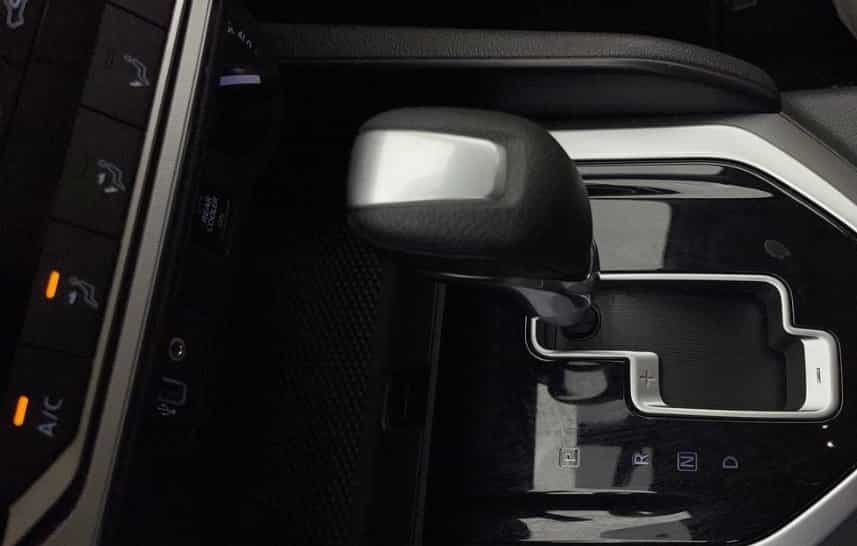
Choosing a Nissan vehicle often comes with an important question: which Nissan models have a CVT transmission, and is this technology reliable for long term ownership? As more drivers look for better fuel efficiency, smoother performance, and lower running costs, Nissan has expanded the use of its Xtronic CVT transmission across many popular cars and SUVs.
Nissan CVT technology has become a key feature in models such as the Altima, Sentra, Rogue, Versa, and other vehicles designed for everyday driving. However, many buyers still have concerns about CVT durability, maintenance costs, repair expenses, and whether a Nissan with a CVT is the right choice for their needs.
This complete guide explains which Nissan models use a CVT transmission, how Nissan Xtronic CVT technology works, and what owners should know before buying a new or used vehicle. You will also learn about Nissan CVT reliability, common transmission concerns, maintenance recommendations, and important buying tips.
Whether you are searching for a fuel efficient sedan, a practical family SUV, or a reliable used Nissan vehicle, understanding the transmission system can help you make a smarter decision. By the end of this guide, you will have a clearer picture of Nissan CVT models and whether they match your driving expectations.
What Is a CVT Transmission and Why Does Nissan Use It?
A CVT transmission, or Continuously Variable Transmission, is an automatic transmission system that uses a belt and pulley mechanism instead of traditional fixed gears. Unlike conventional automatic transmissions that shift between a set number of gears, a CVT can continuously adjust the gear ratio to keep the engine operating at its most efficient level.
Nissan uses CVT technology because it helps improve fuel economy, provides smoother acceleration, and creates a more comfortable driving experience for daily commuters. The company’s Xtronic CVT has become one of the most recognizable transmission systems in Nissan vehicles, especially in compact cars, sedans, and crossover SUVs.
The main difference between a CVT and a traditional automatic transmission is the way power is delivered. A conventional automatic gearbox changes gears in noticeable steps, while a CVT provides seamless power delivery without traditional gear shifts. This allows the engine to maintain an ideal RPM range, which can reduce unnecessary fuel consumption during city driving and highway cruising.
Nissan introduced Xtronic CVT technology as part of its strategy to create more efficient vehicles without sacrificing everyday drivability. The system is designed to balance performance, comfort, and fuel savings, making it suitable for drivers who prioritize practicality and lower ownership costs.
However, like any mechanical system, a CVT transmission requires proper maintenance to perform reliably. Regular service, using the correct CVT fluid, and following Nissan’s maintenance recommendations play an important role in extending transmission life and preventing potential problems.
Which Nissan Models Have a CVT Transmission?
Nissan has used CVT transmission technology in many of its popular vehicles to improve fuel efficiency, driving comfort, and overall performance. The brand’s Xtronic CVT system is designed to provide smooth power delivery by continuously adjusting the gear ratio instead of using traditional fixed gears. This allows Nissan vehicles to maintain efficient engine performance in different driving conditions.
Several Nissan models are equipped with CVT transmissions, including popular sedans and SUVs. The Nissan Altima uses an Xtronic CVT to deliver a comfortable and fuel efficient driving experience, making it a common choice for commuters and families. The Nissan Sentra also features CVT technology, offering excellent fuel economy and affordable ownership costs in the compact sedan segment. For drivers seeking an economical option, the Nissan Versa provides CVT performance with a focus on practicality and low running expenses.
Nissan also offers CVT transmissions in several crossover SUVs. The Nissan Rogue is one of the brand’s most recognized CVT equipped vehicles, combining family friendly space with efficient performance. Other models, such as the Nissan Kicks and previous Nissan Murano versions, have also used CVT technology depending on the model year and market.
While Nissan CVT transmissions provide benefits such as smooth acceleration and improved fuel economy, proper maintenance is essential for long term reliability. Regular CVT fluid service and responsible driving habits can help maximize transmission lifespan. Understanding which Nissan models have a CVT transmission allows buyers to choose a vehicle that matches their needs, budget, and expectations.
Nissan Sedans With CVT Transmission
Nissan Altima
The Nissan Altima is one of the most well known Nissan models equipped with an Xtronic CVT transmission. As a midsize sedan designed for commuters and families, the Altima combines comfortable driving dynamics with strong fuel economy, making it a popular choice among drivers who spend significant time on the road.
The CVT system in the Nissan Altima helps deliver smooth acceleration by continuously adjusting the engine’s power output without traditional gear changes. This design allows the engine to operate efficiently during both city driving and highway cruising. Many Altima models also offer advanced driver assistance features, a spacious interior, and available all wheel drive, which makes the vehicle more versatile in different driving conditions.
One of the biggest advantages of the Altima’s CVT setup is its ability to provide a relaxed driving experience. Drivers who prioritize comfort and fuel savings often appreciate the smooth power delivery compared with traditional automatic transmissions. However, proper maintenance remains essential because neglecting CVT fluid service can increase the risk of performance issues over time.
Nissan Sentra
The Nissan Sentra is another popular Nissan sedan that uses a CVT transmission in many recent model years. Positioned as a compact car, the Sentra focuses on affordability, efficiency, and practicality for daily transportation.
The Sentra’s CVT helps maximize fuel economy by keeping the engine within an efficient operating range. This makes it an attractive option for drivers who want a budget friendly vehicle with lower fuel costs. The transmission also contributes to a smoother driving experience, especially during stop and go traffic in urban environments.
Beyond efficiency, the Nissan Sentra appeals to buyers who want modern technology, comfortable seating, and reasonable ownership costs. For many drivers, the combination of a reliable compact design and CVT efficiency makes the Sentra a practical choice for commuting and everyday driving.
However, potential buyers should always review the maintenance history when purchasing a used Sentra with a CVT transmission. A well maintained vehicle with regular CVT fluid service is more likely to provide a better ownership experience.
Nissan Versa
The Nissan Versa is one of the most affordable Nissan vehicles available with CVT technology. Designed as an entry level sedan, the Versa focuses on providing excellent value, strong fuel economy, and practical transportation for budget conscious drivers.
The CVT transmission helps the Versa achieve efficient performance by smoothly managing engine power without unnecessary gear changes. This is especially beneficial for drivers who mainly use their vehicle for commuting, city driving, and daily errands.
Although the Versa is smaller and less powerful than models such as the Altima, its simplicity and low operating costs make it appealing to first time car buyers and drivers looking for economical transportation. The combination of a compact design and CVT efficiency allows the Versa to compete strongly in the affordable sedan segment.
As with other Nissan CVT models, regular maintenance is important for long term reliability. Owners who follow recommended service schedules can help ensure smoother performance and reduce the possibility of expensive transmission repairs.
Nissan SUVs and Crossovers With CVT Transmission
Nissan offers several SUVs and crossover models with CVT transmissions. These vehicles combine smooth performance, good fuel economy, and practical designs for everyday driving. Many buyers choose Nissan SUVs with CVT technology because they want more space without sacrificing efficiency.
Nissan Rogue
The Nissan Rogue is one of the most popular Nissan SUVs with an Xtronic CVT transmission. It provides a comfortable ride, a spacious interior, and strong fuel efficiency for families and daily commuters.
The CVT helps the Rogue deliver smooth acceleration by adjusting power output continuously. This system allows the engine to work efficiently during city driving and highway trips. Many drivers also appreciate the Rogue’s advanced safety features, flexible cargo space, and comfortable seating.
Regular maintenance remains important for Nissan Rogue owners. Changing the CVT fluid at the recommended interval can help maintain transmission performance and reduce potential issues.
Nissan Kicks
The Nissan Kicks is a compact crossover designed for affordable and efficient transportation. Its CVT transmission supports smooth driving and helps improve fuel economy during daily commutes.
The Kicks works well for urban drivers because of its compact size and easy handling. It offers modern technology, practical features, and lower ownership costs compared with larger SUVs.
Nissan Murano
The Nissan Murano is a midsize crossover that uses CVT technology in many model years. It focuses on comfort, quiet performance, and a premium driving experience.
The CVT provides smooth power delivery, making the Murano suitable for long trips and relaxed highway driving. Proper maintenance helps owners enjoy better reliability and longer transmission life.
Nissan CVT Reliability: Are Nissan CVT Transmissions Good?
Nissan CVT reliability is one of the most common concerns among buyers who consider purchasing a Nissan vehicle. Many drivers recognize the benefits of CVT technology, but they also want to understand potential problems, maintenance needs, and long term durability before making a decision.
Modern Nissan CVT transmissions offer several advantages for everyday driving. The Xtronic CVT system provides smooth acceleration, improves fuel efficiency, and helps the engine maintain an efficient operating range. These benefits make Nissan CVT equipped vehicles popular among commuters, families, and drivers who want lower fuel costs.
However, CVT reliability depends on proper maintenance and driving habits. Nissan owners should follow recommended service intervals and use the correct CVT fluid for their vehicle. Regular maintenance helps reduce wear and supports better transmission performance over time.
Older Nissan CVT models received criticism because some owners reported issues such as overheating, hesitation, and reduced acceleration. These concerns affected public perception of Nissan CVT transmissions. However, Nissan has continued to improve its CVT technology through software updates, better components, and improved cooling systems in newer vehicles.
A well maintained Nissan with a CVT transmission can provide a reliable ownership experience. Buyers should research the specific model year, review maintenance records, and complete a professional inspection before purchasing a used Nissan vehicle.
Overall, Nissan CVT transmissions can be a good choice for drivers who understand their maintenance requirements and choose a model that matches their driving needs.
Common Nissan CVT Problems and How to Prevent Them
Although Nissan CVT transmissions offer smooth performance and good fuel efficiency, some owners have experienced transmission related issues. Understanding these common problems can help drivers identify warning signs early and protect their vehicle from expensive repairs.
One common Nissan CVT problem is overheating. A CVT transmission generates heat during operation, especially in heavy traffic, hot weather, or demanding driving conditions. Excessive heat can affect transmission performance and may cause reduced power or warning messages.
Another issue some drivers report is delayed acceleration. A vehicle with CVT problems may hesitate when the driver presses the accelerator. The engine may increase speed while the vehicle responds slowly. This symptom can indicate a need for inspection and professional diagnosis.
Some Nissan owners also notice unusual vibrations or shuddering during acceleration. A healthy CVT should provide smooth power delivery. If the vehicle feels unstable or produces unusual sounds, drivers should check the transmission system as soon as possible.
Proper maintenance can prevent many Nissan CVT problems. Owners should change the CVT fluid according to Nissan’s recommended service schedule. Using the correct fluid type helps protect internal components and maintain smooth operation.
Driving habits also affect CVT lifespan. Avoiding excessive towing, aggressive acceleration, and unnecessary stress on the transmission can improve durability. Regular inspections allow drivers to detect small issues before they become major repairs.
A Nissan CVT transmission requires proper care, but responsible ownership can significantly improve reliability. Understanding common problems and following maintenance guidelines helps drivers enjoy a smoother and more dependable driving experience.
How Long Does a Nissan CVT Transmission Last?
The lifespan of a Nissan CVT transmission depends on several factors, including maintenance, driving habits, vehicle usage, and model year. With proper care, many Nissan CVT transmissions can provide reliable performance for many years and thousands of miles.
A well maintained Nissan CVT can often last around 150,000 miles or more. Some vehicles may achieve longer service life when owners follow recommended maintenance schedules and drive responsibly. Regular CVT fluid changes play an important role in protecting internal transmission components and maintaining smooth operation.
Driving conditions also affect CVT durability. Vehicles that frequently operate in heavy traffic, extreme temperatures, or demanding conditions may experience more stress on the transmission system. Drivers who regularly tow heavy loads or use aggressive acceleration can increase transmission wear over time.
Maintenance history is especially important when buying a used Nissan with a CVT transmission. A vehicle with consistent service records usually provides better confidence than one with unknown maintenance history. Buyers should check whether the previous owner completed CVT fluid services and followed Nissan’s recommended maintenance intervals.
The specific Nissan model and production year can also influence CVT performance. Newer Nissan vehicles often include improvements in software, cooling systems, and transmission components compared with older generations.
Overall, a Nissan CVT transmission can offer dependable performance when owners provide proper care. Regular maintenance, responsible driving, and choosing the right vehicle model are key factors that help extend CVT lifespan and improve ownership satisfaction.
Nissan CVT Maintenance Guide
Proper maintenance plays an important role in keeping a Nissan CVT transmission reliable and efficient. Unlike traditional automatic transmissions, CVT systems use specialized components and require specific care to maintain smooth performance over time.
One of the most important maintenance tasks is changing the CVT fluid at the recommended interval. Nissan CVT fluid helps reduce friction, control heat, and protect internal transmission parts. Using the correct fluid type is essential because standard automatic transmission fluid may not provide the protection a CVT system needs.
The recommended CVT fluid change interval can vary depending on the Nissan model, driving conditions, and market requirements. Drivers who frequently experience heavy traffic, extreme temperatures, or long periods of stop and go driving should pay closer attention to maintenance schedules.
Regular inspections can also help identify potential problems early. Drivers should watch for warning signs such as unusual noises, delayed acceleration, vibration, or changes in driving performance. A professional inspection can help detect transmission issues before they become more expensive repairs.
Driving habits also influence CVT lifespan. Smooth acceleration, avoiding unnecessary stress, and allowing the vehicle to warm up properly can support better transmission performance. Owners should also avoid modifications that place additional pressure on the CVT system.
Following Nissan’s maintenance recommendations helps protect the transmission and improves long term ownership value. A well maintained Nissan CVT can deliver smooth driving, strong fuel efficiency, and reliable performance throughout the vehicle’s lifespan.
Nissan CVT vs Traditional Automatic Transmission
Choosing between a Nissan CVT transmission and a traditional automatic transmission depends on driving preferences, maintenance expectations, and vehicle usage. Both systems deliver automatic operation, but they use different methods to transfer engine power to the wheels.
A CVT transmission uses a belt and pulley system to create a continuous range of gear ratios. This design allows the engine to stay within an efficient operating range. Nissan CVT models often provide better fuel economy and smoother acceleration because the transmission does not need to shift between fixed gears.
A traditional automatic transmission uses a set number of gears. The system changes between these gears during acceleration and driving. Many drivers prefer this setup because it provides a more familiar driving feel with noticeable gear changes.
Fuel efficiency is one of the biggest advantages of Nissan CVT technology. The transmission helps reduce unnecessary engine strain and supports better mileage in many driving situations. Traditional automatic transmissions can offer stronger performance for drivers who prefer a more responsive feel, especially during aggressive driving.
Maintenance requirements also differ between the two systems. Nissan CVT transmissions require specific CVT fluid and proper service intervals. Traditional automatic transmissions may feel more familiar to some mechanics and drivers, but they still need regular maintenance.
For daily commuting, city driving, and fuel conscious buyers, a Nissan CVT can be an excellent choice. Drivers who prefer sporty performance or traditional shifting behavior may feel more comfortable with a conventional automatic transmission.
Understanding the differences between Nissan CVT and traditional automatic transmissions helps buyers choose a vehicle that matches their driving style and ownership expectations.
Should You Buy a Nissan With a CVT Transmission?
Buying a Nissan with a CVT transmission can be a smart choice for many drivers, but the right decision depends on your driving needs, budget, and expectations. Nissan CVT models offer several benefits, including better fuel economy, smooth acceleration, and comfortable daily performance.
For drivers who use their vehicle mainly for commuting, family transportation, and regular highway trips, a Nissan with a CVT can provide an efficient and enjoyable driving experience. Models such as the Nissan Rogue, Nissan Altima, Nissan Sentra, and Nissan Kicks offer practical features with the advantages of CVT technology.
Fuel efficiency is one of the strongest reasons many buyers choose Nissan CVT vehicles. The transmission helps the engine operate efficiently, which can reduce fuel costs over time. This benefit is especially valuable for drivers who spend many hours on the road.
However, buyers should understand that Nissan CVT vehicles require proper maintenance. Regular CVT fluid service and responsible driving habits play an important role in long term reliability. Drivers who ignore maintenance schedules may increase the risk of transmission problems.
A Nissan with a CVT may not be the best option for drivers who prefer sporty driving, frequent towing, or the traditional feeling of gear changes. In these situations, a vehicle with a conventional automatic transmission may better match their preferences.
Overall, a Nissan CVT transmission can be a reliable and practical choice when buyers select the right model and maintain it properly. Researching the specific vehicle year, checking service records, and completing a professional inspection can help ensure a better ownership experience.
Tips for Buying a Used Nissan With CVT Transmission
Buying a used Nissan with a CVT transmission requires careful research before making a decision. A vehicle’s condition, maintenance history, and previous ownership habits can have a major impact on long term reliability.
The first step is checking the vehicle’s maintenance records. A well maintained Nissan CVT should have regular service history, including CVT fluid changes and routine inspections. These records provide valuable information about how the previous owner cared for the transmission.
A test drive can also reveal important signs about the vehicle’s condition. During the drive, pay attention to acceleration, engine response, and overall performance. A healthy CVT should provide smooth power delivery without unusual noises, hesitation, or vibration.
Buyers should also check the vehicle history report before purchasing a used Nissan. This report can reveal previous accidents, ownership changes, and possible maintenance concerns. A professional mechanic inspection can provide additional confidence and help identify hidden problems.
Choosing the right model year is another important factor. Some Nissan CVT systems have received improvements over time, so buyers should research the specific year and model they want to purchase. Understanding common issues associated with that vehicle can help prevent unexpected repair costs.
A used Nissan with a CVT transmission can offer excellent value when buyers make an informed decision. Careful inspection, proper research, and attention to maintenance history can help you find a reliable vehicle that meets your needs and budget.
Conclusion: Which Nissan Models Have a CVT Transmission?
Understanding which Nissan models have a CVT transmission helps buyers make better decisions when choosing their next vehicle. Nissan uses CVT technology in many popular models, including the Altima, Sentra, Versa, Rogue, Kicks, and other vehicles depending on the model year and market.
Nissan CVT transmissions provide several benefits, such as smooth acceleration, improved fuel efficiency, and comfortable daily driving performance. These advantages make CVT equipped Nissan vehicles attractive options for commuters, families, and drivers who want lower fuel costs.
However, reliability depends on proper maintenance and responsible ownership. Regular CVT fluid service, careful driving habits, and selecting a well maintained vehicle can help improve transmission lifespan. Buyers should also research specific model years and review maintenance records before purchasing a used Nissan with a CVT transmission.
A Nissan CVT can be a practical choice for many drivers who value efficiency and comfort. The key is choosing the right model and understanding its maintenance requirements.
Are you considering buying a Nissan with a CVT transmission? Share the Nissan model you are interested in, and explore its reliability, maintenance needs, and ownership costs before making your final decision.