
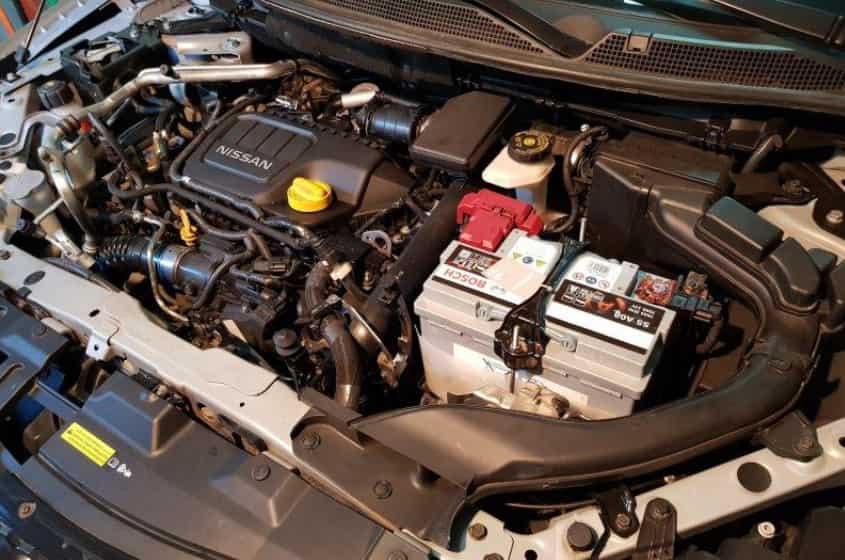
Imagine getting into your Nissan Qashqai in the morning and finding that it will not start. You press the button, but the engine only responds with a weak click. A vehicle that worked perfectly the day before can suddenly leave you stuck.
Nissan Qashqai Battery Problems often appear without clear warning. Many owners experience starting issues, electrical faults, or unexpected battery drain. These problems can happen because of short trips, cold weather, an old battery, or hidden electrical issues.
A failing battery can affect more than engine starting. It can reduce the performance of lights, dashboard systems, and other electrical features. Modern Qashqai models also rely on stable battery power for systems such as Start Stop technology.
Knowing the early warning signs can help you avoid stressful breakdowns. Slow engine cranking, dim headlights, and frequent jump starts often indicate battery trouble. Taking action early can save time, money, and frustration.
This guide explains the most common Nissan Qashqai Battery Problems, their causes, warning signs, and effective solutions. Whether you drive an older Qashqai or a newer model, understanding battery health can help you maintain a safer and more reliable vehicle.
What Are the Most Common Nissan Qashqai Battery Problems?
Nissan Qashqai Battery Problems can appear in different ways, and each symptom can point to a different cause. Some drivers notice slow starting in the morning, while others experience a completely dead battery after leaving the vehicle parked overnight. Understanding these common problems helps owners find the right solution faster.
Nissan Qashqai Battery Keeps Dying
One of the most frustrating issues for Qashqai owners is a battery that repeatedly loses power. A battery may work normally during the day but fail after the vehicle sits unused for several hours.
Several factors can cause this problem. Short journeys may prevent the battery from receiving enough charge from the alternator. Some electrical components may also continue using power when the engine is off. This hidden power loss can slowly drain the battery.
Drivers often notice this issue when the car needs a jump start more than once. If the battery keeps dying after a recharge, the problem may not come from the battery itself. A faulty alternator, damaged wiring, or an electrical fault could also affect the charging system.
Nissan Qashqai Won’t Start Because of Battery Failure
A Nissan Qashqai that refuses to start often has a weak or damaged battery. Many owners first notice warning signs before complete failure happens.
A slow engine crank is one of the earliest symptoms. The starter motor may turn more slowly because the battery cannot provide enough power. Some drivers may also hear a clicking sound when they press the start button.
Other signs include dim interior lights, a blank dashboard display, or electronic features that stop working properly. These problems usually mean the battery cannot maintain enough voltage to support the vehicle’s systems.
Replacing an old battery can often solve these starting issues. However, drivers should check the charging system first because a weak alternator can create similar symptoms.
Nissan Qashqai Battery Warning Light Appears
The battery warning light on the dashboard does not always mean the battery itself has failed. This warning usually indicates a problem with the vehicle’s charging system.
When this light appears, the alternator may not produce enough power to recharge the battery while driving. Loose battery connections, damaged cables, or electrical problems can also trigger the warning.
Ignoring this warning can lead to a sudden breakdown. If the battery loses power while driving, important electrical systems may stop working correctly. Checking the issue early can prevent more expensive repairs.
Nissan Qashqai Start Stop System Problems
Many newer Nissan Qashqai models use Start Stop technology to improve fuel efficiency. This system requires a battery that can handle frequent engine restarts.
A weak battery can cause the Start Stop feature to stop working. Some drivers think the system has a software problem, but the battery often causes the issue.
Vehicles with Start Stop technology usually need an EFB or AGM battery instead of a standard battery. Installing the wrong battery type can reduce performance and shorten battery life.
Signs Your Nissan Qashqai Battery Needs Replacement
A Nissan Qashqai battery usually shows warning signs before it completely fails. Recognizing these symptoms early can help drivers avoid sudden breakdowns and expensive repairs.
One common sign is slow engine starting. If the engine takes longer to turn over after pressing the start button, the battery may not provide enough power. Many drivers ignore this issue because the vehicle still starts, but it often indicates reduced battery performance.
Another warning sign is dim headlights or unusual electrical behavior. A weak battery can affect dashboard displays, interior lights, infotainment systems, and other electronic features. However, drivers should also check the alternator because charging problems can create similar symptoms.
Frequent jump starts are another clear indication of battery trouble. A jump start may temporarily restore power, but it does not solve the main issue. If your Nissan Qashqai requires repeated assistance to start, the battery may need replacement.
Modern Qashqai models with Start Stop technology can also show battery-related problems. The system may stop working when the battery cannot maintain enough power. This protects the vehicle but indicates that the battery needs testing.
Battery age also plays an important role. Most car batteries last around three to five years. Regular checks can help owners replace an aging battery before it causes unexpected starting problems.
Why Does a Nissan Qashqai Battery Keep Failing?
A Nissan Qashqai battery can fail for many reasons. In some cases, the battery itself has reached the end of its lifespan. In other situations, external factors prevent the battery from charging or holding power correctly.
Understanding these causes helps drivers find the right solution instead of replacing the battery without fixing the real problem.
Short Driving Trips
Short journeys are one of the most common reasons behind battery problems. During a short drive, the alternator may not have enough time to fully recharge the battery.
Many Qashqai owners use their vehicles for quick trips around town. Over time, repeated short journeys can reduce battery performance and increase the risk of failure.
Cold Weather Conditions
Temperature can have a major effect on battery performance. Cold weather reduces the battery’s ability to deliver power, especially during engine startup.
Drivers may notice more starting problems during winter months. An older battery often struggles more because it cannot store energy as effectively as a new one.
Faulty Alternator
The alternator plays a key role in keeping the Nissan Qashqai battery charged. If the alternator does not produce enough power, the battery may slowly lose charge.
A faulty alternator can create symptoms that look similar to battery failure. These include warning lights, weak electrical systems, and repeated starting problems.
Parasitic Battery Drain
Parasitic drain happens when electrical components continue using power after the engine turns off. This problem can slowly empty the battery while the vehicle remains parked.
Common causes include faulty wiring, damaged electrical components, aftermarket accessories, or lights that stay on accidentally.
Using the Wrong Battery Type
Modern Nissan Qashqai models often require specific battery technology, especially vehicles with Start Stop systems. Using an incorrect battery type can reduce performance and shorten battery life.
Choosing the correct battery specification helps maintain reliable starting performance and supports the vehicle’s electrical systems.
How to Diagnose Nissan Qashqai Battery Problems
Diagnosing Nissan Qashqai Battery Problems requires more than checking if the vehicle starts. Several parts work together to provide power, including the battery, alternator, and electrical system. Finding the real cause helps prevent unnecessary repairs.
The first step is checking the battery voltage. A healthy battery usually shows around 12.6 volts when the engine is off. A lower reading may indicate poor charge levels or reduced battery performance.
Drivers should also inspect the battery terminals. Loose connections or corrosion can interrupt power flow and create starting problems. Cleaning the terminals may improve the connection and restore normal operation.
The alternator should also be tested. It charges the battery while the engine runs. If it cannot provide enough power, the battery may continue losing charge even after driving.
Another important check involves electrical drain. Some components may continue using power after the vehicle turns off. Faulty wiring, interior lights, or aftermarket devices can slowly drain the battery overnight.
Professional battery testing can provide a clearer answer. A technician can check the battery’s ability to store and deliver power under different conditions.
A correct diagnosis helps Nissan Qashqai owners choose the right solution. It can prevent unnecessary battery replacement and identify hidden electrical problems before they become serious.
How Much Does a Nissan Qashqai Battery Replacement Cost?
The cost of replacing a Nissan Qashqai battery depends on several factors, including battery type, vehicle model, and installation fees. Understanding these costs helps owners prepare for maintenance expenses and choose the right replacement option.
A standard replacement battery usually costs less than advanced battery types. However, many newer Qashqai models with Start Stop technology require EFB or AGM batteries. These batteries provide better performance but usually have a higher price.
The average Nissan Qashqai battery replacement cost can range from around $100 to $300 for the battery itself. Professional installation may add extra labour costs depending on the service provider and location.
Choosing the cheapest battery is not always the best option. A low quality battery may fail sooner and create more problems in the future. Drivers should select a battery that matches the vehicle’s specifications and driving conditions.
Battery replacement costs can also increase if the vehicle has additional electrical problems. For example, a faulty alternator or battery drain issue can damage a new battery if the original cause remains unresolved.
Before replacing the battery, owners should confirm the correct battery size, power rating, and technology. A proper replacement can improve starting performance and help prevent future Nissan Qashqai battery problems.
Regular battery checks can also extend battery life. Detecting early signs of weakness allows drivers to replace the battery before a complete failure occurs.
How to Prevent Future Nissan Qashqai Battery Problems
Preventing Nissan Qashqai Battery Problems requires regular care and good driving habits. A well maintained battery can provide better performance and reduce the risk of unexpected starting failures.
One simple way to protect the battery is to avoid frequent short trips. Short journeys may not give the alternator enough time to recharge the battery fully. Taking longer drives occasionally can help maintain a healthier charge level.
Regular battery inspections can also prevent problems. Drivers should check the battery terminals for corrosion, loose connections, or signs of damage. Clean and secure connections allow electricity to flow more efficiently.
Using the correct battery type is another important factor. Modern Nissan Qashqai models with Start Stop technology often need EFB or AGM batteries. Installing the wrong battery can reduce performance and shorten its lifespan.
Drivers should also avoid leaving electrical devices running when the engine is off. Interior lights, chargers, and aftermarket accessories can slowly drain battery power if they remain active for long periods.
A battery maintenance charger can help owners who rarely drive their vehicles. This device keeps the battery at a healthy charge level and reduces the risk of deep discharge.
Finally, regular vehicle servicing can identify charging system issues early. Checking the alternator and electrical system helps prevent problems that could affect battery performance.
With proper maintenance and early attention, Nissan Qashqai owners can improve battery reliability and reduce the chance of unexpected breakdowns.
Frequently Asked Questions About Nissan Qashqai Battery Problems
How long does a Nissan Qashqai battery last?
A Nissan Qashqai battery usually lasts around three to five years. Its lifespan depends on driving habits, weather conditions, battery type, and vehicle usage. Frequent short trips and extreme temperatures can reduce battery life.
Why does my Nissan Qashqai battery keep dying overnight?
A Nissan Qashqai battery may die overnight because of electrical drain, a weak battery, or a charging system problem. Faulty lights, damaged wiring, or electronic devices can continue using power after the vehicle is turned off.
What battery does a Nissan Qashqai need?
The correct battery depends on the Qashqai model, engine type, and available features. Vehicles with Start Stop technology often require EFB or AGM batteries because they handle frequent engine restarts better.
Can a Nissan Qashqai battery be recharged?
Yes, a Nissan Qashqai battery can often be recharged if it has only lost power. However, a battery that cannot hold a charge may need replacement. Testing the battery condition helps determine the right solution.
How do I know if my Nissan Qashqai battery is failing?
Common signs include slow engine starting, dim lights, warning messages, frequent jump starts, and Start Stop system failure. These symptoms usually indicate that the battery needs inspection.
Is a Nissan Qashqai battery problem expensive to fix?
The cost depends on the cause of the problem. A simple battery replacement may be affordable, but electrical faults or alternator issues can increase repair costs. Early diagnosis can help prevent larger expenses.
Conclusion: Managing Nissan Qashqai Battery Problems
Nissan Qashqai Battery Problems can affect daily driving confidence, especially when they cause unexpected starting failures or electrical issues. While a weak battery is often the main cause, other factors such as alternator problems, electrical drain, incorrect battery types, and poor driving habits can also create similar symptoms.
Recognizing early warning signs is the best way to avoid sudden breakdowns. Slow engine starting, dim lights, frequent jump starts, and Start Stop system issues can all indicate that the battery needs attention.
Regular inspections, correct battery selection, and good maintenance habits can help improve battery performance and extend its lifespan. Drivers should also investigate the real cause of battery failure instead of replacing the battery without checking the charging system.
A reliable battery helps your Nissan Qashqai deliver better performance, safer operation, and a more comfortable driving experience. By understanding common battery problems and taking action early, owners can reduce repair costs and avoid unnecessary inconvenience.
Have you experienced Nissan Qashqai Battery Problems with your vehicle? Share your symptoms or solutions in the comments to help other Qashqai owners find the right answer.