The Nissan Qashqai offers a comfortable driving experience and practical performance for daily use. However, manual transmission models can develop clutch issues as they age. Nissan Qashqai clutch problems may affect driving comfort, vehicle performance, and repair costs if owners ignore early warning signs.
Many drivers notice small changes before a clutch failure happens. The vehicle may struggle to change gears, vibrate during acceleration, or produce unusual smells. These symptoms often point to wear inside the clutch system. Common affected components include the clutch disc, pressure plate, release bearing, and dual mass flywheel.
Finding the cause of Nissan Qashqai clutch problems early can help owners avoid larger repair expenses. A worn clutch does not always require an immediate replacement, but delayed action can damage other transmission components.
This guide explains the most common clutch symptoms, the reasons behind these problems, expected repair costs, and practical solutions. Whether you own a Nissan Qashqai or plan to buy a used model, this information can help you understand clutch reliability and make smarter maintenance decisions.
What Are the Most Common Nissan Qashqai Clutch Problems?
Nissan Qashqai clutch problems usually start with small changes in driving behavior. Many owners notice unusual sounds, reduced performance, or difficulty controlling the vehicle before a complete clutch failure occurs. Early detection helps prevent further damage and reduces repair costs.
The clutch system connects the engine power to the transmission. It allows drivers to change gears smoothly and control acceleration. When clutch components wear out, the vehicle may show several warning signs.
Understanding these common issues helps Nissan Qashqai owners take action before the problem becomes more serious.
Nissan Qashqai Clutch Slipping During Acceleration
Clutch slipping is one of the most common Nissan Qashqai clutch problems. It happens when the clutch disc cannot maintain enough grip between the engine and transmission.
Drivers often notice the engine RPM increasing without a matching increase in vehicle speed. The car may feel slow during acceleration, especially when climbing hills or carrying heavy loads.
A worn clutch disc usually causes this problem. The friction material loses its ability to transfer engine power effectively. In some cases, oil contamination or a damaged pressure plate can also reduce clutch performance.
Ignoring clutch slipping can create more heat and accelerate wear. Over time, the vehicle may lose most of its driving power and require a complete clutch replacement.
Difficulty Changing Gears
Another common Nissan Qashqai clutch problem involves gear selection. Drivers may find it difficult to engage first gear, reverse gear, or other manual gears.
This issue often occurs when the clutch does not fully disconnect the engine from the transmission. The driver may feel resistance when moving the gear lever or hear grinding noises during gear changes.
A damaged clutch hydraulic system can also cause this symptom. Low fluid levels, leaks, or problems with the clutch master cylinder and slave cylinder can prevent smooth clutch operation.
Drivers should inspect this problem quickly because continued use can increase stress on the gearbox and create additional repair expenses.
Clutch Judder and Vehicle Vibration
Some Nissan Qashqai owners experience vibration when releasing the clutch pedal. This problem, known as clutch judder, creates an uncomfortable shaking sensation during acceleration.
Several factors can cause clutch judder. A worn clutch plate, uneven pressure plate surface, or damaged dual mass flywheel may affect how smoothly the clutch engages.
Diesel Nissan Qashqai models may experience this issue more often because they produce higher torque levels. The dual mass flywheel helps control vibration, but it can wear out over time.
Replacing worn components early can restore smooth operation and protect other transmission parts from unnecessary stress.
Hard or Soft Clutch Pedal
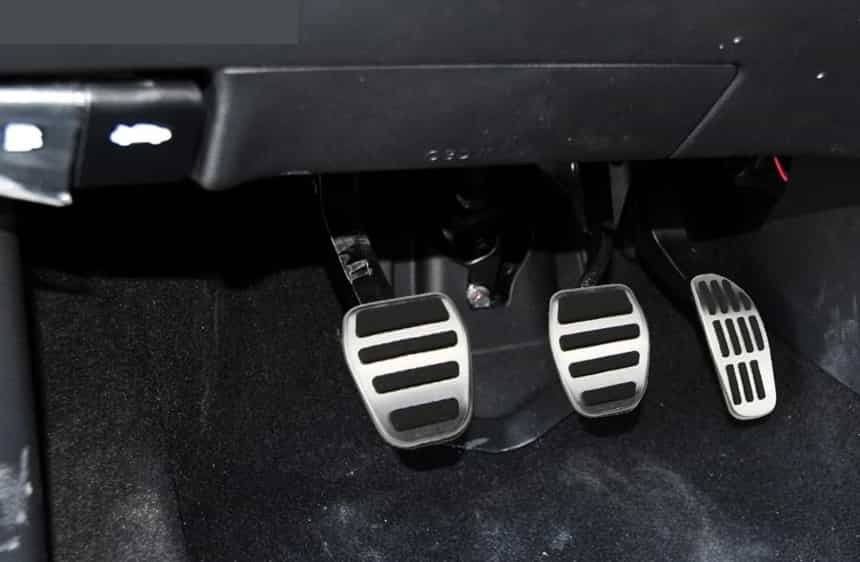
A clutch pedal that feels different from normal can indicate a developing Nissan Qashqai clutch problem. Some drivers notice a heavy pedal that requires extra effort, while others experience a soft pedal that feels less responsive.
A hard clutch pedal often points to wear inside the clutch mechanism. A damaged release bearing, pressure plate, or clutch cable system can increase resistance when pressing the pedal.
A soft clutch pedal usually relates to the hydraulic clutch system. Low hydraulic fluid, air trapped inside the system, or a failing clutch master cylinder can reduce clutch pressure.
Drivers should not ignore changes in pedal feel. The clutch pedal provides important feedback about the condition of the clutch system. Early inspection can help identify problems before they affect gear changes or vehicle safety.
Unusual Noise From the Clutch Area
Strange noises from the clutch area can indicate another common Nissan Qashqai clutch problem. These sounds may appear when drivers press the clutch pedal, release the pedal, or change gears.
A worn release bearing often creates a whining or grinding noise when the clutch pedal is pressed. The noise may disappear when the pedal returns to its original position.
A damaged dual mass flywheel can also create unusual sounds. Drivers may hear knocking, rattling, or vibration from the transmission area, especially during startup or low speed driving.
The clutch system contains several connected components. A problem with one part can affect other parts and increase repair costs. A professional inspection can help identify the exact source of the noise.
Burning Smell From the Clutch
A burning smell is one of the clearest warning signs of excessive clutch wear. Nissan Qashqai owners may notice this smell after heavy traffic driving, hill starts, or repeated clutch slipping.
The smell usually comes from overheating friction material on the clutch disc. When the clutch cannot transfer engine power efficiently, it creates additional heat.
Frequent clutch slipping can shorten clutch lifespan and damage surrounding components. Drivers who regularly hold the vehicle on hills using the clutch may experience faster wear.
Changing driving habits can reduce unnecessary stress on the clutch. Using the handbrake on steep roads and avoiding unnecessary clutch use can help protect the system.
Loss of Power During Driving
A failing clutch can reduce the vehicle’s ability to transfer engine power to the wheels. Drivers may notice weak acceleration even when the engine runs normally.
This problem often appears during overtaking, motorway driving, or when carrying extra passengers. The engine may sound louder, but the vehicle does not respond with the expected speed increase.
A worn clutch disc usually causes this issue. However, other components such as the pressure plate or flywheel may also contribute to power loss.
Drivers should diagnose this problem early because a slipping clutch can eventually leave the vehicle unable to move.
What Causes Nissan Qashqai Clutch Problems?
Nissan Qashqai clutch problems often develop because the clutch system faces constant stress during daily driving. The clutch connects engine power to the transmission, so regular use naturally causes wear over time.
One of the main causes is a worn clutch disc. The friction material on the disc gradually loses its ability to transfer power efficiently. Drivers may notice clutch slipping, slow acceleration, or difficulty changing gears when this happens.
Driving habits also affect clutch lifespan. Frequent clutch slipping, resting a foot on the clutch pedal, and aggressive acceleration can create excessive heat. These actions increase wear on important components such as the clutch disc and pressure plate.
The dual mass flywheel can also contribute to Nissan Qashqai clutch problems, especially on diesel models. A damaged flywheel may cause vibration, unusual noises, and uneven clutch engagement. Mechanics often inspect the flywheel during clutch replacement because both parts work together.
Hydraulic clutch system issues can create similar symptoms. Low fluid levels, leaks, or damaged clutch cylinders may cause a soft pedal or poor gear engagement.
Regular maintenance and better driving techniques can help extend clutch life. Identifying early warning signs allows owners to fix problems before they damage other transmission components.
Nissan Qashqai Clutch Problems by Mileage
The mileage of a Nissan Qashqai can provide useful clues about potential clutch problems. However, clutch lifespan depends on driving habits, maintenance history, and road conditions. Some vehicles may need clutch repairs earlier, while others can run for many more miles with proper care.
Around 50,000 miles, most Nissan Qashqai models should still have a reliable clutch system. However, vehicles that spend a lot of time in city traffic may show early signs of wear. Drivers should watch for clutch slipping, vibration, or changes in pedal response.
At around 100,000 miles, clutch wear becomes more common. The clutch disc may lose friction, and components such as the pressure plate or release bearing may require inspection. Diesel models may also need a dual mass flywheel check because this component can affect clutch performance.
High mileage Nissan Qashqai vehicles need careful evaluation before purchase or repair. A complete service history can reveal previous clutch replacements and maintenance work. Buyers should test the vehicle for smooth gear changes, unusual noises, and acceleration problems.
Mileage alone does not determine clutch condition. A well maintained Nissan Qashqai can continue performing well, while a poorly driven vehicle may develop clutch problems much earlier. Regular inspections help owners identify issues before they become expensive repairs.
How Much Does a Nissan Qashqai Clutch Replacement Cost?
The cost of fixing Nissan Qashqai clutch problems depends on several factors. The vehicle generation, engine type, labour rates, and damaged components all affect the final repair bill.
A standard Nissan Qashqai clutch replacement usually includes a new clutch kit. This kit contains the clutch disc, pressure plate, and release bearing. The total cost also includes labour because mechanics need several hours to access and replace the clutch system.
Many owners spend more on labour than parts because clutch replacement requires removing the transmission. The exact price can vary between repair shops and locations.
Some Nissan Qashqai models may need additional repairs during clutch replacement. A worn dual mass flywheel can increase the total cost because mechanics may recommend replacing it with the clutch. Replacing only the clutch while ignoring a damaged flywheel can lead to future problems.
Owners should also consider the overall condition of the vehicle before approving repairs. A newer Qashqai with a good maintenance history may justify a clutch replacement. An older vehicle with multiple transmission issues may require a more careful cost evaluation.
Regular maintenance and early diagnosis can reduce repair expenses. Fixing minor clutch symptoms
How To Diagnose Nissan Qashqai Clutch Problems
Diagnosing Nissan Qashqai clutch problems early can help owners avoid expensive repairs. Many clutch failures start with small symptoms that drivers can notice during everyday use.
The first sign to check is clutch slipping. Drivers may notice higher engine RPM without a similar increase in speed. This problem usually appears during acceleration, hill climbing, or when carrying heavy loads. A slipping clutch often indicates wear on the clutch disc.
The clutch pedal can also provide important information. A pedal that feels unusually hard, soft, or difficult to press may indicate a problem with the clutch system. Hydraulic issues, worn components, or pressure problems can affect pedal performance.
Gear changes provide another useful clue. A healthy clutch allows smooth gear selection. Difficulty engaging first gear, reverse gear, or other gears may suggest that the clutch does not fully disconnect from the transmission.
Unusual sounds can also reveal possible problems. Grinding, rattling, or clicking noises from the clutch area may point to issues with the release bearing, pressure plate, or dual mass flywheel.
A professional clutch inspection provides the most accurate diagnosis. Mechanics can check the clutch components, hydraulic system, and transmission condition to identify the exact cause.
Drivers should avoid waiting until the clutch completely fails. Early diagnosis can protect other transmission components and reduce overall repair costs.
How To Prevent Nissan Qashqai Clutch Problems
Preventing Nissan Qashqai clutch problems starts with good driving habits and regular maintenance. The clutch is a wear component, but careful use can significantly extend its lifespan.
One of the most important steps is avoiding unnecessary clutch slipping. Drivers should release the clutch pedal smoothly and avoid holding the vehicle on hills using the clutch. Using the handbrake on steep roads reduces pressure on the clutch system.
Drivers should also avoid resting their foot on the clutch pedal while driving. Even light pressure can keep the clutch partially engaged and increase wear on the release bearing and clutch disc.
Regular vehicle servicing can help identify potential issues early. Mechanics can inspect the clutch system, hydraulic fluid, and related transmission components during routine maintenance.
Maintaining the correct hydraulic fluid level is also important for Nissan Qashqai models with hydraulic clutch systems. Low fluid levels or leaks can affect clutch operation and make gear changes more difficult.
Paying attention to early warning signs can prevent major repairs. Symptoms such as clutch slipping, unusual vibrations, strange noises, or changes in pedal feel should receive immediate attention.
A combination of careful driving and regular inspections can help Nissan Qashqai owners reduce clutch wear, improve reliability, and avoid unexpected repair costs.
Frequently Asked Questions About Nissan Qashqai Clutch Problems
How long does a Nissan Qashqai clutch last?
A Nissan Qashqai clutch can last between 50,000 and 100,000 miles or more. The lifespan depends on driving habits, traffic conditions, vehicle maintenance, and how often the clutch experiences heavy use.
What are the first signs of Nissan Qashqai clutch problems?
The first warning signs usually include clutch slipping, difficulty changing gears, unusual vibrations, and changes in clutch pedal feel. Some drivers may also notice burning smells during acceleration.
Can I drive a Nissan Qashqai with a slipping clutch?
Driving with a slipping clutch is possible for a short period, but it can cause further damage. Continued use may increase heat, damage the flywheel, and create higher repair costs.
Does a Nissan Qashqai clutch replacement include the flywheel?
A clutch replacement usually includes the clutch kit, but the flywheel may require separate replacement. Mechanics often inspect the dual mass flywheel because a damaged unit can affect clutch performance.
Are Nissan Qashqai clutch problems common?
Clutch problems can occur in any manual vehicle, including the Nissan Qashqai. Many issues develop from normal wear, driving habits, or component failure rather than a single specific cause.
Conclusion
Nissan Qashqai clutch problems can affect performance, driving comfort, and repair costs when owners ignore early warning signs. Common issues include clutch slipping, difficult gear changes, unusual vibrations, pedal problems, and noise from the clutch area.
Understanding the causes behind these problems helps drivers make better maintenance decisions. Regular inspections, smoother driving habits, and early repairs can extend clutch life and prevent expensive transmission damage.
Whether you already own a Nissan Qashqai or plan to buy a used model, checking the clutch condition should remain an important part of vehicle ownership. Have you experienced Nissan Qashqai clutch problems? Share your symptoms, mileage, and model year to help other owners understand common clutch issues.