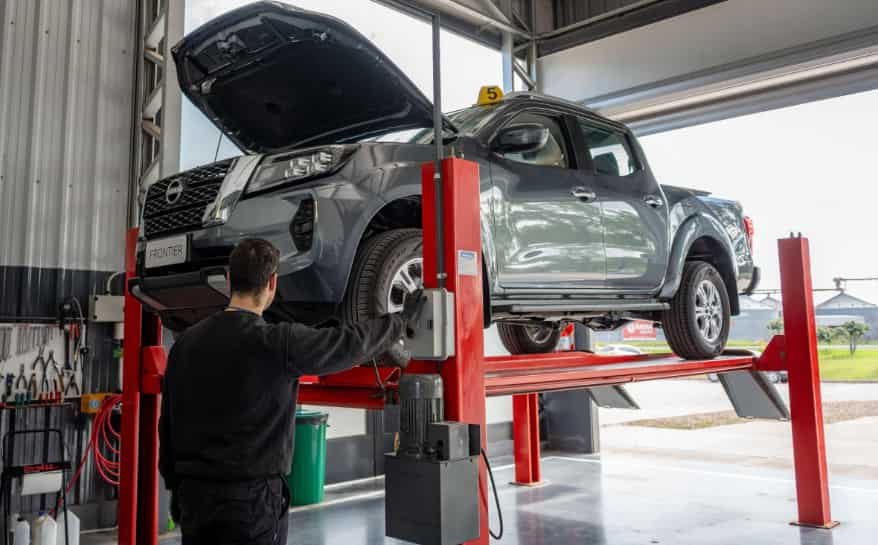
A healthy transmission helps your Nissan Frontier deliver smooth acceleration, responsive shifting, and dependable performance every day. The transmission fluid plays a major role in that process. It lubricates moving parts, transfers hydraulic pressure, controls heat, and reduces wear inside the transmission. Clean fluid also helps every gear change feel smooth and consistent, even when you tow heavy loads or drive in demanding conditions.
Many owners overlook transmission fluid until problems appear. Hard shifting, delayed gear engagement, slipping gears, and unusual noises often develop after the fluid loses its protective properties. Ignoring these warning signs can increase wear and lead to costly transmission repairs. Regular maintenance helps prevent these issues and extends the service life of the transmission.
Choosing the correct transmission fluid for a Nissan Frontier is not as simple as buying any automatic transmission fluid. Nissan has used several transmission designs over the years, and each one may require a different fluid specification. The correct choice depends on the model year, transmission type, and factory recommendations. Using the wrong fluid can reduce shift quality and affect long term reliability.
This guide explains everything you need to know about transmission fluid for the Nissan Frontier. You will learn how to identify the correct fluid, understand transmission fluid capacity, follow the recommended service intervals, and replace the fluid safely. You will also discover common mistakes, practical maintenance tips, and answers to the most frequently asked questions. By the end of this guide, you will have the knowledge to keep your Nissan Frontier transmission operating at its best.
What Transmission Fluid Does a Nissan Frontier Use?
Choosing the correct transmission fluid is one of the most important parts of maintaining a Nissan Frontier. The right fluid keeps internal components lubricated, maintains hydraulic pressure, controls operating temperatures, and supports smooth gear changes. Every transmission relies on a specific fluid formula to deliver the correct friction characteristics. Using the wrong product can reduce performance and increase wear over time. Before buying transmission fluid, always confirm your truck’s model year, transmission type, and the manufacturer’s specifications.
Automatic Transmission Fluid
Most Nissan Frontier models use an automatic transmission that requires a specific Nissan approved fluid. The recommended specification depends on the transmission installed at the factory. Older models and newer generations do not always share the same fluid requirements. For this reason, owners should never assume that one automatic transmission fluid works for every Frontier.
A genuine Nissan transmission fluid offers the friction properties, viscosity, and thermal stability that engineers designed for the transmission. Many high quality aftermarket products also meet Nissan specifications. However, the product label should clearly state compatibility with the required Nissan fluid specification. A universal automatic transmission fluid is not automatically suitable for every Nissan Frontier.
Using an incorrect fluid can create several problems. Drivers may notice rough shifting, delayed gear engagement, transmission slipping, or increased operating temperatures. In severe cases, incorrect fluid may shorten the life of internal clutches, seals, and valve body components. Selecting the correct fluid from the beginning helps prevent unnecessary repairs and keeps the transmission operating efficiently.
Manual Transmission Fluid
Some Nissan Frontier models come with a manual transmission instead of an automatic unit. These transmissions require a completely different lubricant. Manual gearboxes typically use manual transmission fluid or gear oil with a specific viscosity and performance rating. They do not use automatic transmission fluid unless Nissan specifically recommends it.
The correct lubricant protects gears, synchronizers, bearings, and shafts during daily driving. It also helps drivers experience smooth gear engagement while reducing friction and heat. Choosing the wrong gear oil may affect synchronizer performance and make shifting more difficult, especially in cold weather. Always verify the required viscosity grade and performance specification before replacing manual transmission fluid.
How to Identify Your Nissan Frontier Transmission
The easiest way to identify the correct transmission fluid is to determine which transmission your Nissan Frontier uses. Start by checking the owner’s manual because it lists the recommended fluid specification for your vehicle. You can also locate the transmission information through the vehicle identification number, commonly known as the VIN. A Nissan dealership or trusted parts supplier can use the VIN to confirm the exact transmission installed at the factory.
You should also determine whether your truck has an automatic or manual transmission. Different model years often include several transmission options, even when they share the same engine. Relying only on the engine size may lead to the wrong fluid selection. Taking a few minutes to verify the transmission before purchasing fluid helps avoid expensive mistakes and ensures long term reliability.
Nissan Frontier Transmission Fluid Type by Model Year
The correct transmission fluid for a Nissan Frontier depends on more than the model year. Nissan has equipped the Frontier with several automatic and manual transmissions throughout its production history. Each transmission uses unique internal materials, clutch designs, and hydraulic systems that require a specific fluid formulation. Choosing the correct product helps maintain smooth shifting, protects internal components, and supports long term reliability. Using the wrong fluid may reduce shift quality, increase operating temperatures, and accelerate internal wear.
Drivers often assume that every Nissan Frontier uses the same transmission fluid. That assumption can lead to costly mistakes. Even trucks with the same engine may use different transmissions, depending on the trim level, drivetrain, or production year. Before purchasing transmission fluid, confirm the transmission installed in your vehicle by checking the owner’s manual or verifying the VIN with a Nissan dealer or trusted parts supplier.
First Generation Nissan Frontier
First generation Frontier models introduced several transmission options for both two wheel drive and four wheel drive configurations. Automatic transmissions require a Nissan approved automatic transmission fluid that matches the factory specification. Manual transmissions use a dedicated manual transmission lubricant instead of automatic transmission fluid. Because several transmission designs were available during these years, owners should always verify the required specification before performing any service.
Second Generation Nissan Frontier
The second generation Frontier received updated transmission technology and revised maintenance requirements. Most automatic models use a Nissan Matic specification, while manual transmissions continue to require a dedicated gear lubricant. Although many aftermarket brands advertise broad compatibility, the product should clearly state that it meets the Nissan specification required for your transmission. Choosing a compatible fluid helps maintain consistent shift quality and protects critical internal components from unnecessary wear.
Third Generation Nissan Frontier
The latest generation Frontier features a modern nine speed automatic transmission that delivers smoother acceleration, improved fuel efficiency, and faster gear changes. This transmission uses an advanced hydraulic control system that depends on the correct fluid formulation. It also requires a precise fluid level to operate as intended. Even a small difference in fluid level can affect hydraulic pressure, shift quality, and transmission performance. Following Nissan’s recommended fluid specification remains the safest way to protect the transmission throughout its service life.
Transmission Fluid Type Reference
The table below provides a general overview of transmission fluid recommendations for different Nissan Frontier generations. Always compare this information with the owner’s manual for your specific vehicle before purchasing or replacing transmission fluid.
| Model Years | Transmission | Recommended Fluid |
|---|---|---|
| 1998 to 2004 | Automatic | Nissan approved automatic transmission fluid that matches the factory specification |
| 1998 to 2004 | Manual | Nissan specified manual transmission lubricant |
| 2005 to 2019 | Automatic | Nissan Matic specification based on the transmission model |
| 2005 to 2019 | Manual | Nissan approved manual transmission gear lubricant |
| 2020 to Present | Nine speed automatic | Nissan approved transmission fluid designed for the nine speed automatic transmission |
Choosing the correct transmission fluid is one of the simplest ways to extend the life of your Nissan Frontier. Taking a few minutes to verify the transmission type, fluid specification, and service requirements can help prevent expensive repairs and keep the transmission operating smoothly for many years.
Nissan Frontier Transmission Fluid Capacity
Understanding transmission fluid capacity is just as important as choosing the correct fluid type. Many owners believe they only need to know how many quarts of fluid to buy. In reality, transmission capacity depends on the service being performed. A simple drain and refill uses much less fluid than a complete transmission overhaul because a significant amount of fluid remains inside the torque converter, valve body, cooler lines, and internal passages. Knowing the difference helps you purchase the right amount of fluid and avoid overfilling or underfilling the transmission.
Another common source of confusion involves total capacity and refill capacity. Total capacity represents the amount of fluid inside the entire transmission system when it is completely dry. Refill capacity refers to the amount needed after draining the transmission during routine maintenance. Since not all of the old fluid drains out, the refill amount is always lower than the total system capacity. Measuring the amount of fluid removed during service also provides a helpful reference when adding new fluid.
Transmission Fluid Capacity by Model Year
The table below provides a general overview of transmission fluid capacity for Nissan Frontier models. Exact capacities may vary depending on the transmission code, drivetrain configuration, and service procedure. Always verify the specifications for your vehicle before adding transmission fluid.
| Model Years | Transmission | Approximate Total Capacity | Approximate Drain and Refill Capacity |
|---|---|---|---|
| 1998 to 2004 | Automatic | Varies by transmission | Usually about half of the total capacity |
| 1998 to 2004 | Manual | Varies by gearbox | Fill to the specified service level |
| 2005 to 2019 | Automatic | Varies by transmission | Usually between four and six quarts |
| 2005 to 2019 | Manual | Varies by gearbox | Fill until the fluid reaches the correct level |
| 2020 to Present | Nine speed automatic | Larger total system capacity | Only part of the fluid drains during routine service |
Why Capacity Changes Between Models
Transmission capacity does not remain the same across every Nissan Frontier. Nissan introduced different transmissions throughout the production years, and each design uses unique internal components. A larger torque converter, additional cooling lines, or an external transmission cooler can increase the total amount of fluid required. Four wheel drive models may also use different transmission assemblies than two wheel drive models, which can slightly change service capacity.
The maintenance procedure also affects the amount of fluid required. A routine drain and refill replaces only the fluid that leaves the transmission through the drain plug. A complete rebuild or a fully dry transmission requires much more fluid because every internal passage must be filled again. Understanding this difference helps owners avoid purchasing too little or too much transmission fluid.
Tips for Checking Transmission Fluid Capacity
Always add transmission fluid gradually instead of pouring the entire amount into the transmission at once. After refilling, start the engine and move the gear selector through every gear position. This process allows the new fluid to circulate through the transmission and removes trapped air from the hydraulic system. Once the transmission reaches the recommended operating temperature, check the fluid level again and make small adjustments if necessary.
Overfilling the transmission can create excessive pressure and cause the fluid to foam. Underfilling creates a different set of problems because the transmission may lose hydraulic pressure and lubrication. Either condition can affect shift quality and increase wear on internal components. Taking a few extra minutes to verify the correct fluid level is one of the simplest ways to protect your Nissan Frontier transmission.
How Often Should You Change Nissan Frontier Transmission Fluid?
There is no universal transmission fluid change interval for every Nissan Frontier. The correct schedule depends on the model year, transmission type, driving conditions, and maintenance history. Following the service recommendations in your owner’s manual is the best way to protect the transmission and maintain reliable performance. Regular inspections are equally important because transmission fluid gradually loses its ability to lubricate moving parts, control heat, and maintain hydraulic pressure.
Driving habits have a significant impact on transmission fluid life. A Frontier that spends most of its time on the highway experiences less stress than a truck used for towing, hauling heavy cargo, off road driving, or frequent stop and go traffic. These demanding conditions generate more heat inside the transmission, causing the fluid to break down more quickly. As a result, trucks that operate under severe conditions often benefit from more frequent transmission fluid service.
Vehicle age also affects fluid condition. Even if a Nissan Frontier has relatively low mileage, the transmission fluid can deteriorate because of oxidation, moisture, and repeated temperature changes. For this reason, mileage should never be the only factor when deciding when to replace transmission fluid. Checking the fluid regularly provides a clearer picture of its condition.
Healthy transmission fluid should appear clean and have a mild odor. Dark fluid, a burnt smell, or visible contamination often indicates that the fluid no longer provides adequate protection. If you recently purchased a used Nissan Frontier and the maintenance history is unknown, inspecting the transmission fluid should be one of your first maintenance tasks. Replacing worn fluid at the right time helps improve shift quality, reduce internal wear, and extend the service life of the transmission.
Signs Your Nissan Frontier Needs Transmission Fluid Service
Your Nissan Frontier often gives clear warning signs when the transmission fluid begins to lose its effectiveness. Recognizing these symptoms early can help you prevent expensive repairs and keep the transmission operating smoothly. While some problems may indicate internal mechanical damage, worn or contaminated transmission fluid is one of the most common causes of poor transmission performance.
One of the first signs is rough or delayed shifting. The transmission may hesitate before changing gears or produce harder than normal shifts during acceleration. You may also notice the engine revving higher than expected before the next gear engages. These symptoms often appear when the fluid can no longer provide stable hydraulic pressure.
Transmission slipping is another warning that should never be ignored. The engine speed may increase without a matching increase in vehicle speed, making the truck feel sluggish during acceleration. Low fluid levels, deteriorated fluid, or internal transmission wear can all contribute to this condition.
A burning smell or unusually high transmission temperatures also deserve immediate attention. Transmission fluid helps remove heat from internal components. When the fluid breaks down, it loses its cooling ability and allows excessive heat to build inside the transmission. Continued driving under these conditions can accelerate wear and increase the risk of major transmission damage.
Finally, inspect the transmission fluid whenever you notice leaks beneath the vehicle or unusual noises while driving. Healthy transmission fluid should appear clean and free of debris. Dark fluid, a burnt odor, or visible contamination usually indicates that the fluid has reached the end of its service life. Addressing these warning signs early helps protect your Nissan Frontier and reduces the likelihood of costly repairs.
How to Check Transmission Fluid in a Nissan Frontier
Checking the transmission fluid is a simple maintenance task that can help you detect potential problems before they become serious. However, the correct procedure depends on your Nissan Frontier’s model year and transmission design. Some older models include a transmission dipstick, while many newer models use a sealed transmission that requires a different inspection method.
If your Frontier has a transmission dipstick, park the truck on a level surface and apply the parking brake. Start the engine and allow it to reach normal operating temperature. Move the gear selector through each position, then return it to Park. Remove the dipstick, wipe it clean, insert it again, and check both the fluid level and condition. The fluid should fall within the recommended range and appear clean without a burnt smell or visible debris.
Newer Nissan Frontier models equipped with a sealed automatic transmission do not use a traditional dipstick. These transmissions require a specific fluid temperature and a level inspection plug to verify the correct fluid level. Because the procedure often requires special tools and accurate temperature monitoring, many owners choose to have the inspection performed by a qualified technician.
Regardless of the transmission type, never rely on fluid color alone to determine its condition. Healthy transmission fluid should remain clean, flow smoothly, and have a mild odor. If you notice dark fluid, metal particles, or signs of contamination, schedule a transmission inspection as soon as possible. Regular fluid checks help identify leaks, prevent excessive wear, and keep your Nissan Frontier transmission operating reliably for years to come.
How to Change Transmission Fluid in a Nissan Frontier
Changing the transmission fluid on a Nissan Frontier requires the correct fluid, proper tools, and an accurate service procedure. The process can vary depending on the model year and transmission type. Older models may use a more traditional drain and refill method, while newer transmissions require a more precise approach to check the fluid level and operating temperature.
Before starting the service, confirm the correct transmission fluid specification for your Frontier. Prepare the necessary supplies, including the recommended fluid, a drain pan, replacement sealing washers, a fluid pump or filling tool, and basic hand tools. Always work on a level surface and follow proper safety procedures before going underneath the vehicle.
The basic drain and refill process begins by removing the old fluid from the transmission drain point. Allow the fluid to drain completely, inspect it for unusual color or debris, and replace the drain plug washer if required. After reinstalling the drain plug, add the correct amount of new transmission fluid according to the factory specification. Avoid adding the entire amount at once because the final fluid level requires verification.
After filling the transmission, start the engine and allow the new fluid to circulate. Move the gear selector through each position if the service procedure requires it. Then check the fluid level using the correct method for your specific transmission. An accurate fluid level helps maintain proper hydraulic pressure and prevents shifting problems.
If your Nissan Frontier shows signs of slipping, harsh shifting, overheating, or contaminated fluid, a simple fluid change may not solve the underlying issue. A professional inspection can help identify whether the problem comes from fluid condition or internal transmission components.
Drain and Fill vs Transmission Flush: Which Is Better for a Nissan Frontier?
When servicing the transmission fluid on a Nissan Frontier, many owners wonder whether they should choose a drain and fill or a complete transmission flush. Both methods replace old fluid, but they work in different ways. The right choice depends on the vehicle’s condition, transmission design, maintenance history, and the manufacturer’s recommendations.
A drain and fill removes the fluid that drains from the transmission pan and replaces it with fresh fluid. This method does not remove every drop of old fluid because some fluid remains inside the torque converter, cooler lines, and internal passages. However, it provides a simple and controlled way to refresh the transmission fluid without using additional equipment.
A transmission flush uses specialized equipment to exchange a larger amount of fluid from the transmission system. While this process can replace more old fluid, it may not always be the best option for every vehicle. A high mileage Nissan Frontier with unknown maintenance history may require a careful inspection before performing a flush, especially if the transmission already shows signs of wear.
For many Nissan Frontier owners, a properly performed drain and fill is a safer maintenance approach because it follows a gradual fluid replacement process. However, the best service method depends on the specific transmission and factory guidelines. Owners should avoid choosing a service based only on price or the promise of removing all old fluid.
Before performing any transmission service, check the correct fluid specification, review the vehicle’s maintenance history, and inspect for existing transmission problems. Proper diagnosis helps ensure that the chosen service improves reliability instead of hiding a more serious issue.
OEM Nissan Fluid vs Aftermarket Transmission Fluid
Choosing between OEM Nissan transmission fluid and aftermarket alternatives is a common question among Nissan Frontier owners. The most important factor is not the brand name but the fluid specification. A transmission depends on specific friction properties, viscosity, and heat resistance to operate correctly. Any fluid that does not meet the required specification may affect shift quality and long term reliability.
Genuine Nissan transmission fluid provides a direct match with the requirements developed for Nissan transmissions. Many owners prefer OEM fluid because it reduces uncertainty and follows the manufacturer’s recommendations. It also makes maintenance records easier to document, especially for owners who want to keep their vehicle according to factory standards.
Aftermarket transmission fluids can also work well when they meet the correct Nissan specification. Many reputable manufacturers produce fluids designed for specific transmission requirements. However, owners should carefully check the product label and technical information before making a purchase. The term universal fluid does not always mean that the product works for every Nissan Frontier transmission.
Mixing different transmission fluids can also create potential issues. Different formulas may use different additives that affect friction control and performance. If the previous fluid type is unknown, a complete evaluation helps determine the best service approach.
The safest way to choose transmission fluid for your Nissan Frontier is to identify the exact transmission, confirm the required specification, and select a product that matches those requirements. Whether you choose OEM Nissan fluid or a compatible aftermarket option, the correct specification matters more than the brand itself. Proper fluid selection helps maintain smooth shifting, reduce wear, and support long term transmission performance.
Common Nissan Frontier Transmission Fluid Mistakes
Many Nissan Frontier transmission problems begin with simple maintenance mistakes. Transmission fluid service may seem straightforward, but small errors can affect shifting performance, reliability, and the overall lifespan of the transmission. Understanding these common mistakes helps owners avoid unnecessary repairs and maintain their truck correctly.
One of the most frequent mistakes is using the wrong transmission fluid specification. Some owners choose a product based only on the label or price without confirming compatibility. Every Nissan Frontier transmission requires a specific fluid type designed for its internal components. Using an incorrect fluid can cause poor shifting, increased wear, and reduced transmission performance.
Another common mistake is confusing total fluid capacity with refill capacity. A drain and refill does not remove all fluid from the transmission system. Adding the full capacity amount during a routine service can lead to overfilling, which may cause fluid foaming and unstable hydraulic pressure.
Incorrect fluid level checks also create problems. Transmission fluid expands as it reaches operating temperature, so checking the level under the wrong conditions can produce inaccurate results. Both overfilling and underfilling can affect shift quality and transmission durability.
Some owners also perform a transmission flush without considering the vehicle’s condition. A high mileage Nissan Frontier with unknown maintenance history may require inspection before choosing a more aggressive service method. Existing transmission problems should be diagnosed before replacing the fluid.
Finally, ignoring leaks can lead to repeated fluid loss and serious damage. Low transmission fluid reduces lubrication and hydraulic pressure, which can accelerate internal wear. Regular inspections, correct fluid selection, and proper service procedures help protect your Nissan Frontier transmission and prevent avoidable repair costs.
Nissan Frontier Transmission Fluid Change Cost
The cost of changing transmission fluid for a Nissan Frontier depends on several factors, including the service method, fluid type, labor rates, and the transmission design. A simple drain and refill usually costs less than a complete fluid exchange because it requires less time, fewer supplies, and a smaller amount of fluid. Newer Frontier models may cost more because some transmissions require specific procedures and additional equipment.
A DIY transmission fluid change can be the most affordable option for owners with mechanical experience. The main expenses include the correct transmission fluid, a replacement drain plug washer, basic tools, and any required filling equipment. However, owners should consider the time, safety requirements, and risk of incorrect fluid level adjustments before starting the service.
Professional repair shops usually charge more because the price includes labor, inspection, equipment, and service guarantees. A qualified technician can verify the correct fluid specification, check for leaks, and confirm the proper fluid level after the service. This approach can provide peace of mind, especially for owners with newer Frontier models or limited maintenance experience.
A Nissan dealership may charge a higher price because it uses factory approved procedures, genuine Nissan fluids, and trained technicians familiar with the vehicle. While dealership service may cost more, some owners prefer this option for accurate maintenance records and manufacturer specific knowledge.
The cheapest transmission fluid service is not always the best choice. Using the wrong fluid or performing an incorrect procedure can create expensive problems later. When comparing costs, consider the quality of the service, the correct fluid specification, and the experience of the person performing the maintenance.
Can New Transmission Fluid Damage an Old Nissan Frontier?
Many Nissan Frontier owners worry that replacing old transmission fluid may damage a high mileage transmission. This concern usually comes from stories about older vehicles developing transmission problems after a fluid change. However, new transmission fluid does not create mechanical failures that already exist inside the transmission. Instead, fresh fluid restores proper lubrication and helps the transmission operate under the conditions it was designed for.
Problems often appear when an older transmission already has internal wear. Worn clutch components, damaged seals, or existing hydraulic issues may become more noticeable after a service because the new fluid cannot repair mechanical damage. In these situations, the transmission may have been close to failure before the fluid replacement took place.
The condition of the old fluid provides useful information. Dark fluid, a burnt smell, metal particles, or excessive debris may indicate internal wear. Before replacing the fluid on a high mileage Nissan Frontier, inspect the transmission and review the maintenance history whenever possible. This approach helps determine whether a routine service or additional diagnosis is more appropriate.
A gradual drain and fill service often provides a controlled way to refresh the fluid in an older transmission. It replaces part of the old fluid while avoiding unnecessary stress on a system with unknown history. However, every vehicle requires an individual assessment based on mileage, condition, and previous maintenance.
Regular transmission fluid service remains an important part of Nissan Frontier maintenance. The key is choosing the correct fluid, following the proper procedure, and addressing existing problems before they become major failures. Proper care helps older Frontiers continue to deliver reliable performance for many years.
Frequently Asked Questions About Nissan Frontier Transmission Fluid
What transmission fluid does a Nissan Frontier take?
The correct transmission fluid for a Nissan Frontier depends on the model year and transmission type. Automatic transmissions require a Nissan approved automatic transmission fluid that matches the factory specification, while manual transmissions use a different lubricant. Always verify the required fluid through the owner’s manual or vehicle identification number before purchasing.
How much transmission fluid does a Nissan Frontier need?
The amount of transmission fluid required depends on the transmission design and service method. A drain and refill requires less fluid because some fluid remains inside the torque converter and internal passages. A completely dry transmission requires more fluid. Always follow the correct capacity specification for your exact Frontier model.
Does the Nissan Frontier use CVT fluid?
No, the Nissan Frontier does not use a continuously variable transmission. Frontier models use traditional automatic and manual transmissions, which require different fluids from Nissan CVT models. Never use CVT fluid in a Nissan Frontier transmission unless the manufacturer specifically recommends it.
How often should Nissan Frontier transmission fluid be changed?
The recommended service interval depends on the model year, transmission type, and driving conditions. Owners who frequently tow, drive off road, or operate in extreme temperatures may need more frequent service. Regular inspections help determine when the fluid requires replacement.
Can I use aftermarket transmission fluid in a Nissan Frontier?
Yes, aftermarket transmission fluid can work if it meets the required Nissan specification for your transmission. The important factor is compatibility, not simply the brand name. Always check the product information before using an alternative fluid.
Does Nissan Frontier have a transmission dipstick?
Some older Nissan Frontier models include a transmission dipstick, while newer models may use a sealed transmission design. Vehicles without a traditional dipstick require a specific inspection procedure that may involve fluid temperature checks and special equipment.
What happens if the Nissan Frontier transmission fluid is low?
Low transmission fluid can reduce hydraulic pressure, increase friction, and prevent proper lubrication. Common symptoms include delayed shifting, slipping gears, unusual noises, and overheating. Driving with low fluid for an extended period can cause serious transmission damage.
Should I flush or drain and refill my Nissan Frontier transmission?
The best service method depends on the transmission condition, maintenance history, and manufacturer recommendations. A drain and refill provides a controlled way to replace old fluid, while a flush replaces a larger amount of fluid. Proper diagnosis helps determine the most suitable option.
Final Thoughts
Choosing the correct transmission fluid for a Nissan Frontier is one of the most important steps in maintaining reliable truck performance. The right fluid helps protect internal components, maintain smooth shifting, control operating temperatures, and reduce unnecessary wear. However, the correct choice depends on several factors, including the model year, transmission type, fluid specification, and service procedure.
Every Nissan Frontier has unique maintenance requirements. Older models may use different transmission fluids compared with newer generations equipped with advanced automatic transmissions. Understanding the difference between fluid type, total capacity, refill amount, and service interval helps owners avoid common maintenance mistakes.
Regular transmission inspections allow you to identify problems before they become expensive repairs. Symptoms such as rough shifting, slipping gears, overheating, fluid leaks, or unusual noises should never be ignored. Early attention can help protect the transmission and extend the life of your truck.
Before purchasing transmission fluid or scheduling service, confirm the exact requirements for your Nissan Frontier. Check the owner’s manual, verify the transmission type, and choose a fluid that meets the correct specification. Proper maintenance not only improves transmission performance but also helps your Nissan Frontier remain dependable for daily driving, towing, and demanding conditions.
Taking care of your transmission today can prevent costly problems in the future. A small investment in the correct fluid and proper maintenance can make a significant difference in long term vehicle reliability.