
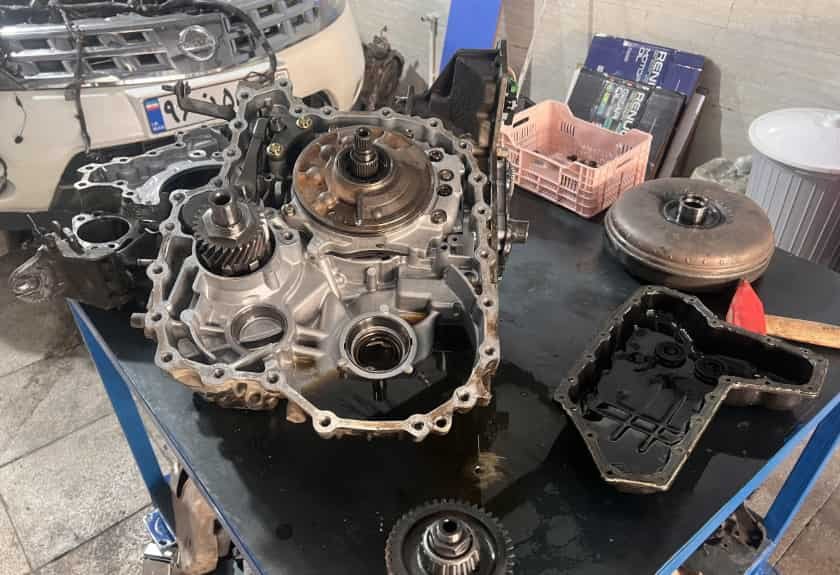
The Nissan Murano has built a reputation as a comfortable midsize crossover with a smooth ride and refined driving experience. A major reason for that comfort is the Nissan Murano CVT transmission. This continuously variable transmission delivers seamless acceleration and helps improve fuel efficiency. It also reduces the shift shock that drivers often notice in traditional automatic transmissions.
Many owners search for information about the Nissan Murano CVT transmission after they notice unusual driving behavior. The vehicle may hesitate during acceleration, produce a whining noise, or vibrate at low speeds. Some drivers also see warning lights or experience a delayed response when pressing the accelerator. These symptoms can have several causes. A simple maintenance issue may trigger them, but internal transmission wear can also create serious problems.
Early diagnosis often prevents expensive repairs. Drivers who recognize the warning signs can fix smaller issues before they become major failures. For this reason, understanding how the transmission works is just as important as knowing the symptoms of a failing CVT. A clear understanding also helps buyers evaluate used Nissan Murano models with greater confidence.
This guide covers everything you need to know about the Nissan Murano CVT transmission. You will learn how the system works and why certain problems occur. You will also discover the most common warning signs, the expected transmission lifespan, typical repair costs, and practical maintenance tips. In addition, this guide explains what to inspect before buying a used Nissan Murano and how proper maintenance can extend the life of the transmission.
What Is the Nissan Murano CVT Transmission?
The Nissan Murano CVT transmission is a continuously variable transmission that transfers engine power to the wheels without using a fixed set of gears. Instead of shifting between individual gears, it changes the gear ratio smoothly as driving conditions change. This design allows the engine to operate at its most efficient speed while delivering steady acceleration. As a result, many drivers notice a smoother ride and better fuel economy during everyday driving.
Unlike a conventional automatic transmission, a CVT relies on two variable pulleys connected by a strong steel belt. The pulleys continuously adjust their width to create an unlimited range of gear ratios within the system’s operating limits. When the driver accelerates, the pulleys change position to provide the ideal balance between engine power and vehicle speed. This process eliminates the noticeable gear changes found in traditional automatic transmissions and creates a more consistent driving experience.
Nissan introduced the CVT in the Murano to improve comfort, efficiency, and overall driving refinement. The smooth power delivery matches the Murano’s role as a family friendly crossover that focuses on daily commuting and long distance travel. The transmission also helps reduce engine speed during steady cruising, which can improve fuel economy and lower cabin noise on the highway.
Although the Nissan Murano CVT transmission offers several advantages, it requires proper maintenance to perform well over the long term. Clean transmission fluid, normal operating temperatures, and regular inspections all contribute to reliable operation. Ignoring early warning signs or delaying maintenance can shorten the transmission’s service life and increase repair costs. Understanding how the system works makes it easier to recognize problems before they become serious mechanical failures.
How Does a CVT Transmission Work?
A continuously variable transmission works by changing the drive ratio instead of shifting through fixed gears. The primary pulley connects to the engine, while the secondary pulley connects to the drive wheels. As one pulley becomes larger, the other becomes smaller. This movement changes the transmission ratio without interrupting power delivery. The engine can therefore stay within an efficient operating range while the vehicle continues to accelerate smoothly.
The transmission control module constantly monitors engine speed, vehicle speed, throttle position, and driving conditions. It adjusts the pulleys to deliver the most appropriate ratio for acceleration, climbing hills, or highway cruising. This continuous adjustment improves driving comfort because the transmission does not need to perform traditional gear changes. Drivers often describe the result as smooth and predictable, especially in stop and go traffic.
Which Nissan Murano Models Use a CVT Transmission?
The Nissan Murano used a continuously variable transmission for several generations before Nissan introduced a different transmission in the latest redesign. Most Murano models produced from 2003 through 2024 use a CVT, although Nissan updated the design and control software over time. Each generation received improvements that focused on performance, durability, and driving refinement.
The fourth generation Nissan Murano, introduced for the 2025 model year, no longer uses a continuously variable transmission. Nissan replaced the CVT with a nine speed automatic transmission to provide a different driving experience and respond to changing customer expectations. For this reason, the maintenance procedures, driving characteristics, and common issues discussed in this guide apply primarily to CVT equipped Murano models built before 2025.
Common Nissan Murano CVT Transmission Problems
The Nissan Murano CVT transmission can provide smooth and efficient performance for many years when owners maintain it properly. However, like any mechanical system, it can develop problems as mileage increases or maintenance becomes inconsistent. Some issues appear gradually, while others become noticeable without much warning. Learning to recognize these symptoms early can reduce repair costs and help prevent severe internal damage.
Many transmission problems begin with small changes in driving behavior. Drivers may notice hesitation, vibration, unusual sounds, or a warning light before the transmission experiences a major failure. These early symptoms often provide valuable clues about the condition of the system. A professional inspection can identify the cause and determine whether the problem involves the fluid, electronic controls, or internal components.
Shuddering During Acceleration
Shuddering is one of the most common complaints among Nissan Murano owners. The vehicle may shake or vibrate when accelerating from a stop or while driving at lower speeds. Some drivers describe the sensation as driving over rough pavement for a brief moment.
Several factors can cause this symptom. Worn transmission components, contaminated CVT fluid, overheating, or incorrect hydraulic pressure can all reduce the transmission’s ability to transfer power smoothly. In some cases, the problem becomes more noticeable after the transmission reaches normal operating temperature.
Ignoring repeated shuddering can increase internal wear over time. Drivers should schedule a transmission inspection as soon as the vibration becomes consistent instead of waiting for additional symptoms to appear.
Delayed Acceleration
A healthy CVT responds quickly when the driver presses the accelerator. If the vehicle hesitates before moving or takes longer than expected to gain speed, the transmission may have a developing problem.
Delayed acceleration can result from low hydraulic pressure, worn internal parts, electronic control issues, or degraded transmission fluid. The hesitation may become more obvious when merging onto a highway, climbing a hill, or accelerating after stopping at a traffic light.
Although engine problems can create similar symptoms, a complete diagnostic inspection helps determine whether the transmission is responsible. Accurate diagnosis prevents unnecessary repairs and saves both time and money.
Transmission Slipping
Transmission slipping occurs when engine speed increases without a matching increase in vehicle speed. The engine may rev higher than normal while the Murano accelerates slowly. Drivers often notice this condition during moderate or heavy acceleration.
This symptom usually indicates that the transmission cannot maintain the correct drive ratio. Internal wear, hydraulic pressure loss, or damaged components may reduce the system’s ability to transfer power efficiently. Continued driving under these conditions can increase internal damage and lead to more expensive repairs.
Any sign of transmission slipping deserves immediate attention. Continuing to drive with this symptom can shorten the remaining service life of the transmission.
Overheating
Heat is one of the biggest threats to any continuously variable transmission. High operating temperatures reduce the effectiveness of the transmission fluid and increase wear on internal components. Once the fluid begins to lose its protective properties, the transmission may no longer operate as designed.
Heavy traffic, hot weather, steep hills, and aggressive driving can all increase transmission temperature. Drivers may notice reduced acceleration, delayed response, or warning messages when the system becomes too hot. Some vehicles also enter a protective operating mode that limits performance until the transmission cools down.
Regular maintenance and clean transmission fluid help control operating temperatures and reduce long term wear. Drivers who frequently operate under demanding conditions should pay close attention to any changes in transmission performance.
Whining or Humming Noise
A quiet humming sound can be normal in some CVT equipped vehicles. However, a loud or increasing whining noise often indicates a developing mechanical problem. The sound may become more noticeable during acceleration or while driving at a constant speed.
Several issues can create this noise, including worn bearings, fluid contamination, hydraulic pump wear, or internal transmission damage. The exact cause requires professional diagnosis because similar sounds may also come from other drivetrain components.
Drivers should never ignore unusual transmission noises. Early inspection may identify a repairable problem before extensive internal damage occurs.
Valve Body Problems
The valve body controls hydraulic pressure throughout the transmission. It directs fluid to different components and helps the transmission respond to changing driving conditions. If this system develops a fault, overall transmission performance may decline.
Common symptoms include hesitation, inconsistent acceleration, warning lights, rough operation, and poor throttle response. In some situations, replacing the valve body can restore normal operation without replacing the entire transmission. However, the final repair depends on the extent of internal damage.
Limp Mode
Modern Nissan Murano models use electronic control systems to protect the transmission from severe damage. When the system detects a serious fault, it may activate a protective operating mode that limits engine power and vehicle speed.
Drivers often describe this condition as sudden power loss or extremely slow acceleration. Restarting the vehicle may temporarily restore normal operation, but the underlying problem usually remains. A diagnostic scan should always follow this type of warning because the transmission control module stores valuable fault information.
Complete Transmission Failure
Complete transmission failure represents the most serious outcome of long term wear or unresolved mechanical problems. The vehicle may refuse to move, fail to engage Drive or Reverse, or produce loud mechanical noises during operation. Some drivers also notice a burning smell or discover metal particles during a transmission fluid inspection.
Once the transmission reaches this stage, repair options become more limited. Depending on the extent of the damage, owners may need a major rebuild or a complete replacement. Obtaining an accurate diagnosis before making a repair decision remains the best way to control costs and choose the most practical solution.
Nissan Murano CVT Transmission Warning Signs
The Nissan Murano CVT transmission often gives clear warning signs before a major failure occurs. Many drivers notice small changes in performance long before the transmission stops working properly. Recognizing these symptoms early can help reduce repair costs and prevent serious internal damage. Even a minor change in driving behavior deserves attention because small problems can become much more expensive if they remain unresolved.
One of the first warning signs is delayed acceleration. The vehicle may hesitate for a moment after you press the accelerator. Some drivers also experience slow engagement when shifting into Drive or Reverse. These symptoms usually indicate that the transmission cannot deliver power as efficiently as it should.
Vibration is another common symptom. The vehicle may shake slightly during acceleration, especially at lower speeds. A whining noise can also develop as internal components begin to wear. While a soft hum may be normal for some CVT systems, a loud or increasing noise should never be ignored.
The transmission may also produce a burning smell after driving in heavy traffic or hot weather. Excessive heat can reduce the effectiveness of the transmission fluid and increase internal wear. In many cases, the dashboard will display a warning light before severe damage occurs. Some vehicles may even reduce engine power to protect the transmission from additional stress.
If you notice any of these warning signs, schedule a professional inspection as soon as possible. Early diagnosis often identifies the cause before it develops into a complete transmission failure. Quick action can extend the life of the Nissan Murano CVT transmission and help you avoid costly repairs.
How Long Does a Nissan Murano CVT Transmission Last?
The lifespan of a Nissan Murano CVT transmission depends on several factors, including maintenance habits, driving conditions, and vehicle history. A well maintained CVT can provide reliable performance for many years, while a neglected transmission may develop problems much earlier. There is no exact mileage that guarantees failure or success because every vehicle experiences different operating conditions.
Many Nissan Murano CVT transmissions can reach around 100,000 to 150,000 miles with proper care. Some owners achieve higher mileage when they follow regular maintenance schedules and address early warning signs quickly. However, frequent overheating, poor fluid condition, and aggressive driving can reduce transmission life significantly.
Transmission fluid plays an important role in long term reliability. The fluid protects internal components, controls temperature, and helps maintain proper hydraulic pressure. When the fluid becomes old or contaminated, the transmission works harder and experiences additional stress. Regular inspections help identify fluid problems before they cause major damage.
Driving habits also influence CVT durability. Smooth acceleration, avoiding excessive heat, and allowing the vehicle to operate normally before demanding performance can reduce unnecessary wear. Vehicles used in heavy traffic, extreme temperatures, or demanding conditions require closer attention.
A Nissan Murano CVT transmission can offer dependable service when owners maintain it correctly. Buyers should also consider service records, previous repairs, and overall vehicle condition instead of judging reliability only by mileage. A properly maintained Murano with higher mileage may provide better value than a poorly maintained vehicle with fewer miles.
Nissan Murano CVT Transmission Repair Costs
The cost of repairing a Nissan Murano CVT transmission depends on the type of problem, the vehicle’s model year, the repair method, and the labor rates in your area. A simple diagnosis or minor repair may cost much less than a complete transmission replacement. For this reason, an accurate inspection should always come before making a repair decision.
A transmission diagnostic service usually costs less than major repairs. Technicians use scanning tools, road tests, and fluid inspections to identify the source of the problem. This step helps determine whether the issue comes from the transmission fluid, electronic components, valve body, or internal mechanical parts.
A CVT fluid service represents one of the more affordable maintenance procedures. The cost varies depending on the type of service, the amount of fluid required, and the service provider. Regular fluid maintenance can help improve transmission performance and may reduce the risk of expensive repairs.
If the problem involves electronic components, sensors, or the valve body, repair costs may increase but still remain lower than a full transmission replacement. These repairs can restore normal operation when the internal transmission components remain in good condition.
A complete Nissan Murano CVT transmission replacement represents the most expensive option. The final cost depends on whether you choose a used, rebuilt, remanufactured, or new transmission. Labor, programming, fluid, and additional parts can also affect the final price.
Before replacing the entire transmission, owners should compare the repair cost with the vehicle’s current value and overall condition. A professional diagnosis helps you choose the most practical solution and avoid spending money on unnecessary repairs.
Nissan Murano CVT Transmission Maintenance Guide
Proper maintenance plays an important role in extending the life of a Nissan Murano CVT transmission. Although CVT technology provides smooth and efficient performance, it depends on clean fluid, stable temperatures, and regular inspections. A proactive maintenance approach can help owners reduce wear, improve reliability, and avoid unexpected repair expenses.
The most important maintenance step involves checking and replacing the correct CVT fluid. Transmission fluid performs several functions inside the system. It reduces friction, transfers hydraulic pressure, and helps control operating temperature. Old or contaminated fluid can affect transmission performance and increase stress on internal components.
Owners should always use the correct fluid specification recommended for their specific Nissan Murano model year. Using the wrong fluid can affect lubrication and hydraulic operation. A qualified technician can confirm the correct fluid type and service procedure before performing maintenance.
Regular inspections also help identify potential problems before they become serious. Technicians can check for fluid leaks, unusual noises, abnormal temperatures, and stored diagnostic codes. Early detection allows owners to address smaller issues before they develop into major transmission failures.
Driving habits also influence CVT durability. Smooth acceleration, avoiding unnecessary heavy loads, and reducing excessive heat exposure can protect internal components. Drivers who frequently operate in heavy traffic, hot climates, or steep terrain should pay closer attention to transmission performance.
Maintaining a healthy cooling system is another important factor. Excessive heat remains one of the biggest causes of CVT wear. A properly working cooling system helps maintain stable transmission temperatures and protects fluid quality.
Finally, keeping complete maintenance records provides valuable information for future repairs and resale value. Service history helps technicians understand previous work and allows buyers to make more confident decisions. With proper care and timely attention, a Nissan Murano CVT transmission can deliver reliable performance for many years.
Should You Repair, Rebuild, or Replace a Nissan Murano CVT Transmission?
When a Nissan Murano CVT transmission develops serious problems, many owners face a difficult decision. They must choose between repairing the existing transmission, rebuilding it, or replacing the entire unit. The right option depends on the type of failure, vehicle condition, repair costs, and expected ownership period.
A repair makes sense when the problem comes from a specific component rather than extensive internal damage. Issues involving sensors, wiring, fluid leaks, or certain control components may not require a complete transmission replacement. A proper diagnosis helps identify whether a smaller repair can restore normal operation.
A rebuild can become an option when internal components show wear but the transmission case and major systems remain usable. During a rebuild, a technician replaces damaged parts and restores the transmission to working condition. However, CVT rebuilding requires specialized knowledge because the system uses different components and operating principles compared with traditional automatic transmissions.
A replacement may become necessary when the transmission has severe internal damage. Signs such as repeated overheating, major slipping, metal contamination, or complete loss of movement often indicate deeper problems. Owners can choose between used, remanufactured, or new replacement units depending on their budget and reliability expectations.
Before making a final decision, consider the current value of the Nissan Murano, the vehicle’s overall mechanical condition, and how long you plan to keep it. Spending thousands of dollars on a transmission replacement may not always make financial sense for an older vehicle with additional problems.
The best approach starts with an accurate diagnosis from a qualified technician. Understanding the real cause of failure allows owners to select the most practical solution instead of replacing expensive parts unnecessarily.
How to Buy a Used Nissan Murano With a CVT Transmission
Buying a used Nissan Murano with a CVT transmission requires careful evaluation before making a final decision. A well maintained vehicle can provide comfortable and reliable transportation, while a poorly maintained model can create expensive repair problems. The condition of the transmission often matters more than the vehicle’s mileage alone.
The first step is reviewing the vehicle’s maintenance history. Service records can show whether the previous owner performed regular inspections and followed recommended maintenance procedures. Look for information about transmission fluid services, previous repairs, and any major transmission work. A complete service history provides valuable insight into how the vehicle was treated.
A thorough test drive is another important step. Start the vehicle when the engine and transmission are cold because some problems appear during initial operation. Pay attention to delayed engagement, unusual vibration, hesitation, or strange noises during acceleration. The transmission should provide smooth and consistent power delivery throughout the drive.
Testing the vehicle in different conditions can reveal additional problems. Drive at low speeds, accelerate moderately, merge onto a highway, and test uphill performance if possible. A healthy Nissan Murano CVT transmission should respond smoothly without excessive noise or hesitation.
A professional inspection can provide additional confidence before purchase. A technician can scan the vehicle for stored diagnostic codes, inspect fluid condition, and evaluate the overall drivetrain. This step can identify hidden issues that may not appear during a short test drive.
Finally, compare the repair risk with the purchase price. A lower priced Nissan Murano may not represent a good deal if it requires immediate transmission work. Choosing a vehicle with proper maintenance records and a clean inspection report can help you enjoy the comfort of a Murano while avoiding unexpected expenses.
Nissan Murano CVT Transmission vs Traditional Automatic Transmission
The Nissan Murano CVT transmission and a traditional automatic transmission use different approaches to deliver power from the engine to the wheels. Both systems aim to provide a comfortable driving experience, but they create different sensations behind the wheel. Understanding these differences helps drivers choose the right vehicle based on their preferences and driving needs.
A traditional automatic transmission uses a fixed number of gears. The transmission shifts between these gears as speed and driving conditions change. Drivers can usually feel each gear change during acceleration. Many people prefer this familiar driving experience because it feels more predictable and responsive.
A CVT works differently because it does not rely on fixed gears. Instead, it continuously adjusts the gear ratio through a pulley and belt system. This design allows the engine to maintain an efficient operating range. As a result, drivers often experience smoother acceleration and improved fuel efficiency during normal driving.
One advantage of the Nissan Murano CVT transmission is its ability to provide a quiet and comfortable ride. The system avoids traditional gear changes, which can create a smoother feeling during city driving and highway cruising. This characteristic matches the Murano’s focus on comfort and everyday usability.
However, CVT systems require careful maintenance because they depend heavily on fluid condition and temperature control. Excessive heat, incorrect fluid, or delayed maintenance can increase the risk of performance issues. Traditional automatic transmissions may offer a more familiar repair process because many technicians have extensive experience with their design.
The best choice depends on personal preference and driving habits. Drivers who value smooth operation and efficiency may appreciate a CVT. Those who prefer noticeable gear changes and a more traditional driving feel may prefer an automatic transmission.
The Nissan Murano used CVT technology for many years because it supported the vehicle’s comfort focused character. However, Nissan introduced a nine speed automatic transmission in the redesigned 2025 Murano, creating a different driving experience for newer models.
Frequently Asked Questions About Nissan Murano CVT Transmission
Does every Nissan Murano have a CVT transmission?
No, not every Nissan Murano uses a CVT transmission. Most Murano models produced before 2025 use a continuously variable transmission. The redesigned 2025 Nissan Murano uses a nine speed automatic transmission instead of a CVT.
How long does a Nissan Murano CVT transmission last?
A Nissan Murano CVT transmission can last more than 100,000 miles when owners follow proper maintenance practices. Some vehicles reach higher mileage with regular fluid service, careful driving habits, and timely repairs. However, poor maintenance, excessive heat, and neglected warning signs can reduce transmission life.
What are the most common Nissan Murano CVT transmission problems?
The most common problems include shuddering during acceleration, delayed response, overheating, unusual noises, slipping, and reduced performance. Some issues come from fluid condition or electronic components, while others involve internal transmission wear.
How much does it cost to replace a Nissan Murano CVT transmission?
The replacement cost varies depending on the model year, transmission source, labor rates, and repair facility. A used transmission usually costs less than a remanufactured or new unit. Owners should always compare the replacement cost with the vehicle’s overall value before making a decision.
Can a Nissan Murano CVT transmission be repaired?
Yes, some Nissan Murano CVT transmission problems can be repaired. Issues involving fluid leaks, sensors, wiring, or certain control components may not require a complete replacement. However, severe internal damage may require a rebuild or replacement.
How often should Nissan Murano CVT fluid be changed?
The correct service interval depends on the specific model year and driving conditions. Owners should follow Nissan’s recommended maintenance schedule and use the correct CVT fluid specification for their vehicle.
What causes Nissan Murano CVT failure?
Common causes include old transmission fluid, excessive heat, poor maintenance, aggressive driving, fluid leaks, and electronic component failures. Regular inspections can help identify these problems before they become severe.
Is a used Nissan Murano with a CVT transmission worth buying?
A used Nissan Murano with a CVT transmission can be a good choice when it has proper maintenance records and passes a professional inspection. Buyers should check transmission behavior, service history, diagnostic codes, and previous repairs before purchasing.
Should I replace my Nissan Murano CVT or buy another vehicle?
The best decision depends on the repair cost, vehicle condition, current market value, and expected ownership period. A transmission replacement may make sense for a well maintained Murano, but it may not be practical for a vehicle with multiple expensive problems.
How can I make my Nissan Murano CVT transmission last longer?
Owners can improve transmission lifespan by maintaining the correct fluid level, using the recommended CVT fluid, avoiding excessive heat, driving smoothly, and addressing unusual symptoms early. Preventive maintenance remains one of the most effective ways to protect the transmission.
Conclusion
The Nissan Murano CVT transmission remains an important topic for owners and used car buyers because the transmission plays a major role in the vehicle’s performance, comfort, and long term ownership costs. A CVT can provide smooth acceleration and efficient operation when owners maintain it properly and respond to early warning signs.
Common issues such as shuddering, hesitation, overheating, unusual noises, and reduced performance should never be ignored. These symptoms do not always mean the entire transmission has failed, but they indicate that the vehicle needs careful inspection. Early diagnosis can often prevent minor problems from developing into expensive repairs.
The lifespan of a Nissan Murano CVT transmission depends on many factors. Maintenance quality, driving habits, operating conditions, and service history all influence long term reliability. Regular fluid inspections, proper maintenance, and responsible driving can help protect internal components and improve transmission durability.
For owners facing transmission problems, the best solution depends on the actual condition of the vehicle. A repair may solve smaller issues, while severe internal damage may require rebuilding or replacement. A professional diagnosis provides the information needed to make a smart financial decision.
For used vehicle buyers, a Nissan Murano with a CVT transmission can still be a practical choice when the vehicle has complete maintenance records and passes a detailed inspection. Mileage alone does not determine reliability. The vehicle’s history and current condition provide a much clearer picture.
Have you experienced problems with a Nissan Murano CVT transmission? Share your model year, mileage, symptoms, and repair experience. Your story may help other Murano owners make a better decision.