
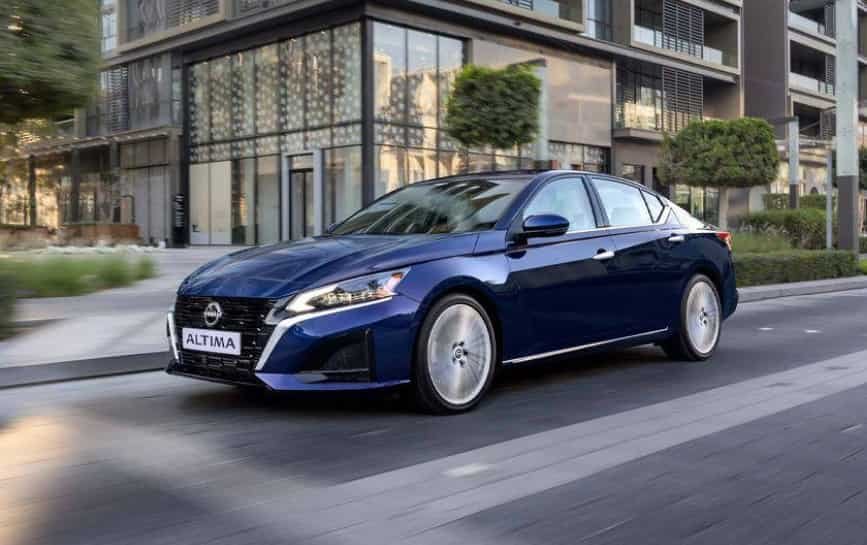
Many car shoppers ask the same question before buying or renting a sedan. Is Nissan Altima a Full Size Car? The answer is simple. The Nissan Altima is generally classified as a midsize sedan rather than a full size car. However, its generous dimensions, comfortable cabin, and impressive passenger space often make it feel much larger than many people expect.
This confusion is understandable because modern midsize sedans have grown significantly over the past decade. The latest Nissan Altima offers a long body, a spacious interior, and a practical trunk that easily handles everyday errands, family travel, and weekend road trips. As a result, many drivers assume it belongs in the same category as traditional full size sedans. In reality, vehicle classification depends on much more than overall length. Passenger volume, interior layout, cargo capacity, and market positioning all play an important role.
If you are comparing the Altima with models such as the Toyota Camry, Honda Accord, or even older full size sedans like the Toyota Avalon, understanding these differences becomes essential. Choosing the right vehicle is not only about size. It is also about comfort, fuel efficiency, parking convenience, ownership costs, and how well the car fits your daily lifestyle.
In this guide, you will learn exactly why the Nissan Altima is considered a midsize sedan. You will also discover its exterior dimensions, interior space, seating capacity, trunk size, and how it compares with both midsize and full size competitors. By the end of this article, you will have a clear understanding of whether the Nissan Altima provides enough space for your needs and whether it is the right sedan for your next purchase.
Is the Nissan Altima a Full Size Car?
The short answer is no. The Nissan Altima is a midsize sedan, not a full size car. It offers a roomy cabin and a comfortable ride. However, its overall size often makes buyers think it belongs to a larger vehicle class.
Modern midsize sedans have grown over the years. The Nissan Altima is a perfect example. It provides generous front legroom, comfortable seating for five people, and a practical trunk. Because of these features, many drivers believe it is a full size sedan. In reality, vehicle size depends on more than exterior dimensions.
Automakers classify vehicles by several factors. Interior passenger space is one of the most important. Cargo capacity also matters. Market positioning and direct competitors help determine the final segment as well. For this reason, the Nissan Altima competes with the Toyota Camry, Honda Accord, Hyundai Sonata, and Kia K5. All of these models belong to the midsize sedan category.
The market has also changed in recent years. Many traditional full size sedans have disappeared. Models such as the Toyota Avalon and Nissan Maxima offered larger cabins and more rear seat comfort. Today, many buyers choose crossover SUVs instead. As a result, midsize sedans have become larger and more refined. This shift makes the Nissan Altima feel closer to a full size car than older midsize models.
For most drivers, the Nissan Altima offers more than enough space for everyday use. It works well for commuting, family trips, and weekend travel. At the same time, it remains easier to park and maneuver than many larger sedans. This balance is one of the strongest reasons buyers continue to choose the Altima.
What Class of Car Is the Nissan Altima?
The Nissan Altima belongs to the midsize sedan segment. This class sits between compact sedans and traditional full size cars. It focuses on comfort, efficiency, and practicality. Most midsize sedans include two rows of seats, room for five passengers, and a separate trunk.
The Altima matches these characteristics very well. It offers generous passenger space without becoming difficult to drive. The cabin feels open, and the seats remain comfortable during long trips. In addition, the trunk provides enough room for luggage, groceries, and daily essentials. These qualities make the Altima a practical choice for many households.
Some buyers become confused because different organizations use different classification systems. Manufacturers compare vehicles with their closest competitors. Rental companies often group cars according to fleet management or customer demand. Government agencies may rely on technical measurements. Therefore, the same vehicle can appear in different categories depending on the source.
The best way to evaluate the Nissan Altima is to look beyond the label. Compare its passenger room, cargo capacity, driving comfort, and overall practicality. When you consider these factors together, the answer becomes clear. The Nissan Altima delivers everything buyers expect from a modern midsize sedan while providing enough interior space for most families and daily drivers.
Nissan Altima Exterior Dimensions
Vehicle dimensions play an important role when buyers compare sedans. Many people assume a longer vehicle automatically belongs to the full size segment. However, that is not always true. A car can have a long body while remaining part of the midsize class. The Nissan Altima is a good example of this distinction.
The Nissan Altima measures about 192.9 inches in length. This measurement gives the sedan a strong road presence and contributes to its sleek appearance. At first glance, many drivers believe the Altima is a full size car because it looks longer than expected. However, several midsize sedans now offer similar dimensions. As a result, length alone does not determine a vehicle’s class.
The Altima is approximately 72.9 inches wide. This width provides enough shoulder room for front and rear passengers without making the vehicle difficult to drive in busy areas. Drivers can confidently navigate city streets and parking garages while still enjoying a spacious cabin. This balance remains one of the Altima’s biggest strengths.
The sedan also features a wheelbase of about 111.2 inches. A longer wheelbase usually improves ride comfort because it creates more distance between the front and rear wheels. In addition, it helps increase cabin space, especially for front and rear passengers. While this design improves comfort, it does not change the Altima’s classification. The vehicle remains a midsize sedan despite its generous proportions.
Overall, the Nissan Altima combines practical dimensions with everyday usability. It feels substantial on the road without becoming difficult to park or maneuver. Many buyers appreciate this balance because they receive extra interior room without sacrificing convenience. For daily commuting, family transportation, and long highway trips, the Altima offers dimensions that satisfy most drivers.
Nissan Altima Dimensions at a Glance
| Specification | Measurement |
|---|---|
| Overall Length | 192.9 inches |
| Overall Width | 72.9 inches |
| Overall Height | Approximately 56.7 inches |
| Wheelbase | 111.2 inches |
| Seating Capacity | 5 passengers |
| Trunk Capacity | 15.4 cubic feet |
These measurements explain why the Nissan Altima feels larger than many people expect. Even so, they also confirm that the vehicle fits comfortably within the modern midsize sedan segment instead of the traditional full size category.
Interior Space and Passenger Comfort
Interior space is one of the biggest reasons many people mistake the Nissan Altima for a full size car. The cabin feels open and comfortable from the moment you step inside. Drivers and passengers enjoy generous seating, practical storage, and enough room for daily travel or longer journeys. As a result, the Altima often feels larger than its official classification suggests.
The Nissan Altima seats up to five passengers. The front seats offer excellent legroom and provide enough adjustment for drivers of different heights. Taller drivers can stretch their legs without feeling cramped. In addition, the seats deliver good support during long highway trips. This combination improves overall comfort and reduces fatigue behind the wheel.
Rear passengers also benefit from a well designed cabin. The second row provides enough legroom and headroom for most adults. Two adults can travel comfortably on long trips, while three passengers fit best during shorter drives. The center seat is practical when needed, although it offers less comfort than the outer seats. This layout matches what buyers expect from a modern midsize sedan.
Shoulder room also contributes to the spacious feeling inside the Altima. Front passengers have enough personal space without sitting too close together. Rear passengers enjoy a comfortable seating position for everyday driving. These details create a cabin that feels inviting instead of crowded. Many families appreciate this extra room during shopping trips, school runs, and weekend travel.
Storage space adds even more practicality. The center console, door pockets, and cup holders keep everyday items within easy reach. Drivers can store phones, wallets, water bottles, and small accessories without creating unnecessary clutter. Although these features may seem simple, they improve convenience during daily use.
The trunk offers approximately 15.4 cubic feet of cargo space. This capacity is suitable for grocery bags, suitcases, sports equipment, and everyday essentials. Families can easily load luggage for a weekend getaway, while commuters have enough space for work supplies and personal belongings. The wide trunk opening also makes loading and unloading much easier.
Overall, the Nissan Altima delivers a cabin that feels comfortable, practical, and thoughtfully designed. While it is not officially classified as a full size car, its interior space satisfies the needs of most drivers and families. For many buyers, this balance between comfort and manageable size is one of the strongest reasons to choose the Altima over both smaller compact sedans and larger vehicles.
Why Does the Nissan Altima Feel Like a Full Size Car?
Many drivers wonder why the Nissan Altima feels so spacious if it belongs to the midsize segment. The answer comes down to modern vehicle design. Automakers have increased the size of midsize sedans over the years to improve comfort without moving into the traditional full size category. As a result, today’s Altima offers far more room than many older midsize cars.
One of the biggest reasons is its exterior length. At nearly 193 inches long, the Altima has a strong road presence. The sleek body, wide stance, and flowing design create the appearance of a larger sedan. When drivers first see the vehicle, they often compare it with full size models instead of other midsize competitors.
The spacious front cabin also changes how people judge the car. The driver and front passenger enjoy generous legroom and supportive seats. There is enough space to adjust the seating position without feeling restricted. Because drivers spend most of their time in the front seats, they naturally associate this comfort with a larger vehicle.
The rear seats also contribute to the Altima’s spacious feel. Adults have enough room for daily travel, and children can remain comfortable during longer trips. While the cabin does not match the extra width found in many traditional full size sedans, it provides more than enough space for most families. This balance makes the Altima a practical choice for everyday driving.
Technology and interior design also play an important role. The dashboard has a clean layout, and the cabin uses space efficiently. Large windows improve outward visibility and allow more natural light into the interior. Together, these features make the cabin feel open and inviting instead of narrow or enclosed.
Another factor is the changing automotive market. Many full size sedans have disappeared as buyers continue to choose crossover SUVs. At the same time, midsize sedans have become larger, safer, and more refined. This shift has reduced the gap between the two segments. Consequently, many modern midsize sedans now deliver comfort levels that were once available only in larger vehicles.
Although the Nissan Altima feels larger than its classification suggests, it still offers the advantages of a midsize sedan. It remains easier to park, consumes less fuel than many larger vehicles, and generally costs less to own. Buyers receive a comfortable cabin without sacrificing everyday practicality, which is one of the Altima’s greatest strengths.
Nissan Altima vs Full Size Sedans
Understanding the difference between a midsize sedan and a full size sedan makes it much easier to choose the right vehicle. Although the Nissan Altima feels spacious, it serves a different purpose than a traditional full size car. The Altima focuses on efficiency, everyday comfort, and value, while most full size sedans place greater emphasis on interior space and premium features.
A full size sedan usually offers a wider cabin and more rear seat room. Passengers in the second row often enjoy extra shoulder space and additional legroom, especially during long trips. The larger body also creates a smoother ride on highways because it provides more room for suspension tuning and cabin insulation. However, these advantages often come with a higher purchase price, lower fuel economy, and increased maintenance costs.
The Nissan Altima takes a different approach. It provides enough passenger space for most families without becoming difficult to drive in crowded cities. Drivers can park more easily, navigate narrow streets with greater confidence, and enjoy better fuel efficiency than many larger sedans. These practical benefits make the Altima a smart choice for commuters, young families, and anyone who values everyday usability.
Another important difference is cargo flexibility. While many full size sedans offer larger cabins, the Altima already provides enough trunk space for groceries, luggage, and daily essentials. Most drivers will rarely need the additional room available in a larger sedan. Unless you regularly travel with five adults or carry oversized luggage, the Altima delivers all the space most households need.
The competitive landscape also supports this classification. The Nissan Altima competes directly with the Toyota Camry, Honda Accord, Hyundai Sonata, and Kia K5. These vehicles share similar dimensions, passenger capacity, and pricing. They are all recognized as midsize sedans, even though some of them are nearly as long as older full size models.
Traditional full size sedans such as the Toyota Avalon and Chrysler 300 were designed to maximize passenger comfort and provide a more luxurious driving experience. They generally offered wider cabins, more rear seat space, and stronger engine options. However, many of these models have left the market as consumer demand shifted toward crossover SUVs. This change has allowed midsize sedans like the Altima to become the preferred choice for buyers who want comfort without the size or expense of a larger vehicle.
Quick Comparison
| Feature | Nissan Altima | Typical Full Size Sedan |
|---|---|---|
| Vehicle Class | Midsize sedan | Full size sedan |
| Seating Capacity | 5 passengers | 5 passengers |
| Interior Space | Spacious for everyday use | More generous, especially in the rear |
| Fuel Economy | Generally better | Often lower |
| Parking and Maneuverability | Easier in urban areas | More challenging in tight spaces |
| Ownership Costs | Lower for most buyers | Usually higher |
| Best For | Daily driving, commuting, small families | Long distance comfort, maximum passenger space |
For most buyers, the Nissan Altima offers the better balance. It provides impressive interior room, practical cargo capacity, and lower running costs while remaining comfortable for everyday driving. A traditional full size sedan still makes sense if you frequently carry five adults or place the highest priority on rear seat comfort. Otherwise, the Altima delivers the space, efficiency, and convenience that most drivers expect from a modern family sedan.
Frequently Asked Questions
Is the Nissan Altima a full size car?
No. The Nissan Altima is a midsize sedan. It offers a spacious cabin and a comfortable ride, but it does not belong to the traditional full size sedan segment. Its dimensions, passenger space, and market position place it among other popular midsize sedans.
Why do people think the Nissan Altima is a full size car?
Many drivers judge a vehicle by its appearance. The Nissan Altima has a long body, a roomy interior, and generous front seat space. Modern midsize sedans have also grown larger over time. These factors make the Altima feel similar to some older full size sedans.
Is the Nissan Altima bigger than the Nissan Sentra?
Yes. The Nissan Altima is larger than the Nissan Sentra in almost every dimension. It provides more passenger room, a larger trunk, and a more comfortable cabin for long trips. The Sentra belongs to the compact sedan segment, while the Altima is a midsize sedan.
Is the Nissan Altima the same size as the Toyota Camry?
The Nissan Altima and Toyota Camry have very similar dimensions. Both models compete in the midsize sedan segment and offer comparable passenger space, cargo capacity, and everyday practicality. Small differences exist, but they provide a similar ownership experience.
Is the Nissan Altima comfortable for tall drivers?
Yes. The front seats offer generous legroom and a wide range of seat adjustments. Most tall drivers can find a comfortable driving position without sacrificing overall comfort. The spacious cabin is one of the Altima’s strongest selling points.
How many passengers can the Nissan Altima seat?
The Nissan Altima seats five passengers. Two adults can travel comfortably in the rear seats during long trips, while three passengers fit best on shorter journeys. This seating layout matches most midsize sedans in the market.
Does the Nissan Altima have a large trunk?
Yes. The trunk offers approximately 15.4 cubic feet of cargo space. It can easily hold groceries, shopping bags, suitcases, and everyday items. This capacity is more than enough for most families and daily commuters.
Is the Nissan Altima good for family use?
Yes. The Nissan Altima combines a comfortable cabin, practical trunk space, and good fuel efficiency. It also offers modern safety features and a smooth ride. These qualities make it a practical choice for couples, small families, and daily drivers.
Should I buy a Nissan Altima or a full size sedan?
Your decision depends on your needs. The Nissan Altima is an excellent option if you want a spacious cabin, lower ownership costs, and easier handling. A full size sedan may suit you better if you regularly carry five adults or place the highest priority on rear seat comfort and luxury features.
Conclusion
So, is the Nissan Altima a full size car? The answer is no. The Altima belongs to the midsize sedan segment, even though it feels larger than many people expect. Its generous dimensions, comfortable interior, and practical cargo space create an experience that rivals some older full size sedans without the added size or operating costs.
The Nissan Altima succeeds because it balances comfort, efficiency, and everyday usability. It offers enough room for five passengers, a spacious trunk for daily needs, and a smooth driving experience for both city streets and highways. At the same time, it remains easier to park and more fuel efficient than many larger sedans.
If you are shopping for a reliable family sedan, the Nissan Altima deserves serious consideration. It delivers the space most drivers need while keeping ownership costs under control. Instead of focusing only on the vehicle’s classification, compare its comfort, practicality, safety features, and overall value. Those factors will have a much greater impact on your daily driving experience.
Have you driven a Nissan Altima or compared it with a full size sedan? Share your experience in the comments and let other readers know which model best fits your lifestyle.