
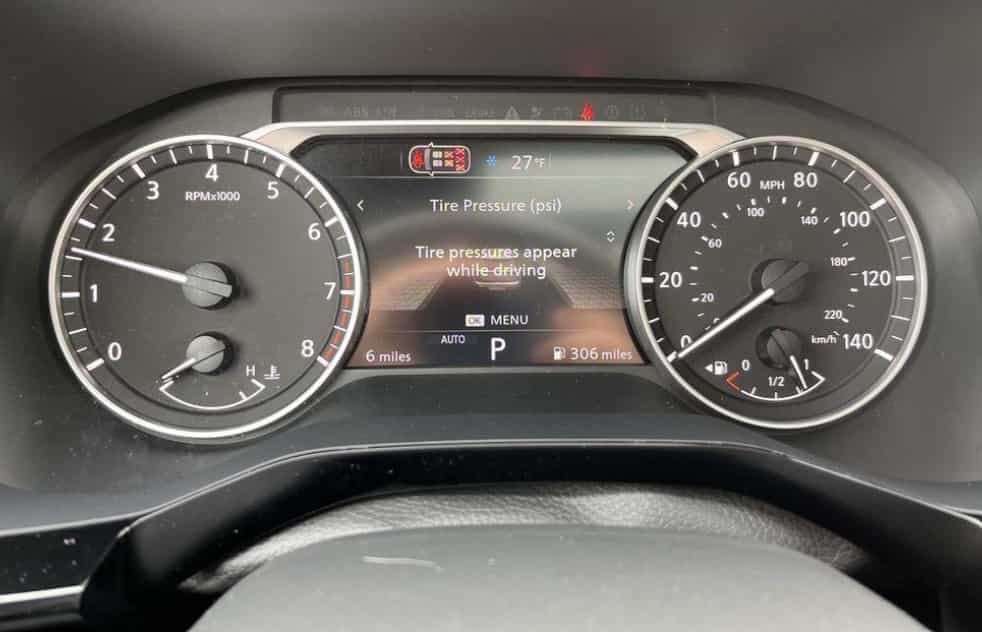
The Nissan Pathfinder TPMS reset process begins with one simple task. Check every tire and adjust the pressure to the cold specification shown on the driver-side door jamb label. Then drive the vehicle for several minutes. In many Pathfinder models, the system receives new sensor data during normal driving and turns the warning light off automatically.
However, correcting tire pressure does not always solve the problem. A TPMS reset clears a low tire pressure warning after the sensors detect the correct pressure. A TPMS relearn serves a different purpose. It registers new sensor IDs after you replace a TPMS sensor, install a new wheel, or perform certain tire services. Therefore, using the wrong procedure may leave the warning light on even when every tire has the correct pressure.
The correct solution also depends on the model year and the warning pattern. A solid TPMS light usually indicates low tire pressure. In contrast, a flashing TPMS light often points to a communication or sensor fault. Moreover, newer Nissan Pathfinder models include features such as Easy Fill Tire Alert and individual tire pressure displays, while older models follow a different service procedure.
This guide explains the correct Nissan Pathfinder TPMS reset method for every major model generation. In addition, it shows when the system resets automatically, when a TPMS relearn is necessary, how to diagnose warning lights, and how to prevent the same problem from returning.
How Do You Reset the TPMS Light on a Nissan Pathfinder?
The Nissan Pathfinder TPMS reset process starts with checking every tire while the vehicle is cold. First, compare the pressure in each tire with the specification printed on the driver-side door jamb label instead of the maximum pressure shown on the tire sidewall. Next, adjust each tire until it reaches the recommended cold pressure. After that, start the engine and drive the vehicle under normal road conditions. In many Pathfinder models, the TPMS receives updated pressure data while the wheels rotate, so the warning light turns off automatically once every registered sensor reports the correct pressure.
Many owners expect to find a dedicated TPMS reset button, but most Nissan Pathfinder models do not include one. Instead, the system relies on real-time sensor data to determine whether the warning should remain active. As a result, pressing random dashboard buttons or disconnecting the battery rarely fixes the problem. If the tire pressure is correct, the sensors are functioning properly, and the vehicle has been driven long enough, the warning light should disappear without any manual reset procedure.
However, the warning light may stay on even after you inflate every tire correctly. In most cases, this happens because one sensor fails to transmit pressure data, a replacement sensor has not been registered, or the system detects a communication fault. Therefore, the first step is always to verify the actual tire pressure before assuming the TPMS has failed. If every tire matches the recommended specification and the warning remains active after a complete drive cycle, the next step is to inspect the sensors and determine whether the vehicle requires a TPMS relearn instead of a standard reset.
Does a Nissan Pathfinder TPMS Reset Automatically After You Inflate the Tires?
Yes, many Nissan Pathfinder models reset the TPMS warning automatically after you inflate every monitored tire to the correct cold pressure and drive the vehicle. The system does not clear the warning as soon as you add air because it must receive updated readings from every registered sensor first. Once the sensors transmit accurate pressure data, the control module compares the values with the factory threshold. If every reading falls within the acceptable range, the warning light turns off without any additional action.
However, the process is not always immediate. The vehicle usually needs to move before the sensors send new information. As the wheels rotate, each sensor measures the current tire pressure and transmits the data to the TPMS receiver. The control module then verifies each reading before updating the warning status. Therefore, checking the warning light while the vehicle remains parked may lead you to believe that the reset has failed even though the system has not completed its update.
Automatic reset only works when every registered sensor communicates correctly. If one sensor stops transmitting, has a weak battery, or has never been registered to the vehicle, the warning light may stay on even though all tires contain the correct amount of air. Likewise, replacing a TPMS sensor or installing a different wheel set often requires a TPMS relearn instead of a standard reset. If the light remains illuminated after a normal drive and every tire matches the recommended pressure, inspect the sensors before attempting any additional reset procedure.
What Is the Difference Between a TPMS Reset and a TPMS Relearn?
Many Nissan Pathfinder owners use the terms TPMS reset and TPMS relearn interchangeably. However, they describe two different procedures. Understanding the difference helps you choose the correct solution and prevents unnecessary repairs. In most situations, a simple reset solves a low tire pressure warning, while a relearn becomes necessary after replacing or programming a TPMS sensor.
A TPMS reset clears the warning light after every monitored tire reaches the recommended cold pressure. The system checks the latest pressure readings from each registered sensor and removes the warning when all values meet the factory specification. In many Pathfinder models, this process happens automatically during normal driving. As a result, you do not need a scan tool or a manual reset button when the system operates correctly and the existing sensors continue to communicate.
A TPMS relearn serves a different purpose because it introduces new sensor information to the vehicle. This procedure registers the identification codes of replacement sensors or updates wheel position data after certain repairs. Therefore, inflating the tires alone cannot complete a relearn. The vehicle must recognize every sensor before it can monitor tire pressure accurately. Depending on the model year, the relearn process may require a TPMS activation tool, an OBD-II relearn device, or Nissan diagnostic equipment.
You should perform a TPMS relearn after replacing a TPMS sensor, installing a new wheel set, fitting programmable aftermarket sensors, or replacing a control module that stores sensor information. In contrast, you only need a TPMS reset when low tire pressure triggers the warning and every original sensor continues to work normally. Identifying the correct procedure saves time, avoids unnecessary parts replacement, and restores accurate tire pressure monitoring more efficiently.
How Does the TPMS Reset Procedure Change by Nissan Pathfinder Model Year?
The Nissan Pathfinder TPMS reset procedure changes because Nissan has updated the Tire Pressure Monitoring System across different generations. While every model uses direct TPMS sensors, the software, dashboard features, and sensor registration process are not always the same. Therefore, following instructions for the wrong model year may leave the warning light on even after you inflate the tires correctly.
Pathfinder models built between 2005 and 2012 use an earlier TPMS design that focuses on monitoring tire pressure through registered wheel sensors. After correcting low tire pressure, the warning light often turns off following a short drive if every original sensor works properly. However, replacing a sensor usually requires an additional registration procedure because the control module must recognize the new sensor ID before it can receive pressure data.
Models produced from 2013 to 2020 simplify the reset process for most owners. After inflating every monitored tire to the recommended cold pressure, the system normally clears the warning during normal driving. In addition, many trims include Nissan Easy Fill Tire Alert, which helps drivers inflate each tire to the correct pressure without using the instrument cluster. Although these models reset automatically in many situations, they still require a TPMS relearn after installing replacement sensors or incompatible wheel assemblies.
The latest Nissan Pathfinder models introduce additional convenience features, including a digital driver information display that shows individual tire pressure readings. As a result, drivers can identify low-pressure tires more quickly and monitor system updates in real time. Nevertheless, the basic diagnosis remains the same across every generation. A solid warning light usually indicates incorrect tire pressure, while a flashing light points to a sensor or system fault that requires further inspection instead of another reset attempt.
How Do You Reset the TPMS on a 2005–2012 Nissan Pathfinder?
Resetting the TPMS on a 2005–2012 Nissan Pathfinder begins with confirming that every monitored tire has the correct cold tire pressure. Use a reliable tire pressure gauge and compare each reading with the specification printed on the driver-side door jamb label. Once you adjust the pressure, start the engine and drive the vehicle under normal road conditions. If every original TPMS sensor operates correctly, the warning light often turns off after the system receives updated pressure readings.
However, this generation does not always respond the same way after tire or sensor service. If you recently replaced a TPMS sensor, installed a different wheel, or fitted a second set of tires, the control module may not recognize the new sensor automatically. Instead, the vehicle must identify the new sensor ID before it can monitor tire pressure correctly. Consequently, adding air to the tires alone cannot clear the warning when the system cannot communicate with one or more sensors.
The warning light pattern also provides valuable diagnostic information. A solid TPMS light usually indicates that at least one monitored tire remains below the recommended pressure. In contrast, a flashing light typically signals a communication problem or a faulty TPMS component. Therefore, checking the actual tire pressure should always be the first step before replacing sensors or purchasing diagnostic tools. If every tire matches the factory specification and the warning persists after a complete drive cycle, inspect each TPMS sensor and perform the required relearn procedure if the vehicle no longer recognizes the installed sensor.
How Do You Reset the TPMS on a 2013–2020 Nissan Pathfinder?
Resetting the TPMS on a 2013–2020 Nissan Pathfinder is usually a straightforward process because the system updates automatically after it receives accurate tire pressure readings. First, check the pressure in every monitored tire while the tires are cold. Next, inflate each tire to the recommended pressure shown on the driver-side door jamb label. After that, drive the vehicle under normal conditions to allow the TPMS sensors to transmit updated data. In most cases, the warning light turns off once the control module confirms that every registered sensor reports the correct pressure.
Many Pathfinder models from this generation also include Nissan Easy Fill Tire Alert, which makes tire inflation more convenient. As you add air to a tire, the system monitors the pressure and alerts you when the target level is reached. Consequently, you can inflate each tire more accurately without repeatedly checking the instrument panel. Although this feature simplifies the inflation process, it does not reset or program replacement TPMS sensors. Instead, it only helps you achieve the correct tire pressure more efficiently.
However, the warning light may remain on after a complete drive cycle even when every tire has the correct pressure. In that situation, the problem usually involves a faulty sensor, a weak sensor battery, or a replacement sensor that has not been registered to the vehicle. Therefore, repeating the same reset procedure rarely solves the issue. Verify that every tire pressure reading is correct first, then inspect the TPMS sensors if the warning persists. If the vehicle cannot recognize a replacement sensor, perform the appropriate TPMS relearn procedure before expecting the warning light to clear.
How Do You Reset the TPMS on a 2022 or Newer Nissan Pathfinder?
Resetting the TPMS on a 2022 or newer Nissan Pathfinder starts with checking the tire pressure before driving. Measure the pressure in every monitored tire while the tires are cold and compare each reading with the value on the driver-side door jamb label. Next, adjust the pressure as needed and start the vehicle. As you drive, the TPMS sensors transmit updated pressure data to the control module. In most cases, the warning light turns off automatically after the system confirms that every registered sensor reports the correct pressure.
Newer Pathfinder models make the process easier because they display individual tire pressure readings on the driver information screen. As a result, you can identify an underinflated tire without using a separate diagnostic tool. Many models also include Nissan Easy Fill Tire Alert, which notifies you when a tire reaches the recommended pressure during inflation. Although these features improve convenience, they do not replace the TPMS relearn procedure after installing new sensors or changing wheel assemblies.
If the warning light stays on after a complete drive cycle, review the pressure display before taking further action. A missing pressure value usually indicates that the vehicle cannot communicate with one of the sensors. In contrast, a flashing TPMS light often points to a system fault rather than low tire pressure. Therefore, inflating the tires again is unlikely to solve the problem. Instead, inspect the affected sensor, confirm that it matches the correct frequency for your model, and perform a TPMS relearn if the vehicle does not recognize the replacement sensor. Following this approach helps restore accurate pressure monitoring and prevents unnecessary parts replacement.
Does the Nissan Pathfinder Have a TPMS Reset Button?
Many Nissan Pathfinder owners look for a dedicated TPMS reset button when the warning light appears. However, most Pathfinder models do not include a button that manually clears the Tire Pressure Monitoring System. Instead, the system relies on pressure data from the TPMS sensors. Once every registered sensor reports the correct tire pressure, the warning light usually turns off during normal driving without any additional input from the driver.
Some online guides mention a TPMS reset button under the steering wheel or inside the dashboard. However, those instructions do not apply to every Nissan vehicle or every Pathfinder model year. Nissan has updated the TPMS design several times, and the available features vary by generation, trim level, and market. Therefore, following a generic reset procedure may create confusion and waste time if your vehicle does not support a manual reset function.
The best way to determine whether your Pathfinder includes a TPMS reset button is to check the owner’s manual for your specific model year. If the manual does not mention a reset button, simply inflate every monitored tire to the recommended cold pressure and drive the vehicle. In many cases, the system updates automatically after receiving new pressure readings from all registered sensors.
If the warning light remains on after a complete drive cycle, avoid pressing random dashboard controls or disconnecting the battery. Neither method registers new TPMS sensors nor fixes communication faults. Instead, verify the tire pressure again, inspect the TPMS sensors for proper operation, and perform a TPMS relearn if you recently replaced a sensor or installed a different wheel set. This approach follows Nissan’s intended diagnostic process and produces more reliable results than attempting an unsupported manual reset.
Why Does the Nissan Pathfinder TPMS Light Stay On After the Tires Are Inflated?
The Nissan Pathfinder TPMS light can stay on even after you inflate every tire. Low tire pressure is the most common cause. However, it is not the only one. The system also checks whether every TPMS sensor communicates correctly. Therefore, a single sensor problem can keep the warning light on.
Incorrect tire pressure often causes this issue. Many drivers check the tires immediately after driving. However, warm tires produce higher pressure readings than cold tires. As a result, the actual pressure may still fall below Nissan’s specification after the tires cool down. Always check the pressure when the tires are cold. Then compare each reading with the value on the driver-side door jamb label.
A faulty TPMS sensor can also prevent the warning light from clearing. The sensor battery may be weak. The sensor may also be damaged during tire service. In some cases, the vehicle cannot recognize a replacement sensor because it has not completed the relearn process. Consequently, the control module cannot receive valid pressure data from every wheel.
The warning pattern helps you identify the problem more quickly. A solid TPMS light usually points to low tire pressure. In contrast, a flashing light often indicates a system or sensor fault. If the light stays on after a complete drive cycle, inspect each sensor with a compatible TPMS scan tool. This step helps you find the real cause before replacing any parts.
Why Does the Nissan Pathfinder TPMS Light Flash Before Staying On?
A flashing TPMS light usually indicates a system fault instead of low tire pressure. The light often flashes for about one minute after you start the engine. It then stays on for the rest of the drive. This pattern tells you that the TPMS cannot operate normally. Therefore, adding air to the tires alone is unlikely to solve the problem.
Several issues can trigger this warning. A weak sensor battery is one of the most common causes. A damaged TPMS sensor can also interrupt communication with the control module. In addition, the vehicle may reject a replacement sensor that uses the wrong frequency or has not completed the registration process. As a result, the TPMS cannot receive valid pressure data from every wheel.
The warning may also appear after recent tire or wheel service. For example, a tire shop may install a new sensor without performing the required relearn procedure. In other cases, the sensor may become damaged during tire mounting or balancing. Consequently, the control module detects missing or invalid sensor information and activates the flashing warning instead of a standard low-pressure alert.
You should diagnose the system before replacing any parts. First, inspect every tire to confirm the correct cold pressure. Next, scan each TPMS sensor with a compatible diagnostic tool. Then verify that every sensor transmits a valid ID and matches your Pathfinder model year. If the scan tool detects a failed or unregistered sensor, complete the recommended repair and perform a TPMS relearn. This method identifies the real fault and prevents unnecessary repairs.
Do You Need a TPMS Tool to Reset a Nissan Pathfinder?
You do not always need a TPMS tool to reset a Nissan Pathfinder. In many cases, correcting the tire pressure is enough. Inflate every monitored tire to the recommended cold pressure and drive the vehicle. If all registered sensors work properly, the system usually clears the warning light automatically.
However, some situations require more than a standard reset. A TPMS tool becomes necessary when the vehicle cannot detect one or more sensors. This often happens after replacing a TPMS sensor, installing a new wheel set, or fitting programmable aftermarket sensors. In these cases, the control module must recognize the new sensor IDs before it can monitor tire pressure correctly.
Different tools perform different tasks. A TPMS activation tool wakes up each sensor and confirms that it transmits a valid signal. An OBD-II TPMS relearn tool registers new sensor IDs with the vehicle. In addition, Nissan diagnostic equipment can access fault codes and complete model-specific registration procedures. Therefore, using the correct tool is just as important as choosing the correct repair method.
You should also understand the limits of a standard OBD-II scanner. Many basic code readers cannot communicate with the Tire Pressure Monitoring System. As a result, they cannot read TPMS fault codes or perform a sensor relearn. If the warning light stays on after a complete drive cycle, use a TPMS-compatible scan tool instead. This approach helps identify communication faults, failed sensors, and registration issues without replacing parts that still work properly.
How Do You Relearn TPMS Sensors After Replacing Them?
You must relearn the TPMS sensors after replacing them if your Nissan Pathfinder cannot recognize the new sensor IDs. A new sensor may transmit tire pressure correctly. However, the control module cannot monitor it until the registration process is complete. Therefore, a successful installation requires both a working sensor and a completed relearn procedure.
The process begins with selecting the correct TPMS sensor for your Pathfinder model year. Next, install the sensor and inflate every monitored tire to the recommended cold pressure. Then activate each sensor with a compatible TPMS tool. After that, register the sensor IDs with the vehicle by using an OBD-II relearn tool or Nissan diagnostic equipment. Finally, drive the vehicle and confirm that the warning light turns off and every tire pressure reading appears correctly.
The exact relearn procedure varies by model year. Some Pathfinder models allow the control module to recognize new sensors after electronic registration. Others require a specific activation sequence for each wheel. Consequently, always follow the service procedure for your vehicle instead of using a generic TPMS guide. This reduces the risk of registration errors and saves time during diagnosis.
After the relearn is complete, verify that the system operates normally. Check the instrument display and confirm that every wheel reports a valid pressure reading. In addition, make sure the TPMS warning light remains off during a normal drive. If one sensor still fails to report data, inspect its battery, frequency, and compatibility before repeating the relearn process. This final inspection helps confirm that the repair is complete and the Tire Pressure Monitoring System is working as designed.
What Tire Pressure Should You Use Before Resetting a Nissan Pathfinder TPMS?
You should always use the cold tire pressure recommended by Nissan before resetting the TPMS. You can find this specification on the driver-side door jamb label. Do not use the maximum pressure printed on the tire sidewall. That number shows the tire’s maximum operating limit, not the correct pressure for everyday driving. Therefore, using the wrong value can keep the TPMS warning light on and reduce driving performance.
Always measure tire pressure before driving or after the vehicle has been parked for several hours. Cold tires provide the most accurate reading because heat increases air pressure inside the tire. As a result, checking the tires immediately after a long drive may produce misleading readings. If you adjust warm tires to the recommended cold pressure, the pressure may fall below the specification once the tires cool down.
The correct tire pressure also depends on your Nissan Pathfinder configuration. Different model years, trim levels, wheel sizes, and tire packages may require different pressure values. In addition, front and rear tires may not use the same specification. For this reason, always follow the pressure listed on your vehicle instead of copying values from another Pathfinder or an online forum.
After adjusting every monitored tire, drive the vehicle under normal conditions to allow the TPMS to receive updated sensor data. In many Pathfinder models, the warning light turns off automatically after the system confirms the correct pressure. However, if the light remains on after a complete drive cycle, inspect the TPMS sensors and perform a relearn if the vehicle cannot recognize a replacement sensor. Starting with the correct cold tire pressure makes the diagnosis faster and helps eliminate the most common cause of TPMS warnings.
Can Cold Weather Turn On the Nissan Pathfinder TPMS Light?
Yes, cold weather can turn on the TPMS light in a Nissan Pathfinder. Air pressure drops as the outside temperature decreases. Even a small temperature change can lower tire pressure enough to trigger the warning. Therefore, the TPMS light may appear even when the tires have no puncture or visible damage.
This happens because cold air occupies less space inside the tire. As the temperature falls, the pressure decreases as well. If one or more tires drop below Nissan’s recommended pressure, the TPMS detects the change and activates the warning light. In many cases, the light appears after the vehicle sits outside overnight or during the first cold days of the season.
You should always check the tire pressure before assuming there is a problem with the TPMS. Measure every tire while it is cold and compare the readings with the specification on the driver-side door jamb label. Next, add air until each tire reaches the recommended pressure. Then drive the vehicle for several minutes. In many Pathfinder models, the TPMS updates automatically after receiving new pressure readings from every registered sensor.
Do not ignore the warning simply because it disappears later in the day. Tire pressure often increases as the tires warm up during driving. However, this temporary change does not replace proper inflation. Instead, maintain the correct cold tire pressure throughout the year. Regular pressure checks improve tire life, fuel efficiency, and vehicle handling. They also help prevent unnecessary TPMS warnings during cold weather.
Does Rotating the Tires Require a Nissan Pathfinder TPMS Relearn?
Rotating the tires does not always require a TPMS relearn on a Nissan Pathfinder. In many models, the system continues to monitor tire pressure after the rotation without any additional service. The sensors remain registered with the control module, so the TPMS can still receive pressure data from every wheel. However, the displayed tire locations may not update immediately on vehicles that show individual tire positions.
The result depends on the TPMS design used in your Pathfinder. Some models automatically recognize the new wheel positions after you drive for a short distance. Others continue to display the previous locations until the system completes a relearn procedure. Therefore, you should always check the tire pressure display after rotating the tires. If the displayed positions match the actual wheel locations, no further action is necessary.
A standard tire rotation should not trigger a flashing TPMS warning light. If the warning appears immediately after tire service, another problem is usually responsible. A technician may have damaged a sensor during tire removal. A sensor battery may also fail during the same visit because of its age. In addition, the vehicle may lose communication with a replacement sensor that was installed incorrectly. As a result, the TPMS requires diagnosis instead of another tire rotation.
After rotating the tires, inspect the instrument display during your next drive. Confirm that every tire reports a valid pressure reading. Then compare the displayed values with a tire pressure gauge to verify accuracy. If one wheel shows no reading or an incorrect position after sufficient driving, consult the service procedure for your model year. A TPMS relearn may restore the correct wheel positions and ensure accurate pressure monitoring.
Does the Nissan Pathfinder Spare Tire Have a TPMS Sensor?
The spare tire on a Nissan Pathfinder does not always have a TPMS sensor. The answer depends on the model year, trim level, market, and spare tire configuration. Therefore, you should not assume that every Pathfinder monitors the spare tire. Checking your vehicle’s specifications is the most reliable way to confirm the system design.
Some Pathfinder models monitor only the four road tires. Others also monitor the spare tire when it uses a full-size wheel with a TPMS sensor. As a result, an underinflated spare can keep the TPMS warning light on even though the other four tires have the correct pressure. This situation often confuses owners because the road tires appear normal during a routine inspection.
You can verify whether your spare tire includes a TPMS sensor in several ways. First, check the owner’s manual for your specific model year. Next, review the tire pressure display if your vehicle shows individual pressure readings. You can also inspect the spare wheel for a TPMS valve stem or ask a Nissan dealer to confirm the factory configuration. These steps provide a more accurate answer than relying on general information found online.
If the TPMS warning remains on after you inflate the road tires, inspect the spare before replacing any sensors. This step is especially important if your Pathfinder uses a monitored full-size spare. However, if your vehicle comes with a temporary spare tire, the TPMS may not monitor it at all. Identifying your spare tire configuration early can save time, reduce unnecessary repairs, and help you diagnose TPMS problems more efficiently.
Can You Drive a Nissan Pathfinder With the TPMS Light On?
You can usually drive a Nissan Pathfinder with the TPMS light on. However, you should identify the cause as soon as possible. A solid warning light often indicates low tire pressure. In contrast, a flashing light usually points to a TPMS fault. Ignoring either warning increases the risk of tire damage and reduces the effectiveness of the monitoring system.
Low tire pressure affects more than ride quality. It increases rolling resistance and creates additional heat inside the tire. As a result, the tire wears faster and fuel efficiency decreases. In severe cases, prolonged driving with underinflated tires can increase the risk of a tire failure. Therefore, always check the tire pressure before continuing a long trip or driving at highway speeds.
A flashing TPMS light requires a different approach. The tires may still have the correct pressure, but the system cannot monitor them properly. For example, a sensor battery may have failed or the control module may not recognize a replacement sensor. Consequently, the vehicle cannot warn you if tire pressure drops while you are driving. Repairing the TPMS restores an important safety feature and helps you detect future tire problems sooner.
You should inspect the tires whenever the TPMS warning appears. Look for visible damage, uneven wear, or signs of a slow air leak. Then measure the pressure in every monitored tire and compare the readings with the specification on the driver-side door jamb label. If the pressure is correct but the warning remains, diagnose the TPMS before replacing any parts. This step ensures an accurate repair and keeps the system working as Nissan intended.
How Long Do Nissan Pathfinder TPMS Sensors Last?
Nissan Pathfinder TPMS sensors do not have a fixed lifespan. Most sensors work reliably for many years because they use sealed batteries that power the internal electronics. However, the battery cannot be replaced separately. Once it reaches the end of its service life, you must replace the entire sensor. Therefore, the lifespan depends on driving conditions, mileage, and battery usage rather than a specific maintenance schedule.
Several signs can indicate that a TPMS sensor is nearing the end of its life. A flashing TPMS warning light is one of the most common symptoms. You may also notice that one tire no longer displays a pressure reading or that the warning appears only from time to time. In addition, a scan tool may report that one sensor has stopped transmitting. These symptoms often point to a weak battery or an internal sensor failure instead of low tire pressure.
Environmental conditions also affect sensor durability. Frequent exposure to extreme temperatures, road salt, moisture, and rough road surfaces can shorten the life of electronic components. Likewise, improper tire service may damage the sensor or valve stem during tire removal and installation. For this reason, technicians should inspect the TPMS sensor whenever they replace tires or perform wheel maintenance.
Always confirm the cause before replacing a sensor. First, check the tire pressure and inspect the valve stem for visible damage. Next, scan each TPMS sensor with a compatible diagnostic tool. If one sensor fails to transmit while the others operate normally, replacement is usually the correct solution. Completing a TPMS relearn after installation ensures that the control module recognizes the new sensor and restores accurate tire pressure monitoring.
How Can You Prevent Nissan Pathfinder TPMS Problems?
Regular maintenance is the best way to prevent TPMS problems on a Nissan Pathfinder. The system works best when every tire maintains the correct pressure and every sensor communicates properly. Therefore, simple maintenance habits can reduce unexpected warning lights and extend the life of the TPMS components.
Check the tire pressure at least once a month and before every long trip. Always measure the pressure when the tires are cold. Then compare the readings with the specification on the driver-side door jamb label. In addition, inspect each tire for uneven wear, punctures, or slow air leaks. Finding these issues early helps prevent repeated TPMS warnings and improves overall driving safety.
Proper tire service also protects the TPMS sensors. Inform the technician that your vehicle uses a Tire Pressure Monitoring System before any tire work begins. This reminder reduces the risk of damaging a sensor during tire mounting or balancing. If you replace a sensor, choose a compatible part for your Pathfinder model year. Then complete the required TPMS relearn to ensure the control module recognizes the new sensor.
Do not ignore a TPMS warning, even if it disappears later. A warning that returns repeatedly often signals an underlying problem. It may indicate a slow air leak, a weak sensor battery, or an intermittent communication fault. Diagnosing the issue early prevents more expensive repairs and keeps the system operating correctly. Regular inspections, accurate tire pressure, and timely sensor maintenance will help your Nissan Pathfinder TPMS remain reliable for years.
Which Nissan Pathfinder TPMS Reset Method Should You Use?
The correct Nissan Pathfinder TPMS reset method depends on the reason the warning light appears. If the light comes on because of low tire pressure, begin by checking every monitored tire while the tires are cold. Inflate each tire to the recommended pressure listed on the driver-side door jamb label. Then drive the vehicle under normal conditions. In many Pathfinder models, the TPMS updates automatically after receiving new pressure readings from every registered sensor.
However, the solution changes when the warning light behaves differently. A solid light usually indicates that one or more tires need attention. In contrast, a flashing light often points to a sensor or communication problem. If you recently replaced a TPMS sensor or installed a different wheel set, the vehicle may require a TPMS relearn instead of a standard reset. Completing the correct procedure allows the control module to recognize the new sensor IDs and restore normal operation.
Always diagnose the simplest causes before replacing any components. Confirm the tire pressure first. Next, inspect the TPMS sensors if the warning remains after a complete drive cycle. Finally, use a compatible TPMS scan tool when the system cannot detect one or more sensors. Following this step-by-step approach helps you identify the real problem, avoid unnecessary repairs, and restore accurate tire pressure monitoring. It also ensures that your Nissan Pathfinder remains safe, efficient, and ready for everyday driving.