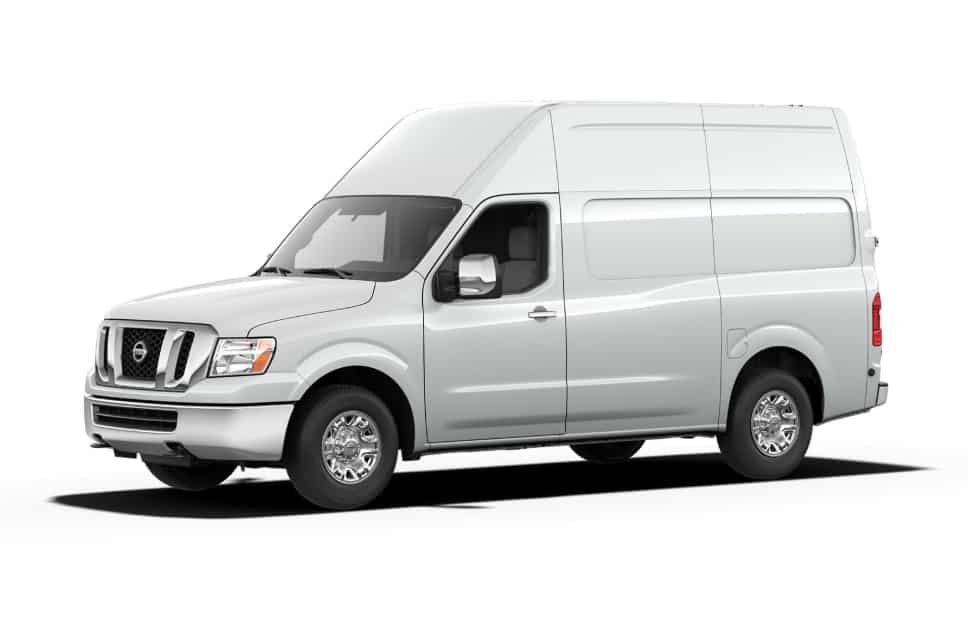
The Nissan NV has earned a strong reputation as a dependable full size van. Many businesses choose it because it offers a durable truck based platform and dependable engines. Even so, every vehicle develops problems over time. High mileage, heavy payloads, and poor maintenance often increase the risk of expensive repairs.
This guide focuses on the Nissan NV1500, NV2500 HD, and NV3500 HD built between 2012 and 2021. It does not cover the smaller Nissan NV200 because that model uses a different platform and powertrain. Throughout this article, the term Nissan NV refers only to the full size van lineup.
Most Nissan NV owners report reliable daily performance. However, some vehicles develop engine misfires, oil leaks, transmission shifting issues, electrical faults, brake wear, or exhaust problems as mileage increases. In many cases, regular maintenance prevents these issues from becoming serious. Ignoring early warning signs usually leads to higher repair costs.
Model year alone does not determine reliability. Service history, commercial use, towing frequency, and completed recall repairs matter much more. A well maintained high mileage van often performs better than a neglected vehicle with fewer miles. Buyers should always inspect the vehicle before making a decision.
This guide explains the most common Nissan NV problems, their warning signs, likely causes, and estimated repair costs. You will also learn which model years deserve closer inspection and what to check before buying a used Nissan NV. After reading this guide, you can evaluate any Nissan NV with greater confidence and avoid many costly mistakes.
What Are the Most Common Nissan NV Problems?
The most common Nissan NV problems involve the engine, transmission, electrical system, exhaust, brakes, suspension, and factory recalls. Most of these issues appear after years of commercial use or high mileage. However, regular maintenance often delays major failures. Owners who recognize early warning signs can usually reduce repair costs and avoid unexpected breakdowns.
Engine problems rank among the most frequently reported concerns. Oil leaks, ignition coil failures, and engine misfires become more common as seals, gaskets, and ignition components wear out. Many drivers first notice a burning oil smell, rough idle, or a flashing check engine light. These symptoms require immediate attention because they can lead to more expensive engine damage if ignored.
Transmission issues also deserve careful attention. Some owners notice delayed engagement, harsh shifting, or hesitation during acceleration. Low transmission fluid, worn internal components, and heavy commercial use often contribute to these symptoms. Early diagnosis usually costs far less than a complete transmission rebuild.
The exhaust system can also create costly repairs. A cracked exhaust manifold or a restricted catalytic converter may reduce engine performance and fuel economy. Drivers often hear a ticking noise during a cold start or notice a loss of power while driving uphill. If the engine continues to misfire, the catalytic converter may fail much sooner than expected.
Electrical faults become more common as the vehicle ages. Weak batteries, failing alternators, worn starter motors, and faulty sensors can all prevent the engine from starting. In many cases, a simple charging system test identifies the real problem before unnecessary parts are replaced.
Brake and suspension components also experience significant wear because many Nissan NV vans carry heavy cargo throughout their working life. Worn brake rotors, noisy wheel bearings, damaged ball joints, and weak shock absorbers gradually reduce driving comfort and safety. Although these parts naturally wear over time, neglected maintenance often accelerates the process.
Not every Nissan NV develops these problems. Vehicle condition depends on maintenance history, driving habits, payload, towing frequency, climate, and completed recall repairs. Buyers should evaluate each van individually instead of assuming every model year has the same level of reliability.
What Engine Problems Affect the Nissan NV?
Engine problems usually begin with small warning signs, but they can become expensive when owners ignore them. Oil leaks, ignition failures, engine misfires, fuel delivery issues, and power loss represent the most common engine related concerns. Fortunately, technicians can diagnose most of these problems before they cause severe mechanical damage.
Oil leaks often develop as gaskets and seals age. Drivers may notice fresh oil under the vehicle, a burning oil smell, or light smoke near the engine bay. Small leaks may seem harmless at first. However, continuous oil loss reduces lubrication and increases engine wear. Oil that reaches hot exhaust components can also create smoke and unpleasant odors.
Ignition problems frequently cause rough idle and poor acceleration. Worn spark plugs or failing ignition coils prevent the engine from burning fuel efficiently. As a result, the engine may shake while idling, hesitate during acceleration, or trigger a check engine light. A flashing warning light deserves immediate attention because an active misfire can overheat and damage the catalytic converter.
Fuel delivery problems can produce similar symptoms. A weak fuel pump, restricted fuel filter, or faulty injector may reduce fuel pressure. The engine may struggle to start, lose power under load, or stall unexpectedly. Because several faults create similar symptoms, technicians should always perform a diagnostic scan before replacing parts.
Some owners also report reduced engine performance during heavy towing or when carrying maximum payload. In these situations, overheating, restricted exhaust flow, or transmission problems may contribute to the loss of power. Replacing engine components without confirming the root cause often increases repair costs and fails to solve the problem.
Routine maintenance remains the best way to prevent major engine repairs. Regular oil changes, timely spark plug replacement, cooling system inspections, and prompt diagnosis of warning lights help the Nissan NV deliver reliable performance for many years. Owners who address small problems early often avoid much larger repair bills later.
What Transmission Problems Affect the Nissan NV?
The Nissan NV uses a conventional automatic transmission instead of the continuously variable transmission found in several smaller Nissan models. This design generally offers good durability. However, high mileage, heavy payloads, and delayed maintenance can still lead to transmission problems over time.
Many owners first notice delayed engagement when shifting into Drive or Reverse. Others experience harsh gear changes, hesitation during acceleration, or occasional slipping between gears. These symptoms often appear gradually rather than all at once. As a result, drivers sometimes overlook the problem until transmission performance becomes noticeably worse.
Low or degraded transmission fluid remains one of the most common causes of shifting issues. Dirty fluid loses its ability to lubricate and cool internal components. Continuous operation under these conditions increases wear on clutch packs, bearings, and valve body components. Fluid leaks can create the same problem because the transmission cannot maintain proper hydraulic pressure.
Heavy commercial use also places additional stress on the transmission. Frequent stop and go driving, towing, and carrying maximum payloads generate more heat than normal driving conditions. Excessive heat accelerates fluid breakdown and shortens the lifespan of internal parts. Routine fluid inspections help reduce this risk and allow technicians to identify small leaks before they become major repairs.
Not every shifting problem indicates complete transmission failure. Worn engine mounts, faulty sensors, software issues, or low fluid levels can produce similar symptoms. A professional inspection should always confirm the root cause before expensive parts are replaced.
Drivers should stop operating the vehicle if the transmission slips severely, refuses to engage a gear, overheats, or produces grinding noises. Continuing to drive under these conditions can cause extensive internal damage. Early diagnosis usually results in a less expensive repair and improves the chances of avoiding a full transmission replacement.
What Exhaust and Emissions Problems Affect the Nissan NV?
Exhaust and emissions problems usually develop slowly, but they can reduce performance and increase repair costs if owners ignore them. The most common concerns include exhaust manifold leaks, catalytic converter failure, damaged oxygen sensors, and restricted exhaust flow. These problems often appear together because one fault can trigger another.
A leaking exhaust manifold often creates a ticking sound during a cold start. The noise may become quieter as the engine reaches normal operating temperature. Cracked manifolds, damaged gaskets, and repeated heating cycles commonly cause this condition. In addition to the noise, drivers may notice an exhaust smell or reduced engine performance.
Catalytic converter failure often results from another unresolved engine problem. Engine misfires, excessive fuel entering the exhaust system, oil consumption, and coolant contamination all increase the converter’s operating temperature. Over time, excessive heat damages the internal catalyst and reduces its ability to control emissions. Simply replacing the converter without fixing the original fault often leads to another failure.
Drivers may also notice sluggish acceleration, poor fuel economy, or a check engine light when the exhaust system becomes restricted. A blocked catalytic converter limits exhaust flow and forces the engine to work harder. As a result, the vehicle may struggle during highway acceleration or while climbing steep grades. These symptoms can resemble transmission or fuel system problems, so proper diagnosis remains essential.
Exhaust leaks also create an important safety concern. Harmful exhaust gases can enter the passenger compartment if cracks or leaks develop near the front of the vehicle. Drivers who notice strong exhaust odors inside the cabin should arrange an inspection as soon as possible. Repairing the leak quickly protects both vehicle performance and occupant safety.
Regular inspections help prevent many exhaust related repairs. Addressing engine misfires, replacing worn oxygen sensors, and repairing small leaks early often extends the life of the catalytic converter. This approach also improves fuel efficiency and helps the Nissan NV meet emissions standards throughout its service life.
What Electrical and Starting Problems Affect the Nissan NV?
Electrical and starting problems can affect any Nissan NV as it ages. Most issues involve the battery, alternator, starter motor, wiring, or engine sensors. These components wear over time and often fail without much warning. Fortunately, a systematic diagnosis usually identifies the faulty part before repairs become expensive.
A weak battery remains one of the most common causes of starting problems. Drivers may notice slow engine cranking, dim headlights, or dashboard lights that flicker during startup. Cold weather and long periods without driving often make these symptoms worse. Testing the battery and charging system helps confirm whether the battery has reached the end of its service life.
The alternator also plays a critical role because it keeps the battery charged while the engine runs. A failing alternator may trigger the battery warning light or cause electrical accessories to operate poorly. Drivers may also experience repeated battery failures even after installing a new battery. In many cases, the alternator causes the problem rather than the battery itself.
Starter motor failures create different symptoms. The engine may not crank at all, or drivers may hear a single clicking sound when turning the key. Corroded battery terminals, damaged cables, and poor ground connections can produce similar results. For this reason, technicians should inspect the complete starting circuit before replacing the starter.
Faulty crankshaft or camshaft sensors can also prevent the engine from starting. In other cases, the engine may crank normally but fail to fire. Modern diagnostic equipment quickly identifies many of these sensor faults and reduces unnecessary parts replacement.
Commercial equipment can place additional demand on the electrical system. Cargo lighting, refrigeration units, power inverters, and aftermarket accessories all increase battery drain. Owners who install extra equipment should inspect the charging system regularly to maintain reliable performance.
Routine electrical inspections reduce the risk of unexpected breakdowns. Checking battery terminals, testing alternator output, and repairing damaged wiring early help keep the Nissan NV dependable throughout its service life.
What Brake, Steering, and Suspension Problems Affect the Nissan NV?
Brake, steering, and suspension components experience constant stress because many Nissan NV vans carry heavy loads every day. Normal wear eventually affects these systems, but poor road conditions and overloaded cargo can accelerate the damage. Regular inspections help maintain safe handling and reduce repair costs.
Brake vibration is one of the most common complaints. Drivers often notice a shaking steering wheel or vibrating brake pedal while slowing down. Worn brake rotors usually cause this condition, although damaged wheel bearings or suspension components may produce similar symptoms. A complete inspection helps identify the exact source before repairs begin.
Steering problems often develop gradually. Excessive steering play, wandering at highway speeds, or uneven tire wear may indicate worn tie rod ends, ball joints, or steering linkage components. Ignoring these symptoms can reduce vehicle stability and increase tire wear. Replacing worn parts early improves handling and restores steering precision.
Suspension wear also affects ride quality and control. Weak shock absorbers, damaged bushings, and worn suspension joints often create clunking noises when driving over rough roads. Drivers may also notice increased body movement during turns or reduced stability while carrying heavy cargo. These symptoms usually become more noticeable as vehicle mileage increases.
Uneven tire wear provides another important warning sign. Incorrect wheel alignment, worn suspension components, and improper tire pressure all shorten tire life. Heavy commercial use can make the problem worse because uneven weight distribution places extra stress on the suspension. Routine alignment checks help prevent premature tire replacement and improve overall handling.
Brake and suspension problems rarely improve without repairs. Small issues often become larger safety concerns if owners delay maintenance. Regular inspections, timely parts replacement, and proper wheel alignment help the Nissan NV deliver stable braking, predictable steering, and reliable performance for many years.
Which Nissan NV Recalls Should Owners Check?
Every Nissan NV owner should check the vehicle’s recall history before making a purchase or scheduling major repairs. A recall does not automatically mean the van is unreliable. Instead, it shows that Nissan identified a safety concern and released an approved repair. The most important question is whether the required repair has already been completed.
Several Nissan NV model years have received recalls involving safety related components. Depending on the production year, these campaigns may affect the airbag system, ignition switch, brake light switch, or other critical parts. Some recalls address defects that could increase the risk of a crash, while others focus on reducing the chance of component failure during normal driving.
Buyers should always verify recall status by using the vehicle identification number instead of relying on the model year alone. Two vans built in the same year may have different recall histories because production dates and manufacturing locations can vary. A VIN search provides the most accurate information and confirms whether the vehicle still requires factory repairs.
Most recall repairs are completed free of charge through authorized Nissan dealerships. Owners should also request service records because they show whether previous owners completed the required work. A completed recall usually removes the original safety concern and should not discourage someone from buying an otherwise well maintained vehicle.
Before purchasing a used Nissan NV, review the recall history together with maintenance records, inspection reports, and diagnostic results. This approach provides a much clearer picture of the vehicle’s overall condition. A van with complete recall repairs and consistent maintenance often represents a safer investment than one with an incomplete service history.
Which Nissan NV Years Should You Avoid?
No single Nissan NV model year deserves a blanket recommendation to avoid. Vehicle condition has a much greater impact on reliability than the production year alone. Mileage, maintenance history, commercial use, and previous repairs often determine whether a van remains dependable over the long term.
Earlier models naturally carry more age and higher mileage. Rubber seals, suspension parts, cooling system components, and electrical connectors wear out after years of service. Rust may also become a concern in regions that use road salt during winter. These age related issues do not affect every vehicle, but buyers should inspect older models more carefully.
Later model years often benefit from lower average mileage and fewer years of wear. Some also include updated equipment and fewer unresolved service issues. However, newer vehicles usually cost more, and poor maintenance can still create serious mechanical problems. A neglected newer van may require more repairs than an older vehicle with excellent service records.
Instead of avoiding a specific model year, buyers should avoid vehicles with clear signs of neglect. Transmission slipping, active engine misfires, severe oil leaks, overheating history, structural rust, and multiple warning lights all suggest expensive repairs may follow. Missing maintenance records should also raise concerns because they make it difficult to verify how the vehicle was serviced.
A professional pre purchase inspection remains the best way to evaluate any used Nissan NV. Technicians can identify hidden mechanical problems, scan for diagnostic trouble codes, and inspect the engine, transmission, suspension, and braking system. This information allows buyers to negotiate a fair price or walk away before making a costly mistake.
How Much Do Common Nissan NV Repairs Cost?
Repair costs for a Nissan NV vary according to the model year, engine, labor rates, and the extent of the damage. In many cases, early repairs cost far less than waiting for a complete component failure. Addressing small problems quickly also reduces the risk of additional damage to related parts.
The table below shows average repair costs for common Nissan NV problems. These estimates include parts and labor in most cases, although prices may vary by location and repair shop.
| Repair | Estimated Cost (Parts and Labor) |
|---|---|
| Oil leak repair | $200–$900 |
| Ignition coil replacement | $180–$400 |
| Spark plug replacement | $250–$500 |
| Fuel pump replacement | $700–$1,300 |
| Alternator replacement | $500–$900 |
| Starter replacement | $450–$850 |
| Exhaust manifold repair | $600–$1,400 |
| Catalytic converter replacement | $1,200–$2,800 |
| Brake pads and rotors | $350–$900 per axle |
| Wheel bearing replacement | $350–$700 per wheel |
| Suspension repair | $300–$1,200 |
| Transmission diagnosis | $120–$250 |
| Transmission rebuild | $2,800–$4,500 |
| Transmission replacement | $4,500–$7,000 |
Labor rates often explain the largest price differences. Independent repair shops usually charge less than dealerships, while labor costs in major cities tend to be higher than those in smaller markets. Parts selection also affects the final bill. Genuine Nissan parts generally cost more than aftermarket alternatives, but they often provide better fit and long term reliability.
Drivers should never approve major repairs based on symptoms alone. A professional diagnosis confirms the root cause and prevents unnecessary part replacement. Spending a small amount on testing often saves hundreds or even thousands of dollars by avoiding incorrect repairs.
What Should You Check Before Buying a Used Nissan NV?
A careful inspection is the best way to avoid buying a Nissan NV with hidden mechanical problems. The vehicle may look clean and drive well during a short test drive, yet serious issues can remain unnoticed without a systematic inspection. Taking time to examine the van thoroughly often prevents expensive surprises after the purchase.
Start by reviewing the vehicle identification number, maintenance records, and recall history. Service documents reveal whether previous owners followed the recommended maintenance schedule. They also help confirm that major repairs and factory recalls were completed. Missing records do not always indicate a poor vehicle, but they increase the uncertainty about its condition.
Next, inspect the engine bay and the underside of the van. Look for oil leaks, coolant residue, damaged hoses, rust, and signs of previous repairs. Check the tires for uneven wear because this may indicate alignment problems or worn suspension components. The cargo area also deserves attention since excessive wear can suggest years of heavy commercial use.
During the test drive, pay close attention to how the engine starts and how the transmission shifts. The vehicle should accelerate smoothly without hesitation, vibration, or unusual noises. Test the brakes at different speeds and verify that the steering feels stable and responsive. Warning lights should remain off throughout the drive, and the engine should maintain a normal operating temperature.
Before completing the purchase, arrange an independent pre purchase inspection. An experienced technician can scan for diagnostic trouble codes, inspect the transmission, evaluate the suspension, and identify problems that are difficult to detect during a routine test drive. This final inspection provides valuable peace of mind and often strengthens your position when negotiating the purchase price.
Is a Used Nissan NV Worth Buying?
A used Nissan NV is worth buying if it has a solid maintenance history and passes a thorough inspection. Many owners report years of reliable service when they follow the recommended maintenance schedule and address small problems early. The full size van also benefits from durable engines and a conventional automatic transmission, making it an attractive option for businesses and families that need a dependable work vehicle.
Maintenance history matters more than the model year. A well cared for Nissan NV with higher mileage often delivers better reliability than a newer vehicle with poor service records. Buyers should look for regular oil changes, transmission maintenance, brake service, and documented recall repairs. These records show that previous owners invested in the vehicle instead of delaying important repairs.
Mechanical condition deserves the same level of attention. The engine should start easily, idle smoothly, and accelerate without hesitation. The transmission should shift smoothly under light and heavy acceleration. Buyers should also inspect the suspension, steering, brakes, and electrical system because these components experience significant wear in commercial vehicles. Any warning lights, fluid leaks, or unusual noises should receive a professional diagnosis before the purchase moves forward.
A pre purchase inspection remains one of the smartest investments a buyer can make. An experienced technician can identify hidden problems, evaluate expensive components, and estimate future repair costs. This information helps buyers negotiate a fair price or avoid a vehicle that requires major repairs.
Overall, the Nissan NV remains a practical choice for anyone who needs a durable full size van. Buyers should focus on vehicle condition instead of production year alone. A complete service history, successful recall repairs, and a clean inspection report provide far stronger indicators of long term reliability than age or mileage by themselves.