Many Nissan cars have a CVT transmission, especially models equipped with Nissan’s Xtronic CVT technology. Nissan uses continuously variable transmissions in many sedans, SUVs, and compact vehicles because CVT systems provide smooth acceleration and help improve fuel efficiency compared with traditional automatic transmissions.
The Nissan CVT transmission changes gear ratios continuously instead of using fixed gears. This allows the engine to operate efficiently across different driving conditions, including city traffic, highway cruising, and everyday commuting. Popular Nissan models such as the Sentra, Altima, Rogue, Murano, Kicks, and Versa have been available with CVT options depending on the model year and configuration.
Understanding which Nissan cars have a CVT transmission helps buyers compare vehicles, evaluate maintenance requirements, and choose a model that matches their driving needs. This guide explains the Nissan vehicles that use CVT technology, how Nissan Xtronic CVT works, how reliable these transmissions are, and what maintenance practices help maintain long term performance.
Which Nissan Cars Have a CVT Transmission?
Several Nissan vehicles come with a CVT transmission, including the Nissan Sentra, Nissan Altima, Nissan Rogue, Nissan Murano, Nissan Kicks, and Nissan Versa. These models commonly use Nissan’s Xtronic CVT system to provide smoother acceleration and better fuel efficiency.
CVT availability depends on the production year, engine configuration, trim level, and regional specifications. A vehicle name does not always confirm the transmission type because Nissan updates its drivetrain options across different generations. Buyers should check the official specifications for the exact model they want.
The main reason Nissan uses CVT technology is improved efficiency during everyday driving. Unlike traditional automatic transmissions, a CVT does not shift through fixed gear positions. Instead, the system uses a belt and pulley mechanism to create continuous ratio changes based on speed and engine demand.
Compact sedans such as the Sentra and Versa use CVT systems to support economical transportation. Their transmission design helps maintain lower engine workload during normal driving conditions. Mid-size vehicles like the Altima also use Xtronic CVT technology in many versions to deliver smooth acceleration and consistent fuel economy.
SUV models benefit from Nissan CVT technology as well. The Rogue uses a CVT system to balance passenger space with fuel efficiency. For drivers who prefer a larger crossover, the Murano combines CVT operation with a comfortable highway driving experience. The Kicks applies similar technology in a smaller crossover package.
Understanding which Nissan cars have a CVT transmission requires checking both the vehicle model and production details. Nissan has changed transmission options over time, so different model years may have different drivetrain systems.
Which Nissan Sedan Models Use CVT Transmission?
Nissan uses CVT transmissions in several sedan models, including the Nissan Sentra, Nissan Altima, and Nissan Versa. These vehicles use CVT technology because it supports fuel efficiency, smooth acceleration, and comfortable daily driving. The transmission design allows the engine to maintain an efficient operating range without traditional gear changes.
The Nissan Sentra is one of the most common Nissan sedans equipped with a CVT transmission. This compact sedan uses Nissan Xtronic CVT technology to improve fuel economy during city and highway driving. The continuously changing gear ratio helps the Sentra deliver smooth power without noticeable shifting between gears.
The Nissan Altima also uses an Xtronic CVT in many model years and configurations. As a midsize sedan, the Altima focuses on a balance between performance and efficiency. The CVT system helps reduce unnecessary engine strain during steady-speed driving, especially on highways. Some Altima versions with specific engines may have different drivetrain options, so checking the exact configuration remains important.
The Nissan Versa uses CVT technology as part of its focus on affordability and economical transportation. This subcompact sedan benefits from the lightweight design and efficient operation of a CVT system. The combination helps reduce fuel consumption for drivers who use their vehicles mainly for commuting.
Nissan applies CVT transmissions to sedans because these vehicles are often designed for efficiency-focused driving. A CVT can keep engine speed within an effective range, which helps reduce fuel usage compared with older automatic transmission designs. However, maintenance habits and driving conditions still influence long term transmission performance.
When choosing a Nissan sedan with a CVT transmission, buyers should review the model year, engine specification, and maintenance history. These factors provide a clearer understanding of the vehicle’s expected performance and ownership costs.
Which Nissan SUVs Have a CVT Transmission?
Several Nissan SUVs and crossover vehicles use a CVT transmission, including the Nissan Rogue, Nissan Murano, and Nissan Kicks. These models use Nissan Xtronic CVT technology to improve fuel efficiency while providing smooth acceleration for everyday driving.
The Nissan Rogue is one of the most recognized Nissan SUVs equipped with a CVT transmission. This compact crossover uses Xtronic CVT technology to support efficient performance in city traffic and highway conditions. The system continuously adjusts the gear ratio based on vehicle speed, engine demand, and driving conditions. This design helps the Rogue maintain steady power delivery without traditional gear shifting.
The Nissan Murano also uses CVT technology in many model years. As a midsize crossover SUV, the Murano focuses on comfort, quiet operation, and smooth driving performance. The CVT system supports these goals by providing seamless acceleration and helping the engine operate efficiently during longer trips.
The Nissan Kicks uses a CVT transmission in a smaller crossover format. Its lightweight design works well with CVT technology because the transmission can optimize engine output without unnecessary gear changes. This combination helps the Kicks achieve strong fuel economy for urban driving.
Nissan applies CVT transmissions to many SUVs because these vehicles often prioritize efficiency and comfort. A CVT can reduce frequent gear changes during normal driving, which creates a smoother experience for passengers. It also helps manufacturers improve fuel economy ratings while maintaining practical performance.
Before purchasing a Nissan SUV, drivers should confirm the transmission type for the exact model year. Nissan has updated SUV specifications over different generations, so CVT availability may vary between versions. Reviewing factory specifications and maintenance records provides a more accurate picture of the vehicle’s transmission system.
How Does Nissan Xtronic CVT Transmission Work?
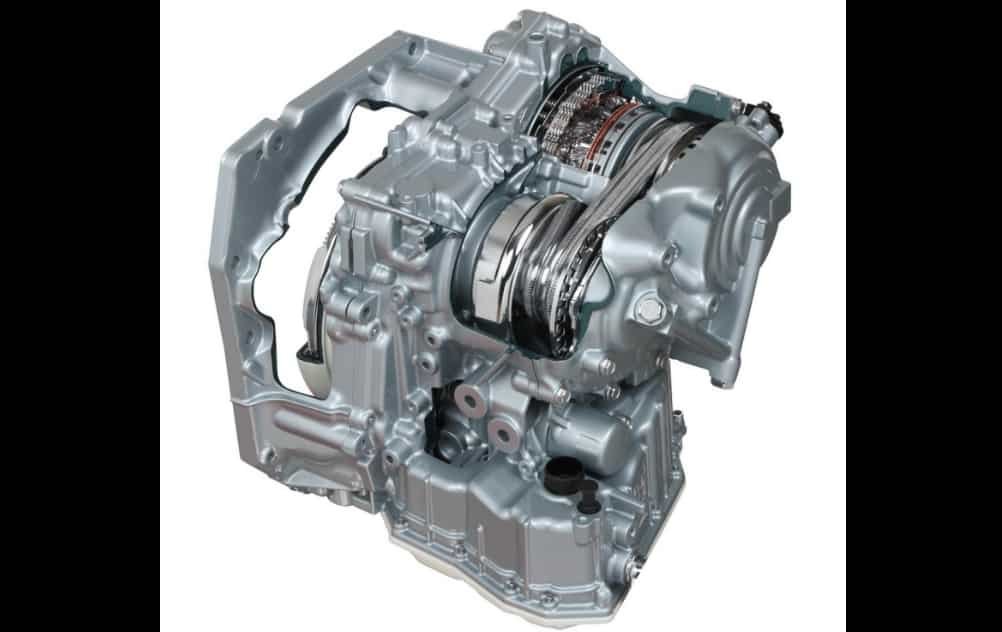
Nissan Xtronic CVT is a continuously variable transmission system that changes gear ratios without using traditional fixed gears. The technology uses a pulley and belt mechanism to adjust the connection between the engine and wheels. This process allows the transmission to select the most efficient ratio for different driving conditions.
Traditional automatic transmissions use a series of fixed gears that shift from one position to another. A CVT works differently because it can create a continuous range of gear ratios. When a driver accelerates, the Xtronic CVT adjusts the pulley diameter to control engine output and maintain efficient power delivery.
The main components of Nissan Xtronic CVT include two variable pulleys and a steel belt or chain that connects them. One pulley receives power from the engine, while the other transfers power to the wheels. Changing the size of the pulley contact points changes the transmission ratio, allowing smooth transitions without noticeable gear shifts.
Nissan designed Xtronic CVT technology to improve several driving characteristics. The system helps engines operate closer to their optimal efficiency range, which can reduce unnecessary fuel consumption. It also provides smoother acceleration because drivers do not feel traditional gear changes during normal operation.
The CVT system works differently depending on driving conditions. During city driving, it adjusts ratios frequently to support efficient acceleration and stop-and-go traffic. During highway driving, it maintains a suitable ratio to reduce engine workload and support consistent performance.
Although Nissan Xtronic CVT provides efficiency benefits, proper maintenance remains important for long-term performance. CVT fluid condition, driving habits, and operating temperature all affect transmission reliability. Following the manufacturer’s maintenance recommendations helps the system continue operating as designed.
Are Nissan CVT Transmissions Reliable?
Nissan CVT transmissions can be reliable when they receive proper maintenance and operate under suitable driving conditions. The reliability of a Nissan CVT depends on several factors, including the vehicle model, production year, driving habits, and transmission service history. A well-maintained CVT can provide smooth performance for many years.
Nissan introduced Xtronic CVT technology to improve efficiency and driving comfort across many vehicles. The system has fewer mechanical shifting components than a traditional automatic transmission, which helps create smoother acceleration. However, CVT systems require specific maintenance practices because they operate differently from conventional gear-based transmissions.
Some Nissan CVT owners report problems such as delayed acceleration, transmission shuddering, overheating, or unusual noises. These issues are often associated with factors such as poor maintenance, incorrect fluid usage, extreme driving conditions, or specific vehicle generations. A transmission problem should be evaluated based on the exact model and symptoms rather than general assumptions about all Nissan CVTs.
CVT fluid maintenance is one of the most important factors affecting transmission performance. Nissan CVT systems require the correct type of fluid because the belt, pulleys, and internal components depend on proper lubrication and temperature control. Using incorrect fluid can reduce transmission efficiency and increase the risk of internal wear.
Driving conditions also influence Nissan CVT durability. Frequent towing, aggressive acceleration, heavy traffic, and high temperatures can increase transmission stress. Regular maintenance and smooth driving habits help reduce unnecessary strain on the CVT system.
When evaluating a Nissan vehicle with a CVT transmission, buyers should review service records and inspect the vehicle’s condition. A properly maintained Nissan CVT can deliver efficient, comfortable, and dependable performance, while neglected maintenance can increase the likelihood of transmission problems.
How Do You Maintain a Nissan CVT Transmission?
Maintaining a Nissan CVT transmission requires regular service, correct fluid usage, and proper driving habits. Unlike traditional automatic transmissions, a CVT depends on a belt, pulley system, and specialized fluid to control power transfer. These components require consistent maintenance to maintain smooth operation and reduce internal wear.
The most important maintenance step is checking and replacing CVT fluid according to Nissan’s recommended service schedule. CVT fluid performs several functions, including lubricating internal components, controlling temperature, and supporting proper hydraulic pressure. Old or contaminated fluid can reduce transmission performance and increase stress on internal parts.
Using the correct Nissan CVT fluid is also essential. CVT systems are designed with specific fluid requirements that differ from conventional automatic transmissions. Using the wrong fluid type can affect belt movement, pulley operation, and overall transmission efficiency.
Driving habits also influence CVT lifespan. Smooth acceleration helps reduce unnecessary stress on the transmission system. Frequent hard acceleration, heavy towing, and prolonged overheating conditions can increase operating pressure and accelerate component wear.
Regular inspections can help identify early warning signs of CVT problems. Symptoms such as delayed response, unusual vibration, hesitation during acceleration, or abnormal noises should be checked by a qualified technician. Early diagnosis can prevent minor issues from developing into more expensive repairs.
Nissan CVT owners should also follow vehicle-specific maintenance recommendations because service intervals vary by model and driving conditions. A Nissan Sentra used for daily commuting may experience different transmission demands compared with a Nissan Rogue used for longer trips or heavier loads.
Proper maintenance does not eliminate every possible transmission issue, but it significantly improves the chance of reliable long-term performance. Regular servicing, correct fluid selection, and responsible driving habits help Nissan CVT systems operate more effectively throughout vehicle ownership.
Are Nissan Cars With CVT Better Than Traditional Automatic Transmissions?
Nissan cars with CVT transmissions and vehicles with traditional automatic transmissions have different advantages. A CVT focuses on efficiency and smooth power delivery, while a traditional automatic transmission focuses on fixed gear changes and familiar driving feedback. The better option depends on the driver’s priorities, vehicle usage, and maintenance expectations.
A Nissan CVT transmission provides smoother acceleration because it does not shift between fixed gears. The system continuously adjusts the gear ratio to match engine demand. This design helps Nissan vehicles maintain efficient engine operation during city driving and highway cruising. Drivers who prioritize fuel economy and comfortable daily transportation often benefit from CVT technology.
Traditional automatic transmissions use multiple fixed gears to transfer engine power. These systems create noticeable shifts between gears, which many drivers prefer because the driving experience feels more familiar. Modern automatic transmissions can also provide strong performance, especially in vehicles designed for towing, high power output, or sporty driving.
Fuel efficiency is one area where CVT technology often provides an advantage. By keeping the engine within an efficient operating range, a CVT can reduce unnecessary fuel consumption during normal driving. However, fuel economy also depends on vehicle weight, engine design, driving conditions, and maintenance quality.
Driving feel is another important difference between the two transmission types. Some drivers prefer the smooth and uninterrupted acceleration of a CVT. Others prefer the shifting sensation of a traditional automatic transmission because it provides clearer feedback during acceleration.
Nissan CVT models are designed mainly for everyday driving, commuting, and efficiency-focused ownership. Traditional automatic transmissions may be more suitable for drivers who need heavier performance capabilities or prefer conventional shifting behavior. Understanding these differences helps buyers choose a Nissan vehicle that matches their specific driving needs.
Conclusion
Nissan uses CVT transmissions in many popular vehicles, including the Sentra, Altima, Rogue, Murano, Kicks, and Versa. These models commonly use Nissan Xtronic CVT technology to provide smooth acceleration, efficient engine operation, and comfortable daily driving performance.
Choosing a Nissan vehicle with a CVT transmission requires more than checking the vehicle name alone. The transmission type can change depending on the model year, engine configuration, trim level, and market. Reviewing official specifications helps buyers identify the exact drivetrain system before making a purchase decision.
Nissan CVT reliability depends largely on maintenance quality and driving conditions. Regular CVT fluid service, correct maintenance procedures, and responsible driving habits play important roles in maintaining long term transmission performance. A properly maintained CVT can provide efficient and dependable operation throughout vehicle ownership.
For drivers comparing Nissan models, understanding how CVT technology works helps create better expectations about performance, fuel economy, and maintenance needs. Nissan CVT vehicles are designed mainly for drivers who value efficiency, smooth operation, and comfortable everyday transportation.