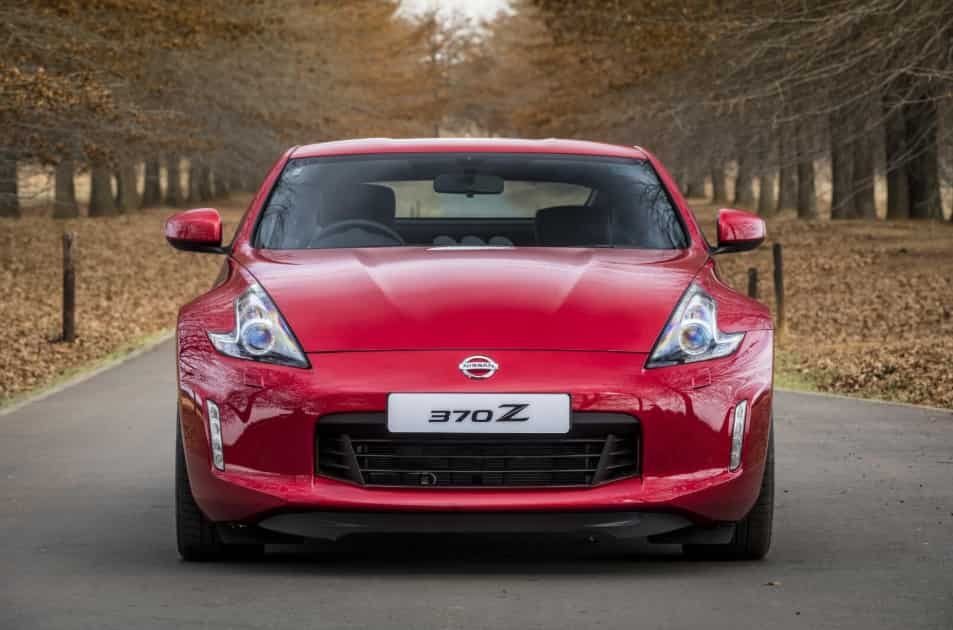
The Nissan 370Z is generally a reliable sports car, but it has several known problems that owners and used car buyers should understand. The most important Nissan 370Z problems include oil gallery gasket failure, clutch slave cylinder failure, steering lock faults, differential bushing wear, fuel starvation during hard cornering, and age related suspension or electrical issues. Some of these faults can cause expensive repairs, while others mainly affect comfort, handling, or daily usability.
However, not every Nissan 370Z develops the same problems. Reliability depends on the model year, transmission type, mileage, maintenance history, driving conditions, and quality of any aftermarket modifications. A well maintained 370Z with complete service records can remain dependable for many years. In contrast, a neglected, heavily modified, or frequently tracked car may require major repairs soon after purchase.
This guide explains the most common Nissan 370Z problems, their symptoms, their likely causes, and their effect on long term reliability. It also covers engine, transmission, clutch, suspension, steering, electrical, cooling, and convertible roof concerns. In addition, you will learn which model years require closer inspection, how expensive the car is to maintain, and what to check before buying a used Nissan 370Z.
What Are the Most Common Nissan 370Z Problems?
Several recurring issues affect the Nissan 370Z throughout its production years. Most owners encounter problems involving the engine, clutch, steering, suspension, or electrical system as the vehicle ages. While many of these faults develop gradually through normal wear, a few can trigger expensive repairs if owners ignore the early warning signs. Learning about these common problems helps buyers evaluate a used Nissan 370Z more confidently and allows current owners to prevent unnecessary repair bills.
The oil gallery gasket creates the greatest concern because it protects the engine’s oil pressure. When the gasket begins to deteriorate, oil pressure drops and reduces lubrication inside the VQ37VHR engine. Low oil pressure increases friction between moving components and accelerates wear on bearings, camshafts, and other internal parts. Drivers often notice an oil pressure warning, ticking noises, or reduced performance before the damage becomes severe. Taking immediate action usually prevents catastrophic engine failure and significantly lowers repair costs.
The clutch hydraulic system also causes trouble, especially in manual transmission models. The concentric slave cylinder controls clutch engagement from inside the transmission bell housing. Once hydraulic pressure drops, the clutch pedal feels soft, sticks to the floor, or struggles to disengage the transmission. Drivers often experience difficult gear changes before the component fails completely. Since technicians must remove the transmission to replace the slave cylinder, labor costs account for most of the repair expense. Many owners install an upgraded replacement during the same repair to improve long-term durability.
Early production models may also experience steering lock failure. A faulty steering lock module prevents the ignition system from unlocking the steering column, leaving the vehicle unable to start. Although this problem does not damage the engine, it can leave drivers stranded without warning. Buyers should confirm whether the previous owner completed the factory repair or recall before purchasing the vehicle.
As mileage increases, normal wear begins to affect the suspension and drivetrain. Differential bushings lose their strength, suspension bushings crack, and wheel bearings gradually wear out. These components often produce clunking sounds, vibration, steering instability, and uneven tire wear before they fail completely. Regular inspections allow owners to replace worn parts early and maintain the sharp handling that makes the Nissan 370Z enjoyable to drive.
Not every Nissan 370Z develops every one of these problems. Proper maintenance, responsible driving, and timely repairs play a much larger role in long-term reliability than model year alone. Buyers should focus on service history, mechanical condition, and inspection results instead of assuming that every used Nissan 370Z carries the same level of risk.
What Engine Problems Affect the Nissan 370Z?
The VQ37VHR engine gives the Nissan 370Z a strong reputation for performance and durability. Many owners drive well beyond 150,000 miles without major engine repairs when they follow the recommended maintenance schedule. However, several recurring issues can shorten the engine’s lifespan if drivers overlook early warning signs. Oil gallery gasket failure, excessive oil consumption, cooling system faults, and catalytic converter problems rank among the most common engine-related concerns.
Oil gallery gasket failure creates the highest risk because it directly affects engine lubrication. The gasket seals internal oil passages that distribute pressurized oil throughout the engine. As the gasket deteriorates, oil pressure gradually drops and reduces the amount of lubrication reaching critical components. Drivers may notice an oil pressure warning light, ticking noises during startup, or a gradual decline in engine performance. Continuing to drive with low oil pressure increases internal wear and may lead to severe engine damage. For that reason, owners should investigate any oil pressure warning immediately instead of waiting for additional symptoms to appear.
Some Nissan 370Z models also consume engine oil as mileage increases. Normal engine wear, aggressive driving, and extended oil change intervals often contribute to this condition. Drivers who rarely check the oil level may allow the engine to run with insufficient lubrication, which increases friction and operating temperature. Checking the dipstick regularly remains one of the simplest ways to prevent unnecessary engine wear, especially before long trips or spirited driving.
The cooling system and catalytic converters also require regular attention. A worn radiator, failing thermostat, damaged cooling fan, or coolant leak can raise engine temperatures and increase the risk of overheating. At the same time, excessive heat or prolonged oil burning can shorten the lifespan of the catalytic converters and trigger the check engine light. Owners who address these problems early usually avoid more expensive repairs and preserve the long-term reliability of the Nissan 370Z engine.
What Transmission and Clutch Problems Affect the Nissan 370Z?
The Nissan 370Z offers both a six speed manual transmission and a seven speed automatic transmission. Both gearboxes provide solid performance under normal driving conditions, but each one has its own reliability concerns. Manual models commonly experience clutch hydraulic failures, while automatic models may develop shifting issues after years of use or poor maintenance. Understanding these differences helps owners identify problems early and choose the right vehicle when shopping for a used 370Z.
The most well-known transmission issue affects manual models and involves the concentric slave cylinder. This hydraulic component operates the clutch from inside the transmission bell housing. As seals wear or hydraulic pressure drops, the clutch pedal may feel soft, stick to the floor, or fail to disengage the clutch completely. Drivers often notice difficult gear changes, inconsistent clutch engagement, or grinding when selecting first or reverse gear. Because technicians must remove the transmission to access the slave cylinder, repair costs usually remain high. Many owners install an upgraded aftermarket unit during the repair to improve long-term reliability.
The clutch master cylinder can also wear over time and create symptoms that resemble slave cylinder failure. A worn master cylinder reduces hydraulic pressure and makes the clutch pedal feel inconsistent during operation. In some cases, both hydraulic components fail within a similar period because they experience the same age and operating conditions. Inspecting the complete clutch hydraulic system helps technicians identify the actual source of the problem and prevents unnecessary parts replacement.
Automatic transmission models generally deliver dependable performance, but they still require regular maintenance. Old transmission fluid, excessive heat, or worn internal components can cause delayed engagement, harsh shifts, or hesitation during acceleration. Drivers should also pay attention to warning lights or unusual shifting behavior because these symptoms often indicate sensor or valve body issues. A smooth test drive, clean transmission fluid, and consistent gear changes usually suggest that the transmission remains in good condition. Regular servicing and early diagnosis allow both manual and automatic Nissan 370Z models to deliver reliable performance for many years.
Why Does the Nissan 370Z Steering Lock Fail?
Steering lock failure is one of the most recognizable Nissan 370Z problems because it can prevent the car from starting without damaging the engine. The electronic steering lock secures the steering wheel when the ignition is off and unlocks it when the driver starts the vehicle. When this module stops working, the ignition system cannot complete the startup process, even if the battery, starter motor, and engine remain in good condition. As a result, the vehicle may become completely immobilized with little or no warning.
Most steering lock failures occur in early production models, although owners should never assume that every vehicle from those years will develop the problem. Component wear, age, and repeated locking cycles gradually increase the risk of failure over time. Drivers often notice that the ignition button no longer responds or that the steering wheel remains locked after inserting the key fob. In many cases, the dashboard illuminates normally, but the engine will not crank because the steering lock module cannot communicate with the ignition system.
Anyone shopping for a used Nissan 370Z should verify whether the previous owner completed the steering lock repair or received the applicable service campaign. A complete service history provides valuable evidence that the vehicle has already addressed this known issue. Buyers should also perform several start and stop cycles during the inspection instead of relying on a single successful startup. Repeating the process helps reveal intermittent faults that may not appear immediately.
Although many owners have developed temporary bypass methods, those solutions rarely provide the same reliability as a professional repair. Poorly executed electrical modifications may introduce additional faults and complicate future diagnostics. A properly repaired steering lock system offers far greater peace of mind and reduces the risk of becoming stranded unexpectedly. Confirming the condition of this component remains an essential step before purchasing any used Nissan 370Z.
What Suspension, Differential, and Wheel Problems Affect the Nissan 370Z?
The Nissan 370Z delivers sharp handling, but its suspension and drivetrain components experience gradual wear as mileage increases. Most owners notice problems in the differential bushings, suspension bushings, wheel bearings, or alignment system after years of regular driving. Aggressive cornering, rough road conditions, and performance modifications can accelerate this wear even further. Although these components rarely fail without warning, delaying repairs often reduces handling precision and increases the cost of future maintenance.
The differential bushing ranks among the most common chassis-related issues. Nissan designed the original bushing to absorb drivetrain movement and vibration during acceleration. Over time, the rubber material weakens and may begin to crack or leak. Once the bushing loses its strength, the differential moves more than intended during gear changes and hard acceleration. Drivers often hear clunking sounds from the rear of the vehicle or notice excessive movement when shifting between gears. Replacing the worn bushing restores drivetrain stability and improves driving confidence.
Suspension bushings also wear naturally after years of use. As the rubber deteriorates, the suspension can no longer control wheel movement as effectively as it did when new. Drivers may feel additional vibration through the steering wheel, hear knocking noises over uneven roads, or experience uneven tire wear. Poor alignment often develops alongside worn bushings because loose suspension components allow the wheels to move outside their intended position. Regular suspension inspections help owners identify these problems before they affect tire life or vehicle stability.
Wheel bearings deserve equal attention because they support the vehicle’s weight while allowing each wheel to rotate smoothly. As bearings wear, they often produce a humming or growling noise that becomes louder with speed or changes while turning. Many drivers mistake this sound for tire noise, which makes a proper inspection especially important. Replacing worn bearings promptly helps protect nearby suspension components and preserves the responsive handling that makes the Nissan 370Z enjoyable to drive. Routine inspections, proper wheel alignment, and timely replacement of worn parts remain the best way to keep the suspension and drivetrain performing as designed.
Does the Nissan 370Z Suffer From Fuel Starvation?
Yes, the Nissan 370Z can experience fuel starvation under specific driving conditions. This problem usually occurs during sustained high-speed cornering rather than everyday driving. Most owners never encounter it on public roads because normal commuting does not generate enough lateral force to interrupt fuel delivery. However, drivers who participate in track days, autocross events, or spirited mountain driving may notice temporary power loss when the fuel level becomes too low.
Fuel starvation occurs because fuel moves away from the pickup area inside the fuel tank during aggressive cornering. As the vehicle generates high lateral forces, the fuel shifts to one side of the tank and temporarily limits the fuel pump’s ability to supply a consistent flow. When fuel pressure drops, the engine may hesitate, lose power, or briefly misfire until the pump reaches fuel again. These symptoms usually disappear once the vehicle returns to a straight line or the fuel pressure stabilizes. Although the interruption often lasts only a few seconds, repeated occurrences can reduce driver confidence during performance driving.
Several factors increase the likelihood of fuel starvation. A low fuel level creates the highest risk because less fuel remains available around the pickup area. Sticky performance tires and upgraded suspension components also generate higher cornering forces, which increase fuel movement inside the tank. Drivers who frequently use the Nissan 370Z on race circuits often keep the fuel tank at least half full to reduce this risk. Some enthusiasts also install aftermarket fuel system upgrades that provide a more consistent fuel supply during prolonged cornering.
Drivers should not confuse fuel starvation with fuel pump failure or ignition problems because the symptoms can appear similar. A failing fuel pump often causes hesitation under many driving conditions, while fuel starvation usually appears only during hard cornering with a low fuel level. Identifying the correct cause helps owners avoid unnecessary repairs and choose the most effective solution. For most daily drivers, fuel starvation remains an uncommon issue, but performance enthusiasts should understand its causes before taking the Nissan 370Z onto the track.
What Brake and Cooling Problems Affect the Nissan 370Z?
The Nissan 370Z offers strong braking performance and a dependable cooling system, but both require regular maintenance to perform consistently. Most problems develop gradually as components wear or fluids lose their effectiveness. Drivers who use the car for track days or spirited driving place even greater stress on these systems because repeated hard acceleration and braking generate much higher temperatures. Ignoring early symptoms can reduce performance and increase the likelihood of costly repairs.
Brake components naturally wear with age and mileage. Brake pads become thinner, rotors develop uneven surfaces, and brake fluid absorbs moisture over time. As these components deteriorate, drivers may notice vibration while braking, a soft brake pedal, squealing noises, or longer stopping distances. In some cases, the vehicle may pull to one side during braking because a caliper no longer applies equal pressure. Replacing worn brake components at the recommended intervals helps maintain consistent braking performance and improves overall driving safety.
The cooling system also plays a critical role in protecting the VQ37VHR engine. A healthy radiator, water pump, thermostat, and cooling fan work together to regulate engine temperature under different driving conditions. When one of these components begins to fail, coolant circulation becomes less effective and engine temperatures rise. Drivers may notice a rising temperature gauge, coolant leaks, or steam from the engine bay before overheating occurs. Addressing these symptoms quickly helps prevent serious engine damage and reduces the chance of expensive repairs.
Performance driving places additional demands on both systems. Repeated hard braking generates extreme heat that accelerates brake pad and rotor wear, while continuous high engine speeds increase cooling system temperatures. Owners who frequently drive on race tracks often upgrade brake pads, install high-performance brake fluid, or improve engine cooling to handle these conditions more effectively. Even without modifications, regular inspections, fresh fluids, and preventive maintenance allow the Nissan 370Z to deliver reliable braking performance and stable engine temperatures throughout its service life.
What Electrical and Interior Problems Affect the Nissan 370Z?
The Nissan 370Z experiences fewer electrical problems than many sports cars in its class, but several components become less reliable as the vehicle ages. Most electrical faults affect convenience features rather than major mechanical systems. Battery issues, power window malfunctions, faulty sensors, and warning lights account for the majority of owner complaints. Although these problems rarely leave the vehicle undrivable, they can create frustration and lead to expensive diagnostic work if owners ignore the early symptoms.
Battery-related problems appear most often in vehicles that sit unused for extended periods. A weak battery can trigger slow engine cranking, intermittent warning lights, or unexpected starting problems. In some cases, aftermarket alarms, audio systems, or poorly installed accessories create a small but constant electrical drain that gradually discharges the battery. Testing the charging system and checking for parasitic battery drain usually identifies the root cause before owners replace unnecessary parts.
Power windows also develop problems as the vehicle ages. Drivers may notice that the automatic window function stops working after disconnecting the battery or replacing electrical components. Fortunately, many of these cases require only a simple window reset procedure rather than a replacement motor. However, worn window regulators or failing motors can slow window movement, create unusual noises, or prevent the glass from closing completely. Repairing these components early helps prevent additional damage to the door mechanism.
Dashboard warning lights deserve immediate attention because they often indicate an underlying issue instead of a faulty sensor. The check engine light may appear because of emissions-related faults, oxygen sensor failures, or ignition system problems. Other warning lights can result from low battery voltage, tire pressure monitoring system faults, or aging electronic components. Scanning the vehicle with a professional diagnostic tool allows technicians to identify the exact cause instead of relying on guesswork. Routine inspections and prompt repairs keep the Nissan 370Z’s electrical system reliable and reduce the risk of recurring faults as the vehicle continues to age.
What Problems Affect the Nissan 370Z Convertible Roof?
The Nissan 370Z Roadster offers the same driving experience as the coupe while adding the convenience of a power-operated convertible roof. However, the additional mechanical and electrical components increase the likelihood of age-related problems. Most owners do not experience frequent roof failures, but repairs can become expensive because the system relies on multiple motors, sensors, hydraulic components, and control modules. Buyers who consider a used Roadster should inspect the entire roof system as carefully as the engine or transmission.
The power roof mechanism can develop faults after years of regular operation. Worn electric motors, failing hydraulic cylinders, or damaged position sensors may interrupt the opening and closing sequence. When one component stops working correctly, the roof may pause halfway through its movement, operate more slowly than normal, or refuse to complete the cycle. Drivers may also hear unusual noises or notice that the roof no longer locks securely after closing. These symptoms often become more noticeable over time, so early diagnosis helps prevent additional damage to related components.
Weather seals also require regular attention because they protect the cabin from water and wind. As rubber seals age, they lose flexibility and no longer create a tight barrier around the roof. Water may enter the cabin during heavy rain, while excessive wind noise may appear at highway speeds. Moisture inside the vehicle can also damage carpets, upholstery, and electrical connectors if owners fail to repair leaking seals promptly. Inspecting the seals for cracks or visible wear remains an important part of routine maintenance.
Anyone shopping for a used Nissan 370Z Roadster should operate the roof several times before completing the purchase. A single successful cycle does not always confirm that the mechanism works consistently because intermittent faults may appear only after repeated operation. Buyers should also inspect the trunk, headliner, and interior panels for signs of previous water leaks or moisture damage. A fully functional roof with documented maintenance records usually indicates that the previous owner cared for the vehicle properly and reduced the risk of costly repairs in the future.
Which Nissan 370Z Model Years Have the Most Problems?
Early Nissan 370Z model years report more reliability concerns than later versions. However, the model year does not determine whether a vehicle is a good purchase. Maintenance history matters far more. Mileage, driving habits, accident history, and modification quality also influence long-term reliability. A well-maintained early model often proves more dependable than a neglected newer one.
The 2009 and 2010 Nissan 370Z receive the most attention from buyers. These models experienced several well-documented issues during the first production years. Steering lock failure became one of the best-known problems. It could prevent the vehicle from starting without warning. Some early cars also developed oil gallery gasket failure as mileage increased. This issue reduced oil pressure and accelerated engine wear. Although these faults did not affect every vehicle, they damaged the reputation of the earliest model years.
Nissan introduced several improvements as production continued. Updated components helped reduce some early concerns. Later models generally benefited from these engineering changes. Even so, they still developed normal age-related wear. Clutch hydraulic failures, suspension bushing wear, wheel bearing noise, and electrical faults can appear on almost any Nissan 370Z. Regular maintenance plays a much bigger role than the production year because every mechanical component eventually wears out.
Buyers should always review the service history before making a decision. Complete records show whether previous owners performed routine maintenance and completed important repairs. A pre-purchase inspection should include an oil pressure check, a clutch inspection, a suspension inspection, and a diagnostic scan. These checks reveal hidden problems before they become expensive repairs. In the end, vehicle condition matters much more than the production year. Choosing the best-maintained Nissan 370Z usually leads to a better ownership experience.
Is the Nissan 370Z Reliable?
Yes, the Nissan 370Z is a reliable sports car when owners maintain it properly. The VQ37VHR engine delivers strong long-term durability, and many vehicles exceed 150,000 miles without major mechanical failures. However, reliability depends on regular servicing rather than the badge or model year alone. Owners who ignore warning signs often face expensive repairs that proper maintenance could have prevented.
The engine represents one of the strongest parts of the Nissan 370Z. Regular oil changes, routine inspections, and a healthy cooling system help the engine perform consistently for many years. Drivers should also monitor oil pressure because oil gallery gasket failure remains one of the few issues that can cause serious engine damage. Detecting this problem early usually prevents costly internal repairs and extends engine life.
Transmission reliability varies by configuration. The six-speed manual transmission delivers an engaging driving experience, but the concentric slave cylinder remains a known weak point. Replacing the original component with an upgraded version often improves long-term dependability. The seven-speed automatic transmission generally performs well when owners replace the transmission fluid at appropriate intervals and address shifting problems before they become severe.
Vehicle condition also plays a major role in overall reliability. A stock Nissan 370Z with complete service records usually presents fewer risks than a heavily modified example. Poor engine tuning, aggressive suspension modifications, and frequent track use place additional stress on mechanical components. Buyers should inspect every modified vehicle carefully because performance upgrades do not always improve reliability.
Overall, the Nissan 370Z remains one of the more dependable sports cars in its segment. It does have several well-known weaknesses, but most owners can manage them through preventive maintenance and timely repairs. Buyers who choose a well-maintained vehicle and continue following the recommended service schedule can expect many years of reliable ownership.
How Long Does a Nissan 370Z Last?
A well-maintained Nissan 370Z can last more than 150,000 miles, and many owners report reaching 200,000 miles without major engine or transmission failures. The exact lifespan depends on maintenance quality, driving habits, and repair history. Regular servicing allows the VQ37VHR engine to remain dependable for many years. In contrast, neglected maintenance can shorten the vehicle’s lifespan and lead to expensive repairs.
Routine maintenance has the greatest impact on long-term reliability. Engine oil protects internal components from excessive friction and heat, so owners should follow the recommended oil change intervals and check the oil level regularly. The cooling system also requires attention because overheating can damage the engine even after a single severe incident. Replacing worn fluids, filters, and cooling components on time helps the powertrain operate efficiently throughout its service life.
Driving habits also influence how long a Nissan 370Z lasts. Gentle acceleration, smooth gear changes, and responsible driving place less stress on the engine, clutch, and drivetrain. By comparison, frequent drag racing, drifting, or track use increases wear on mechanical components. High-performance modifications can create additional stress as well, especially when owners combine them with poor tuning or inconsistent maintenance.
Mileage tells only part of the story. A low-mileage Nissan 370Z may still develop problems if it spends long periods parked without proper care. Rubber seals can dry out, fluids can deteriorate, and the battery can lose capacity over time. Meanwhile, a higher-mileage car with complete service records often delivers better reliability because previous owners repaired problems before they became serious.
Buyers should evaluate the vehicle’s overall condition instead of focusing only on the odometer. A thorough inspection, complete maintenance records, and consistent oil pressure provide stronger evidence of long-term reliability than mileage alone. Choosing a well-maintained Nissan 370Z gives owners the best chance of enjoying dependable performance for many years.
How Expensive Is a Nissan 370Z to Maintain?
The Nissan 370Z costs more to maintain than a typical family sedan, but it remains less expensive than many European sports cars. Routine maintenance stays relatively affordable when owners service the vehicle on schedule. However, repair costs can increase quickly if major components fail or previous owners neglect regular maintenance. Buyers should understand both routine expenses and potential repair costs before purchasing a used Nissan 370Z.
Routine maintenance includes oil changes, filter replacements, brake fluid, coolant, transmission fluid, and differential fluid. These services protect the engine and drivetrain while reducing long-term wear. Replacing fluids at the recommended intervals also helps prevent unnecessary mechanical problems. Owners who delay basic maintenance often face higher repair bills because small issues can develop into major failures.
Wear items also contribute to annual ownership costs. Brake pads, brake rotors, performance tires, batteries, and suspension bushings all require replacement as mileage increases. Tire replacement often represents one of the largest routine expenses because the Nissan 370Z uses wide performance tires that wear faster than standard passenger car tires. Drivers who enjoy spirited driving or attend track events usually replace these components more frequently.
Major repairs create the biggest financial risk. Oil gallery gasket failure, concentric slave cylinder replacement, steering lock repairs, and catalytic converter replacement can all require significant labor. Fortunately, these repairs do not affect every vehicle. A well-maintained Nissan 370Z with documented service history often avoids many of these expensive problems. Buyers should inspect maintenance records carefully because preventive repairs often reduce future ownership costs.
Overall, the Nissan 370Z offers reasonable maintenance costs for a high-performance sports car. Routine servicing remains predictable, and replacement parts are widely available. Most owners keep repair expenses under control by following the factory maintenance schedule and addressing small problems before they become major repairs. Preventive maintenance almost always costs less than repairing damage caused by neglect.
What Should You Check Before Buying a Used Nissan 370Z?
Buying a used Nissan 370Z requires more than a quick test drive. A thorough inspection helps identify hidden problems before they become expensive repairs. While the model has a strong reputation for reliability, poor maintenance or aggressive driving can shorten its lifespan. Buyers should evaluate the vehicle’s mechanical condition, service history, and overall appearance before making a final decision.
Start by reviewing the maintenance records. Complete service documentation shows whether previous owners changed the engine oil, replaced fluids, and repaired known issues on time. Consistent records also suggest that the vehicle received regular care throughout its life. If the seller cannot provide maintenance history, buyers should inspect the car more carefully because missing records increase uncertainty.
Next, inspect the engine and drivetrain. Check the engine oil level and look for signs of leaks around the engine and transmission. Listen for unusual ticking, knocking, or rattling noises during a cold start because these sounds may indicate internal wear. During the test drive, verify that the engine reaches normal operating temperature without overheating. Manual models should shift smoothly through every gear, while automatic models should accelerate without hesitation or harsh gear changes.
The suspension and steering system also deserve close attention. Listen for clunking noises over uneven roads and check for vibration at different speeds. Uneven tire wear may indicate worn suspension components or poor wheel alignment. Buyers should also inspect the differential bushing because excessive movement can create drivetrain noise during acceleration. A professional diagnostic scan can reveal stored fault codes even when the dashboard shows no warning lights.
Finally, examine the vehicle for signs of previous modifications or accident repairs. Poorly installed performance parts, mismatched body panels, or uneven paint often indicate previous damage or careless repairs. Buyers should also confirm that any factory recalls or service campaigns have been completed. A professional pre-purchase inspection provides the best protection because an experienced technician can identify problems that are easy to overlook during a casual inspection. Spending money on an inspection before buying often saves thousands of dollars in future repair costs.
How Can You Prevent Common Nissan 370Z Problems?
Preventing common Nissan 370Z problems starts with consistent maintenance and early diagnosis. Most major repairs do not happen without warning. Instead, small issues usually develop over time and become more expensive when owners ignore them. Regular inspections, quality replacement parts, and timely servicing help reduce the risk of unexpected failures and improve long-term reliability.
Engine maintenance should always remain the highest priority. Owners should check the engine oil level regularly and follow the recommended oil change interval. They should also monitor oil pressure because low oil pressure can signal oil gallery gasket failure before serious engine damage occurs. In addition, the cooling system deserves routine attention. Replacing coolant on schedule and inspecting the radiator, thermostat, and water pump help prevent overheating and protect the VQ37VHR engine.
The clutch, transmission, and drivetrain also benefit from preventive maintenance. Drivers should investigate any change in clutch pedal feel instead of waiting for complete failure. Replacing worn hydraulic components early often costs less than repairing additional damage later. Transmission and differential fluids should also remain clean because fresh lubricants reduce wear and improve component life. Regular inspections of the suspension, differential bushings, and wheel bearings also help maintain stable handling and prevent unnecessary tire wear.
Responsible driving habits further improve reliability. Hard launches, repeated drifting, and frequent track use place extra stress on the engine, transmission, suspension, and braking system. Performance modifications can also increase mechanical wear when owners choose poor-quality parts or incorrect engine tuning. Buyers should always select high-quality upgrades and have them installed by experienced professionals. Proper modifications usually support reliability, while poorly planned changes often create new problems.
Preventive maintenance costs far less than major repairs. Addressing small issues early helps owners avoid expensive engine damage, transmission failures, and suspension repairs. A consistent maintenance routine also improves resale value because documented service records give future buyers greater confidence. With proper care, the Nissan 370Z can remain a reliable and enjoyable sports car for many years.
Is a Used Nissan 370Z Worth Buying?
Yes, a used Nissan 370Z is worth buying if it has a clean maintenance history and remains in good mechanical condition. The car offers strong performance, reliable engineering, and a proven VQ37VHR engine. It also delivers a driving experience that many modern sports cars struggle to match. However, buyers should never judge the vehicle by mileage or appearance alone. A detailed inspection provides a much better picture of its long-term reliability.
Service history should become the first priority during the buying process. Complete maintenance records show that previous owners changed fluids, replaced worn components, and addressed known problems before they became serious. A documented repair history also reduces uncertainty because buyers can confirm whether the vehicle has already received important repairs, such as an oil gallery gasket replacement or a clutch hydraulic upgrade.
Mechanical condition matters more than the production year. A well-maintained 2009 model often proves more dependable than a neglected 2018 model. Buyers should inspect the engine for oil leaks, verify normal oil pressure, and confirm that the cooling system works correctly. Manual transmission models should shift smoothly without clutch slippage or grinding. Automatic models should deliver smooth gear changes without hesitation or harsh engagement. The suspension should also remain quiet and stable during the test drive.
Modified vehicles deserve additional attention. High-quality upgrades installed by experienced professionals rarely create major concerns. Poor engine tuning, cheap suspension parts, or undocumented electrical modifications can reduce reliability and increase repair costs. Buyers should ask for receipts and verify that every modification received proper installation and maintenance.
Overall, the Nissan 370Z remains an excellent choice for drivers who want an affordable rear-wheel-drive sports car. Most well-known problems have clear warning signs and proven repair solutions. Buyers who choose a well-maintained example, complete a professional pre-purchase inspection, and continue regular maintenance can expect dependable performance and enjoyable ownership for many years.
What Should Owners and Buyers Remember About Nissan 370Z Problems?
The Nissan 370Z has earned a reputation as one of the most dependable Japanese sports cars, but it is not completely free from mechanical issues. Oil gallery gasket failure, clutch hydraulic problems, steering lock faults, and suspension wear represent the most important concerns. Fortunately, most of these problems develop gradually and provide warning signs before they lead to major repairs. Early diagnosis and routine maintenance greatly reduce the risk of unexpected breakdowns.
Buyers should focus on overall vehicle condition instead of production year alone. A complete service history, stable oil pressure, smooth transmission operation, and a healthy cooling system provide stronger evidence of reliability than low mileage. A professional inspection also helps identify hidden problems that may not appear during a short test drive. Spending more on a well-maintained vehicle often costs less than repairing a neglected one after purchase.
Current owners can improve reliability by following the factory maintenance schedule and responding quickly to unusual noises, warning lights, or changes in vehicle performance. Regular oil changes, cooling system inspections, and drivetrain maintenance protect the most expensive components and extend the vehicle’s lifespan. When owners combine preventive maintenance with responsible driving habits, the Nissan 370Z delivers dependable performance, rewarding handling, and an enjoyable ownership experience for many years.