Finding the best year for the Nissan Pathfinder depends on reliability, transmission durability, maintenance cost, and long-term ownership value. Some Pathfinder model years are known for lasting more than 200,000 miles with routine maintenance, while others developed serious CVT transmission problems that led to expensive repairs and poor owner satisfaction.
The best Nissan Pathfinder years are typically the 2022, 2019, 2017, 2015, 2010, 2009, and 2004 models. These years stand out because they combine stronger reliability ratings, fewer reported mechanical failures, better safety technology, and lower ownership costs than problematic years like 2013 and 2014. The biggest difference between good and bad Pathfinder years often comes down to transmission design, drivetrain durability, and overall build quality.
Earlier Pathfinder generations used traditional automatic transmissions and body-on-frame construction, which improved durability for towing and off-road driving. Later generations focused more on comfort, fuel economy, and family-friendly features, but some years suffered from CVT reliability concerns. The newest fifth-generation Pathfinder models improved transmission performance significantly by replacing the CVT with a 9-speed automatic transmission.
This guide ranks the 7 best Nissan Pathfinder years based on owner reports, reliability data, common repair history, resale value, and long-term dependability. It also explains which Pathfinder years to avoid and what buyers should inspect before purchasing a used model.
What Is the Best Year for Nissan Pathfinder?
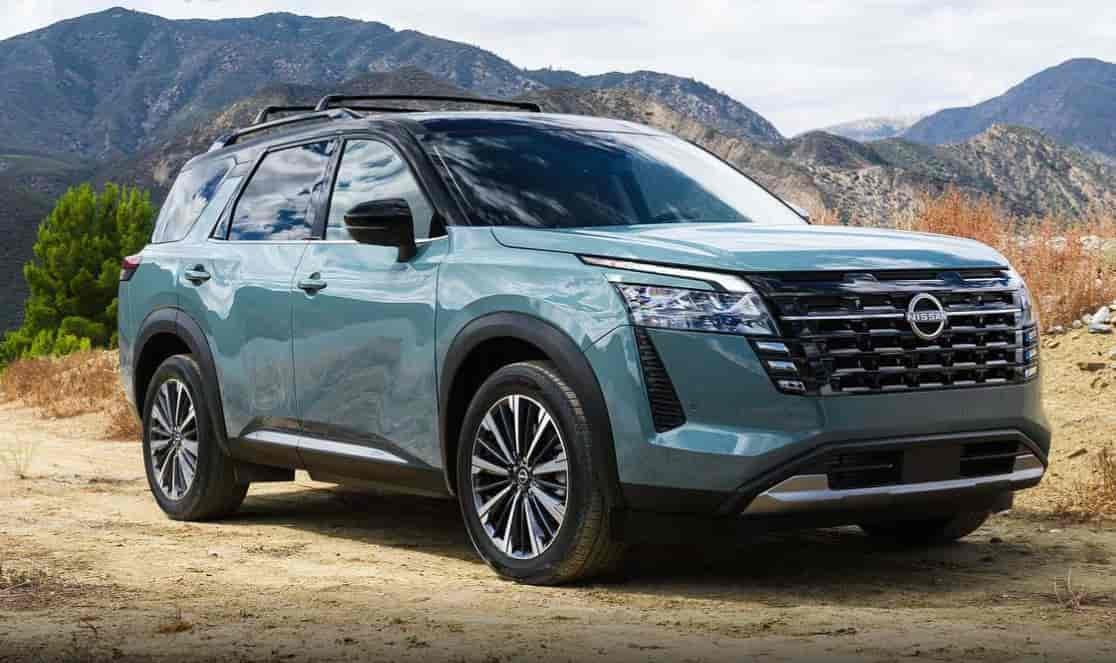
The best year for the Nissan Pathfinder is generally considered to be the 2022 model because it solved many of the reliability concerns found in previous generations. Nissan replaced the problematic CVT transmission with a 9-speed automatic transmission, improved interior quality, upgraded safety technology, and increased towing capability to 6,000 pounds. The 2022 Pathfinder also introduced a more rugged design and better driving stability, making it one of the strongest choices for families and long-term ownership.
Reliability is the most important factor when comparing Pathfinder model years. The best Pathfinder years usually have fewer transmission failures, lower repair frequency, stronger owner satisfaction scores, and more durable drivetrain components. Models like the 2017 and 2019 Pathfinder improved CVT cooling and software calibration, which reduced many earlier transmission complaints. Older body-on-frame generations such as the 2009 and 2010 Pathfinder are also respected for their durable V6 engines and off-road capability.
Newer Nissan Pathfinder models are not always automatically better than older versions. Some fourth-generation Pathfinder models between 2013 and 2014 developed serious CVT transmission issues despite having newer technology and better fuel economy. In contrast, several older Pathfinder years continue to perform reliably after 200,000 miles with regular maintenance. Buyers should focus more on transmission history, maintenance records, and generation-specific reliability trends rather than simply choosing the newest model available.
What Are the 7 Best Nissan Pathfinder Years?
The 2022 Nissan Pathfinder ranks as the best overall model year because it introduced major mechanical improvements and eliminated the CVT transmission that hurt the reputation of earlier models. It combines modern safety systems, strong towing performance, a smoother transmission, and lower long-term repair risk. Families looking for a reliable three-row SUV with updated technology often choose the 2022 Pathfinder because it balances comfort, capability, and durability better than previous generations.
The 2019, 2017, and 2015 Pathfinder models are among the best used SUV options for buyers who want lower purchase prices without sacrificing reliability. The 2019 model received updated safety features and improved transmission refinement, while the 2017 Pathfinder benefited from a refreshed V6 engine with 284 horsepower and better towing performance. The 2015 model remains popular because many early production issues from the 2013 redesign were partially corrected by that point. These years generally produce fewer owner complaints compared to earlier fourth-generation models.
Older Pathfinder models such as the 2010, 2009, and 2004 remain highly respected for durability and long-term dependability. The 2009 and 2010 Pathfinder used a body-on-frame platform shared with the Nissan Frontier, which improved towing strength and off-road capability. Many owners report these models lasting well beyond 250,000 miles with routine maintenance. The 2004 Pathfinder is also known for its reliable V6 engine and simpler mechanical design, making it attractive for buyers who prefer older SUVs with lower electronic complexity.
Which Nissan Pathfinder Years Should You Avoid?
The 2013 Nissan Pathfinder is widely considered the worst model year because it introduced severe CVT transmission problems shortly after Nissan redesigned the vehicle. Many owners reported transmission shuddering, delayed acceleration, overheating, and premature transmission failure before reaching 100,000 miles. Repair costs for a failed CVT transmission can exceed $4,000, making the 2013 Pathfinder one of the riskiest used SUV purchases in the lineup.
The 2014 Pathfinder also suffered from many of the same reliability concerns found in the 2013 model. Although Nissan released software updates and warranty extensions for some transmission issues, owner complaints continued regarding vibration, hesitation, and poor transmission responsiveness. Some drivers also experienced electrical issues and premature brake wear. While the 2014 model improved slightly over the 2013 version, it still ranks below average for long-term reliability.
Several older Pathfinder years also developed recurring mechanical problems that buyers should inspect carefully before purchasing. Earlier models from the mid-2000s sometimes experienced radiator leaks that contaminated the transmission fluid, leading to expensive drivetrain repairs. Rust issues are another concern in older Pathfinder SUVs driven in cold climates with heavy road salt exposure. Buyers considering any used Pathfinder should inspect the transmission condition, service history, frame rust, and suspension wear before making a final decision.
Which Nissan Pathfinder Generation Is the Most Reliable?
The most reliable generation of the Nissan Pathfinder is generally the third-generation R51 platform produced between 2005 and 2012. This generation used a body-on-frame design that improved towing strength, off-road capability, and long-term durability. Models such as the 2009 and 2010 Pathfinder are especially respected because they combined a dependable 4.0-liter V6 engine with a traditional automatic transmission instead of the later CVT system. Many owners report these vehicles reaching more than 200,000 miles with proper maintenance.
The earlier R50 generation built from 1996 to 2004 is also known for strong reliability and mechanical simplicity. SUVs from this period used fewer electronic systems and simpler drivetrain components, which reduced repair complexity and long-term ownership costs. The 2004 Pathfinder remains one of the best older Pathfinder years because it delivered dependable engine performance, strong 4WD capability, and relatively low maintenance expenses compared to newer crossover-based SUVs.
The least reliable Pathfinder generation is typically considered the fourth generation introduced in 2013. Nissan redesigned the Pathfinder into a unibody family crossover and replaced the traditional automatic transmission with a CVT transmission to improve fuel economy. Although the redesign improved interior comfort and ride quality, it also introduced major reliability concerns. Transmission overheating, delayed acceleration, and premature CVT failure damaged the reputation of the 2013 and 2014 Pathfinder models. Nissan improved reliability in later years like 2017 and 2019, but many buyers still prefer the older body-on-frame generations for long-term durability.
The newest fifth-generation Pathfinder launched in 2022 corrected many problems found in the previous generation. Nissan removed the CVT transmission entirely and introduced a 9-speed automatic transmission with improved responsiveness and towing capability. The newer generation also added upgraded safety systems, better cabin materials, and a more rugged SUV design. Although long-term reliability data is still developing, the 2022 Pathfinder already ranks among the strongest modern Pathfinder models because it addressed the most common complaints associated with earlier fourth-generation vehicles.
What Problems Are Common in Nissan Pathfinder Models?
Transmission problems are the most common reliability issue in many Nissan Pathfinder models, especially fourth-generation SUVs equipped with CVT transmissions. Drivers frequently reported shuddering, slipping, delayed acceleration, overheating, and sudden transmission failure. These issues became especially common in the 2013 and 2014 Pathfinder models because early CVT systems struggled to handle vehicle weight and heat buildup during daily driving or towing. In severe cases, replacing the transmission can cost between $4,000 and $6,000 depending on labor and parts availability.
Engine-related problems are less common than transmission failures, but some Pathfinder years developed recurring mechanical concerns. Older Pathfinder models occasionally experienced timing chain wear, radiator leaks, and coolant contamination that damaged transmission components. Oil leaks from valve cover gaskets and worn engine mounts also appear in high-mileage vehicles. Although Nissan V6 engines are generally durable, neglected maintenance significantly increases the risk of expensive repairs after 150,000 miles.
Suspension wear and rust problems are additional concerns in older Pathfinder SUVs. Drivers living in cold-weather regions often report rust developing on the frame, underbody, and suspension mounting points due to road salt exposure. Worn suspension bushings, shocks, and wheel bearings can also affect ride quality and steering stability in high-mileage models. Buyers inspecting an older Pathfinder should carefully examine the undercarriage because structural rust repairs can become more expensive than transmission repairs in severe cases.
Despite these common problems, many Pathfinder models remain reliable when maintained correctly. Routine transmission fluid changes, cooling system inspections, suspension maintenance, and rust prevention significantly improve long-term durability. Pathfinder owners who follow factory maintenance schedules often experience fewer major repairs and longer vehicle lifespan than drivers who delay preventive maintenance.
What Should You Check Before Buying a Used Nissan Pathfinder?
The first thing buyers should inspect before purchasing a used Nissan Pathfinder is the transmission condition and maintenance history. Many Pathfinder reliability concerns are directly connected to neglected transmission service or unresolved CVT problems. Buyers should test for hesitation, jerking, delayed acceleration, vibration, or overheating during a test drive. Any signs of transmission slipping or inconsistent shifting may indicate expensive future repairs. Vehicles with documented transmission fluid service records are usually safer purchases than SUVs with incomplete maintenance history.
Mileage alone does not determine whether a used Pathfinder is reliable. A properly maintained Pathfinder with 150,000 miles can be a better investment than a neglected model with 80,000 miles. Buyers should inspect oil change records, cooling system maintenance, brake service history, and suspension repairs before evaluating overall vehicle condition. High-mileage Pathfinder SUVs often remain dependable if major maintenance items were completed on schedule.
Frame rust and underbody corrosion are especially important to inspect in older Pathfinder generations. Rust damage commonly develops around suspension mounting points, wheel wells, and the vehicle frame in areas with heavy winter road salt use. Severe corrosion weakens structural integrity and can create expensive repair costs that exceed the vehicle’s resale value. Buyers should also inspect for uneven tire wear because it may indicate suspension damage or alignment problems.
An extended warranty may be worthwhile for newer Pathfinder models equipped with complex electronics and advanced drivetrain systems. Repair costs for modern transmissions, safety sensors, infotainment systems, and electronic steering components can become expensive after factory warranty coverage expires. Buyers considering fourth-generation Pathfinder models with CVT transmissions should strongly consider additional warranty protection because transmission replacement remains one of the highest ownership risks associated with those years.
Is Nissan Pathfinder a Good SUV for Long-Term Ownership?
The Nissan Pathfinder can be an excellent SUV for long-term ownership when buyers choose the right model year and maintain the vehicle properly. Reliable Pathfinder models such as the 2009, 2010, 2017, 2019, and 2022 versions regularly exceed 200,000 miles with consistent maintenance. These models offer strong V6 engine durability, practical interior space, solid towing capability, and lower ownership costs than many full-size SUVs. Families often choose the Pathfinder because it balances daily comfort with long-term utility better than smaller crossover SUVs.
Maintenance costs for the Pathfinder are generally moderate compared to other midsize three-row SUVs, but repair expenses vary significantly depending on the generation. Older body-on-frame Pathfinder models tend to have simpler mechanical systems and lower repair complexity, while newer generations include more electronics and advanced safety features that increase repair costs after warranty expiration. Transmission repairs remain the biggest financial risk for fourth-generation Pathfinder models equipped with CVT systems. Buyers who avoid problematic years and follow preventive maintenance schedules usually experience fewer major repairs.
Resale value is another important advantage for reliable Pathfinder model years. Well-maintained Pathfinder SUVs with clean maintenance records often retain stronger resale demand because buyers continue searching for durable family SUVs with towing capability and third-row seating. Models with proven reliability histories, especially the 2022 Pathfinder and late third-generation SUVs, typically hold value better than years associated with severe transmission complaints. SUVs with documented service records, rust-free frames, and lower accident history also sell faster in the used vehicle market.
The Nissan Pathfinder is best suited for drivers who need a practical SUV with family-friendly space, moderate towing capability, and long-term versatility. It works especially well for road trips, daily commuting, and light outdoor use. Buyers who prioritize reliability should focus on the best Pathfinder years identified in this guide and avoid model years with known CVT transmission problems. Choosing the right generation can significantly reduce ownership costs and improve long-term driving satisfaction.