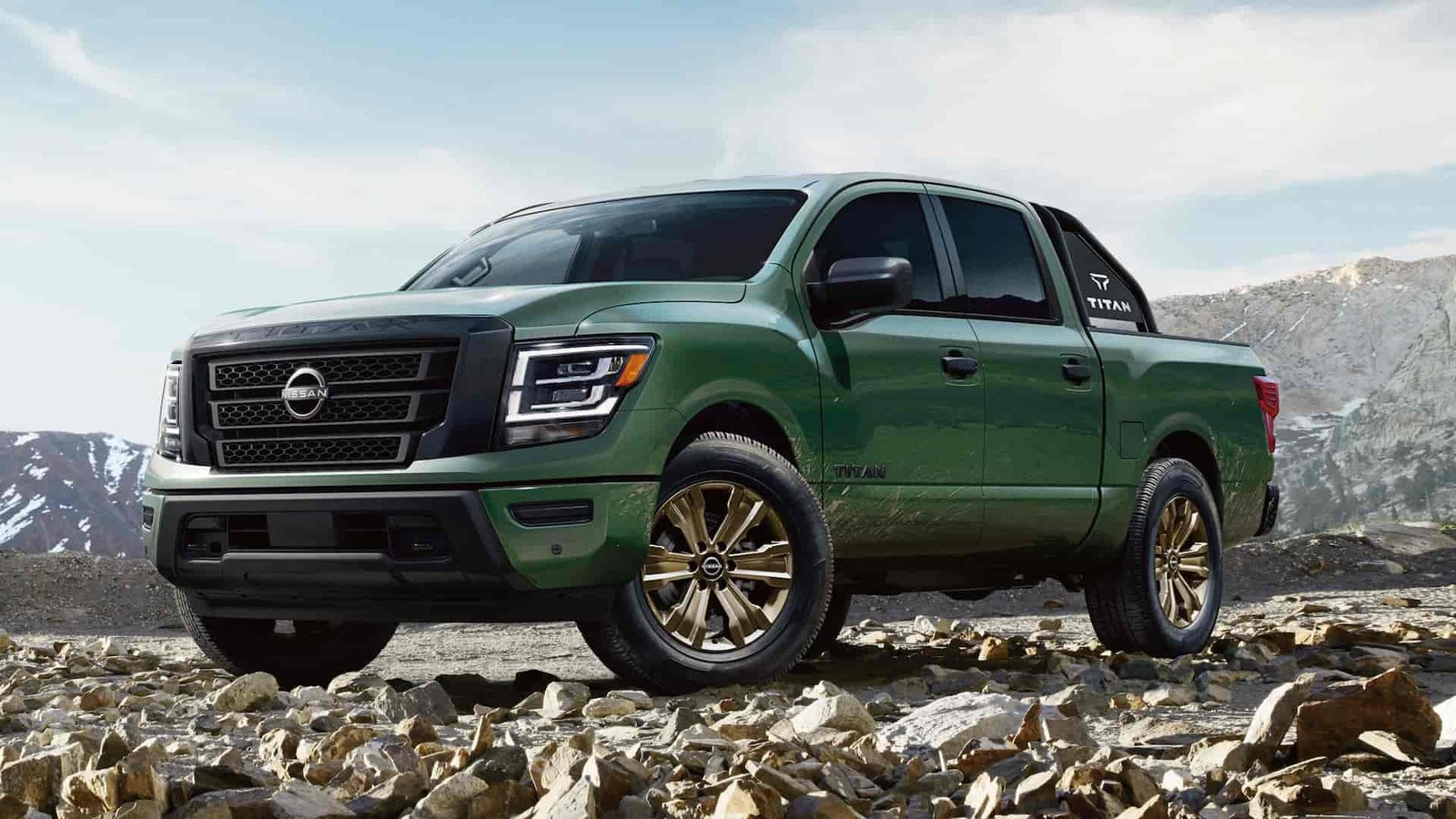
Not every Nissan Titan model year is worth buying. Some versions are known for strong reliability, solid towing performance, and lower maintenance costs. Others suffer from transmission problems, rear differential failures, and expensive repairs that can turn a used truck into a financial burden.
The best year for Nissan Titan depends on what you want from the truck. Some buyers prioritize long-term reliability. Others focus on towing capacity, resale value, or low ownership costs. In most cases, the 2017, 2019, and 2020 Nissan Titan models stand out because they offer improved build quality, fewer owner complaints, and a more refined driving experience than earlier generations.
At the same time, several Nissan Titan years should be avoided. The 2004 and 2005 models developed a reputation for rear axle failures, brake defects, and drivetrain issues. Certain Titan XD diesel models also created reliability concerns because of costly emissions-related repairs.
This guide explains the best Nissan Titan years to buy and the worst years to avoid. It also covers the most common Nissan Titan problems, reliability comparisons with other full-size trucks, expected lifespan, and what to inspect before buying a used Titan. By the end, you will know which Nissan Titan model delivers the best balance of durability, value, and long-term ownership.
What Is the Best Year for Nissan Titan?
The 2017 Nissan Titan is widely considered the best overall model year because it introduced major reliability improvements and a redesigned platform. Nissan upgraded the truck with a standard 5.6L Endurance V8 engine that produced 390 horsepower and 394 lb-ft of torque. The newer transmission also delivered smoother shifting and fewer drivetrain complaints than earlier first-generation models. Many owners reported lower repair frequency compared to the problematic 2004–2008 trucks.
The 2019 Nissan Titan is another strong option for used truck buyers who want value and reliability. It offers modern safety technology, comfortable interior features, and lower depreciation than competitors like the Ford F-150 or Toyota Tundra. Many used buyers prefer the 2019 model because it balances affordability with proven reliability. Maintenance costs also remain relatively manageable compared to older Nissan Titan years with known drivetrain issues.
The 2020 Nissan Titan stands out because Nissan refreshed the truck with updated infotainment technology, improved ride quality, and additional driver assistance features. The nine-speed automatic transmission delivered better responsiveness and fuel efficiency than previous models. Owner complaints also remained relatively low compared to early production years. For buyers searching for a modern full-size truck without paying premium prices for domestic brands, the 2020 Titan remains one of the safest choices.
Which Nissan Titan Years Should You Avoid?
The 2004 Nissan Titan is the most commonly avoided model year because it developed serious rear differential problems. Many owners experienced axle failure before reaching 100,000 miles. Brake system defects and drivetrain vibrations also became common complaints. Repair costs for differential replacement often exceeded several thousand dollars, making the truck expensive to maintain long term.
The 2005 Nissan Titan continued many of the same reliability problems found in the 2004 model. Common issues included leaking axle seals, suspension wear, transmission concerns, and cracked exhaust manifolds. Some owners also reported premature brake rotor wear that required repeated replacement. These mechanical problems increased ownership costs significantly compared to later model years.
Many buyers also avoid the 2016 Nissan Titan XD diesel models equipped with the Cummins engine. While the diesel powertrain improved towing performance, it introduced expensive emissions system problems and higher maintenance costs. Owners reported issues involving DEF systems, turbochargers, and emission-related warning lights. Repairs on diesel Titan XD models are often far more expensive than repairs on gasoline-powered Nissan Titan trucks.
What Problems Are Common in Nissan Titan Trucks?
Transmission problems are among the most reported Nissan Titan issues. Some model years suffer from delayed shifting, gear slipping, rough downshifts, and torque converter failure. Early first-generation Titans experienced the highest number of transmission complaints, especially trucks used for heavy towing or hauling. In severe cases, transmission replacement becomes necessary after high mileage.
Rear differential failure is another major issue that affects older Nissan Titan models. Drivers often notice whining noises, vibration under acceleration, or leaking differential fluid before complete failure occurs. The 2004 and 2005 Titans are especially known for this defect. Ignoring early symptoms can lead to axle damage and costly drivetrain repairs.
Exhaust manifold cracking also appears frequently in high-mileage Nissan Titan trucks. Drivers typically hear ticking noises during cold starts when cracks begin forming near the manifold. Over time, the issue can reduce engine efficiency and increase repair expenses. Suspension wear, steering looseness, and premature brake wear are additional concerns that commonly affect older Nissan Titan model years.
Despite these problems, many well-maintained Nissan Titan trucks remain dependable beyond 200,000 miles. Regular transmission servicing, differential fluid changes, and preventative maintenance significantly improve long-term reliability and reduce the likelihood of expensive repairs.
How Reliable Is Nissan Titan Compared to Other Trucks?
The Nissan Titan is generally considered more reliable than some domestic full-size trucks, but it does not consistently outperform the Toyota Tundra in long-term durability. The Titan benefits from a simple naturally aspirated V8 engine design that avoids many turbocharger-related issues found in modern trucks. This simplicity helps reduce major engine failures and keeps maintenance more predictable over time.
Compared to the Ford F-150, the Nissan Titan often has lower repair frequency in certain model years because it uses fewer engine configurations and less complex drivetrain options. However, the F-150 offers better fuel economy, stronger resale value, and more advanced technology. Buyers who prioritize long-term ownership costs may still prefer the Titan because replacement parts for the standard V8 drivetrain remain widely available.
The Titan also competes closely with the Ram 1500 in comfort and ride quality. Ram trucks are known for smooth suspension tuning and premium interiors, but some model years developed electrical and transmission reliability concerns. The Nissan Titan usually performs better in drivetrain durability than many older Ram 1500 models, especially when owners follow regular maintenance schedules.
One weakness of the Nissan Titan is resale value. Toyota Tundra trucks typically maintain higher resale prices because of their reputation for exceptional reliability. Nissan Titan depreciation is faster, but this creates an advantage for used truck buyers because newer Titan models are often more affordable than equivalent competitors.
What Mileage Is Too High for a Used Nissan Titan?
A well-maintained Nissan Titan can last more than 200,000 miles without major engine failure. Many owners report reaching 250,000 miles after following regular oil changes, transmission servicing, cooling system maintenance, and differential fluid replacement schedules. The 5.6L Endurance V8 engine is generally durable when properly maintained.
Mileage alone does not determine whether a used Nissan Titan is a good purchase. Service history is often more important than odometer readings. A truck with 160,000 miles and complete maintenance records may be safer to buy than a neglected truck with only 90,000 miles. Buyers should carefully inspect transmission behavior, steering response, suspension wear, brake condition, and signs of rust before purchasing any high-mileage truck.
A Nissan Titan with more than 150,000 miles becomes riskier if it still uses original drivetrain components. Expensive repairs often begin appearing at higher mileage, especially in older first-generation trucks. Transmission rebuilding, rear differential replacement, suspension repairs, and exhaust manifold replacement can quickly increase ownership costs.
Before buying a used Nissan Titan, drivers should inspect the rear axle for leaks, test the transmission for slipping or delayed shifting, and verify whether recall repairs were completed. A professional pre-purchase inspection can identify hidden problems that may not appear during a short test drive.
Is Nissan Titan Expensive to Maintain?
The Nissan Titan is usually less expensive to maintain than many luxury trucks, but repair costs can still become significant as mileage increases. Annual maintenance expenses are considered moderate for the full-size truck segment. Basic maintenance items such as oil changes, brake pads, batteries, and filters remain reasonably affordable compared to diesel-powered heavy-duty trucks.
Major repairs create the largest ownership expenses for older Nissan Titan models. Rear differential replacement, transmission rebuilding, exhaust manifold repairs, and suspension work can cost thousands of dollars depending on labor rates and parts availability. Early first-generation Titans often develop these issues more frequently than second-generation models.
One advantage of the Nissan Titan is its relatively simple V8 engine design. Unlike smaller turbocharged engines used by some competitors, the Titan’s naturally aspirated engine has fewer complex components that commonly fail under heavy towing conditions. This simplicity helps reduce long-term repair risks for many owners.
Maintenance costs also depend heavily on how the truck is used. Frequent towing, off-road driving, and poor maintenance habits increase wear on drivetrain components. Owners who regularly change fluids, inspect suspension parts, and address minor issues early often avoid the most expensive repairs. Many mechanics consider preventative maintenance the key factor that determines whether a Nissan Titan becomes an affordable long-term truck or an expensive repair project.
Does Nissan Titan Hold Its Resale Value?
The Nissan Titan does not hold its resale value as strongly as the Toyota Tundra or the Ford F-150. Faster depreciation is one of the biggest disadvantages of owning a new Nissan Titan. Many buyers prefer domestic trucks because of stronger brand recognition, broader aftermarket support, and higher long-term market demand.
However, weaker resale value creates an advantage for used truck buyers. A three- or four-year-old Nissan Titan often costs thousands of dollars less than competing full-size trucks with similar mileage and equipment. Buyers can frequently purchase a newer Titan with modern safety features and a powerful V8 engine for the same price as an older competitor model.
The best resale values usually belong to the 2017, 2019, and 2020 Nissan Titan models because they combine updated reliability with newer technology. Trucks with clean maintenance records, low mileage, and no towing abuse maintain value more effectively than neglected work trucks. Trim level also affects resale pricing. PRO-4X models typically hold value better because of stronger demand from off-road buyers.
Who Should Buy a Nissan Titan?
The Nissan Titan is a strong option for drivers who want a full-size truck with a naturally aspirated V8 engine and straightforward mechanical design. Buyers who dislike smaller turbocharged engines often prefer the Titan because it delivers predictable power and fewer complex engine components. This makes the truck attractive for long-term ownership.
Daily drivers may appreciate the Titan’s comfortable cabin, smooth highway ride, and standard V8 performance. The truck performs well for commuting, weekend hauling, and light towing without requiring heavy-duty diesel maintenance costs. Modern second-generation models also include useful safety technology and infotainment upgrades that improve daily usability.
The Titan is also suitable for budget-conscious used truck buyers. Because resale values drop faster than many competitors, used Nissan Titan trucks often provide strong value for the money. Buyers can access newer model years with lower purchase prices compared to similar Ram 1500 or Ford F-150 trucks.
However, buyers who prioritize maximum towing capacity, highest resale value, or advanced luxury interiors may prefer competitors instead. The Toyota Tundra remains stronger in long-term durability reputation, while some domestic trucks offer better towing technology and engine variety.
Is Nissan Titan Worth Buying Used in 2026?
The Nissan Titan remains worth buying used in 2026 if buyers choose the right model year and verify maintenance history carefully. The best used options are typically the 2017, 2019, and 2020 models because they offer improved reliability, modern safety features, and fewer major drivetrain complaints than early first-generation trucks.
Avoiding problematic years is extremely important when shopping for a used Titan. The 2004 and 2005 models developed serious rear differential and brake system problems that increased ownership costs significantly. Certain diesel-powered Titan XD trucks also produced expensive emissions-related repairs that many buyers prefer to avoid.
For most drivers, a gasoline-powered second-generation Nissan Titan delivers the best balance of affordability, reliability, towing performance, and maintenance simplicity. Buyers should still inspect transmission behavior, suspension wear, rust condition, and service records before making a purchase decision.
Overall, the Nissan Titan is not the most refined or highest-selling full-size truck on the market. However, it remains one of the better value choices for buyers who want a powerful V8 pickup without paying premium prices for more expensive competitors. Choosing the right model year is the key factor that determines whether a used Nissan Titan becomes a dependable long-term truck or an expensive repair problem.