
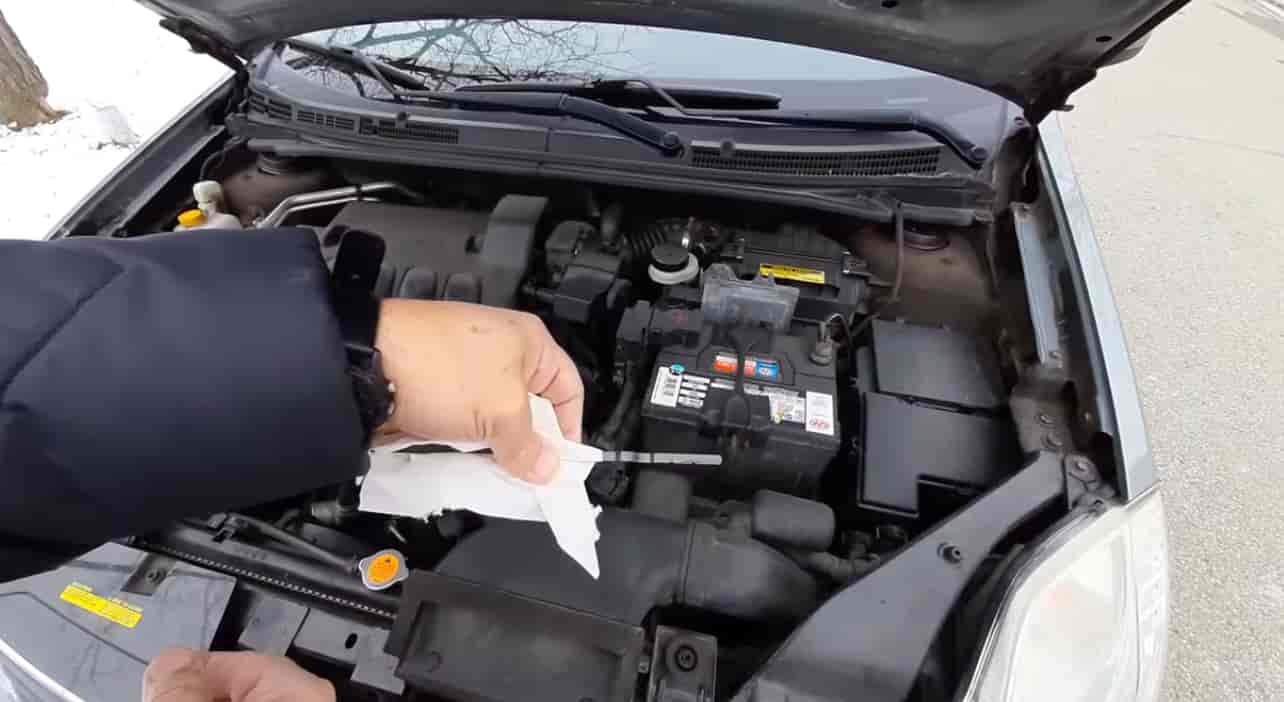
Have you ever felt your Nissan Sentra hesitate or shift roughly while driving? This could be a sign that your transmission fluid level is low or that the fluid has started to degrade. Knowing how to check transmission fluid on Nissan Sentra is one of the most important steps in keeping your car running smoothly and preventing costly repairs later on.
The Nissan Sentra models from 2015 to 2026 use a Continuously Variable Transmission, often called a CVT. Unlike traditional automatic transmissions, the CVT relies on a system of pulleys and a steel belt that constantly adjusts to provide seamless power delivery. Because of this unique design, the transmission fluid plays a critical role in lubricating the system, keeping it cool, and ensuring smooth performance on every drive.
This complete maintenance guide will walk you through everything you need to know about checking and maintaining transmission fluid on your Nissan Sentra. You will learn how to identify early warning signs, prepare the right tools, and perform a safe and accurate fluid check. Whether you prefer doing your own maintenance or simply want to understand your car better, this guide will help you protect your Nissan Sentra for years to come.
Understanding Nissan Sentra’s CVT System (2015–2026)
Before learning how to check transmission fluid on Nissan Sentra, it is important to understand how the CVT system works. CVT stands for Continuously Variable Transmission, a type of gearbox designed to provide smooth and efficient power delivery without traditional gear shifts. Instead of using a fixed number of gears, the CVT adjusts continuously through a system of pulleys and a metal belt, giving the engine the best possible performance at any speed.
This technology helps the Nissan Sentra achieve better fuel economy and smoother acceleration compared to regular automatic transmissions. However, it also means that the system relies heavily on clean and properly maintained transmission fluid. The CVT fluid acts as both a lubricant and a coolant. It reduces friction between moving parts and keeps the temperature stable, which prevents overheating and wear inside the transmission.
When the CVT fluid becomes dirty or low, the Sentra may experience slipping, jerking, or a humming sound when accelerating. Over time, neglecting fluid checks can lead to transmission failure, which is one of the most expensive repairs a car owner can face. By understanding your CVT system and maintaining it properly, you extend the life of your Nissan Sentra and ensure it performs like new.
Signs You Might Need to Check the Transmission Fluid
Knowing when to check the transmission fluid on your Nissan Sentra can save you from major repairs and unexpected breakdowns. The transmission fluid is essential to keeping the CVT system running smoothly, and even small changes in its level or quality can cause noticeable driving issues.
One of the first warning signs is a delay or roughness when shifting gears. If your Sentra hesitates before moving or feels like it is slipping between speeds, it may be running low on transmission fluid. Another common symptom is a burnt or unusual smell, which usually means the fluid is overheating and losing its protective qualities.
You might also hear a whining or humming noise coming from the transmission area, especially when accelerating. This sound often indicates that the internal components are not being lubricated properly. Reduced fuel efficiency can also be a sign that the fluid needs attention since the CVT must work harder when the fluid is dirty or insufficient.
If you notice any of these symptoms, it is best to check your transmission fluid as soon as possible. Ignoring them could lead to overheating, component wear, and in severe cases, complete transmission failure.
Tools and Safety Steps Before Checking
Before you begin learning how to check transmission fluid on Nissan Sentra, it is important to prepare the right tools and follow safety precautions. Having the proper setup ensures accuracy and prevents any damage to the transmission system.
You will need a few basic tools for this process. Prepare a pair of gloves to protect your hands from heat, a clean funnel for refilling, a fluid gauge or dipstick if your model allows it, and a container to catch any excess fluid. You should also have genuine Nissan NS 3 transmission fluid on hand in case the level is low. This is the specific fluid designed for Nissan’s CVT system and using the correct type is essential for performance and longevity.
Safety should always come first. Make sure your vehicle is parked on a level surface and the parking brake is fully engaged. Allow the engine to reach normal operating temperature since transmission fluid expands when warm. It is also recommended to wear safety glasses to protect your eyes from any splashes.
For newer Nissan Sentra models that do not come with a dipstick, the transmission is sealed and requires checking through a fill plug underneath the vehicle. This design helps prevent contamination but also makes the inspection more technical, so proceed carefully or consult a professional if needed.
How to Check Transmission Fluid on Nissan Sentra
Learning how to check transmission fluid on Nissan Sentra correctly can help you keep your vehicle in excellent condition and avoid expensive transmission issues. Follow these steps carefully to ensure accurate results and safe handling.
Step 1: Warm up the engine
Start the car and let it run for about ten minutes. Transmission fluid expands when warm, so this step helps you get a precise reading. Make sure the car is parked on a flat surface and the parking brake is engaged.
Step 2: Locate the transmission fill plug
For most Nissan Sentra models from 2015 to 2026, especially those with a CVT, there is no traditional dipstick. Instead, you will find a fill plug underneath the car near the transmission housing. Refer to your owner’s manual or a service diagram to identify the exact location.
Step 3: Remove the plug carefully
Using the proper tool, slowly remove the fill plug while wearing gloves. Be cautious, as the area may still be warm. A small amount of fluid may drip out, which is normal.
Step 4: Check the fluid level and condition
Insert a fluid gauge or small clean rod into the fill opening to measure the fluid level. The fluid should be close to the opening. Examine its color and texture as well. Healthy transmission fluid should be pink or light red and have a smooth consistency. If it appears dark brown or smells burnt, it may need to be replaced.
Step 5: Add transmission fluid if necessary
If the fluid level is low, use a funnel to add genuine Nissan NS 3 CVT fluid slowly until it reaches the proper level. Avoid overfilling, as too much fluid can cause pressure buildup and poor transmission performance.
Step 6: Reinstall the fill plug and test the car
After topping off, securely tighten the plug. Start the car again and shift through all gears for a few seconds to help the fluid circulate. Then recheck for any leaks or unusual noises.
Following these steps will ensure that your Nissan Sentra transmission fluid stays at the correct level and performs efficiently. Regular checks every few months can help you maintain smooth acceleration and extend the life of your CVT system.
How Often to Check or Change Transmission Fluid (2015–2026)
Knowing how often to check transmission fluid on Nissan Sentra is just as important as knowing how to perform the check itself. The transmission fluid in your Nissan Sentra plays a vital role in keeping the CVT system clean, cool, and properly lubricated. Over time, heat and friction cause the fluid to break down, reducing its ability to protect the transmission.
Nissan generally recommends checking the transmission fluid every 30,000 miles or 48,000 kilometers. However, this interval can vary depending on your driving habits and environment. If you frequently drive in heavy traffic, tow loads, or live in hot climates, it is wise to inspect the fluid more often.
In most cases, the transmission fluid should be replaced every 60,000 to 100,000 miles. When inspecting the fluid, pay close attention to its color and smell. Clean CVT fluid is bright pink or red, while dark brown or burnt fluid indicates that it is time for a change. You should also watch for slipping gears, rough acceleration, or unusual noises, as these can signal that the fluid is no longer performing effectively.
By maintaining a regular inspection schedule and using genuine Nissan NS 3 fluid, you can extend the life of your transmission and keep your Sentra performing at its best. Consistent maintenance is far less expensive than dealing with a transmission replacement later on.
Common Mistakes and Expert Tips
Even if you know how to check transmission fluid on Nissan Sentra, small mistakes can lead to inaccurate results or even damage to the transmission. Understanding these common errors and how to avoid them can help you keep your vehicle in excellent condition.
One of the most frequent mistakes is using the wrong type of transmission fluid. The Nissan Sentra CVT requires a specific fluid called NS 3, which has the right viscosity and additives for the CVT system. Using any other type can cause slipping, overheating, and long term wear. Always verify that you are using the correct fluid before adding it to your vehicle.
Another common issue is checking the fluid when the engine is cold or the car is parked on an uneven surface. Transmission fluid expands with heat, so you must always warm up the engine and park on level ground for an accurate reading. Some owners also make the mistake of overfilling, which can cause pressure buildup and leaks.
Experts recommend inspecting the fluid condition regularly and keeping a record of every check or change. If you notice unusual noises, shifting problems, or leaks, have your car inspected by a certified Nissan technician. Proper maintenance and correct procedures will ensure that your CVT system runs smoothly and lasts for many years.
Conclusion
Knowing how to check transmission fluid on Nissan Sentra is one of the simplest yet most effective ways to keep your car performing smoothly for years. The CVT system in the Sentra depends on clean, properly maintained fluid to reduce friction, regulate temperature, and ensure seamless acceleration. Neglecting this essential task can lead to overheating, slipping, and even complete transmission failure, which can be extremely costly to repair.
Regular inspections and timely fluid changes help prevent these issues before they start. Always use genuine Nissan NS 3 fluid, follow the correct procedure, and never ignore unusual noises or performance changes. By keeping a consistent maintenance routine, you not only protect your transmission but also maintain your vehicle’s fuel efficiency and overall reliability.
Whether you choose to check the fluid yourself or have it done at a Nissan service center, staying proactive will save you time, money, and stress in the long run. Now that you understand how to check transmission fluid on Nissan Sentra, you have the knowledge to keep your car’s CVT system healthy and enjoy a smoother, safer driving experience every day.