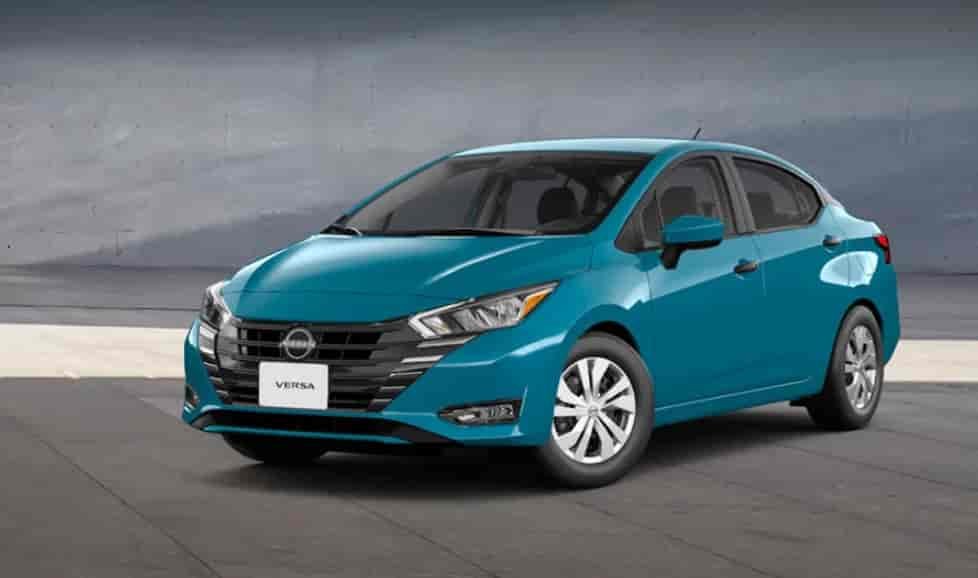
Nissan Versa is generally considered a reasonably reliable budget sedan, but reliability depends heavily on model year, transmission type, and long-term maintenance history. Buyers often focus only on purchase price because Versa is one of the most affordable sedans on the market. However, vehicle reliability involves more than whether a car starts every morning. Long-term ownership also includes transmission durability, repair frequency, maintenance costs, fuel efficiency, and how the vehicle performs after 100,000 miles.
The reliability discussion around Nissan Versa became more complicated because some older generations developed concerns related to CVT transmission systems. Certain model years generated higher complaint rates than others, while newer versions improved safety features, technology, and overall build quality. As a result, two Nissan Versa vehicles with similar mileage can deliver very different ownership experiences.
For used-car shoppers, reliability directly affects ownership costs. A low purchase price does not automatically create a good value if frequent repairs begin after several months. Understanding common issues, lifespan expectations, and stronger model years helps buyers avoid expensive mistakes.
This guide breaks down seven important Nissan Versa reliability facts, common owner complaints, maintenance expectations, and the best years to consider before making a purchase decision.
Is Nissan Versa a reliable car overall?
Nissan Versa delivers average-to-above-average reliability for buyers looking for an affordable subcompact sedan. Reliability ratings vary by generation, but the vehicle generally performs well in daily commuting, fuel economy, and ownership costs. Many owners report reaching 150,000–200,000 miles with regular maintenance. Mileage beyond that range is also possible when owners consistently follow transmission fluid changes, engine servicing schedules, and preventative maintenance routines.
Reliability should not be measured by engine durability alone. A vehicle may have a dependable engine while still generating expensive ownership issues through transmission failures, electrical problems, or frequent suspension repairs. Nissan Versa ownership experience changes considerably between model years because earlier versions developed a stronger association with CVT complaints than newer generations.
Compared to other entry-level sedans, Nissan Versa sits in the middle of the reliability category. Models like Toyota Corolla and Honda Civic usually achieve stronger long-term reputations and higher resale value. Versa instead appeals to buyers prioritizing affordability, low operating costs, and efficient transportation rather than class-leading durability.
What are the 7 things buyers should know about Nissan Versa reliability?
There are 7 major factors that influence Nissan Versa reliability over long-term ownership. These factors affect repair frequency, operating costs, and the likelihood of major mechanical issues after high mileage.
Transmission durability remains the largest reliability factor. Older Nissan CVT systems received criticism because some owners experienced hesitation, delayed acceleration, vibration, and premature transmission wear. Transmission replacement often becomes one of the most expensive repair scenarios for used Versa buyers.
Engine longevity performs better than many buyers expect. Nissan Versa engines themselves generally demonstrate strong durability with proper oil changes and scheduled maintenance. Annual repair frequency also remains relatively manageable compared with larger vehicles because simpler mechanical systems create fewer high-cost failures.
Maintenance behavior creates substantial differences in ownership outcomes. Drivers who delay transmission service, ignore warning lights, or skip fluid inspections often report more severe mechanical failures. Two vehicles with identical mileage can age very differently depending on previous ownership habits.
Build quality, fuel economy, repair costs, and driving style complete the remaining reliability variables. Aggressive driving patterns, heavy stop-and-go use, and poor maintenance habits typically accelerate wear throughout the vehicle.
What are the most common Nissan Versa problems owners report?
There are 5 commonly reported Nissan Versa issues that appear repeatedly across owner discussions and repair databases. Complaint frequency varies by model year, but several patterns appear consistently.
CVT transmission complaints remain the most discussed issue. Drivers frequently report delayed acceleration, jerking during gear changes, shuddering sensations, and abnormal transmission behavior. These symptoms may appear gradually and often become more noticeable near higher mileage ranges.
Suspension wear represents another common concern. Components such as struts, shocks, and bushings can wear faster in areas with rough roads or heavy urban driving. Owners sometimes report increased cabin vibration and road noise after extended use.
Electrical and comfort-related issues also appear among owner complaints. Examples include air conditioning failures, malfunctioning sensors, steering concerns, and occasional brake system complaints. Most of these problems are not catastrophic failures, but repeated small repairs can increase ownership costs over time.
Which Nissan Versa years should buyers avoid?
Several Nissan Versa model years receive more criticism than others due to complaint frequency and transmission concerns. Older versions produced during the early and mid-CVT period often generate more caution among used-car buyers because recurring transmission complaints appear more frequently in ownership reports.
Model years between 2012 and 2016 receive the most scrutiny. Owners commonly report transmission hesitation, acceleration delays, and premature wear symptoms. These issues do not affect every vehicle, but complaint volume creates higher risk compared with later production years. A poorly maintained vehicle from these years can become significantly more expensive to own after crossing higher mileage ranges.
Newer generations introduced improvements in design, safety technology, and overall refinement. Buyers searching for stronger ownership potential often prioritize later model years with documented service histories. Maintenance records matter as much as production year because a well-maintained older Versa can outperform a neglected newer model.
How expensive is Nissan Versa to maintain?
Nissan Versa remains one of the more affordable sedans to maintain in its segment. Lower purchase prices and simpler mechanical systems help reduce ownership expenses compared with larger vehicles or premium brands.
Routine maintenance usually includes oil changes, brake servicing, tire replacement, filters, battery replacement, and transmission inspections. Most owners experience manageable annual maintenance costs during early ownership years. Small sedans generally create lower operating expenses because parts cost less and labor requirements remain relatively straightforward.
Major repair costs create the biggest financial risk. Transmission replacement represents the most expensive scenario because CVT repairs can cost several thousand dollars depending on severity and location. This explains why pre-purchase inspection becomes especially important when buying a used Versa with higher mileage.
Long-term ownership cost also depends on maintenance discipline. Owners who service fluids regularly and address small mechanical issues early often avoid larger repair expenses later.
Is Nissan Versa more reliable than Toyota Corolla and Honda Civic?
Nissan Versa usually does not outperform Toyota Corolla or Honda Civic in overall reliability rankings. Both competitors built stronger reputations for durability, resale value, and long-term ownership consistency across multiple generations.
Toyota Corolla often earns recognition for longevity. Many Corolla owners report mileage exceeding 200,000 miles with relatively few major repairs. The model also maintains stronger resale value because buyers consistently associate Toyota with long-term dependability.
Honda Civic also performs well in reliability discussions while offering stronger driving dynamics and broader engine options. Civic ownership costs may run slightly higher in certain situations, but many buyers accept that tradeoff because of stronger market reputation.
Nissan Versa competes through affordability instead of class-leading reliability. Buyers seeking the lowest purchase price and practical transportation often choose Versa. Buyers prioritizing maximum lifespan and resale value frequently lean toward Corolla or Civic.
Is a used Nissan Versa worth buying?
A used Nissan Versa can be worth buying if buyers select the right model year and verify maintenance history carefully. The vehicle appeals primarily to drivers searching for affordable transportation, strong fuel economy, and low entry costs rather than premium features or performance.
Mileage alone should not determine buying decisions. A Nissan Versa with 120,000 miles and complete maintenance records may create fewer future repairs than another vehicle with 80,000 miles and poor service history. Buyers should prioritize oil-change records, transmission servicing documentation, accident history, and inspection reports before focusing only on mileage numbers.
Transmission behavior deserves special attention during test drives. Buyers should look for hesitation, delayed acceleration, vibration, jerking, or unusual noises. Small transmission symptoms can become larger repair expenses later. Brake response, steering feel, air conditioning performance, and electronic systems should also receive inspection because multiple small problems often indicate neglected ownership.
Nissan Versa works best for commuters, students, first-time buyers, and drivers seeking inexpensive transportation. Buyers wanting simple daily transportation often consider Versa a practical option because operating expenses remain manageable.
Who should avoid Nissan Versa?
Nissan Versa is not the ideal choice for every driver despite its affordability advantages. Certain ownership priorities align better with competitors in the compact sedan category.
Drivers prioritizing long-term resale value may find stronger alternatives elsewhere. Vehicles with stronger reliability reputations often retain value more effectively after several years. Higher resale value reduces total ownership cost even when initial purchase prices are higher.
Buyers highly concerned about transmission longevity may also hesitate. Although not every Versa develops transmission problems, older CVT-related discussions continue influencing buyer perception. Drivers uncomfortable with potential transmission uncertainty often prefer alternatives with stronger long-term confidence.
Performance-focused drivers may also feel disappointed. Nissan Versa emphasizes practicality, fuel efficiency, and affordability rather than acceleration or engaging driving dynamics. Drivers seeking stronger engine performance, sportier handling, or premium cabin materials frequently move toward other options.
Nissan Versa remains a sensible vehicle for buyers with realistic expectations. It succeeds as affordable transportation and efficient daily commuting. The strongest buying strategy involves selecting later model years, reviewing maintenance records carefully, and inspecting transmission health before purchase.