The Nissan 3.5 V6 Engine Problems: Complete Guide to Causes, Symptoms, and Long-Term Reliability focuses on one of the most widely used V6 engines developed by Nissan. This engine powers many popular models such as the Nissan Altima, Nissan Maxima, Nissan Murano, and Nissan Pathfinder.
Many drivers choose this engine because it delivers smooth power and strong acceleration. It also has a long production history and a solid reputation in the market. However, real world performance shows a different picture over time. Some owners begin to notice mechanical issues as mileage increases.
The most common problems include oil consumption, timing chain noise, engine misfires, and overheating. These issues do not appear in every vehicle, but they often show up in high mileage engines or poorly maintained units. When they appear, they can affect performance and increase repair costs.
This guide explains these Nissan 3.5 V6 engine problems in detail. It shows you how each issue starts, what symptoms to watch for, and how they affect long term reliability. It also helps you understand whether this engine still makes a good choice for daily driving or used car buying.
By the end of this article, you will clearly understand the strengths and weaknesses of the Nissan 3.5 V6 engine and know what to expect if you own or plan to buy one.
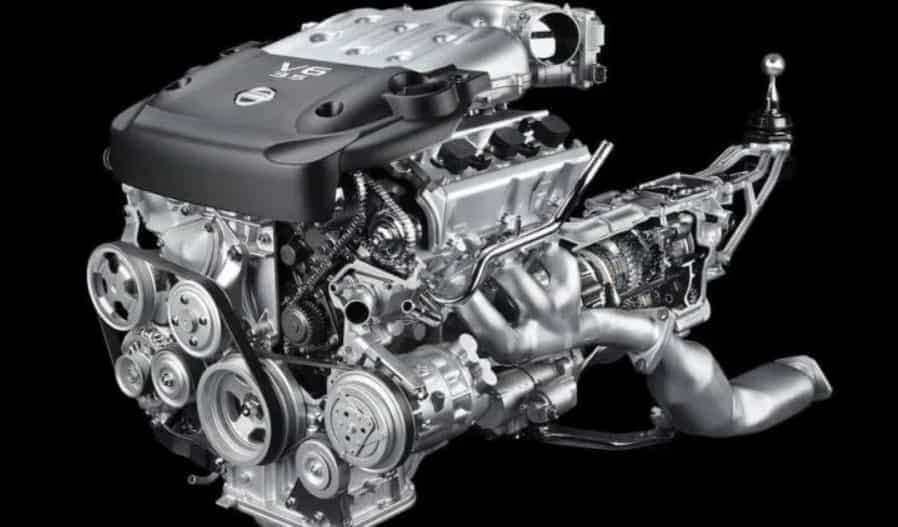
Nissan 3.5 V6 Engine Architecture Overview
The Nissan 3.5 V6 engine belongs to the VQ engine family developed by Nissan. Nissan designed this engine for a balance between performance, efficiency, and long term usability. It became one of the most widely used V6 engines in models such as the Nissan Altima, Nissan Maxima, Nissan Murano, and Nissan Pathfinder.
This engine uses a V6 layout with dual overhead camshafts. Nissan built it with an aluminum block to reduce weight. This design improves fuel efficiency and driving response. It also helps the engine deliver smooth acceleration across the RPM range.
The engine performs well under normal driving conditions. It produces strong torque and reliable power for daily use. Many drivers appreciate its smooth and quiet operation.
However, the design also creates some long term trade offs. Aluminum reacts faster to heat changes than iron. This increases stress in stop and go traffic. Over time, repeated heat cycles can affect internal components.
The timing chain system adds another layer of complexity. It usually lasts longer than a timing belt. However, poor oil quality or delayed oil changes can cause chain noise and wear. This becomes more noticeable at higher mileage.
Nissan focused this engine on performance first. This improves driving experience but reduces tolerance for neglect. Engines that receive regular maintenance perform well. Engines that do not receive proper care develop issues faster.
Understanding this structure helps explain why certain Nissan 3.5 V6 engine problems appear later in the engine life cycle. It also sets the foundation for diagnosing real world issues in the next sections.
Most Common Nissan 3.5 V6 Engine Problems
The Nissan 3.5 V6 engine developed by Nissan shows several recurring problems that become more noticeable as mileage increases. These issues appear across popular models such as the Nissan Altima, Nissan Maxima, Nissan Murano, and Nissan Pathfinder. Most engines run well in early years, but wear related issues tend to develop when maintenance is inconsistent or the vehicle reaches higher mileage.
One of the most reported problems is excessive oil consumption. Drivers often notice that the engine loses oil faster than expected between service intervals. This happens when piston rings wear down or when the PCV system fails to regulate pressure correctly. As a result, oil enters the combustion chamber and burns during normal operation. Early symptoms include frequent low oil warnings and occasional exhaust smoke. If ignored, this condition increases internal wear and reduces long term engine life.
Timing chain noise is another common issue. Many owners hear a rattling sound during cold starts. This usually points to a weak timing chain tensioner or poor oil circulation. When lubrication is not optimal, the chain loses proper tension and begins to stretch over time. This can affect engine timing and reduce performance, especially at higher mileage.
Engine misfires also occur in some cases. Drivers may feel rough idle, hesitation during acceleration, or reduced fuel efficiency. Worn ignition coils, old spark plugs, and clogged fuel injectors often cause this problem. Overheating issues appear less frequently but can become serious if cooling system components such as the radiator or thermostat fail. If ignored, overheating may damage head gaskets and lead to costly repairs.
Overall, these Nissan 3.5 V6 engine problems develop gradually and usually give clear early warning signs before serious failure occurs.
Symptoms and Early Warning Signs
The Nissan 3.5 V6 engine developed by Nissan usually gives clear warning signs before serious failures occur. Drivers who recognize these early symptoms can reduce repair costs and prevent long term damage. These signs appear across vehicles such as the Nissan Altima, Nissan Maxima, Nissan Murano, and Nissan Pathfinder.
One of the first symptoms is unusual engine noise. Drivers may hear ticking, rattling, or knocking sounds, especially during cold starts. These noises often point to timing chain wear or low oil pressure. When lubrication drops, internal components begin to create more friction, which produces audible warning signs.
Another common symptom is rough idle. The engine may shake slightly when the vehicle stops at traffic lights or when parked. This usually indicates misfires caused by worn ignition coils, old spark plugs, or fuel delivery issues. In some cases, drivers also notice hesitation during acceleration, especially when merging or overtaking.
Oil level drops without visible leaks also serve as an early warning. Many owners discover they need to top up oil more frequently than expected. This often connects to internal oil consumption issues, which develop gradually over time.
The check engine light is another important indicator. It often appears when the engine detects misfires, sensor issues, or fuel system imbalance. Ignoring this warning can allow small problems to grow into major repairs.
Reduced fuel efficiency is another sign that something is wrong. When the engine struggles to maintain proper combustion, it uses more fuel to produce the same power output. Drivers may notice this during daily commuting or long distance driving.
Overall, these symptoms give early signals that help identify Nissan 3.5 V6 engine problems before they become serious and expensive failures.
Root Causes of Nissan 3.5 V6 Engine Problems
The Nissan 3.5 V6 engine developed by Nissan delivers strong performance, but its long term issues come from a combination of design choices, maintenance habits, and real world driving conditions. These root causes appear across models such as the Nissan Altima, Nissan Maxima, Nissan Murano, and Nissan Pathfinder.
One major cause is heat stress over time. The engine uses an aluminum block, which responds quickly to temperature changes. This improves efficiency but also increases wear during repeated stop and go driving. In dense traffic, the engine heats up and cools down frequently, which slowly affects internal components and seals.
Another key factor is maintenance quality. This engine depends heavily on clean oil circulation. When drivers extend oil change intervals or use low quality oil, sludge can form inside the engine. This reduces lubrication efficiency and increases wear on the timing chain system and internal parts. Over time, this condition contributes to noise, oil consumption, and performance loss.
Driving conditions also play a major role. City driving creates more strain compared to highway driving. Frequent short trips prevent the engine from reaching optimal operating temperature. This increases condensation inside the engine and reduces oil effectiveness. As a result, wear progresses faster than expected.
Design trade offs also contribute to these problems. Nissan focused this engine on smooth power delivery and performance response. This improves driving experience but reduces tolerance for neglect. Components like the timing chain system and PCV system require consistent maintenance to perform well over long mileage.
Finally, age and mileage naturally amplify all these factors. As the engine passes higher mileage, small inefficiencies grow into noticeable mechanical issues. Understanding these root causes helps explain why Nissan 3.5 V6 engine problems appear gradually rather than suddenly.
Affected Nissan Models and Variants
The Nissan 3.5 V6 engine developed by Nissan has been widely used across multiple vehicle segments. This broad application increases its visibility in real world reliability discussions because the same engine architecture appears in sedans, SUVs, and family vehicles. The most common models include the Nissan Altima, Nissan Maxima, Nissan Murano, and Nissan Pathfinder.
In the Nissan Altima, the 3.5 V6 engine focuses on a balance between performance and daily usability. Many owners appreciate its strong acceleration, but higher mileage examples often show oil consumption and ignition related issues. These problems usually become more visible when maintenance intervals are not strictly followed.
In the Nissan Maxima, the engine is tuned for a more performance oriented driving experience. This creates a sportier feel, but it can also increase thermal and mechanical stress over long term use. Drivers sometimes report timing chain noise and rough idle symptoms as the vehicle ages.
The Nissan Murano uses this engine in a heavier SUV platform. This adds additional load on the engine during city driving and uphill conditions. As a result, cooling system wear and fuel consumption issues can appear earlier compared to lighter sedan applications.
The Nissan Pathfinder places even more demand on the engine due to its family SUV role and towing capability in some configurations. Under these conditions, overheating risks and long term wear can become more noticeable if the cooling system is not maintained properly.
Across all these models, the core engine remains the same in design philosophy, but real world stress levels differ based on vehicle weight, usage patterns, and driving environment. This is why Nissan 3.5 V6 engine problems often appear inconsistent between different models even though they share the same engine family.
Long-Term Reliability Analysis
The Nissan 3.5 V6 engine developed by Nissan has a mixed long term reliability profile depending on maintenance quality, mileage, and driving conditions. This engine powers well known models such as the Nissan Altima, Nissan Maxima, Nissan Murano, and Nissan Pathfinder, which makes its reliability performance highly relevant for both owners and used car buyers.
In general, the VQ35DE engine can last a high number of miles when owners follow proper maintenance schedules. Many engines reach well over 150,000 miles without major internal failure. Some even go beyond 200,000 miles when oil changes, cooling system care, and ignition system maintenance are done consistently. In these cases, the engine maintains strong performance and smooth operation.
However, reliability changes significantly when maintenance is neglected. Extended oil change intervals, low quality oil, and ignored warning signs can accelerate wear. Under these conditions, issues such as oil consumption, timing chain noise, and misfires appear earlier than expected. Once multiple systems begin to degrade, repair costs increase quickly and long term ownership becomes less predictable.
Driving style also affects reliability outcomes. Highway driving tends to be easier on the engine because it maintains stable temperature and airflow. In contrast, city driving creates frequent heat cycles and stop and go stress. This increases internal wear over time and can shorten the effective lifespan of components.
Overall, the Nissan 3.5 V6 engine sits in a middle to upper tier reliability range within its class. It is not the most failure prone engine, but it also does not tolerate poor maintenance. Its long term durability depends heavily on how well the engine is cared for throughout its life cycle.
Repair Costs and Maintenance Breakdown
The Nissan 3.5 V6 engine developed by Nissan requires consistent maintenance to maintain long term reliability. This becomes especially important in vehicles such as the Nissan Altima, Nissan Maxima, Nissan Murano, and Nissan Pathfinder, where driving conditions and mileage can significantly affect repair frequency and cost.
Basic maintenance costs for this engine are generally moderate. Regular oil changes remain the most important and cost effective service. When owners follow proper intervals, they reduce the risk of oil sludge, timing chain wear, and internal damage. Ignoring oil changes often leads to more expensive repairs later, especially in high mileage engines.
One of the most expensive potential repairs is timing chain replacement. This job requires labor intensive disassembly, which increases overall cost. If timing chain noise is ignored for too long, it can also lead to additional engine damage, which raises repair expenses significantly.
Ignition system repairs are more common but less costly. Spark plugs and ignition coils wear out over time and may need replacement to fix misfire issues. These repairs are usually manageable if addressed early. However, delaying them can reduce fuel efficiency and increase engine strain.
Cooling system maintenance is another important cost factor. Radiator, thermostat, and coolant hose replacements are necessary to prevent overheating. If overheating occurs and damages the head gasket, repair costs increase sharply and may require major engine work.
Overall, the Nissan 3.5 V6 engine sits in a moderate maintenance cost range. It is not overly expensive to maintain, but it becomes costly when small issues are ignored. Preventive maintenance always costs less than reactive repairs and plays a key role in long term ownership satisfaction.
Prevention Guide to Avoid Nissan 3.5 V6 Engine Problems
The Nissan 3.5 V6 engine developed by Nissan performs well when owners follow a consistent maintenance routine. This applies to all major models such as the Nissan Altima, Nissan Maxima, Nissan Murano, and Nissan Pathfinder. Most long term engine problems do not come from design failure alone but from preventable maintenance issues.
The most important step is regular oil changes. This engine depends heavily on clean oil to protect internal components. When oil becomes dirty or breaks down, it increases friction inside the engine. This leads to timing chain noise, oil consumption, and premature wear. Using the correct oil grade also improves lubrication stability and reduces heat stress.
Cooling system maintenance is another critical factor. Drivers should check coolant levels and inspect the radiator, thermostat, and hoses regularly. A stable cooling system helps prevent overheating, which can damage gaskets and internal seals over time. Preventing heat spikes is one of the most effective ways to extend engine life.
Ignition system care also plays a major role. Replacing spark plugs and ignition coils at recommended intervals helps maintain smooth combustion. This reduces the risk of misfires, rough idle, and poor fuel efficiency. Clean combustion also reduces stress on other engine components.
Driving habits matter as well. Short trips should be minimized when possible because they prevent the engine from reaching optimal operating temperature. Smooth acceleration and avoiding unnecessary high RPM driving also help reduce long term wear.
Overall, preventing Nissan 3.5 V6 engine problems depends on discipline and consistency. Small maintenance actions done early can significantly extend engine lifespan and reduce repair costs over time.
Nissan 3.5 V6 vs Toyota 2GR Engine Reliability Comparison
The Nissan 3.5 V6 engine developed by Nissan is often compared with the Toyota 3.5 V6 engine, especially the 2GR series from Toyota. Both engines power similar vehicle segments such as midsize sedans and SUVs, including models like the Nissan Altima, Nissan Maxima, Nissan Murano, and Nissan Pathfinder, while Toyota uses the 2GR engine in vehicles like Camry, Highlander, and others.
In terms of performance, both engines deliver smooth V6 power and strong acceleration. The Nissan 3.5 V6 often feels slightly more aggressive in throttle response, which appeals to drivers who prefer a sportier driving experience. The Toyota 2GR engine, on the other hand, focuses more on refinement and consistent long term stability.
When it comes to reliability, the Toyota 2GR engine generally shows fewer reported long term issues. It tends to handle high mileage better with fewer internal problems when properly maintained. The Nissan 3.5 V6 engine can also reach high mileage, but it shows more sensitivity to maintenance habits. Issues like oil consumption, timing chain noise, and misfires appear more frequently in neglected engines.
Maintenance cost also differs slightly between the two. The Nissan engine may require more attention in aging vehicles, especially in ignition and oil related systems. The Toyota engine typically demands fewer unexpected repairs, which makes it more predictable for long term ownership.
Overall, both engines are strong choices in the V6 category. The Nissan 3.5 V6 engine offers engaging performance, while the Toyota 2GR engine provides stronger long term reliability. The better choice depends on whether the driver values driving experience or long term durability more.
Buying Advice for Used Cars with Nissan 3.5 V6 Engine
The Nissan 3.5 V6 engine developed by Nissan appears in many used cars on the market, especially models such as the Nissan Altima, Nissan Maxima, Nissan Murano, and Nissan Pathfinder. Buyers often consider this engine because it offers strong performance at an affordable price. However, careful inspection is necessary before making a purchase.
The first thing to check is maintenance history. A well documented service record is one of the strongest indicators of engine health. Regular oil changes and proper cooling system care reduce the risk of common Nissan 3.5 V6 engine problems such as oil consumption and timing chain wear. Without this history, the risk of hidden engine issues increases significantly.
During inspection, buyers should listen closely to engine startup behavior. Any rattling noise during cold starts can indicate timing chain wear or low oil pressure. A rough idle or hesitation during acceleration may signal ignition system issues such as failing coils or spark plugs. These symptoms should not be ignored during a test drive.
Oil condition is another important factor. Low oil levels or dark, dirty oil may suggest poor maintenance. In some cases, excessive oil consumption becomes visible only after extended driving, so a longer test drive helps reveal hidden issues.
Cooling system condition should also be checked. Signs of overheating, coolant leaks, or unstable temperature readings indicate potential long term risks. Repairs in this area can become expensive if ignored.
Overall, buyers should avoid vehicles with unclear maintenance history or early warning symptoms. A properly maintained Nissan 3.5 V6 engine can be a reliable choice, but neglected examples often lead to costly repairs shortly after purchase.
Conclusion
The Nissan 3.5 V6 engine developed by Nissan remains one of the most widely used V6 engines in the automotive market. It powers popular models such as the Nissan Altima, Nissan Maxima, Nissan Murano, and Nissan Pathfinder, which makes its reliability and long term behavior highly relevant for both owners and used car buyers.
Throughout this guide, we explored the most common Nissan 3.5 V6 engine problems, including oil consumption, timing chain noise, engine misfires, and overheating risks. These issues do not affect every engine in the same way, but they follow clear patterns that appear more often in high mileage or poorly maintained vehicles. We also looked at the early warning signs that help drivers detect problems before they become serious failures.
At the same time, this engine shows strong potential when properly maintained. Many units deliver long service life and stable performance over hundreds of thousands of miles. Regular oil changes, cooling system care, and timely ignition maintenance play a major role in preventing most common issues. Driving habits and maintenance discipline directly influence how long the engine stays reliable.
In comparison with other V6 engines in its class, the Nissan 3.5 V6 offers a balance between performance and durability. It may require more attention than some competitors, but it rewards proper care with smooth power delivery and long term usability.
If you currently own or plan to buy a vehicle with this engine, understanding its behavior is essential. Proper inspection and consistent maintenance will significantly reduce risk and improve ownership experience.