The Nissan MR20DD engine has earned a solid reputation for delivering a balanced combination of fuel efficiency, responsive performance, and dependable daily driving. Introduced as an evolution of the earlier MR20DE engine, it features direct fuel injection technology that improves combustion efficiency and reduces fuel consumption. This two liter four cylinder gasoline engine powers several popular Nissan models sold in markets around the world, making it a familiar choice for families, commuters, and drivers who value practicality.
Despite its many strengths, the Nissan MR20DD engine is not completely free from mechanical concerns. Like most direct injection engines, it has a few well documented issues that can develop over time, especially when routine maintenance is delayed or poor quality fuel and engine oil are used. Some owners report carbon deposits on the intake valves, while others experience ignition coil failures, injector problems, rough idling, or timing chain wear after high mileage. Understanding these issues before they become serious can help reduce repair costs and extend the life of the engine.
Fortunately, most Nissan MR20DD engine problems are predictable and manageable. Early diagnosis, regular servicing, and preventive maintenance often make the difference between a minor repair and a costly engine overhaul. Knowing which symptoms to watch for also allows owners to address potential failures before they affect performance, fuel economy, or reliability.
This comprehensive guide explores the most common Nissan MR20DD engine problems in detail. You will learn the typical symptoms, the underlying causes, practical repair solutions, estimated maintenance costs, and proven strategies to keep the engine operating smoothly for many years. Whether you already own a Nissan equipped with the MR20DD engine or are considering buying a used vehicle, this guide will provide the knowledge needed to make informed decisions and protect your investment.
What Is the Nissan MR20DD Engine?
The Nissan MR20DD is a two liter inline four cylinder gasoline engine. It combines solid performance with good fuel efficiency and dependable reliability. Nissan developed this engine as an improved version of the MR20DE. The company focused on better fuel economy and lower emissions. It also improved everyday driving performance.
The MR20DD uses direct fuel injection technology. This system sprays fuel directly into the combustion chamber. It creates a more efficient combustion process. Drivers benefit from stronger low speed torque and better fuel economy. The engine also delivers smoother acceleration during normal driving.
Nissan built the MR20DD with an aluminum cylinder block and an aluminum cylinder head. It includes dual overhead camshafts and continuously variable valve timing. The engine also uses a timing chain instead of a timing belt. This design reduces routine maintenance and supports long term durability. Regular servicing remains essential for reliable performance.
Several Nissan models use the MR20DD engine. Popular examples include the X Trail, Qashqai, Serena, Sentra, and Sylphy. Performance can vary between models. Vehicle weight, transmission tuning, and regional specifications all influence driving characteristics.
The largest difference between the MR20DD and the older MR20DE is the fuel injection system. The MR20DE uses multi point fuel injection. The MR20DD relies on direct injection instead. This upgrade improves combustion efficiency and fuel consumption. It also increases maintenance requirements. Fuel no longer washes the intake valves during operation. Carbon deposits can develop over time. For this reason, carbon buildup remains one of the most common Nissan MR20DD engine problems.
Understanding the engine design helps owners recognize common issues early. It also makes preventive maintenance easier. Proper care can improve reliability and extend the engine’s service life.
Is the Nissan MR20DD Engine Reliable?
The Nissan MR20DD engine offers good reliability when owners follow the recommended maintenance schedule. It was designed for daily driving and long term use. Many vehicles equipped with this engine exceed 150,000 miles without major mechanical failures. Some well maintained engines even reach 200,000 miles or more.
Routine maintenance plays a major role in engine life. Regular oil changes protect internal components from excessive wear. High quality fuel also helps keep the fuel system clean. Drivers who ignore maintenance often face expensive repairs much sooner.
Like many direct injection engines, the MR20DD has a few known weaknesses. Carbon buildup is the most common concern because fuel does not clean the intake valves. Over time, carbon deposits restrict airflow and reduce engine efficiency. Drivers may notice rough idling, slower acceleration, or lower fuel economy.
The fuel injectors and high pressure fuel pump also require attention. These components operate under high pressure every time the engine runs. Dirty fuel or neglected maintenance can shorten their service life. Replacing these parts usually costs more than standard maintenance.
The timing chain generally lasts longer than a timing belt. However, poor lubrication can accelerate wear. Drivers should never ignore rattling noises during cold starts. Early inspection often prevents more serious engine damage.
Despite these concerns, the MR20DD remains a dependable engine for most drivers. Its major problems develop gradually rather than suddenly. Regular inspections help identify small issues before they become costly repairs.
Buyers should not avoid a used Nissan simply because it has an MR20DD engine. Instead, they should review the maintenance history carefully. A well maintained engine often proves more reliable than a neglected one with lower mileage. Proper servicing remains the best way to maximize reliability and extend the engine’s lifespan.
Most Common Nissan MR20DD Engine Problems
The Nissan MR20DD engine works well in many driving conditions. It offers good fuel economy and stable performance. However, some problems can appear after long term use. Most issues develop gradually and become more noticeable with higher mileage.
One of the most common problems is carbon buildup on the intake valves. This happens because the engine uses direct fuel injection. Fuel does not pass through the intake valves, so it cannot clean them. Over time, carbon deposits form and restrict airflow. Drivers may notice rough idling, weak acceleration, and higher fuel consumption.
Fuel injector problems also occur in some MR20DD engines. Injectors operate under high pressure and require clean fuel to work properly. Dirty fuel or long service intervals can reduce injector performance. Common symptoms include engine misfires, hesitation, and uneven power delivery.
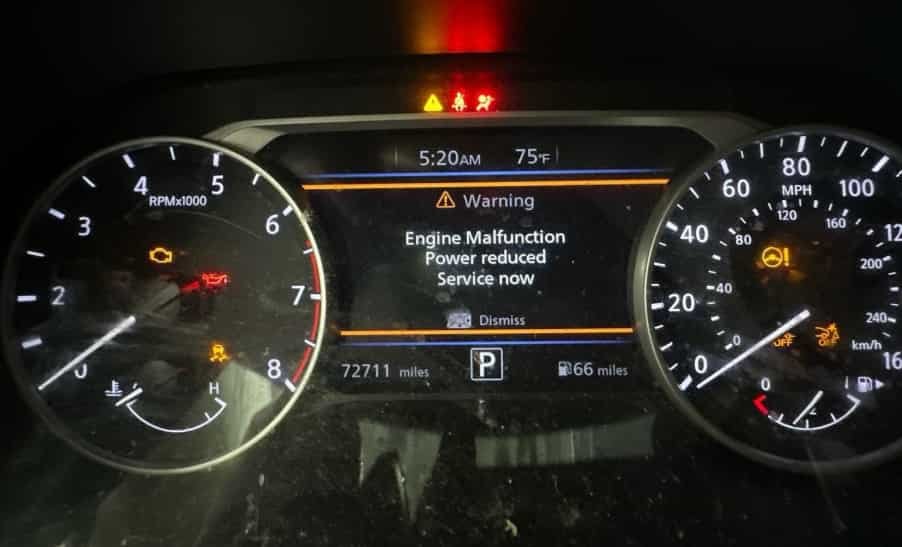
Ignition coil failure is another issue that affects engine stability. A failing coil can cause misfires and poor engine response. Drivers may also see the check engine light on the dashboard. Replacing faulty coils usually restores normal engine operation.
Timing chain wear can appear at higher mileage. The chain usually lasts a long time, but poor oil maintenance can reduce its lifespan. A worn chain may create rattling noises during cold starts. In severe cases, engine timing becomes unstable.
Most MR20DD engine problems develop slowly. Early signs often give drivers time to react. Regular maintenance helps reduce the risk of major repairs. Good oil quality, clean fuel, and timely servicing improve long term reliability. With proper care, the MR20DD engine can remain stable and efficient for many years.
Nissan MR20DD Problem Symptoms at Different Mileage
The Nissan MR20DD engine shows different symptoms depending on mileage. Most issues do not appear suddenly. They develop slowly over time. Understanding these changes helps drivers detect problems early and avoid costly repairs.
Under 50,000 miles, the engine usually runs smoothly. Most vehicles show no serious issues at this stage. Some drivers may notice minor hesitation during cold starts. Fuel quality and driving habits can influence early performance. Regular maintenance keeps the engine stable and efficient.
Between 50,000 and 100,000 miles, small issues may start to appear. Carbon buildup can begin forming on intake valves. Drivers may feel slight loss of power or reduced fuel economy. Ignition coils and spark plugs may also start to wear. The engine may idle less smoothly in some conditions. These symptoms often stay mild but should not be ignored.
Over 100,000 miles, engine wear becomes more noticeable. Carbon deposits may increase and affect airflow. Fuel injectors may lose efficiency. Some drivers experience engine misfires or rough acceleration. Oil consumption can also increase in certain cases. Regular servicing becomes very important at this stage.
Beyond 150,000 miles, the engine requires closer attention. Timing chain noise may appear during cold starts. Performance may feel less responsive compared to earlier years. Some components may need replacement depending on maintenance history. Well maintained engines can still perform reliably, but neglected engines may show multiple issues at once.
Mileage alone does not determine engine condition. Maintenance history plays a bigger role in overall reliability. Engines with proper servicing often perform better than low mileage engines with poor care. Regular oil changes, quality fuel, and timely inspections help extend engine life and reduce MR20DD engine problems significantly.
What Causes Most Nissan MR20DD Engine Problems?
Most Nissan MR20DD engine problems do not come from a single failure point. They usually result from a combination of design characteristics and long term usage conditions. The engine uses direct fuel injection, which improves efficiency but also increases sensitivity to maintenance quality.
One major cause is carbon buildup inside the intake system. In a direct injection engine, fuel does not pass over the intake valves. This allows carbon deposits to form over time. These deposits reduce airflow and affect combustion quality.
Poor fuel quality also contributes to engine problems. Low grade fuel can leave more deposits in the combustion chamber. It can also affect injector performance and long term fuel system cleanliness. Engines that consistently use low quality fuel often develop issues earlier.
Irregular oil changes create another common cause. Old engine oil loses its protective properties. It also increases sludge and contamination inside the engine. This affects components such as the timing chain, valve system, and internal lubrication.
Driving habits also play an important role. Frequent short trips prevent the engine from reaching optimal operating temperature. This increases moisture and carbon accumulation inside the engine. Aggressive driving can also increase wear on ignition coils and fuel injectors.
Environmental conditions add further stress. Dusty roads, extreme temperatures, and heavy traffic all affect engine cleanliness and efficiency. Vehicles used in harsh conditions often require more frequent maintenance.
In most cases, Nissan MR20DD engine problems develop slowly due to these combined factors. The engine itself remains mechanically sound. However, it depends heavily on proper maintenance and good operating conditions. Drivers who follow the recommended service schedule significantly reduce the risk of major failures and improve long term reliability.
How to Prevent Nissan MR20DD Engine Problems
Preventing Nissan MR20DD engine problems depends mainly on consistent maintenance and good driving habits. The engine design works well when it receives proper care. Small routine actions can significantly extend engine life and improve reliability.
Regular oil changes are the most important factor. Fresh engine oil keeps internal components clean and well lubricated. It also reduces wear on the timing chain and valve system. Most owners should follow the manufacturer recommended interval or shorten it for severe driving conditions.
Using high quality fuel also helps prevent long term issues. Good fuel reduces carbon deposits inside the combustion chamber. It also supports better injector performance and smoother engine operation. Poor fuel quality often leads to faster buildup and reduced efficiency.
Air intake cleaning is another important step. Carbon buildup is a known issue in direct injection engines. Periodic intake valve cleaning helps restore airflow and engine performance. Many drivers choose walnut blasting to remove stubborn deposits.
Replacing spark plugs and ignition coils on schedule also improves reliability. Worn components can cause misfires and uneven combustion. Early replacement helps maintain smooth engine performance and fuel efficiency.
Driving style also affects engine health. Longer trips allow the engine to reach full operating temperature. This reduces moisture buildup and improves fuel burn quality. Gentle acceleration also reduces stress on engine components.
Routine inspections help detect problems early. Small issues such as minor oil leaks or early misfires should never be ignored. Early repair is always cheaper than major engine failure.
With proper maintenance, the Nissan MR20DD engine can remain efficient and reliable for many years. Most problems are preventable when drivers follow a consistent care routine.
Nissan MR20DD Maintenance Schedule
The Nissan MR20DD engine performs best when owners follow a consistent maintenance schedule. Regular servicing helps prevent common engine problems and improves long term reliability. Each maintenance stage plays an important role in keeping the engine in stable condition.
Every 5,000 to 7,000 miles, the engine oil should be checked and replaced if needed. Fresh oil keeps internal parts clean and reduces friction. Oil filters should also be replaced at the same time. This step helps protect the timing chain and valve system from early wear.
Every 15,000 to 30,000 miles, the air filter should be inspected and replaced if dirty. A clean air filter improves airflow and supports better fuel combustion. At this stage, spark plugs should also be checked for wear or deposits. Replacing worn spark plugs helps maintain smooth ignition and stable engine performance.
Every 30,000 to 60,000 miles, fuel system cleaning becomes important. This includes inspecting fuel injectors and cleaning the intake system if needed. Direct injection engines often develop carbon buildup over time. Cleaning helps restore airflow and improve fuel efficiency.
Every 60,000 to 100,000 miles, ignition coils and major engine components should be inspected more closely. Weak coils can lead to misfires and poor engine response. Timing chain noise should also be checked during cold starts. Early detection can prevent more serious mechanical damage.
Long term maintenance also includes regular coolant checks and periodic system diagnostics. These steps help identify hidden issues before they affect engine performance.
A well maintained Nissan MR20DD engine can run efficiently for many years. Following the correct maintenance schedule reduces the risk of major failures. It also improves fuel economy, engine smoothness, and overall driving comfort.
Nissan MR20DD Repair Costs
Repair costs for the Nissan MR20DD engine vary depending on the type of problem and the level of damage. Most minor issues are affordable to fix when detected early. Major repairs become expensive if the engine is neglected over time.
Carbon cleaning is one of the most common services for this engine. Intake valve cleaning usually costs a moderate amount depending on the workshop and method used. Walnut blasting is more expensive but provides better long term results. This service helps restore airflow and engine performance.
Fuel injector replacement or cleaning can also affect repair costs. Cleaning injectors is usually cheaper and works for mild contamination. Full replacement becomes necessary when injectors fail or lose pressure. This repair can increase overall maintenance expenses.
Ignition coil replacement is relatively affordable compared to other repairs. Many engines require coil replacement after long mileage. Replacing faulty coils improves engine stability and reduces misfire issues.
Timing chain replacement is one of the most expensive repairs for the MR20DD engine. This job requires significant labor because the engine must be partially disassembled. However, most engines do not need this repair unless maintenance has been neglected.
Oil consumption issues can also increase long term costs. Drivers may need more frequent oil top ups or engine inspection. In severe cases, internal wear may require deeper mechanical repairs.
Overall, the Nissan MR20DD engine is not overly expensive to maintain when serviced regularly. Most problems remain manageable if addressed early. Preventive maintenance always costs less than major engine repair. Careful driving habits and proper servicing help reduce long term ownership costs significantly.
Nissan MR20DD vs MR20DE
The Nissan MR20DD and MR20DE engines share the same basic displacement and engine family. Both engines use a two liter inline four cylinder layout. However, they differ in fuel delivery technology and long term maintenance behavior.
The MR20DE uses multi point fuel injection. This system injects fuel into the intake ports. It helps keep the intake valves cleaner during operation. As a result, carbon buildup is less common in this engine. Maintenance tends to be simpler and more predictable.
The MR20DD uses direct fuel injection. This system injects fuel directly into the combustion chamber. It improves fuel efficiency and combustion precision. It also increases low end torque and overall responsiveness. However, it creates a higher risk of carbon deposits on intake valves over time.
In terms of reliability, both engines perform well when properly maintained. The MR20DE is often considered more tolerant of poor maintenance. The MR20DD requires more attention to fuel quality and oil change intervals. Drivers who follow proper maintenance schedules can expect good durability from both engines.
Performance differences are also noticeable. The MR20DD delivers slightly better fuel economy and smoother low speed response. The MR20DE offers more consistent long term simplicity due to its older fuel system design.
Repair costs can differ as well. The MR20DD may require additional maintenance such as intake cleaning and injector servicing. The MR20DE usually has fewer direct injection related issues.
Overall, the MR20DD represents a more modern and efficient design. The MR20DE represents a simpler and more traditional approach. The better choice depends on whether the driver values efficiency or long term mechanical simplicity.
Pros and Cons of the Nissan MR20DD Engine
The Nissan MR20DD engine offers a balanced mix of efficiency and everyday usability. It performs well in many driving conditions when properly maintained. However, like any modern direct injection engine, it also has some clear disadvantages that owners should understand.
One of the main advantages is fuel efficiency. The MR20DD uses direct injection technology to improve combustion quality. This helps reduce fuel consumption during city and highway driving. The engine also delivers smooth acceleration and stable performance for daily use.
Another advantage is responsive low speed torque. Drivers often feel better throttle response compared to older engines. This makes city driving more comfortable and predictable. The engine also works well with Nissan CVT transmissions in many models.
The MR20DD also benefits from a modern design. It uses a timing chain instead of a timing belt. This reduces routine maintenance needs. With proper servicing, the engine can reach high mileage without major structural problems.
However, the engine also has some disadvantages. Carbon buildup is the most common issue due to direct injection. Over time, deposits can reduce airflow and affect performance. Fuel injectors and ignition components also require more attention than older systems.
Maintenance sensitivity is another drawback. The MR20DD performs best with high quality fuel and regular oil changes. Poor maintenance can quickly lead to engine problems. Repair costs can also increase if issues are ignored for too long.
Overall, the Nissan MR20DD engine is efficient and reliable when properly maintained. It is not a problem free engine, but it offers strong value for drivers who follow correct maintenance practices.
Frequently Asked Questions
Many drivers want to understand more about the Nissan MR20DD engine before buying or maintaining a vehicle. The following questions cover the most common concerns and provide clear answers based on real world usage and technical behavior.
What are the most common Nissan MR20DD engine problems?
The most common problems include carbon buildup on intake valves, fuel injector issues, ignition coil failure, and timing chain wear. These issues usually develop over time and are strongly linked to maintenance habits and driving conditions.
Is the Nissan MR20DD engine reliable?
The MR20DD engine is reliable when properly maintained. Many engines last over 150,000 miles without major failure. Regular oil changes and good fuel quality play a key role in long term durability.
How long does the MR20DD engine last?
The engine can last between 150,000 and 200,000 miles or more. Lifespan depends on maintenance quality, driving style, and fuel conditions. Well maintained engines often exceed expectations.
Does the MR20DD have timing chain problems?
The timing chain is generally durable and does not require frequent replacement. However, poor oil maintenance can cause early wear. Drivers may notice rattling noise during cold starts if wear begins.
Is carbon buildup normal on the MR20DD?
Carbon buildup is common in direct injection engines like the MR20DD. It develops because fuel does not clean the intake valves. Regular cleaning and high quality fuel can reduce the buildup rate.
How much does it cost to repair a Nissan MR20DD engine?
Repair costs vary depending on the issue. Minor repairs like ignition coils are affordable. More complex repairs such as timing chain replacement are significantly more expensive. Preventive maintenance helps reduce long term costs.
Can the MR20DD reach 200,000 miles?
Yes, the MR20DD engine can reach 200,000 miles or more. This requires consistent maintenance, timely repairs, and proper driving habits. Neglecting maintenance reduces the chance of reaching high mileage.
Conclusion
The Nissan MR20DD engine is a modern and efficient powertrain designed for everyday driving. It delivers good fuel economy, smooth performance, and stable reliability when properly maintained. Many drivers choose vehicles with this engine because of its balance between efficiency and practicality.
Most Nissan MR20DD engine problems develop gradually over time. Carbon buildup, fuel injector issues, ignition coil wear, and timing chain concerns are the most common. These issues are not sudden failures. They usually appear as early warning signs that drivers can detect and address.
Maintenance plays the most important role in engine reliability. Regular oil changes, quality fuel, and timely inspections significantly reduce the risk of serious problems. Engines that follow a proper service schedule often last well beyond 150,000 miles. Some even reach 200,000 miles or more without major repairs.
The MR20DD is not a perfect engine. It requires more attention than older port injection designs. However, it offers better fuel efficiency and improved driving performance. Drivers who understand its characteristics can avoid most common issues and keep the engine in strong condition.
For buyers considering a used Nissan, the MR20DD should not be a concern if the vehicle has a good maintenance history. A well cared for engine will always perform better than a neglected one, even at lower mileage.
Overall, the Nissan MR20DD engine remains a solid choice for drivers who value efficiency, comfort, and long term usability.