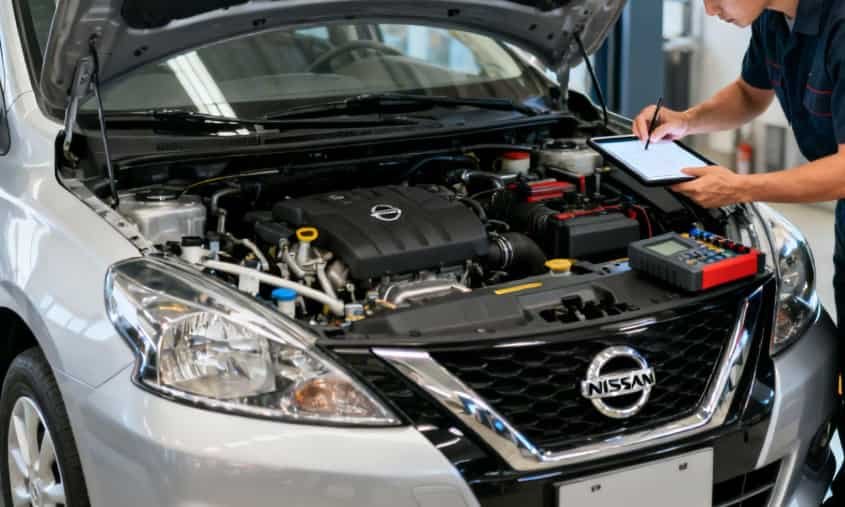
The Nissan HR16DE engine has built a solid reputation for reliability, fuel efficiency, and affordable maintenance. Nissan introduced this 1.6 liter gasoline engine to deliver dependable performance for everyday driving. Today, millions of drivers rely on it in models such as the Nissan Versa, Note, Micra, March, Tiida, Sunny, and Cube.
Although the HR16DE is known for its durability, it is not immune to mechanical problems. Every engine experiences wear as mileage increases. Poor maintenance and delayed servicing can also lead to costly repairs. Many owners report issues such as timing chain noise, excessive oil consumption, ignition coil failure, overheating, coolant leaks, and carbon buildup. These problems often start with minor symptoms. However, they can quickly become serious if drivers ignore the warning signs.
Learning about Nissan HR16DE engine problems helps you identify issues before they become expensive repairs. Early diagnosis protects important engine components and keeps repair costs under control. Regular maintenance also improves fuel economy, extends engine life, and supports consistent performance.
This guide covers the ten most common Nissan HR16DE engine problems in detail. You will learn the symptoms, causes, repair methods, estimated repair costs, and practical prevention tips for each issue. Whether you already own a vehicle with this engine or plan to buy one, this guide will help you understand what to expect and how to keep the HR16DE running smoothly for many years.
Quick Overview of the Nissan HR16DE Engine
The Nissan HR16DE is a 1.6 liter inline four cylinder gasoline engine designed for everyday driving efficiency and long term reliability. Nissan built this engine to balance fuel economy, durability, and low maintenance costs. It features an aluminum engine block that helps reduce overall weight and improve efficiency. The engine also uses a DOHC 16 valve configuration, which supports smoother airflow and better combustion performance.
The HR16DE comes with a timing chain system instead of a timing belt. This design reduces routine maintenance requirements and improves long term durability when properly maintained. Nissan also equipped the engine with multi point fuel injection to ensure stable fuel delivery across different driving conditions. In addition, variable valve timing technology helps optimize performance and fuel efficiency at different engine speeds.
This engine produces around 108 to 118 horsepower and approximately 150 Nm of torque depending on the vehicle model and market. While it does not focus on high performance, it delivers smooth and predictable power for city driving and highway use. Many Nissan models use this engine, including the Nissan Versa, Note, Micra, March, Tiida, Sunny, and Cube. These vehicles target drivers who prioritize affordability, fuel efficiency, and reliability over sporty performance.
The HR16DE has a strong reputation for durability and can last over 200,000 miles with proper maintenance. However, its long term reliability depends heavily on service quality. Regular oil changes, timely replacement of wear components, and proper cooling system maintenance play a key role in preventing early engine problems. When neglected, the engine may develop common issues such as oil consumption, ignition problems, or timing chain noise. Overall, the HR16DE remains a dependable engine when maintained correctly and used under normal driving conditions.
Timing Chain Noise
Timing chain noise is one of the most reported Nissan HR16DE engine problems, especially in high mileage vehicles. The timing chain controls the connection between the crankshaft and camshaft, so it plays a critical role in engine synchronization. When it starts to wear or lose tension, the engine produces a rattling or ticking noise, especially during cold starts or idle.
In many cases, low engine oil level or poor oil quality accelerates this issue. Dirty oil can reduce lubrication and increase friction inside the timing chain system. A weak tensioner can also cause the chain to loosen over time. When this happens, the engine may struggle to maintain smooth timing, which leads to rough idling or reduced performance.
Drivers usually notice early symptoms such as a metallic noise from the engine bay, inconsistent engine sound at startup, or a slight drop in fuel efficiency. If the problem continues, the check engine light may appear due to timing correlation errors.
Mechanics diagnose this issue by listening to engine noise and scanning for timing related error codes. In severe cases, they inspect the timing chain tensioner and guides for wear. If the chain becomes too loose or stretched, replacement becomes necessary. Ignoring the problem can lead to serious engine damage if the timing slips.
The most common fix involves replacing the timing chain kit, including the chain, tensioner, and guides. Regular oil changes with high quality engine oil help prevent this issue. Most repair costs range from moderate to high depending on labor and parts quality. Preventive maintenance remains the best way to avoid timing chain noise and extend engine life.
Excessive Oil Consumption
Excessive oil consumption is another common Nissan HR16DE engine problem, especially in engines with high mileage or poor maintenance history. This issue occurs when the engine burns more oil than normal during combustion or loses oil through internal wear. Drivers often notice that the oil level drops faster than expected between oil changes.
One main cause comes from worn piston rings or valve seals. These components control oil flow inside the engine. When they wear out, oil can enter the combustion chamber and burn along with fuel. This leads to higher oil usage and sometimes visible exhaust smoke. Another cause relates to long oil change intervals. Dirty or degraded oil loses its protective properties and increases engine wear over time.
Drivers usually detect symptoms such as frequent low oil warnings, the need to refill oil more often, and sometimes a faint blue smoke from the exhaust. In some cases, the engine may also show reduced performance or increased fuel consumption. A strong oil smell around the engine bay can also indicate internal leakage or burning oil.
Mechanics diagnose this problem by checking compression levels and inspecting spark plugs for oil deposits. They may also perform a leak-down test to confirm internal wear. If the issue comes from minor deposits or clogged components, engine cleaning or oil system treatment may help.
However, severe cases require deeper repairs such as piston ring replacement or valve seal repair. These repairs can become expensive, so early detection is important. Using high quality engine oil and following strict oil change intervals helps prevent this problem. Regular maintenance significantly reduces oil consumption and improves long term engine reliability.
Ignition Coil Failure
Ignition coil failure is a frequent issue in the Nissan HR16DE engine, especially in older or high mileage vehicles. The ignition coil plays an important role in the combustion process. It converts low battery voltage into high voltage to ignite the air fuel mixture inside the engine cylinders. When a coil starts to fail, the engine loses proper ignition timing and performance drops quickly.
The most common cause of ignition coil failure is heat and long term wear. Over time, constant exposure to high engine temperatures weakens the coil insulation. Moisture, oil leaks, or poor quality spark plugs can also increase stress on the ignition system. When one coil fails, it can also affect other coils if the engine continues to run under poor conditions.
Drivers usually notice clear symptoms. The engine may misfire during acceleration or idle. The check engine light often appears with misfire related codes. The car may also feel weak, hesitate during throttle response, or vibrate more than usual. In some cases, fuel consumption increases because the engine burns fuel inefficiently.
Mechanics diagnose this issue by scanning error codes and performing coil swap tests between cylinders. This helps confirm which coil is faulty. Once identified, the failed coil is replaced with a new one. In most cases, replacing spark plugs at the same time improves long term reliability.
Repair costs are usually moderate and depend on how many coils need replacement. Ignoring this issue can lead to catalytic converter damage due to unburned fuel entering the exhaust system. Regular maintenance, high quality spark plugs, and timely replacement of worn ignition components help prevent this problem and keep the HR16DE engine running smoothly.
Spark Plug Wear
Spark plug wear is a common issue in the Nissan HR16DE engine and often appears gradually over time. Spark plugs play a key role in igniting the air fuel mixture inside the combustion chamber. When they wear out, the engine loses ignition efficiency and starts to run less smoothly.
The main cause of spark plug wear is natural degradation from repeated ignition cycles. Each spark plug fires thousands of times during normal driving, and this slowly wears down the electrode. Poor fuel quality and delayed maintenance can also accelerate this process. In some cases, oil consumption or carbon buildup can foul the spark plugs and reduce their effectiveness even faster.
Drivers often notice symptoms such as rough idling, slower acceleration, and reduced fuel efficiency. The engine may also misfire under load or during cold starts. In many cases, the check engine light turns on due to incomplete combustion or misfire detection in one or more cylinders.
Mechanics diagnose spark plug issues by removing and inspecting the plugs for wear, carbon deposits, or oil contamination. A worn spark plug usually shows a widened gap or a damaged electrode. When this happens, replacement is the only effective solution. In most cases, replacing all spark plugs at the same time ensures balanced engine performance.
Repair costs remain relatively low compared to other engine issues. However, ignoring spark plug wear can lead to more serious problems such as ignition coil stress or catalytic converter damage. Regular replacement based on manufacturer intervals helps prevent these issues. Using high quality fuel and maintaining a clean combustion system also extends spark plug life and improves overall engine efficiency.
Dirty Throttle Body
A dirty throttle body is a common Nissan HR16DE engine problem that develops gradually over time. The throttle body controls the amount of air entering the engine. It plays a key role in maintaining stable idle speed and smooth acceleration. When it becomes dirty, airflow restriction affects engine performance.
Carbon deposits and oil vapors are the main causes of throttle body contamination. These deposits build up inside the throttle plate and air passage over time. Short trips, stop and go traffic, and infrequent maintenance can make the buildup worse. As the throttle body gets dirtier, the engine struggles to regulate airflow correctly.
Drivers usually notice symptoms such as rough idling, unstable RPM at idle, or hesitation during acceleration. The engine may also feel less responsive when pressing the gas pedal. In some cases, fuel efficiency drops because the air fuel mixture becomes less accurate. The check engine light may also appear if airflow readings become inconsistent.
Mechanics diagnose this issue by visually inspecting the throttle body after removing the intake hose. A dirty surface with carbon buildup confirms the problem. In most cases, cleaning the throttle body with a specialized cleaner restores proper airflow and engine response. After cleaning, the engine often returns to smoother idle and better throttle control.
Repair costs are usually low since the process does not require major parts replacement. However, neglecting this issue can lead to long term drivability problems and increased engine strain. Regular intake system cleaning and proper air filter maintenance help prevent throttle body contamination. This simple maintenance step improves engine stability and supports long term performance of the HR16DE engine.
Mass Air Flow Sensor Failure
Mass air flow sensor failure is another Nissan HR16DE engine problem that directly affects fuel delivery and engine performance. The mass air flow sensor measures the amount of air entering the engine. The engine control unit uses this data to calculate the correct fuel injection. When the sensor fails or becomes contaminated, the air fuel ratio becomes inaccurate.
Dirt, dust, and oil contamination are the most common causes of sensor failure. A clogged air filter can also allow debris to reach the sensor and reduce its accuracy. Over time, this contamination leads to incorrect readings and poor engine behavior. Electrical wear or aging components can also contribute to sensor malfunction.
Drivers often notice symptoms such as rough idling, hesitation during acceleration, or sudden drops in fuel efficiency. The engine may feel weak or unresponsive, especially under load. In many cases, the check engine light turns on with airflow related error codes. Some vehicles may also experience stalling or difficulty starting.
Mechanics diagnose this issue by scanning for error codes and monitoring live air flow data. They may also inspect the sensor visually for contamination. In many cases, cleaning the sensor with a specialized cleaner can restore proper function. However, if the sensor is damaged or too worn, replacement becomes necessary.
Repair costs vary depending on whether cleaning is enough or full replacement is required. A new mass air flow sensor can be relatively expensive compared to other basic engine components. Preventing this issue depends on regular air filter replacement and avoiding poor quality intake conditions. Keeping the intake system clean ensures accurate air measurement and stable performance in the HR16DE engine.
Engine Overheating
Engine overheating is a serious Nissan HR16DE engine problem that can lead to severe internal damage if drivers ignore it. The engine relies on a stable cooling system to maintain optimal operating temperature. When this system fails, heat builds up quickly and affects performance and durability.
Several factors can cause overheating. Low coolant levels often trigger the problem first. Coolant leaks from hoses, the radiator, or the water pump can reduce cooling efficiency. A faulty thermostat may also block proper coolant flow through the engine. In some cases, a failing radiator fan cannot remove heat from the system effectively, especially during slow driving or traffic.
Drivers usually notice early symptoms such as rising temperature gauge readings, steam coming from the engine bay, or a warning light on the dashboard. The engine may also lose power or start running roughly when it becomes too hot. In severe cases, continued driving can cause head gasket damage or engine seizure.
Mechanics diagnose overheating by checking coolant levels, inspecting for leaks, and testing thermostat operation. They also evaluate radiator performance and fan activation. Once they identify the root cause, they replace faulty components and refill the cooling system with the correct coolant mixture.
Repair costs vary depending on the cause. Simple fixes like coolant replacement are affordable, while radiator or water pump replacement can cost more. Preventing overheating requires regular coolant checks, timely replacement of cooling components, and immediate attention to any leaks. A well maintained cooling system helps protect the HR16DE engine from long term heat related damage and ensures stable performance under all driving conditions.
Coolant Leaks
Coolant leaks are a common Nissan HR16DE engine problem that can lead to overheating and long term engine damage if drivers do not fix them early. The cooling system depends on a sealed circuit to keep engine temperature stable. When coolant escapes, the system loses efficiency and the engine becomes vulnerable to heat stress.
Leaks can develop in several areas. Common sources include radiator cracks, worn hoses, loose clamps, a damaged water pump, or a failing thermostat housing. Over time, rubber hoses can harden and lose flexibility, which increases the chance of cracks and small leaks. Vibration and engine heat also accelerate wear on cooling system components.
Drivers often notice symptoms such as low coolant warnings, visible puddles under the vehicle, or a sweet smell near the engine bay. In some cases, the temperature gauge may rise faster than normal during driving. If the leak becomes severe, the engine may overheat quickly and trigger a warning light on the dashboard.
Mechanics diagnose coolant leaks by performing a pressure test on the cooling system. This test helps reveal hidden leaks that are not visible during normal inspection. They may also inspect hoses, the radiator, and the water pump for signs of wear or damage. Once they identify the leak source, they replace the faulty component and refill the system with fresh coolant.
Repair costs depend on the location and severity of the leak. Hose replacements are usually affordable, while radiator or water pump repairs cost more. Preventing coolant leaks requires regular inspection of the cooling system and timely replacement of aging hoses. Maintaining proper coolant levels helps protect the HR16DE engine from overheating and ensures stable long term performance.
Engine Mount Failure
Engine mount failure is another Nissan HR16DE engine problem that affects driving comfort and overall vehicle stability. Engine mounts hold the engine in place and absorb vibrations during operation. When these mounts wear out or break, the engine loses proper support and vibration increases inside the cabin.
The main cause of engine mount failure is long term wear from constant engine movement and heat exposure. Rubber components inside the mounts gradually degrade over time. Oil leaks can also weaken the rubber and accelerate damage. In some cases, aggressive driving or frequent stop and go traffic increases stress on the mounts and shortens their lifespan.
Drivers usually notice symptoms such as strong vibrations at idle, engine movement during acceleration, or clunking noises when shifting gears. The vibration may become more noticeable when the car is in drive but stationary. In severe cases, the engine may visibly shift inside the engine bay when the driver accelerates or brakes.
Mechanics diagnose this issue by visually inspecting the engine mounts and checking for cracks, separation, or collapsed rubber. They may also observe engine movement while the engine is running. Once they confirm mount failure, they replace the damaged mounts to restore proper engine positioning and vibration control.
Repair costs depend on the number of mounts that need replacement. Some vehicles require replacing more than one mount at the same time. While the repair is not the most expensive compared to internal engine issues, ignoring it can lead to stress on other components such as exhaust connections and drivetrain parts. Regular inspection helps prevent excessive vibration and maintains smooth driving performance in the HR16DE engine.
Carbon Build Up
Carbon buildup is a common Nissan HR16DE engine problem that develops gradually inside the intake system and combustion chamber. Over time, fuel residue and oil vapors create carbon deposits on intake valves, throttle components, and piston surfaces. These deposits restrict airflow and reduce combustion efficiency.
The main cause of carbon buildup comes from short trip driving and low engine operating temperatures. When the engine does not reach optimal temperature regularly, fuel does not burn completely. This incomplete combustion increases carbon deposits inside the engine. Poor fuel quality and delayed maintenance can also make the problem worse.
Drivers often notice symptoms such as rough idling, reduced acceleration, and poor fuel economy. The engine may also feel less responsive during throttle input. In some cases, misfires occur because carbon deposits interfere with proper air fuel mixing. The check engine light may also appear if combustion efficiency drops significantly.
Mechanics diagnose carbon buildup by inspecting the intake system and using diagnostic tools to check misfire counts or fuel trim values. In more severe cases, they may remove intake components to visually confirm deposit levels. Cleaning methods such as throttle cleaning or intake system cleaning help remove moderate buildup and restore performance.
Repair costs depend on severity. Light buildup requires simple cleaning, while heavy deposits may require professional carbon cleaning services. Preventing this issue requires consistent driving at proper engine temperature, using high quality fuel, and maintaining regular servicing intervals. When managed correctly, the HR16DE engine can maintain smooth airflow, stable combustion, and long term reliability.
What Causes Most Nissan HR16DE Engine Problems
Most Nissan HR16DE engine problems do not appear randomly. They usually develop from a few core causes that slowly damage engine performance over time. Understanding these root causes helps drivers prevent expensive repairs and extend engine life.
Poor maintenance is the most common cause. When drivers delay oil changes, the engine oil loses its lubrication ability. This increases friction between internal components and leads to faster wear. Dirty oil also blocks small oil passages and reduces engine efficiency.
Low quality engine oil creates similar problems. Cheap or incorrect oil grades do not protect the engine properly under heat and pressure. Over time, this can cause timing chain noise, oil consumption, and internal sludge buildup.
Overheating is another major factor. When the cooling system fails or coolant levels drop, engine temperature rises quickly. High heat damages seals, hoses, and metal components. It can also trigger long term issues like head gasket failure or coolant leaks.
High mileage naturally increases wear on internal parts. Components such as ignition coils, spark plugs, and engine mounts lose efficiency after long use. Without replacement, these worn parts create performance issues and misfires.
Aggressive driving also contributes to engine stress. Frequent hard acceleration and sudden braking put extra load on engine components. This accelerates wear on the ignition system and drivetrain.
Finally, poor fuel quality can affect combustion efficiency. Low grade fuel increases carbon buildup and reduces engine cleanliness over time.
In most cases, HR16DE engine problems come from a combination of these factors rather than a single issue. Proper maintenance and early detection remain the most effective ways to keep the engine reliable.
How to Prevent Nissan HR16DE Engine Problems
Preventing Nissan HR16DE engine problems is much easier and cheaper than repairing them. Most issues develop slowly, so consistent maintenance plays the most important role in keeping the engine healthy and reliable over time.
Regular oil changes form the foundation of engine protection. Fresh engine oil keeps internal parts lubricated and reduces friction. Drivers should follow the recommended oil change interval and always use the correct oil grade. High quality oil also helps prevent sludge buildup and timing chain noise.
Cooling system maintenance is equally important. Drivers should check coolant levels frequently and inspect hoses for early signs of wear. A healthy cooling system prevents overheating and protects the engine from heat related damage. Replacing old coolant at the correct interval also improves system efficiency.
Air intake maintenance helps prevent airflow related issues. Replacing the air filter on time keeps dirt and debris from entering the engine. Cleaning the throttle body and mass air flow sensor when needed also supports stable air fuel balance and smoother performance.
Ignition system care improves combustion efficiency. Replacing spark plugs at recommended intervals helps avoid misfires and ignition coil stress. Healthy spark plugs ensure consistent engine firing and better fuel economy.
Driving habits also play a key role in prevention. Smooth acceleration and avoiding unnecessary high RPM driving reduce engine stress. Allowing the engine to warm up properly before heavy driving also improves long term durability.
Finally, routine inspections help detect early warning signs. Scanning for error codes and checking fluid conditions allows drivers to fix small issues before they turn into major engine failures. Consistent maintenance ensures the HR16DE engine remains stable, efficient, and long lasting.
Nissan HR16DE Maintenance Schedule and Engine Lifespan
The Nissan HR16DE engine performs best when owners follow a consistent maintenance schedule. Regular servicing keeps internal components clean and reduces the risk of common engine problems. It also helps maintain fuel efficiency and extends overall engine life.
Engine oil should be replaced every 5,000 to 8,000 kilometers depending on driving conditions and oil quality. Frequent oil changes help protect the timing chain and reduce internal wear. The oil filter should be replaced at the same time to maintain proper oil flow.
The air filter should be inspected every 10,000 to 15,000 kilometers. A clean air filter ensures proper airflow and supports efficient combustion. Spark plugs typically require replacement every 40,000 to 60,000 kilometers. Replacing them on time prevents misfires and reduces stress on the ignition system.
The coolant system should be checked regularly and flushed every 2 to 4 years depending on usage. Fresh coolant prevents overheating and protects engine components from heat damage. Drive belts and hoses should also be inspected for cracks or wear during routine servicing.
The timing chain system does not require scheduled replacement under normal conditions. However, it should be inspected if unusual noise or performance issues appear. Early detection helps prevent expensive repairs.
With proper maintenance, the Nissan HR16DE engine can last over 200,000 miles. Many well maintained engines even reach higher mileage without major issues. However, lifespan depends heavily on driving habits, maintenance quality, and fuel conditions.
Drivers who follow preventive maintenance and address small issues early often experience longer engine life and more stable performance. In contrast, neglected engines tend to develop problems much earlier and require costly repairs.
Is the Nissan HR16DE Engine Reliable
The Nissan HR16DE engine is widely considered a reliable and efficient powertrain when owners maintain it properly. Nissan designed this engine for long term daily use, and it performs well in compact and subcompact vehicles around the world. Many drivers report that the engine delivers stable performance, good fuel economy, and low maintenance costs over long periods.
The engine shows strong durability in normal driving conditions. It handles city driving and highway use without major issues when serviced on time. Its simple design and timing chain system also reduce the need for frequent major repairs. Many well maintained HR16DE engines exceed 200,000 miles without serious mechanical failure.
However, reliability depends heavily on maintenance quality. Engines that receive regular oil changes, proper cooling system care, and timely replacement of wear parts tend to stay in good condition for many years. On the other hand, neglected engines often develop problems such as oil consumption, ignition coil failure, or timing chain noise earlier than expected.
Overall, the HR16DE offers a good balance between performance and reliability. It is not a high performance engine, but it excels in efficiency and long term ownership value when properly cared for.
Final Thoughts on Nissan HR16DE Engine Problems
The Nissan HR16DE engine has a solid reputation for durability, but it still develops common issues over time. Most problems come from wear, maintenance habits, and driving conditions rather than design flaws. Timing chain noise, oil consumption, ignition coil failure, spark plug wear, throttle body dirt, airflow sensor issues, overheating, coolant leaks, engine mount wear, and carbon buildup represent the most common concerns.
Early detection plays a key role in preventing expensive repairs. Drivers who respond quickly to warning signs can avoid major engine damage and reduce long term ownership costs. Simple maintenance routines such as regular oil changes, cooling system checks, and timely part replacements significantly improve engine life.
In most cases, the HR16DE remains a dependable engine for daily driving. It delivers good fuel efficiency, stable performance, and long service life when properly maintained. Understanding its weak points helps owners make better decisions and keep the engine running smoothly for years.
If you own a vehicle with the HR16DE engine, consistent maintenance is the most effective way to ensure reliability and avoid unexpected breakdowns.