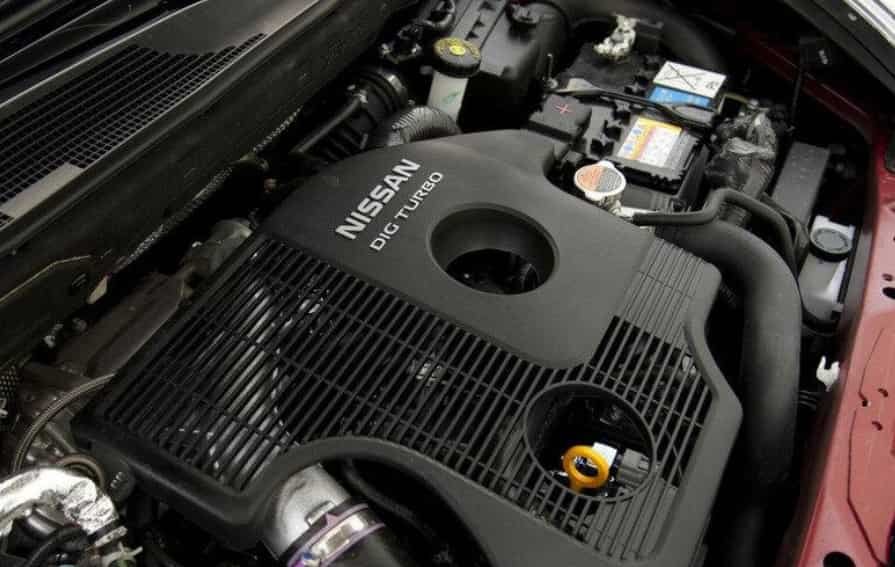
The Nissan Juke has built a strong reputation as one of the most distinctive compact crossover SUVs on the market. Its boldThe Nissan Juke stands out in the compact crossover market because of its bold design, agile handling, and practical size. Many drivers also appreciate its responsive 1.6 liter engine, which comes in naturally aspirated and turbocharged versions. Both engines deliver solid performance, but they can develop mechanical issues as mileage increases.
Understanding Nissan Juke 1.6 engine problems helps owners protect their investment and avoid expensive repairs. Some faults appear gradually and show only minor symptoms at first. Others can reduce engine performance or even cause severe damage if drivers ignore the warning signs. Early diagnosis often saves both time and money.
Several problems occur more often than others. Timing chain wear, excessive oil consumption, ignition coil failure, and turbocharger issues rank among the most common complaints. Cooling system failures and carbon buildup can also affect reliability over time. Learning how these problems develop makes troubleshooting much easier.
Proper maintenance has a direct impact on engine life. Regular oil changes, quality replacement parts, and routine inspections help prevent many common failures. Drivers who follow the recommended service schedule usually experience fewer unexpected repairs and better long term reliability.
This guide explains the most common Nissan Juke 1.6 engine problems in detail. It covers the symptoms, causes, repair methods, and estimated repair costs for each issue. You will also learn which model years deserve extra attention and how to keep the engine running reliably for many years.
Nissan Juke 1.6 Engine Overview
The Nissan Juke 1.6 engine plays an important role in the driving experience of this compact crossover. Nissan designed this engine to balance performance, fuel efficiency, and everyday usability. Depending on the model, the Juke uses either the HR16DE naturally aspirated engine or the MR16DDT turbocharged engine.
The HR16DE engine focuses on simplicity and reliability. It delivers smooth power for city driving and light highway use. This engine avoids complex forced induction systems, which helps reduce long term maintenance risks. Many drivers choose it because it offers stable performance with lower repair costs.
In contrast, the MR16DDT turbocharged engine provides stronger acceleration and more dynamic driving performance. Nissan added a turbocharger to increase power output without increasing engine size. This setup improves driving excitement but also adds mechanical complexity. As a result, it can require more careful maintenance compared to the naturally aspirated version.
Both engine types share similar design foundations, but they behave differently under stress. The turbocharged version runs at higher temperatures and pressure. This condition can increase wear on key components over time. Meanwhile, the naturally aspirated version tends to age more gradually under normal driving conditions.
Fuel economy remains one of the strengths of both engines. Drivers often report efficient fuel consumption in mixed driving conditions. However, real world efficiency depends heavily on driving style, maintenance habits, and vehicle condition.
Overall, the Nissan Juke 1.6 engine delivers a balanced mix of performance and practicality. However, understanding its structure helps explain why certain problems appear over time and how they can be prevented.
Is the Nissan Juke 1.6 Engine Reliable?
The Nissan Juke 1.6 engine is generally considered reliable when owners maintain it properly. Both the HR16DE and MR16DDT engines can deliver long service life under normal driving conditions. However, reliability depends heavily on maintenance quality and driving habits.
The HR16DE engine has a stronger reputation for durability. It uses a simpler naturally aspirated design, which reduces stress on internal components. Many owners report that this engine can last well beyond 200,000 kilometers with regular servicing. It performs best when oil changes happen on time and quality lubricants are used.
The MR16DDT turbocharged engine offers better performance, but it introduces more complexity. The turbo system increases heat and pressure inside the engine. This extra load can accelerate wear on components such as the turbocharger, ignition system, and timing chain. As a result, this version often requires closer attention and more frequent maintenance.
Despite these differences, both engines share a solid mechanical foundation. Nissan designed them for everyday use rather than extreme performance. When drivers follow the recommended maintenance schedule, both engines can remain reliable for many years.
Problems usually appear when maintenance gets delayed or neglected. Low oil levels, infrequent oil changes, and poor quality parts often lead to early engine wear. Driving style also plays a role because aggressive acceleration and frequent short trips can increase stress on the engine.
In summary, the Nissan Juke 1.6 engine is reliable in normal conditions. The naturally aspirated version tends to be more forgiving, while the turbocharged version requires more careful maintenance to stay dependable over time.
Most Common Nissan Juke 1.6 Engine Problems
The Nissan Juke 1.6 engine is generally durable, but it still develops several common issues as mileage increases. Most problems appear gradually and become more noticeable when maintenance is inconsistent or when the vehicle is used in harsh driving conditions. Understanding these issues early helps prevent costly repairs and reduces the risk of serious engine damage.
One of the most frequent problems is timing chain wear. The timing chain can stretch over time, especially when oil changes are delayed or low quality oil is used. When this happens, the engine may produce a rattling noise during startup or idle. In more advanced cases, the engine may lose smoothness and performance can drop.
Excessive oil consumption is another issue reported by some owners. The engine may burn more oil than expected due to worn internal components such as piston rings or valve seals. This condition often develops slowly, so drivers may not notice it until the oil level drops significantly between service intervals. If ignored, low oil levels can lead to serious internal damage.
Turbocharged versions of the 1.6 engine can also experience turbocharger wear. High heat and poor lubrication are the main causes. When the turbo begins to fail, drivers may notice reduced acceleration, unusual whining noises, or increased exhaust smoke. This issue requires early attention to avoid complete turbo failure.
Ignition coil and spark plug problems are also common and usually result in engine misfires. Drivers may feel rough idling, hesitation during acceleration, or reduced fuel efficiency. These components are normal wear items, but poor maintenance can shorten their lifespan.
Carbon buildup inside the intake system can also affect performance. It restricts airflow and leads to slower acceleration and uneven engine response. In addition, cooling system failures such as thermostat or water pump issues may cause overheating if not detected early.
Finally, oil leaks and worn engine mounts are common aging issues. While not always catastrophic, they can reduce reliability and driving comfort if left unresolved.
Overall, these Nissan Juke 1.6 engine problems are manageable when addressed early through proper maintenance and regular inspection.
Nissan Juke 1.6 Engine Problem Symptoms
When Nissan Juke 1.6 engine problems start to develop, the vehicle usually shows clear warning signs before a serious failure occurs. Recognizing these symptoms early helps prevent expensive repairs and improves long term engine reliability. Most symptoms appear gradually, so drivers often notice small changes in performance before a major issue becomes obvious.
One of the most common symptoms is the check engine light. This warning can appear for many reasons, including ignition issues, sensor faults, or fuel system irregularities. While it does not always indicate a serious failure, it should never be ignored because it often signals an underlying engine problem.
Engine noise is another important indicator. A rattling or ticking sound during startup may suggest timing chain wear. Knocking noises under acceleration can indicate more severe internal stress. These sounds usually become louder over time if the problem is not repaired.
Rough idling is also frequently reported by drivers. The engine may vibrate or feel unstable when the car is stopped. This symptom is often linked to ignition coil failure, spark plug wear, or carbon buildup in the intake system. In many cases, the engine may also misfire during acceleration.
Loss of power is another clear sign of engine trouble. The vehicle may feel slow, especially when climbing hills or overtaking. Turbocharged models may also show delayed boost response when the turbo system starts to wear out.
Exhaust smoke can also help identify engine issues. Blue smoke often indicates oil burning, while white smoke may suggest coolant leakage. Black smoke usually points to fuel mixture problems or poor combustion efficiency.
Finally, hard starting or engine stalling can indicate deeper mechanical or electrical faults. These symptoms often appear when multiple systems begin to fail at the same time.
Overall, these Nissan Juke 1.6 engine problem symptoms should be treated as early warning signals. Quick diagnosis and repair help avoid long term engine damage and high repair costs.
What Causes Nissan Juke 1.6 Engine Problems?
Nissan Juke 1.6 engine problems usually do not happen without a reason. In most cases, they develop over time due to maintenance habits, driving conditions, and normal wear. Understanding the root causes helps prevent repeated failures and improves overall engine lifespan.
One of the main causes is poor maintenance. When oil changes are delayed, engine oil loses its ability to protect internal components. This increases friction and accelerates wear on parts such as the timing chain, piston rings, and turbocharger. Even small delays in servicing can gradually reduce engine reliability.
Low engine oil level is another common cause. Some engines consume oil naturally, especially at higher mileage. If the oil level drops too low, the engine loses proper lubrication. This condition can lead to overheating, metal wear, and in severe cases, engine failure.
Driving style also has a strong impact on engine health. Aggressive acceleration, frequent high RPM driving, and heavy load conditions place extra stress on both naturally aspirated and turbocharged engines. Turbo engines are especially sensitive because they operate under higher temperature and pressure.
Cooling system neglect can also trigger engine problems. When components like the thermostat, radiator, or water pump fail, the engine may overheat. Overheating damages seals, gaskets, and internal engine parts if not addressed quickly.
Another contributing factor is the use of low quality fuel or cheap replacement parts. Poor fuel quality can lead to carbon buildup and incomplete combustion. Meanwhile, low quality parts often wear out faster and may not meet engine design standards.
Finally, high mileage wear is an unavoidable factor. As the engine ages, internal components naturally lose efficiency. Without proper maintenance, these age related changes become more noticeable and can lead to performance decline.
In summary, most Nissan Juke 1.6 engine problems are caused by a combination of maintenance neglect, driving conditions, and natural wear over time.
How to Diagnose Nissan Juke 1.6 Engine Problems
Diagnosing Nissan Juke 1.6 engine problems requires a clear and structured approach. Most issues start with small symptoms, so early inspection helps prevent more serious damage. A proper diagnosis combines electronic scanning, physical inspection, and basic mechanical testing.
The first step is reading OBD II trouble codes. Modern Nissan Juke models store error codes when the engine control unit detects a fault. A diagnostic scanner can identify issues related to ignition, fuel delivery, emissions, or sensors. These codes help narrow down the problem area and reduce guesswork.
A compression test is another important method. It measures the pressure inside each cylinder and helps identify internal engine wear. Low compression often indicates worn piston rings, valve problems, or head gasket issues. This test is especially useful when the engine shows power loss or misfire symptoms.
An oil pressure test can reveal lubrication problems. Low oil pressure may indicate a failing oil pump, clogged oil passages, or excessive internal wear. Since proper lubrication is essential for engine life, this test is critical when unusual engine noise or warning lights appear.
Cooling system pressure testing helps detect leaks or weak components. It checks for issues in the radiator, hoses, water pump, or head gasket. Overheating problems often become more visible during this test, even if they are not obvious during normal driving.
A visual inspection also plays an important role. Mechanics check for oil leaks, damaged hoses, worn belts, or loose connections. Sometimes, the cause of the problem is visible without advanced tools.
Listening to engine sounds is another useful technique. Knocking, ticking, or rattling noises often point to timing chain issues, valve problems, or lubrication failure. These sounds usually become more noticeable during cold starts or acceleration.
Overall, diagnosing Nissan Juke 1.6 engine problems requires combining multiple methods. A step by step approach ensures accurate identification of the issue and helps avoid unnecessary repairs.
How to Fix Nissan Juke 1.6 Engine Problems
Fixing Nissan Juke 1.6 engine problems depends on the specific issue and how early it is detected. Most problems can be resolved effectively when addressed in time, but delayed repairs often lead to higher costs and more extensive engine damage. A proper repair approach focuses on replacing worn components, restoring system balance, and preventing future failures.
One of the most common repairs is timing chain replacement. When the timing chain becomes loose or stretched, it must be replaced along with related tensioners and guides. This repair restores correct engine timing and eliminates rattling noises and performance loss. It is important to use high quality parts to ensure long term reliability.
Oil leak repairs are also frequently required. Mechanics typically replace gaskets such as the valve cover gasket or oil pan gasket. In some cases, seals around the crankshaft or camshaft may also need attention. Fixing oil leaks early prevents low oil levels and protects internal engine components from wear.
Turbocharger replacement is necessary for MR16DDT engines when the turbo fails. This repair restores lost power and improves acceleration. Before replacement, technicians usually inspect oil supply lines and cooling systems to prevent repeated turbo failure.
Ignition system repairs often involve replacing ignition coils or spark plugs. These parts are relatively inexpensive but have a significant impact on engine performance. Replacing them resolves misfires, rough idling, and poor fuel efficiency.
Carbon buildup cleaning is another important fix, especially for engines with high mileage. Technicians use chemical or walnut blasting methods to remove deposits from intake valves. This process improves airflow and restores smoother engine operation.
Cooling system repairs may include replacing the thermostat, water pump, or radiator hoses. These repairs prevent overheating and protect the engine from severe damage.
Overall, fixing Nissan Juke 1.6 engine problems requires accurate diagnosis followed by targeted repairs. When handled properly, most issues can be resolved without affecting long term engine durability.
Nissan Juke 1.6 Engine Repair Costs
Repair costs for Nissan Juke 1.6 engine problems vary depending on the severity of the issue, labor rates, and whether original or aftermarket parts are used. Some repairs are relatively affordable, while others can become expensive if major components are involved. Understanding typical cost ranges helps owners plan maintenance and avoid unexpected financial pressure.
Timing chain replacement is one of the more expensive repairs. It often requires significant labor because multiple engine components must be removed. The cost increases if tensioners and guides also need replacement. However, this repair is critical because it directly affects engine timing and long term reliability.
Turbocharger replacement for MR16DDT engines is another high cost repair. The turbo system is a precision component that requires proper installation and oil line inspection. If oil starvation caused the failure, additional cleaning or repairs may be necessary to prevent repeat damage.
Ignition coil and spark plug replacement is much more affordable. These parts are considered routine maintenance items. Replacing them early helps prevent misfires and improves fuel efficiency. Many owners perform this service as part of regular tune ups.
Cooling system repairs, such as replacing a water pump or thermostat, fall into a moderate cost range. These components are essential for temperature control. Ignoring them can lead to overheating, which causes much more expensive engine damage.
Oil leak repairs also vary in cost depending on the location of the leak. Valve cover gasket replacements are usually inexpensive, while crankshaft seal repairs require more labor and increase overall cost.
Carbon cleaning is a mid range service. It restores airflow and improves engine performance, especially in high mileage vehicles. Although not always urgent, it helps maintain long term efficiency.
Overall, Nissan Juke 1.6 engine repair costs range from minor maintenance expenses to significant mechanical repairs. Early diagnosis and regular servicing remain the most effective way to reduce long term ownership costs.
Nissan Juke 1.6 Engine Problems by Model Year
Nissan Juke 1.6 engine problems can vary slightly depending on the model year. While the overall engine design remains similar, early production models tend to show more reported issues due to initial design refinements and aging components. Later models generally benefit from improved reliability and updated parts.
Early models such as 2011 and 2012 often receive more owner complaints related to timing chain noise, rough idling, and oil consumption. These issues usually appear at higher mileage and are strongly influenced by maintenance history. Vehicles that miss regular oil changes tend to develop problems earlier.
The 2013 and 2014 model years show a mix of minor and moderate engine issues. Some drivers report ignition coil failures and occasional turbo-related concerns in MR16DDT versions. However, many of these issues remain manageable when servicing is done on time.
From 2015 onward, the engine design becomes more refined in many markets. Reported problems tend to shift toward normal wear items such as spark plugs, engine mounts, and sensors. Severe failures become less common, especially in well maintained vehicles.
Later models like 2016 to 2019 generally show improved long term stability. Most issues in these years are related to high mileage wear rather than design flaws. Carbon buildup and minor oil leaks may still occur, but they are typically easier to manage compared to earlier models.
Overall, model year differences in Nissan Juke 1.6 engine problems are less about major design changes and more about age, mileage, and maintenance quality. Regardless of the year, regular servicing remains the key factor in preventing serious engine issues and maintaining reliability over time.
How to Prevent Nissan Juke 1.6 Engine Problems
Preventing Nissan Juke 1.6 engine problems is mostly about consistent maintenance and smart driving habits. Most serious engine failures do not happen suddenly. They develop over time when small issues are ignored or when service intervals are extended too long.
Regular oil changes are the most important factor. Fresh engine oil keeps internal components properly lubricated and reduces friction. When oil becomes old or contaminated, it loses its protective properties and accelerates wear on the timing chain, turbocharger, and piston system. Using high quality synthetic oil also improves long term engine stability.
Monitoring oil level is equally important. Some engines naturally consume small amounts of oil, especially at higher mileage. Checking the oil level frequently helps prevent running the engine with insufficient lubrication. This simple habit significantly reduces the risk of major damage.
Proper warm up and cool down routines also help protect the engine. Driving gently during the first minutes allows oil to circulate properly. For turbocharged models, allowing the engine to cool down after long or aggressive driving helps reduce heat stress on the turbo system.
Cooling system maintenance should never be overlooked. Replacing coolant at recommended intervals and inspecting components like the thermostat, radiator, and water pump helps prevent overheating. Since overheating can cause severe engine damage, early prevention is essential.
Replacing wear items on time also improves reliability. Spark plugs, ignition coils, and filters should follow the manufacturer’s schedule. Delaying these replacements can lead to misfires, poor fuel economy, and reduced engine performance.
Finally, avoiding aggressive driving habits helps extend engine life. Smooth acceleration and avoiding constant high RPM driving reduce stress on internal components and improve long term durability.
Overall, most Nissan Juke 1.6 engine problems can be prevented with proper maintenance, careful driving, and regular inspection of key systems.
Should You Buy a Used Nissan Juke 1.6?
Buying a used Nissan Juke 1.6 can be a good decision, but it depends heavily on the condition of the specific vehicle. The engine itself can be reliable when properly maintained, but like many compact turbocharged and naturally aspirated engines, it requires careful inspection before purchase. Understanding potential risks helps you avoid expensive Nissan Juke 1.6 engine problems after buying.
One of the main advantages of the Juke is its affordable ownership cost compared to many other compact SUVs. The HR16DE engine is known for simple construction and decent durability. When serviced regularly, it can handle daily driving without major issues for many years. Even the turbocharged MR16DDT version can perform well if it has received consistent oil changes and proper care.
However, used examples may hide early signs of engine wear. Timing chain noise, oil consumption, or rough idling may not always be obvious during a short test drive. These issues often become more noticeable after purchase. This is why a full inspection is essential before making a decision.
A pre purchase inspection should include checking for engine noise, scanning for fault codes, and inspecting oil condition. It is also important to look for signs of oil leaks around the engine and check coolant levels for stability. A compression test can provide deeper insight into internal engine health, especially for high mileage vehicles.
Maintenance history is one of the most important factors. A well documented service record often matters more than mileage alone. Vehicles with regular oil changes and proper servicing usually show fewer Nissan Juke 1.6 engine problems over time.
In summary, a used Nissan Juke 1.6 can be a reasonable purchase if it has been well maintained and passes a thorough inspection. Without proper checks, however, the risk of engine related issues increases significantly.
Frequently Asked Questions
The Nissan Juke 1.6 engine raises many questions among owners and buyers because of its mixed reputation for reliability and performance. Below are the most common questions with clear and practical answers based on real world usage and reported issues.
Is the Nissan Juke 1.6 engine reliable?
The Nissan Juke 1.6 engine is generally reliable when it receives proper maintenance. The naturally aspirated HR16DE version is more durable due to its simpler design. The turbocharged MR16DDT version offers better performance but requires more careful servicing to maintain long term reliability.
What is the most common Nissan Juke 1.6 engine problem?
The most common issues include timing chain wear, ignition coil failure, and excessive oil consumption. Turbocharged models may also experience turbo wear over time. These problems usually develop gradually and become more noticeable with higher mileage.
How long does a Nissan Juke 1.6 engine last?
With regular maintenance, the engine can last over 200,000 kilometers. Some well maintained units can exceed this range. Engine life depends heavily on oil change intervals, driving habits, and overall servicing quality.
Is timing chain failure common?
Timing chain issues are not extremely common, but they can occur, especially in vehicles with poor maintenance history. Low quality oil or delayed oil changes increase the risk of chain stretch and noise over time.
Are turbocharged models less reliable?
Turbocharged MR16DDT engines are not inherently unreliable, but they are more sensitive to maintenance. Heat and pressure increase stress on components, so consistent oil changes and proper cooling are essential for long term durability.
How much does it cost to fix a Nissan Juke engine?
Repair costs vary widely depending on the issue. Minor repairs like spark plugs and coils are affordable, while major repairs such as timing chain or turbo replacement can be significantly more expensive.
Can regular maintenance prevent engine problems?
Yes, regular maintenance is the most effective way to prevent major Nissan Juke 1.6 engine problems. Routine oil changes, cooling system checks, and timely replacement of wear parts greatly reduce the risk of serious failures.
Is the Nissan Juke 1.6 expensive to maintain?
Maintenance costs are generally moderate. The naturally aspirated version is cheaper to maintain, while the turbocharged version may require higher servicing costs over time due to additional components and heat stress.
Conclusion
The Nissan Juke 1.6 engine delivers a balanced mix of efficiency, practicality, and everyday performance. It works well for city driving and light highway use, and many owners appreciate its compact design and responsive behavior. However, like any engine, it develops certain issues over time that become more likely as mileage increases.
The most common Nissan Juke 1.6 engine problems include timing chain wear, oil consumption, ignition system faults, carbon buildup, and cooling system issues. Turbocharged versions may also face additional stress on the turbo system due to higher heat and pressure. These problems do not always appear early, but they often develop gradually if maintenance is inconsistent.
Most engine issues are not caused by design alone. Instead, they are closely linked to maintenance habits and driving behavior. Regular oil changes, proper coolant care, and timely replacement of worn parts significantly reduce the risk of serious failures. When owners follow a proper maintenance schedule, the engine can remain reliable for many years and high mileage use is absolutely achievable.
For used car buyers, inspection history is just as important as the vehicle condition. A well maintained Nissan Juke 1.6 can be a cost effective and practical choice. A poorly maintained one, however, may lead to expensive repairs and recurring engine problems.
In summary, the Nissan Juke 1.6 engine is a capable unit with known weaknesses that are manageable when understood early. Proper care, early diagnosis, and consistent maintenance are the key factors that determine its long term reliability and ownership cost.