The Nissan Juke stands out in the compact crossover market because of its bold design, agile handling, and practical size. Many drivers appreciate its sporty character and everyday usability. However, some models develop engine issues that can affect performance, reliability, and ownership costs.
Understanding Nissan Juke engine problems helps you make smarter decisions as an owner or buyer. Many engine faults begin with small warning signs. You may notice unusual noises, rough idling, poor acceleration, or higher oil consumption. The check engine light may also appear. If you ignore these symptoms, they can lead to expensive repairs.
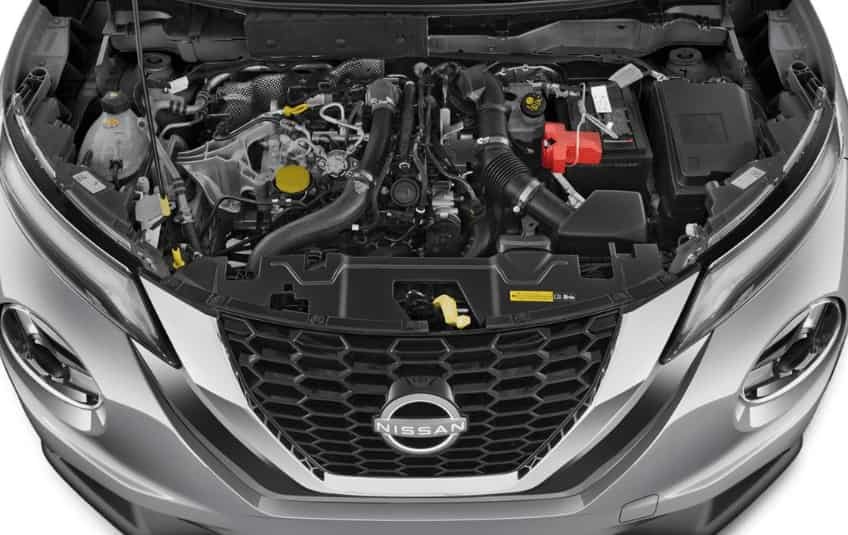
Several factors influence engine reliability. The engine type, model year, maintenance history, and driving habits all play an important role. Some owners experience timing chain wear, while others report turbocharger failure, excessive oil consumption, or ignition coil problems. Cooling system faults can also increase the risk of engine damage.
This guide explains the most common Nissan Juke engine problems in detail. You will learn what causes these issues and how to recognize the early symptoms. It also covers average repair costs and practical maintenance tips. Finally, you will discover which Nissan Juke engines offer the best reliability and what to inspect before buying a used model. With the right knowledge, you can reduce repair costs and keep your vehicle running efficiently for many years.
What Are the Most Common Nissan Juke Engine Problems?
Nissan Juke engine problems are often linked to a few recurring mechanical issues that affect both performance and long term reliability. While not every vehicle experiences these faults, they appear frequently enough that owners and buyers should understand them clearly. The most reported problems include timing chain wear, turbocharger failure, excessive oil consumption, ignition coil issues, carbon buildup, and engine overheating. Each of these problems develops gradually, often starting with small warning signs before becoming serious mechanical failures.
Timing chain issues are among the most critical concerns. The timing chain controls engine synchronization, and when it stretches or wears out, the engine loses precision. Drivers often notice a rattling noise during cold starts or a rough idle. In more severe cases, engine misfires or starting difficulties may occur. This issue is commonly linked to poor oil maintenance or extended service intervals, which increase friction and accelerate wear inside the engine.
Turbocharger failure is another frequent problem, especially in turbocharged versions of the Nissan Juke. When the turbo begins to fail, drivers experience reduced acceleration, power loss, and sometimes unusual whining noises from the engine bay. In some cases, exhaust smoke becomes visible. The main causes include insufficient lubrication, contaminated oil, and aggressive driving habits before the engine reaches optimal temperature.
Excessive oil consumption is also reported in certain engines. This issue develops slowly, making it difficult to detect early. Drivers may notice they need to refill engine oil more often than usual. Over time, this can lead to low oil levels that increase the risk of serious internal damage. Worn piston rings and high mileage are common contributing factors.
Ignition coil failure affects engine smoothness and fuel efficiency. When a coil stops working correctly, the engine may misfire or vibrate at idle. The check engine light often appears as an early warning. Heat exposure and aging electrical components are the primary causes of this issue.
Carbon buildup is another concern in direct injection engines. Over time, carbon deposits accumulate inside the intake system and restrict airflow. This leads to reduced performance, rough idling, and higher fuel consumption. City driving and short trips make this problem worse because the engine does not reach optimal operating temperature frequently.
Engine overheating is one of the most serious Nissan Juke engine problems. It is usually caused by cooling system failures such as a faulty thermostat, leaking radiator, or weak water pump. If ignored, overheating can damage the head gasket or even destroy the engine block, leading to extremely costly repairs.
Nissan Juke Engine Problems by Engine Type
Nissan Juke engine problems change depending on the engine type, so understanding each variant helps you identify risks early and choose the right maintenance approach. Each engine has its own design, performance level, and weak points. Because of this, some engines show better long term reliability, while others require more careful maintenance to avoid failures.
The 1.2 DIG T engine delivers good fuel efficiency and strong turbo performance for its size, but it requires strict maintenance discipline. Many drivers report timing chain noise after high mileage use, especially when oil changes happen late or with low quality oil. The engine also shows higher oil consumption in some cases, which can lead to lubrication issues if the driver ignores oil level checks. Turbo response stays strong when the engine receives proper care, but aggressive driving during cold starts increases wear on internal components and shortens engine life.
The 1.5 dCi diesel engine focuses on efficiency, yet it brings specific challenges linked to diesel technology. Fuel injectors can lose accuracy over time, which leads to rough engine behavior and unstable idling. Short distance driving increases soot buildup inside the exhaust system, which affects the diesel particulate filter. The EGR valve also collects carbon deposits when the engine does not reach optimal operating temperature. These conditions reduce fuel efficiency and increase emissions, especially in city driving environments.
The 1.6 naturally aspirated engine offers a simpler structure and generally improves long term reliability compared to turbocharged versions. It avoids complex turbo systems, which reduces mechanical stress. However, ignition coil wear still appears over time, and carbon buildup can affect performance when maintenance schedules get delayed. Drivers who follow regular servicing usually experience fewer serious issues with this engine type.
The 1.6 DIG T turbo engine delivers strong acceleration and better driving performance, but it demands consistent maintenance. Turbo systems require clean oil flow to avoid premature wear. When oil quality drops or service intervals extend too long, turbo response weakens and engine stress increases. Cooling system efficiency also plays a key role in long term durability, especially during heavy driving conditions. With proper care, this engine maintains strong performance, but neglect quickly leads to expensive repairs.
Nissan Juke Engine Problems by Model Year
Nissan Juke engine problems do not appear evenly across all production years, and understanding these differences helps buyers avoid costly mistakes when choosing a used vehicle. Some model years show improved engineering and better reliability, while others report more frequent engine related complaints. These differences often come from design updates, software improvements, and changes in engine components over time. Because of this, model year analysis plays an important role in evaluating long term ownership risk.
Earlier Nissan Juke models tend to show more engine related issues, especially in high mileage vehicles with inconsistent maintenance history. Timing chain noise appears more frequently in older engines, particularly when oil changes are delayed or when low quality oil is used. Turbocharged versions from early production years also show higher sensitivity to driving habits, which leads to faster wear of turbo components. In addition, some older models experience higher oil consumption, which increases the risk of low lubrication if drivers do not monitor oil levels regularly.
Mid generation updates improved engine stability in several areas. Manufacturers refined engine calibration and improved component durability to reduce stress on critical systems. Drivers of these updated models often report fewer timing chain complaints and more stable turbo performance. However, issues like ignition coil wear and carbon buildup still appear, especially in vehicles used mainly for short city trips. These problems do not disappear completely, but they become easier to manage with proper maintenance.
Newer Nissan Juke models generally offer better reliability due to improved engineering and more advanced engine management systems. These models reduce the frequency of serious mechanical failures and improve fuel efficiency. However, even in newer versions, engine problems can still occur if maintenance schedules are ignored. Oil quality, driving behavior, and cooling system care continue to play a major role in engine health.
When comparing model years, buyers should focus not only on production year but also on service history. A well maintained older Nissan Juke often performs better than a poorly maintained newer one. Understanding this relationship helps buyers make smarter decisions and avoid unexpected repair costs in the long term.
What Causes Nissan Juke Engine Problems?
Nissan Juke engine problems usually do not come from a single cause. Instead, they develop over time due to a combination of maintenance habits, driving behavior, and mechanical wear. Understanding these root causes helps drivers prevent serious engine damage and reduce long term repair costs. Most engine failures start small, but they become severe when owners ignore early warning signs or delay maintenance.
Poor maintenance is one of the most common causes of engine problems. When drivers extend oil change intervals or use low quality engine oil, internal friction increases and engine components wear faster. Timing chains, turbochargers, and piston systems depend heavily on clean oil flow. Once oil loses its quality, the engine loses protection and begins to degrade gradually.
Low oil levels also create serious risks. Some Nissan Juke engines consume more oil than expected, especially in high mileage vehicles. When drivers fail to check oil levels regularly, lubrication drops and internal parts start working under stress. This condition often leads to overheating, increased wear, and in extreme cases, engine failure.
Cooling system neglect also contributes to major engine issues. The engine relies on a stable temperature range to operate efficiently. When components such as the radiator, thermostat, or water pump fail, the engine overheats quickly. Repeated overheating damages gaskets and weakens internal seals, which leads to expensive repairs.
Driving habits also influence engine health. Frequent short trips prevent the engine from reaching optimal operating temperature. This leads to carbon buildup inside the intake system and reduces combustion efficiency. Aggressive driving with a cold engine also increases turbo stress and shortens component lifespan.
In some cases, manufacturing tolerances and long term wear contribute to engine problems. While Nissan designs the Juke for balanced performance and efficiency, no engine remains immune to aging. Over time, heat cycles, pressure, and friction naturally reduce performance if maintenance does not compensate for this wear.
Symptoms of Nissan Juke Engine Problems
Nissan Juke engine problems usually show clear warning signs before they become serious failures. Drivers who recognize these symptoms early can avoid expensive repairs and protect engine performance. Most issues start gradually, so small changes in sound, performance, or fuel behavior often indicate developing mechanical faults.
One of the most common symptoms is the check engine light. This warning appears when the engine control unit detects irregular performance in combustion, airflow, or emissions systems. Although the light does not always indicate a severe problem, it signals that the engine needs immediate diagnostic testing.
Unusual engine noise is another important warning sign. Drivers often report knocking, rattling, or whining sounds from the engine bay. These noises often indicate timing chain wear, turbocharger stress, or internal friction issues. When ignored, these conditions can lead to serious mechanical damage over time.
Loss of power also signals engine trouble. The vehicle may accelerate slowly or feel less responsive during driving. This symptom often relates to turbocharger issues, clogged air intake systems, or fuel delivery problems. In turbocharged versions, power loss usually becomes more noticeable during acceleration or uphill driving.
Excessive exhaust smoke provides another clear indicator of engine problems. Blue smoke often points to oil burning inside the combustion chamber, while black smoke suggests fuel mixture imbalance. White smoke can indicate coolant leakage into the engine system, which requires immediate attention.
Rough idle and engine vibration also appear in many Nissan Juke engine issues. The engine may shake or feel unstable when the vehicle stops. Ignition coil failure, spark plug wear, or air intake imbalance often cause this condition. Drivers usually notice this issue first at traffic lights or during cold starts.
Increased fuel consumption also signals reduced engine efficiency. When the engine works harder to produce the same power, fuel usage rises noticeably. This change often links to carbon buildup, sensor failure, or poor combustion efficiency.
How Much Does It Cost to Repair Nissan Juke Engine Problems?
Nissan Juke engine problems can lead to very different repair costs depending on the severity of the issue, the engine type, and how early the driver detects the fault. Small repairs remain affordable when owners act quickly, but major engine damage can become expensive and sometimes exceed the value of the vehicle. Understanding typical repair costs helps owners make informed decisions about maintenance and replacement.
Timing chain replacement is one of the more expensive repairs. The cost usually increases because the repair requires significant labor and precise engine disassembly. When drivers ignore early rattling noises, the chain can damage other internal components, which raises the total repair cost even further. Early intervention always reduces expenses and prevents secondary damage.
Turbocharger replacement also creates a high repair cost scenario. Turbo systems operate under extreme heat and pressure, so when failure occurs, mechanics often replace the entire unit instead of repairing individual parts. Drivers usually notice performance loss before complete failure, which gives a short window to address the problem before it becomes severe.
Ignition coil replacement remains one of the more affordable repairs. This issue affects engine smoothness but does not usually cause long term damage when fixed early. Many drivers replace coils individually or in sets depending on diagnostic results.
Engine overheating repairs vary widely depending on the cause. A simple thermostat replacement costs much less than a damaged head gasket or warped engine components. When overheating continues without intervention, repair costs increase significantly due to internal engine damage.
In extreme cases, engine rebuild or full engine replacement becomes necessary. This situation usually occurs when drivers ignore multiple warning signs over time. Replacement costs can exceed the value of older Nissan Juke models, which leads many owners to consider vehicle replacement instead of repair.
Overall, early diagnosis plays the most important role in controlling repair expenses. Drivers who act quickly usually avoid major costs and extend engine lifespan significantly.
How to Diagnose Nissan Juke Engine Problems
Diagnosing Nissan Juke engine problems early helps prevent expensive repairs and improves long term engine reliability. Most engine issues develop gradually, so proper diagnosis allows drivers and mechanics to identify the root cause before damage spreads. A structured diagnostic approach improves accuracy and reduces unnecessary replacement of parts.
One of the most common diagnostic methods involves using an OBD II scanner. This tool reads error codes stored in the engine control unit and helps identify issues related to ignition, fuel delivery, airflow, or emissions systems. While error codes do not always point to a single failure, they guide the diagnostic process and narrow down potential causes.
A compression test helps evaluate the internal condition of the engine cylinders. Low compression often indicates worn piston rings, valve problems, or internal engine wear. This test provides a clear picture of engine health and helps detect serious issues that do not always trigger warning lights.
Oil pressure testing also plays an important role in diagnosing engine problems. Low oil pressure can indicate oil pump failure, clogged oil passages, or excessive internal wear. Since proper lubrication protects all major engine components, oil pressure results help determine whether the engine operates safely.
Cooling system inspection helps identify overheating risks. Mechanics check the radiator, thermostat, coolant levels, and water pump to ensure the system maintains stable engine temperature. Any failure in this system increases the risk of severe engine damage, especially in high performance driving conditions.
Turbocharger inspection applies to turbocharged Nissan Juke engines. Technicians check for boost pressure loss, oil leakage, and abnormal turbine noise. Early detection of turbo wear helps prevent complete turbo failure and reduces repair costs significantly.
A complete diagnostic process combines all these methods to create a clear understanding of engine condition. When drivers use proper diagnostics instead of guessing, they improve repair accuracy and avoid unnecessary expenses.
How to Prevent Nissan Juke Engine Problems
Preventing Nissan Juke engine problems depends mainly on consistent maintenance, correct driving habits, and early response to warning signs. Most engine failures do not happen suddenly. They develop over time when drivers ignore small issues or delay basic servicing. A proactive maintenance approach helps extend engine lifespan and reduces long term ownership costs significantly.
Regular oil changes play the most important role in engine protection. Clean engine oil reduces friction and keeps internal components such as the timing chain and turbocharger operating smoothly. When oil becomes old or contaminated, it loses its protective properties and accelerates engine wear. Drivers who follow the correct service intervals reduce the risk of major mechanical failures.
Monitoring oil levels also helps prevent serious damage. Some Nissan Juke engines consume more oil than expected, especially in high mileage conditions. Checking oil levels frequently allows drivers to detect abnormal consumption early and avoid low lubrication situations that can damage internal engine parts.
Cooling system maintenance also protects engine health. The engine performs best within a stable temperature range, so components such as the radiator, thermostat, and water pump must function correctly. Regular coolant checks and timely replacement help prevent overheating, which can cause head gasket failure or permanent engine damage.
Driving behavior also influences engine durability. Gentle acceleration and avoiding high load driving on a cold engine reduce stress on turbocharged systems. Short trips should be balanced with longer drives to allow the engine to reach optimal operating temperature and burn off carbon deposits naturally.
Air and fuel filter replacement also improves engine efficiency. Clean airflow and proper fuel delivery support stable combustion and reduce strain on ignition and turbo systems. Over time, this simple maintenance step helps maintain performance and fuel economy.
Finally, early response to warning signs ensures long term reliability. When drivers act quickly after noticing noise, vibration, or warning lights, they prevent minor issues from turning into expensive repairs. Preventive maintenance always costs less than engine replacement and significantly improves vehicle lifespan.
Conclusion
Nissan Juke engine problems often come from a combination of maintenance habits, driving behavior, and natural engine wear over time. While the Nissan Juke offers good performance and efficiency in its segment, some engine variants require more attention to stay reliable in the long term. Understanding the most common issues helps drivers make better decisions and avoid unnecessary repair costs.
Most engine problems start with small warning signs such as unusual noise, rough idle, increased oil consumption, or reduced power. When drivers ignore these early symptoms, minor issues can develop into major mechanical failures. Timing chain wear, turbocharger failure, ignition coil issues, carbon buildup, and overheating remain the most common concerns across different Nissan Juke engine types.
Repair costs vary widely depending on the severity of the issue. Simple fixes such as ignition coil replacement remain affordable, while turbocharger or engine replacement can become very expensive. Because of this, early diagnosis and regular maintenance play a key role in controlling long term ownership costs.
Prevention remains the most effective strategy. Regular oil changes, proper cooling system maintenance, consistent oil level checks, and careful driving habits significantly reduce the risk of engine problems. Drivers who follow a structured maintenance routine usually experience better reliability and longer engine lifespan.
For used car buyers, service history becomes the most important factor. A well maintained Nissan Juke often performs better than a newer model with poor maintenance. By understanding these engine problems and their causes, drivers can make smarter ownership decisions and protect their investment over time.