
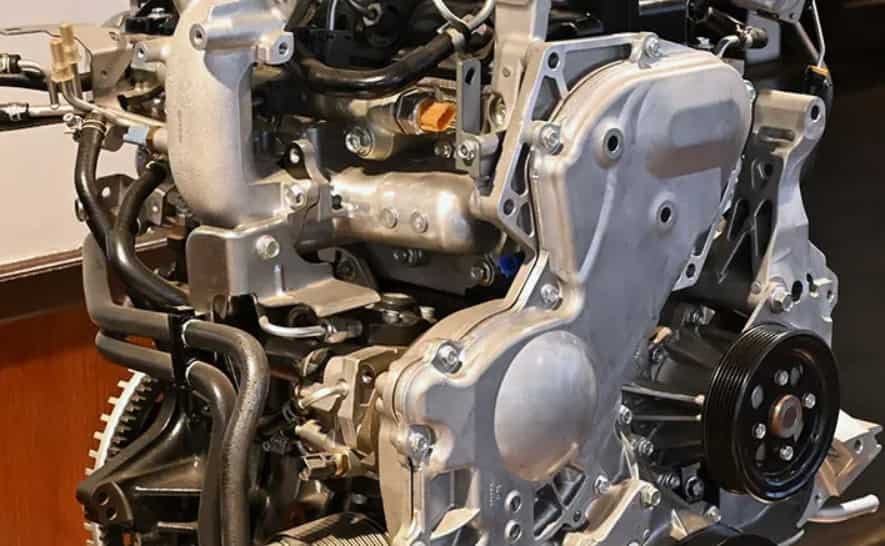
The Nissan 2.5 diesel engine appears in many popular vehicles and delivers solid torque and fuel efficiency. Many owners choose it for daily driving and heavy use. However, Nissan 2.5 Diesel Engine Problems still appear over time in real world conditions.
Diesel engines work under high pressure. They also rely on multiple systems that must work together. These include fuel injection, turbocharging, and emission control systems. When one system starts to fail, the engine often shows clear warning signs.
Drivers often notice reduced power first. Some also see higher fuel consumption or smoke from the exhaust. In some cases, the engine enters limp mode to protect itself. These symptoms usually point to deeper mechanical or electronic issues.
This guide explains Nissan 2.5 Diesel Engine Problems in a structured way. It connects symptoms to real causes inside the engine. It also shows how each issue develops over time. You will learn how to identify early warning signs and avoid expensive repairs.
The goal is simple. Help you understand the engine at a system level. This makes diagnosis easier and helps you prevent serious damage before it happens.
Overview of the Nissan 2.5 Diesel Engine Architecture
The Nissan 2.5 diesel engine uses a modern common rail diesel design. This system focuses on high fuel efficiency and strong low end torque. It also supports stricter emission standards compared to older diesel engines.
The engine relies on precise coordination between several core systems. The fuel injection system delivers diesel at very high pressure. This improves combustion efficiency and power output. The turbocharging system forces more air into the cylinders. This increases engine performance without increasing engine size.
The EGR system plays an important role in reducing emissions. It redirects part of the exhaust gas back into the intake. This lowers combustion temperature and reduces NOx emissions. The DPF system filters soot particles from exhaust gases. It then burns them off during regeneration cycles.
These systems work together under electronic control. The ECU manages fuel delivery, air intake, and emission behavior in real time. When one system becomes inefficient, it affects the others quickly. This is why Nissan 2.5 Diesel Engine Problems often appear as multiple symptoms at the same time.
Understanding this architecture is important for diagnosis. A single symptom such as power loss may come from fuel, air, or emission systems. Without system level understanding, repairs often become trial and error. That leads to higher costs and longer downtime.
Most Common Symptoms of Nissan 2.5 Diesel Engine Problems
Nissan 2.5 Diesel Engine Problems usually start with clear and repeatable symptoms. These symptoms often appear gradually, which makes early detection difficult for many drivers. However, the engine always gives warning signs before serious failure occurs.
One of the most common symptoms is loss of power. The vehicle feels slower during acceleration and struggles on inclines. This usually indicates issues in the fuel system, turbo system, or air intake restriction. Drivers often notice this problem first during highway driving or when carrying heavy loads.
Another frequent symptom is increased smoke from the exhaust. Black smoke often points to incomplete fuel combustion. This can happen when injectors are dirty or airflow is restricted. White smoke may indicate fuel or coolant related issues. Blue smoke usually suggests oil burning inside the combustion chamber.
Rough idling is also a common sign. The engine may vibrate or feel unstable when the vehicle is stationary. This often relates to injector imbalance or inconsistent fuel delivery. In some cases, it may also indicate sensor problems that affect engine timing.
Fuel consumption can increase without any change in driving behavior. This happens when the engine compensates for inefficiency in combustion or airflow. Many owners notice this issue before other serious symptoms appear.
The check engine light is another key warning sign. The ECU activates this light when it detects abnormal readings from sensors or systems. In some cases, the engine may enter limp mode. This reduces power to protect critical components.
Hard starting, especially in cold conditions, can also appear. This often connects to weak fuel pressure, glow plug issues, or injector wear.
These symptoms rarely appear alone. In most Nissan 2.5 Diesel Engine Problems cases, multiple symptoms develop together. This makes system level diagnosis essential for correct repair.
Root Causes Behind Nissan 2.5 Diesel Engine Problems
Nissan 2.5 Diesel Engine Problems usually come from a few core systems rather than random failures. Most issues develop slowly due to wear, poor maintenance, or driving conditions. When one system weakens, it affects the entire engine performance.
A major root cause is fuel injector degradation. Diesel injectors operate under very high pressure. Over time, they can become clogged or lose spray precision. This leads to poor combustion, rough running, and increased smoke.
Turbocharger wear is another common cause. The turbo relies on clean oil and stable pressure. If oil quality drops or service intervals are missed, the turbo can lose efficiency. This reduces boost pressure and causes noticeable power loss.
The EGR system also creates many long term issues. Exhaust gases carry carbon deposits back into the intake. These deposits build up inside the EGR valve and intake manifold. As a result, airflow becomes restricted and combustion quality drops.
The DPF system can also become a major problem source. Short distance driving prevents proper regeneration. This leads to soot buildup inside the filter. When the DPF becomes clogged, the engine enters limp mode to protect itself.
Sensor failures also contribute to Nissan 2.5 Diesel Engine Problems. The MAF sensor, boost pressure sensor, and oxygen related sensors send critical data to the ECU. When these readings become inaccurate, the engine adjusts fuel and air incorrectly.
Poor lubrication is another hidden factor. Incorrect oil type or extended oil change intervals increase internal wear. This affects turbo life, piston rings, and overall engine durability.
Cooling system inefficiency can also trigger performance issues. Overheating causes the ECU to reduce power and protect the engine from damage.
Most serious engine problems come from a combination of these factors, not a single failure. This is why system level diagnosis is necessary instead of replacing individual parts blindly.
Fuel System Related Nissan 2.5 Diesel Engine Problems
The fuel system plays a central role in Nissan 2.5 Diesel Engine Problems. Diesel engines depend on precise fuel delivery under very high pressure. Even small irregularities in this system can quickly affect combustion quality and overall engine performance.
One of the most common issues is injector clogging. Diesel injectors spray fuel into the combustion chamber in a very fine mist. When deposits build up, the spray pattern becomes uneven. This leads to incomplete combustion, rough engine behavior, and visible smoke from the exhaust.
Injector wear is another important problem. Over time, internal components lose precision due to constant high pressure operation. This reduces injection accuracy and creates imbalance between cylinders. The engine may start to vibrate or idle unevenly as a result.
Fuel contamination also causes serious damage. Dirty diesel fuel or water in the fuel system can affect both injectors and the high pressure pump. When contamination reaches sensitive components, performance drops quickly and repair costs increase significantly.
The high pressure fuel pump can also fail under stress. It is responsible for maintaining stable fuel pressure across all operating conditions. When it weakens, the engine may struggle to start or lose power during acceleration. In severe cases, the engine may shut down unexpectedly.
Another issue is inconsistent fuel pressure regulation. When pressure sensors or regulators fail, the ECU receives incorrect data. This leads to incorrect fuel delivery, which affects both efficiency and emissions.
These fuel system issues often appear together with other Nissan 2.5 Diesel Engine Problems. This makes diagnosis more complex because symptoms overlap with turbo or air intake failures. A structured diagnostic approach is necessary to identify the true root cause instead of guessing based on symptoms alone.
Turbo and Air Intake System Failures
Turbo and air intake systems play a major role in Nissan 2.5 Diesel Engine Problems. These systems control how much air enters the engine and directly affect power output, fuel efficiency, and combustion quality. When they fail, the engine loses performance quickly and shows clear symptoms.
Turbocharger failure is one of the most serious issues. The turbo relies on constant lubrication and clean engine oil. When oil quality is poor or oil change intervals are extended, internal bearings wear out. This reduces turbo efficiency and lowers boost pressure. Drivers often feel slow acceleration and weak engine response.
Oil starvation is another key cause of turbo damage. When oil flow is restricted, the turbo shaft overheats and wears unevenly. This can eventually lead to complete turbo failure. In many cases, metal debris can spread and damage other engine components.
Boost leaks also create noticeable performance problems. Cracked hoses, loose clamps, or damaged intercooler pipes reduce air pressure entering the engine. The ECU detects this imbalance and reduces power to protect the system. This often triggers limp mode in severe cases.
The intercooler system can also become inefficient. When it gets clogged with oil residue or dirt, it reduces air cooling efficiency. Hot air entering the engine lowers combustion efficiency and increases fuel consumption.
Air filter restriction is another simple but important issue. A clogged air filter reduces airflow and forces the engine to work harder. This leads to poor acceleration and higher fuel use over time.
Sensor related issues can also affect turbo performance. The boost pressure sensor and airflow sensor send critical data to the ECU. When these readings become inaccurate, the engine may reduce boost even when the turbo is physically fine.
These turbo and intake system problems often overlap with fuel system or EGR issues. This overlap makes Nissan 2.5 Diesel Engine Problems more complex to diagnose without proper system level testing.
Emission System Issues EGR and DPF
Emission systems are a major source of Nissan 2.5 Diesel Engine Problems. Modern diesel engines rely on EGR and DPF systems to meet environmental standards. These systems work well under ideal conditions, but they are sensitive to driving habits and maintenance quality.
The EGR system is responsible for reducing nitrogen oxide emissions. It does this by sending a portion of exhaust gas back into the intake system. Over time, this process creates carbon buildup inside the EGR valve and intake manifold. When deposits increase, airflow becomes restricted and engine efficiency drops. Drivers often notice rough idling, slower acceleration, and higher fuel consumption.
EGR valve sticking is another common issue. When the valve cannot open or close properly, the engine receives incorrect exhaust recirculation levels. This affects combustion balance and can trigger warning lights on the dashboard. In some cases, the engine may enter limp mode to prevent further damage.
The DPF system also creates frequent problems. It traps soot particles from exhaust gases and burns them during regeneration cycles. However, short distance driving prevents the engine from reaching the temperature required for full regeneration. This leads to gradual soot buildup inside the filter.
When the DPF becomes clogged, exhaust backpressure increases. The engine loses power and fuel consumption rises. The ECU may also activate limp mode to protect the turbo and exhaust system. In severe cases, DPF replacement becomes necessary, which is expensive.
Sensor failures can worsen emission system problems. Pressure sensors and temperature sensors monitor DPF and EGR performance. When these sensors provide inaccurate data, the regeneration process may fail or occur at the wrong time.
These emission related issues often connect directly with fuel and turbo system problems. This is why Nissan 2.5 Diesel Engine Problems rarely come from a single system failure. Instead, they develop as interconnected faults across multiple components.
Engine Diagnosis and Troubleshooting Process
Diagnosing Nissan 2.5 Diesel Engine Problems requires a structured approach. Many repair mistakes happen when technicians replace parts without identifying the real root cause. A system based diagnosis reduces cost and improves repair accuracy.
The first step is symptom identification. The driver or technician must clearly observe how the engine behaves. Loss of power, smoke color, fuel consumption changes, and starting difficulty all provide important clues. Each symptom points toward a different system inside the engine.
The next step is OBD scanning. The engine control unit stores fault codes when it detects abnormal signals. These codes help narrow down the problem area. Common codes often relate to airflow, fuel pressure, or emission system performance. However, codes alone do not always show the full problem.
After scanning, live data analysis becomes important. Technicians check real time sensor readings such as boost pressure, fuel rail pressure, and airflow values. These readings show how each system performs under actual operating conditions. Any deviation from normal ranges helps identify weak components.
Physical inspection is also necessary. This includes checking air filters, turbo hoses, fuel lines, and EGR components. Many Nissan 2.5 Diesel Engine Problems come from visible issues like leaks, carbon buildup, or damaged pipes. These problems can often be detected without advanced tools.
System isolation is another key step. Each major system is tested separately. Fuel system, turbo system, and emission system are checked one by one. This helps determine whether the issue comes from a single component or multiple connected failures.
Finally, a repair decision is made based on evidence, not assumption. Replacing parts without confirmation often leads to repeated failures. A correct diagnosis ensures long term reliability and prevents unnecessary repair costs.
Fixes and Repair Solutions for Nissan 2.5 Diesel Engine Problems
Fixing Nissan 2.5 Diesel Engine Problems requires matching the repair method with the correct root cause. Random part replacement often leads to repeated failures and higher costs. A system based repair approach always delivers better long term results.
Fuel system repairs are often the first step. Dirty or clogged injectors can be cleaned using professional ultrasonic methods or replaced if wear is severe. High pressure fuel pumps must be tested under load before replacement. In some cases, fuel filter replacement alone restores stable pressure and improves engine performance.
Turbo related fixes depend on damage level. Minor issues such as boost leaks can be solved by replacing hoses or tightening connections. If the turbo shows bearing wear or oil leakage, a full turbo replacement is usually required. After repair, oil quality and oil change intervals must be improved to prevent repeat failure.
EGR system problems are often solved through deep cleaning. Carbon buildup inside the valve and intake manifold can be removed using specialized cleaning agents. If the EGR valve is stuck or electronically damaged, replacement becomes necessary. Regular cleaning helps prevent recurrence of Nissan 2.5 Diesel Engine Problems in this system.
DPF issues require a different approach. In mild cases, forced regeneration using diagnostic tools can clear soot buildup. For severe blockage, professional DPF cleaning or replacement is required. Drivers must also adjust driving habits by including longer trips to allow proper regeneration cycles.
Sensor related issues are fixed by replacement and recalibration. Faulty MAF sensors, boost sensors, or pressure sensors can create incorrect ECU readings. Once replaced, the system must be reset to restore correct engine mapping.
Cooling system repairs include replacing thermostats, water pumps, or coolant hoses when overheating is detected. Stable engine temperature is essential for long term diesel performance.
Overall, successful repair of Nissan 2.5 Diesel Engine Problems depends on accurate diagnosis followed by targeted intervention. This prevents unnecessary costs and improves engine lifespan significantly.
Maintenance Strategy to Prevent Future Problems
Preventing Nissan 2.5 Diesel Engine Problems is more effective than repairing them after failure. Most issues develop slowly due to poor maintenance habits, short distance driving, or low quality consumables. A consistent maintenance strategy keeps all engine systems stable and reduces long term repair costs.
Regular oil changes are the most important factor. Diesel engines work under high pressure and heat. Old or low quality oil loses its protective ability quickly. This increases wear on the turbo, pistons, and internal components. Using the correct oil specification and changing it on time helps maintain engine stability.
Fuel quality also plays a major role. Contaminated diesel fuel introduces dirt and water into the system. This directly affects injectors and fuel pumps. Using clean fuel from reliable sources reduces the risk of injector clogging and pressure imbalance.
Driving habits strongly affect emission systems. Short trips prevent the engine from reaching optimal temperature. This leads to incomplete DPF regeneration and carbon buildup in the EGR system. Long distance driving at regular intervals helps burn off soot and keeps these systems clean.
Air intake maintenance is also important. A clean air filter ensures proper airflow into the engine. Restricted airflow reduces combustion efficiency and increases fuel consumption. Regular inspection and replacement of air filters help maintain engine performance.
Cooling system maintenance prevents overheating issues. Checking coolant levels, hoses, and thermostat condition ensures stable engine temperature. Overheating can accelerate wear and trigger multiple Nissan 2.5 Diesel Engine Problems across different systems.
Periodic diagnostic checks are recommended even when no symptoms are present. Early detection of sensor drift or minor performance changes helps prevent major failures. This proactive approach improves engine lifespan and reduces unexpected breakdowns.
A well maintained Nissan 2.5 diesel engine can operate reliably for a long time. Most serious problems appear only when maintenance is neglected or delayed over time.
Long Term Reliability and Ownership Insights
The long term reliability of this engine depends heavily on how it is maintained and how it is driven. Many Nissan 2.5 Diesel Engine Problems do not come from design flaws alone. They often develop from long term neglect or unsuitable driving conditions.
When properly maintained, the Nissan 2.5 diesel engine can deliver strong durability over high mileage. Owners who follow regular service schedules often experience stable performance for many years. Key systems such as fuel injection, turbocharging, and emissions control remain reliable when they receive consistent care.
However, reliability drops quickly when maintenance is ignored. Extended oil change intervals increase internal wear and reduce turbo lifespan. Poor fuel quality leads to injector clogging and unstable combustion. Short distance driving accelerates EGR and DPF buildup, which creates repeated performance issues.
Driving style also plays an important role. Engines that frequently operate under heavy load without proper warm up are more likely to develop early wear. Smooth driving with occasional long distance trips helps maintain system balance and improves combustion efficiency.
Another important factor is early symptom response. Owners who ignore warning signs such as smoke, power loss, or warning lights often face larger repair bills later. Small issues in one system can quickly affect other connected systems, especially in modern diesel engines with tight emission control.
From a cost perspective, long term ownership can be either economical or expensive depending on maintenance discipline. Preventive maintenance is significantly cheaper than repairing multiple failed systems at once. This is especially true for turbo, fuel injection, and DPF related failures.
Overall, the Nissan 2.5 diesel engine can be reliable, but only when all systems are kept in balance. Understanding how each component interacts helps owners avoid repeated Nissan 2.5 Diesel Engine Problems and extend engine lifespan.
Conclusion
Nissan 2.5 Diesel Engine Problems usually come from a combination of systems rather than a single failure point. The engine depends on fuel injection, turbocharging, and emission control systems working together in balance. When one system weakens, it often triggers a chain reaction that affects overall performance.
Most common problems start with clear symptoms. Drivers notice power loss, smoke, rough idling, or higher fuel consumption. These early signs should not be ignored because they often indicate developing issues inside the fuel system, turbo system, or emission systems like EGR and DPF.
Root causes are usually linked to maintenance habits and driving conditions. Poor oil quality, contaminated fuel, short distance driving, and delayed servicing are the main factors that accelerate wear. Over time, these conditions lead to injector failure, turbo damage, carbon buildup, and sensor errors.
Proper diagnosis is the key to avoiding unnecessary repairs. A structured approach that includes symptom analysis, OBD scanning, and system testing helps identify the real source of the problem. This reduces cost and prevents repeated failures caused by incorrect part replacement.
Preventive maintenance remains the most effective solution. Regular servicing, correct oil usage, clean fuel, and occasional long distance driving help maintain engine stability. When these practices are followed, the engine can remain reliable over a long period of use.
In summary, understanding Nissan 2.5 Diesel Engine Problems at a system level helps owners make better maintenance decisions, reduce repair costs, and extend engine lifespan significantly.