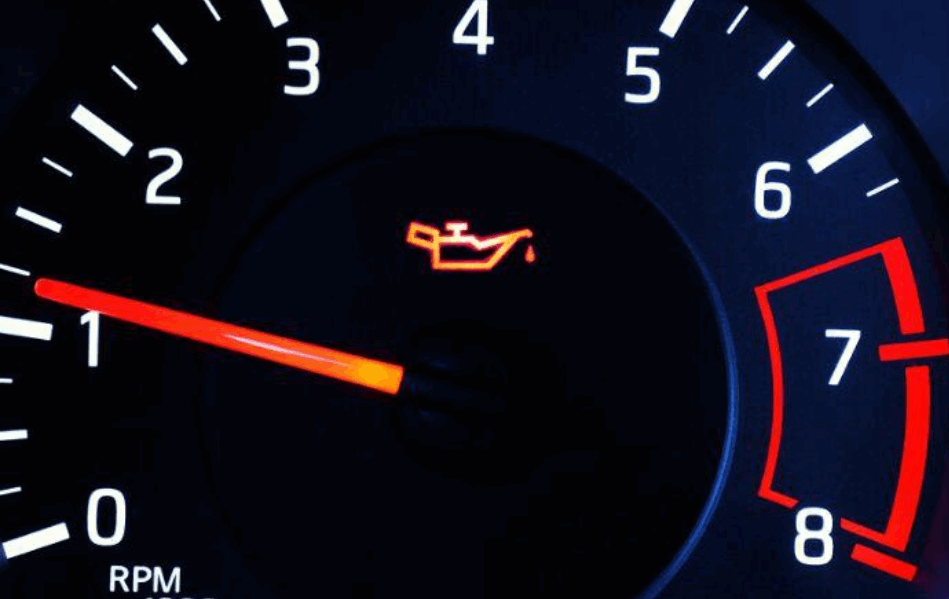
A Nissan oil pressure light that stays on can indicate low engine oil pressure. The engine needs steady oil pressure to lubricate its moving parts. Without enough pressure, friction and heat can increase inside the engine. This condition can quickly damage bearings, camshafts, and other internal components.
Stop your Nissan in a safe location if the oil pressure light remains on while driving. Then, turn off the engine and check the oil level. Low engine oil is a common cause, but it is not the only one. Oil level measures the amount of oil in the engine. Oil pressure measures how effectively the lubrication system moves that oil through the engine.
A Nissan can have enough oil but still develop an oil pressure warning. Possible causes include a faulty pressure sensor, clogged oil filter, incorrect oil viscosity, restricted oil pickup, or failing oil pump. Internal engine wear can also reduce oil pressure. In other cases, damaged wiring can trigger the warning even when actual oil pressure remains normal.
This guide explains why the Nissan oil pressure light comes on and what you should do first. It also covers the main causes, symptoms, diagnostic steps, and repairs.
What Does It Mean When the Nissan Oil Pressure Light Is On?
A Nissan oil pressure light means the engine lubrication system may not have enough pressure to circulate oil properly. Engine oil must reach bearings, camshafts, and other moving components while the engine runs. The oil pump creates the flow needed to move oil through these areas. Low pressure can prevent critical engine parts from receiving adequate lubrication.
Oil pressure and oil level describe two different conditions. The oil level refers to the amount of oil inside the engine. In contrast, oil pressure indicates how effectively the lubrication system moves that oil. A low oil level can reduce pressure because the pump may not receive enough oil. However, the correct oil level does not guarantee normal oil pressure.
Several mechanical problems can reduce pressure even when the engine contains enough oil. For example, a restricted oil pickup can limit the amount of oil reaching the pump. Worn oil pumps may also struggle to maintain adequate pressure. In addition, incorrect oil viscosity can affect how oil flows through the engine. Excessive internal clearance provides another possible cause as engine components wear.
An illuminated warning light does not always confirm an actual pressure loss. Sometimes, a faulty oil pressure sensor or switch sends an incorrect signal. Damaged connectors and wiring can create similar problems. Therefore, proper diagnosis must distinguish actual low oil pressure from an electrical fault.
Can You Drive a Nissan With the Oil Pressure Light On?
You should not continue driving a Nissan when the oil pressure light stays on while the engine is running. Instead, stop in a safe location and shut off the engine. This action reduces the risk of serious engine damage if oil pressure has dropped.
Engine components depend on a continuous oil film to reduce contact between moving surfaces. Without adequate pressure, this protective film can weaken. Friction then increases around components such as bearings, crankshaft journals, and camshaft surfaces. As a result, additional heat and accelerated wear can develop inside the engine.
Immediate attention remains necessary even when the engine sounds normal. A lubrication problem does not need to cause knocking or ticking before damage starts. Waiting for an unusual engine noise can allow the problem to become more severe.
A brief oil pressure warning during startup is different from a light that stays on. The warning may appear before the engine builds sufficient oil pressure. Under normal conditions, it should turn off after pressure reaches the required level. Investigate the system when the light stays on, appears while driving, or repeatedly returns.
After stopping safely, check the engine oil level. A low reading provides an important clue about the cause. However, do not assume the problem is solved when the dipstick shows enough oil. Further diagnosis must determine whether the engine has low oil pressure or a warning circuit fault.
What Should You Do When the Nissan Oil Pressure Light Comes On?
Stop your Nissan safely and turn off the engine when the oil pressure light stays on. Continuing to drive can damage internal engine components if the lubrication system has lost pressure. Avoid restarting the engine until you complete several basic checks.
First, park the vehicle on level ground and allow the engine oil to settle. Check the oil level with the dipstick according to the vehicle’s recommended procedure. A reading below the minimum mark indicates that the engine needs oil. Use the correct oil specification for your Nissan when adding oil.
Next, look under the vehicle and around the engine for visible oil leaks. Oil around the drain plug, filter, oil pan, or engine seals can indicate a loss. A significant leak requires attention before you restart the engine.
The next action depends on the oil level and warning condition. Correct a low level before checking whether the warning returns. However, a normal dipstick reading does not prove that oil pressure is adequate. The engine may still have a sensor, pump, filter, pickup, or internal lubrication problem.
Seek further diagnosis if the light remains on with the correct oil level. A technician can measure actual oil pressure and inspect the warning circuit. This process helps separate a false sensor warning from a mechanical pressure problem.
What Causes the Oil Pressure Light to Come On in a Nissan?
There are 8 main causes of a Nissan oil pressure light, ranging from low oil level to internal engine wear. Some causes reduce actual oil pressure. Others create an incorrect warning even when the lubrication system maintains sufficient pressure.
Low engine oil is one common cause. Leaks, oil consumption, or an incorrect fill amount can leave the oil pump without an adequate supply. As a result, the pump may struggle to maintain pressure throughout the lubrication system.
Incorrect oil viscosity can also affect oil flow and pressure. Nissan specifies suitable oil grades according to the engine and operating requirements. Oil that does not meet those requirements may behave differently at startup or operating temperature. A clogged or incorrect oil filter can also restrict normal oil circulation.
Oil pump and pickup problems directly affect the lubrication system. A restricted pickup limits the oil entering the pump. Meanwhile, a worn or damaged pump may fail to produce adequate pressure. Both faults can prevent enough oil from reaching critical engine components.
Electrical faults create a different type of problem. A defective oil pressure sensor or switch can send an incorrect warning signal. Damaged wiring, loose connectors, or poor electrical connections can produce similar symptoms.
Internal engine wear is another serious cause. Excessive clearance around bearings allows oil to escape more easily from pressurized areas. The lubrication system may then struggle to maintain the required pressure, especially as engine speed changes.
Proper diagnosis must identify which of these causes triggered the warning. Replacing parts without testing can miss a genuine lubrication problem and increase the risk of engine damage.
What Symptoms Can Occur With a Nissan Oil Pressure Warning Light?
A Nissan oil pressure warning light can appear with 7 key symptoms, including engine noise, oil leaks, and increased engine temperature. These symptoms can help identify a genuine lubrication problem. However, the warning light may also appear without other noticeable symptoms.
Engine ticking is one important warning sign. Camshafts, lifters, and other moving components depend on adequate lubrication. Low pressure can reduce the oil reaching these areas. As friction increases, the driver may hear ticking or tapping from the engine.
Knocking can indicate a more serious lubrication problem. Engine bearings require a stable oil film between moving metal surfaces. Insufficient pressure can weaken this protective layer. Continued operation may then increase bearing wear and create a deeper knocking sound.
Visible oil leaks and a burning oil smell provide additional clues. A leak can lower the oil level enough to affect the pump supply. Oil that reaches hot engine components may also produce a noticeable burning smell.
Higher engine temperature can accompany poor lubrication because friction generates heat. Reduced engine performance may occur as the mechanical condition becomes more severe. In some cases, the oil pressure light may flicker instead of staying illuminated.
Do not rely on symptoms alone to judge oil pressure. A Nissan may have dangerously low pressure before obvious noise develops. Conversely, a faulty sensor or electrical circuit can illuminate the warning while actual pressure remains normal. Pressure testing can distinguish between these conditions.
Why Is the Nissan Oil Pressure Light On When the Oil Level Is Full?
The Nissan oil pressure light can stay on with a full oil level because oil quantity does not determine oil pressure by itself. The engine must also circulate that oil at sufficient pressure. A full dipstick reading only confirms that the crankcase contains the expected amount of oil.
A faulty oil pressure sensor or switch is one possible cause. This component monitors pressure and communicates the warning condition to the vehicle. An internal sensor fault can trigger the light even when mechanical pressure remains within the required range. Wiring or connector problems can produce a similar false warning.
Mechanical faults remain possible when the oil level is correct. A restricted pickup can reduce the oil supply entering the pump. Likewise, a worn oil pump may struggle to create enough pressure. A restricted or unsuitable oil filter can interfere with normal oil circulation.
Oil viscosity also affects lubrication behavior. Oil that does not meet the engine specification may flow differently as temperature and engine speed change. Therefore, checking only the amount of oil does not provide a complete diagnosis.
Internal engine wear can cause a more serious pressure loss. Excessive bearing clearance allows oil to flow through internal gaps too easily. The system can then lose pressure despite having the correct oil quantity.
Verify actual oil pressure when the warning remains on with a full oil level. This test separates a sensor or circuit fault from a mechanical lubrication problem. It also prevents unnecessary part replacement based only on the dashboard warning.
Why Does the Nissan Oil Pressure Light Come On at Idle?
The Nissan oil pressure light can come on at idle because oil pressure generally decreases as engine speed drops. The oil pump operates with the engine and circulates oil through the lubrication system. At low engine speed, an existing pressure problem may become easier to detect.
Low oil level is one possible cause. The pump needs an adequate oil supply to maintain pressure. Insufficient oil can make pressure problems more noticeable when the engine returns to idle. Always check the oil level before investigating more complex faults.
Incorrect oil viscosity can also affect pressure at low engine speed. Oil must match the specification required for the Nissan engine. Temperature also changes how the oil flows. A warning that appears after the engine warms up can therefore provide an important diagnostic clue.
A worn oil pump creates another possible cause. Internal wear can reduce the pump’s ability to maintain sufficient pressure at lower speeds. Excessive bearing clearance can produce a similar result. Larger internal clearances allow oil to flow through the engine more easily, which can reduce pressure.
The oil pressure sensor and its circuit also require inspection. A faulty sensor may trigger the warning at a specific pressure range even when the engine has no major mechanical problem.
Do not diagnose the problem from idle behavior alone. Check the oil level and confirm the correct oil specification first. If the warning continues, measuring actual oil pressure can show whether the engine has a mechanical problem or a faulty warning circuit.
Why Is the Nissan Oil Pressure Light On After an Oil Change?
A Nissan oil pressure light after an oil change can indicate an incorrect oil level, unsuitable oil, a filter problem, or another lubrication fault. Start by checking the work completed during the service. The timing of the warning makes these recently changed components important diagnostic points.
First, verify the engine oil level on level ground. Too little oil can prevent the pump from receiving an adequate supply. An incorrect fill amount may result from an incomplete refill or another service error. Visible leakage should also prompt immediate inspection.
Next, confirm that the oil meets the specification for the Nissan engine. The correct viscosity helps the lubrication system maintain suitable flow under different operating conditions. Using an unsuitable grade can change lubrication behavior, especially as the engine temperature changes.
The oil filter also deserves attention. An incorrect, defective, or improperly installed filter can create problems after service. Inspect the filter area for leaks and confirm that the installed filter matches the vehicle requirements.
A warning after an oil change does not automatically prove that the service caused the problem. The oil pressure sensor, wiring, oil pump, or internal engine components may have developed a separate fault. However, checking recently serviced items first creates a logical diagnostic sequence.
Turn off the engine if the warning stays illuminated. Correct any confirmed oil level, specification, filter, or leakage problem before further operation. If the warning remains, verify actual oil pressure instead of assuming the dashboard light is incorrect.
How Do You Diagnose a Nissan Oil Pressure Warning Light?
Diagnose a Nissan oil pressure warning light by checking the oil first, then verifying whether the engine has actual low oil pressure. This sequence separates lubrication problems from sensor and electrical faults. It also reduces the risk of replacing parts without confirming the cause.
Start by checking the engine oil level on level ground. Low oil can reduce the supply available to the oil pump. Next, inspect the oil for obvious contamination and confirm that its viscosity meets the engine specification. Look around the oil filter, oil pan, drain plug, and engine for visible leaks.
Inspect the oil filter when the oil level appears normal. Confirm that the filter matches the vehicle requirements and shows no signs of leakage. Recent oil service makes this inspection especially important.
Next, examine the oil pressure sensor or switch and its electrical connection. Loose connectors, damaged wiring, corrosion, or a defective sensor can trigger an incorrect warning. An electrical problem becomes more likely when the engine shows no other signs of lubrication trouble. However, symptoms alone cannot confirm normal pressure.
Actual oil pressure should be measured when basic checks do not identify the cause. A technician can connect a mechanical pressure gauge to the appropriate test point. The measured pressure should then be compared with the specification for the specific Nissan engine and operating condition.
Low measured pressure directs diagnosis toward mechanical causes. These include the oil pump, pickup restriction, incorrect oil viscosity, and internal engine wear. Normal measured pressure shifts attention toward the sensor, wiring, connector, or warning circuit.
How Do You Fix a Nissan Oil Pressure Light That Stays On?
Fix a Nissan oil pressure light by repairing the confirmed cause of the warning rather than replacing parts based on the light alone. The correct repair depends on whether testing identifies an oil supply problem, mechanical pressure loss, or electrical fault.
Correct a low oil level with the oil specification required for the engine. The underlying reason for the loss also needs attention. Repair confirmed leaks and investigate excessive oil consumption when the level continues to drop.
Incorrect oil or filter problems require a different repair. Replace unsuitable oil with the correct specification and quantity. An incorrect or defective filter should also be replaced with a suitable unit. Check for leakage after completing the service.
Replace the oil pressure sensor or switch when testing confirms that it sends an incorrect signal. Damaged connectors and wiring require electrical repair instead of mechanical engine work. This distinction prevents unnecessary replacement of lubrication components.
Mechanical low pressure requires more extensive diagnosis and repair. A restricted oil pickup may need cleaning or replacement. A worn or damaged oil pump may require replacement. Internal bearing wear can require significant engine repair when excessive clearances cause the pressure loss.
Do not treat an extinguished warning light as proof that every problem has been corrected. Confirm the repair by checking for leaks and verifying that the warning no longer returns. When mechanical low pressure caused the warning, verify oil pressure after the repair when appropriate.
How Can You Prevent Nissan Oil Pressure Problems?
Prevent Nissan oil pressure problems by maintaining the correct oil level, specification, filter, and service schedule. Regular maintenance supports consistent oil circulation and helps identify leaks before they cause a pressure loss. It also reduces the risk of lubrication problems caused by neglected engine oil.
Check the engine oil level regularly and before long trips. A falling level can indicate an external leak or increased oil consumption. Finding the cause early helps prevent the oil supply from dropping far enough to affect the pump. Always follow the correct checking procedure for your Nissan model.
Use engine oil that meets the specification for the vehicle. Correct viscosity helps oil flow properly during cold starts and at normal operating temperature. The required specification can vary by Nissan model, engine, and model year. Check the owner’s manual before selecting engine oil.
Oil filters also affect the lubrication system. Use a filter that meets the requirements of the specific engine. Replace the filter at the appropriate service interval and inspect the surrounding area for leakage after service.
Follow the recommended oil change schedule for your Nissan. Driving conditions can influence the appropriate maintenance interval. Frequent short trips, heavy traffic, towing, and other demanding conditions can affect engine oil service requirements.
Finally, investigate an oil pressure warning as soon as it appears. Do not wait for knocking, ticking, or other engine symptoms. Early diagnosis can identify a simple oil level or sensor problem before a genuine lubrication fault causes extensive engine damage.
What Should You Remember About a Nissan Oil Pressure Light?
A Nissan oil pressure light requires immediate attention because actual low oil pressure can damage the engine. Stop the vehicle safely and turn off the engine when the warning stays on while driving. Check the oil level before restarting the engine or attempting further diagnosis.
Remember that oil level and oil pressure measure different conditions. A full dipstick does not prove that the lubrication system has adequate pressure. The engine can contain enough oil while a pump problem, restricted pickup, unsuitable oil, or internal wear reduces pressure. A faulty sensor or electrical circuit can also trigger the warning without a mechanical pressure loss.
The safest diagnostic approach is to identify the cause before replacing parts. Start with the oil level, oil condition, leaks, filter, sensor, and wiring. Measure actual oil pressure when these checks do not explain the warning. This test helps separate mechanical pressure loss from an electrical fault.
Do not ignore a warning because the engine still runs normally. Serious lubrication problems may develop before obvious knocking or ticking begins. Early diagnosis can prevent additional wear and reduce the risk of extensive engine damage.